






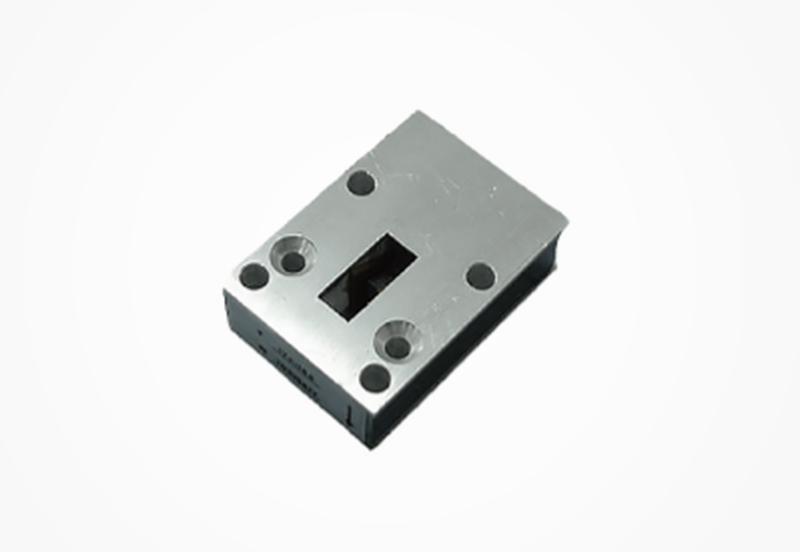
Modern wireless infrastructure, including 5G macro base stations, small cell networks, satellite communication terminals, and industrial wireless gateway systems, operates in complex and variable electromagnetic environments, making stable and secure signal transmission the core guarantee of network
View more
SMA connector type selection is a critical engineering step for RF isolator deployment, directly determining the device’s mechanical stability, signal integrity, and environmental adaptability in various RF systems. As a mainstream subminiature coaxial connector with a 50Ω standard impedance, SMA co
View moreRF isolators rely on the core working principle of three-port circulator integration with matched termination loads, where port 3 serves as the dedicated power absorption and heat dissipation terminal that determines the device’s power handling capability and operational stability. In standard RF tr
View moreRF isolators have emerged as indispensable passive non-reciprocal components for modern IoT wireless communication systems, addressing the unique operational challenges of low-power, compact, and long-term stable IoT devices. Unlike traditional wireless communication equipment, IoT terminals and gat
View more5G sub6GHz RF isolators are indispensable passive core components for modern telecom base stations, specially optimized for the mainstream sub6GHz frequency bands that dominate global 5G commercial deployment, including 3.3GHz to 3.8GHz n78 band, 4.8GHz to 5.0GHz n79 band, and low-frequency n41 and
View more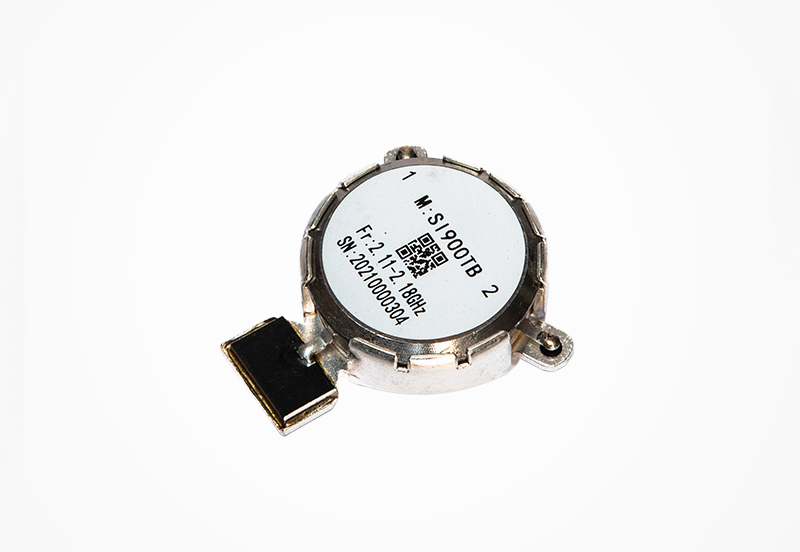
RF isolator isolation, quantified in decibels (dB), is the core electrical specification defining a two-port ferrite-based passive component’s ability to attenuate reverse reflected RF signals while enabling low-loss forward signal transmission. Technically, isolation dB is calculated as the logarit
View more

Contact Phone:
0755-26701085 0755-26701002
Company Address :2nd Floor, Building A, Juchuang Jingu Creative Park, Xili Street, Nanshan District, Shenzhen