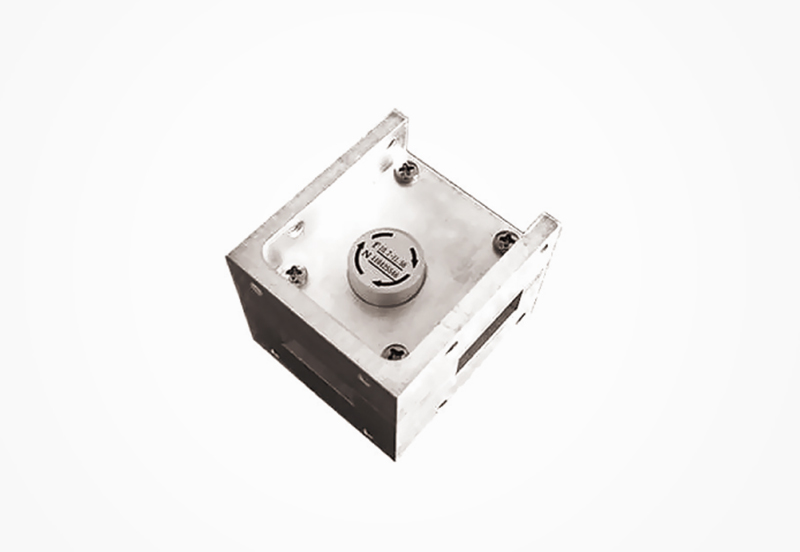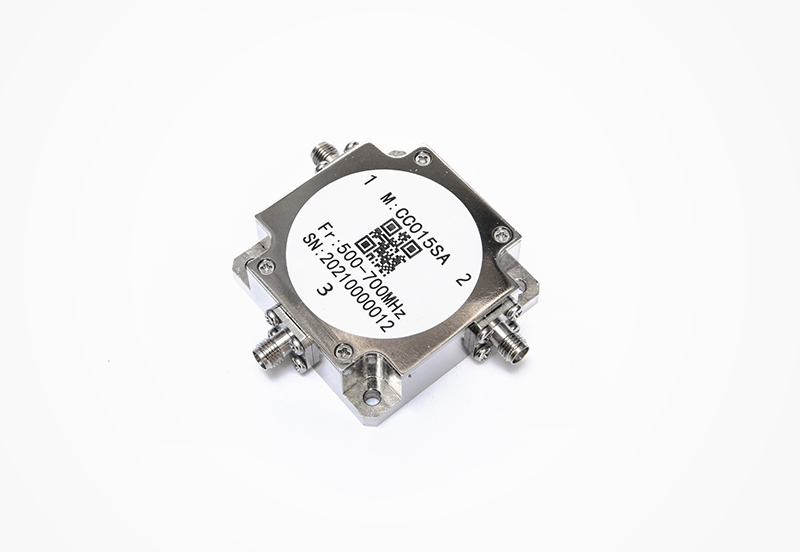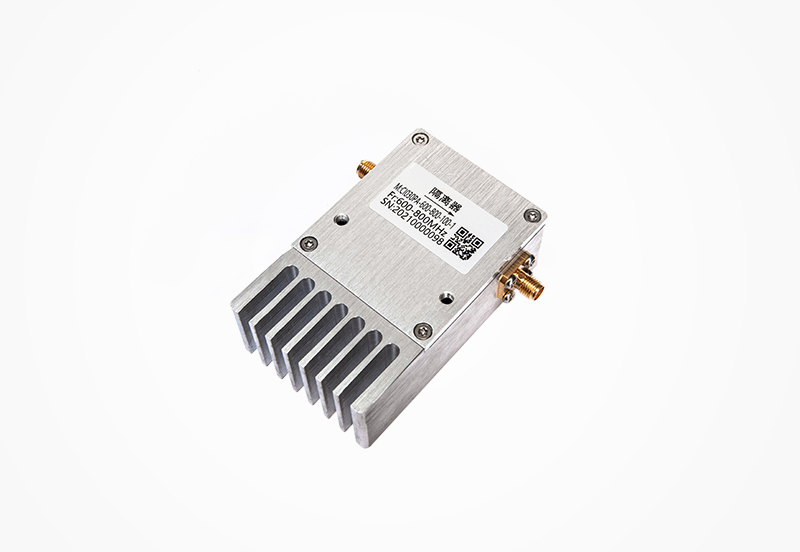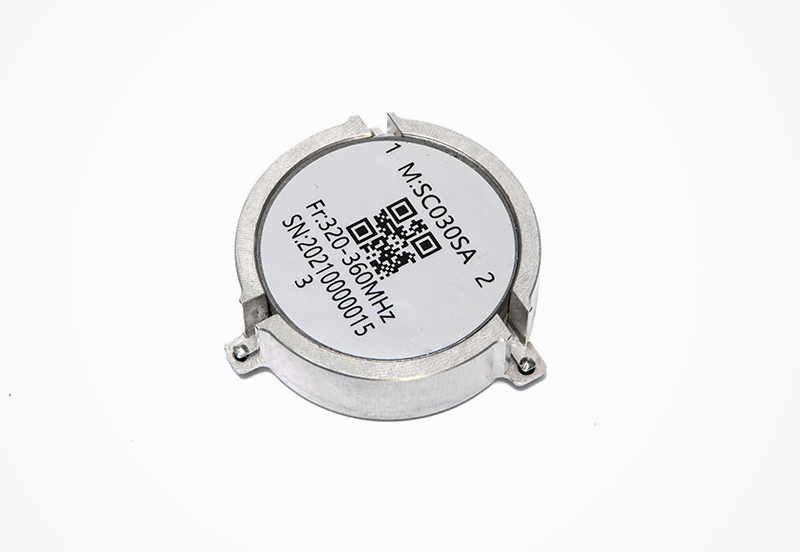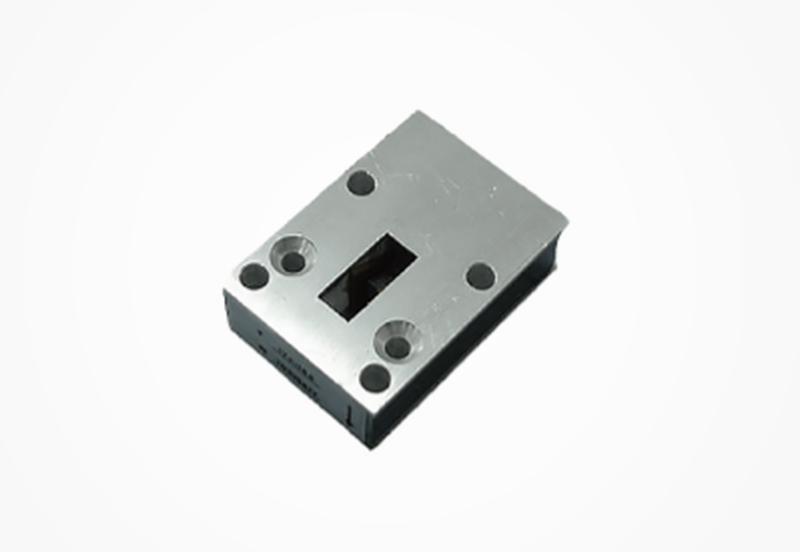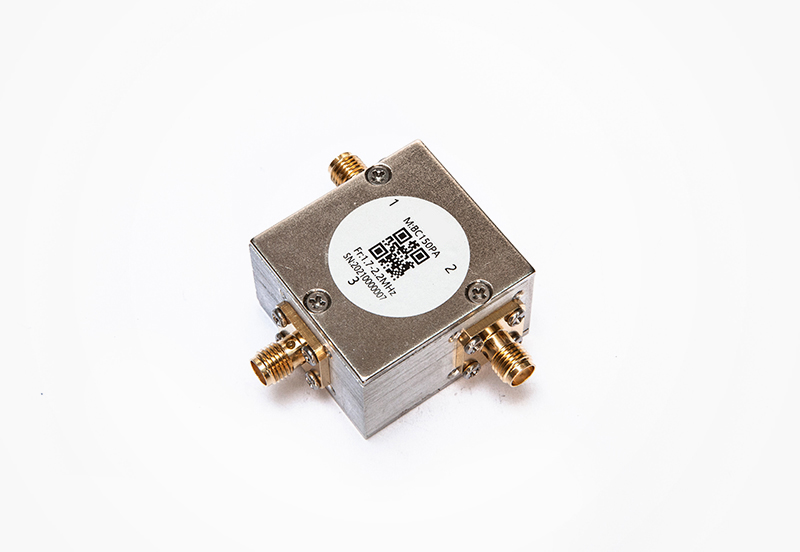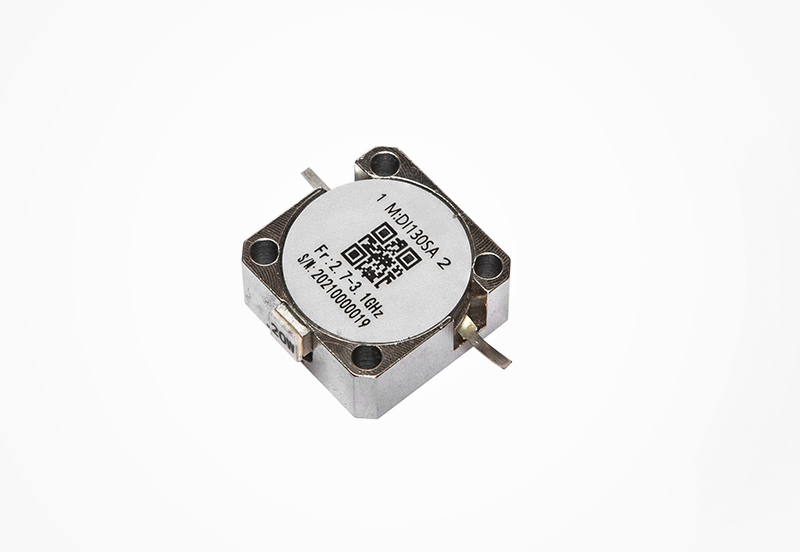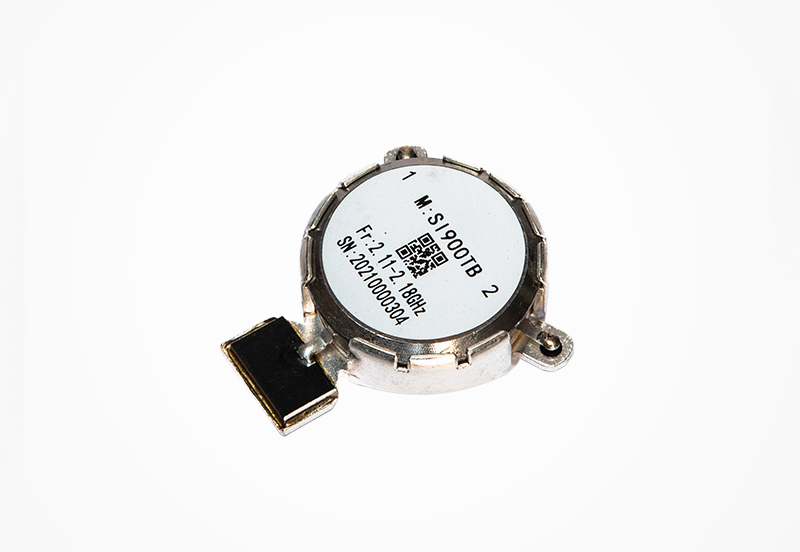




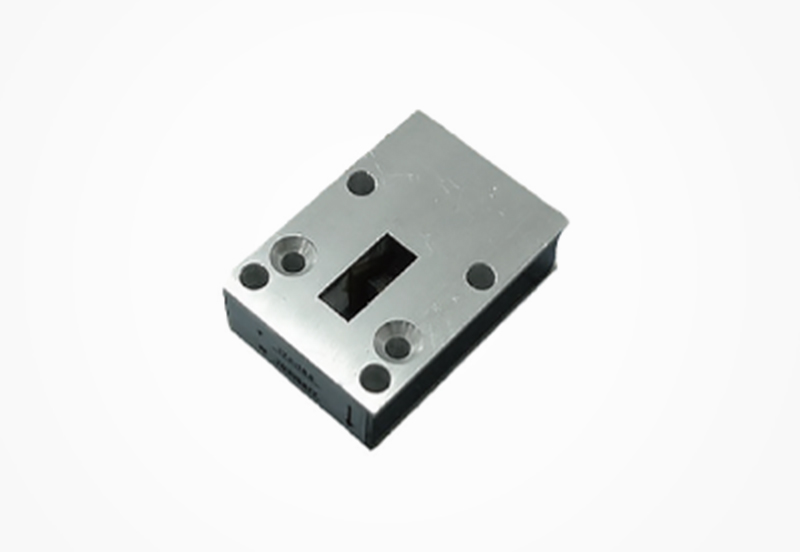
5G sub6GHz RF isolators are indispensable passive core components for modern telecom base stations, specially optimized for the mainstream sub6GHz frequency bands that dominate global 5G commercial deployment, including 3.3GHz to 3.8GHz n78 band, 4.8GHz to 5.0GHz n79 band, and low-frequency n41 and n71 bands. Based on the ferrite Faraday rotation effect, these non-reciprocal two-port devices achieve unidirectional transmission of RF signals, effectively solving the signal interference and equipment damage problems caused by reverse signal reflection in 5G base station systems. Unlike traditional 4G isolators, 5G sub6GHz isolators are designed to adapt to massive MIMO technology, which features dense multi-channel antenna arrays ranging from 64 ports to 256 ports, putting forward higher requirements for miniaturization, low loss and high isolation performance.
In the internal structure of 5G base stations, sub6GHz RF isolators are mainly installed at the output end of power amplifiers and between radio frequency units and antennas, undertaking two core protection and signal optimization functions. First, they can completely block reverse reflected signals generated by antenna mismatch, connector aging and radome environmental changes, preventing high-power reflected signals from impacting and burning out expensive power amplifier modules, which are the core power supply units of base station signal transmission. Second, these isolators effectively isolate crosstalk between adjacent transmitting and receiving channels in multi-antenna arrays, eliminate signal self-interference, and ensure the stability and purity of forward transmission signals, laying a foundation for 5G base stations to achieve low latency, high bandwidth and large-capacity signal coverage.
Practical application scenarios of sub6GHz RF isolators cover macro base stations, micro base stations and active antenna units widely used in urban 5G networking. They strictly comply with telecom industry environmental standards, supporting stable operation in a wide temperature range of -40°C to 85°C, adapting to complex outdoor environments such as high temperature, low temperature and humidity changes. In terms of key performance parameters, qualified products feature insertion loss lower than 0.25dB and isolation higher than 28dB, with compact size suitable for narrow installation spaces of base station equipment. With the large-scale construction of 5G networks and the continuous upgrading of base station capacity, high-performance sub6GHz RF isolators have become a key guarantee to improve base station operation stability, reduce maintenance failure rate and extend equipment service life.

Contact Phone:
0755-26701085 0755-26701002
Company Address :2nd Floor, Building A, Juchuang Jingu Creative Park, Xili Street, Nanshan District, Shenzhen