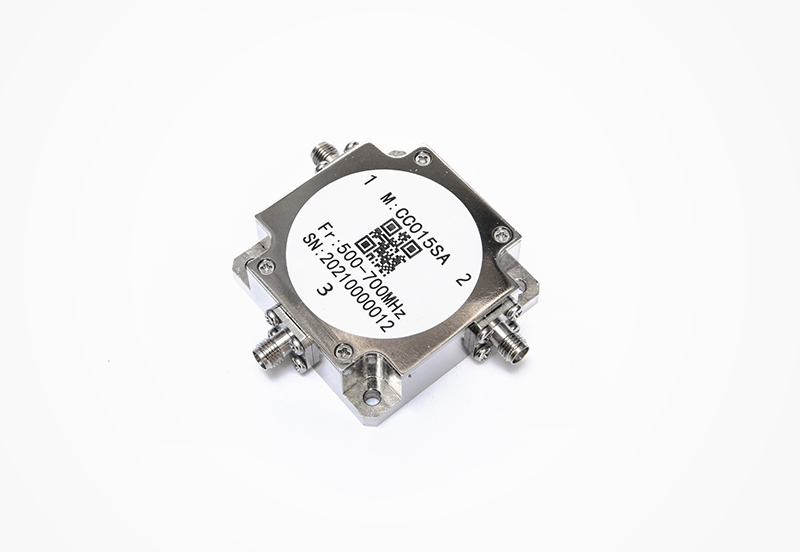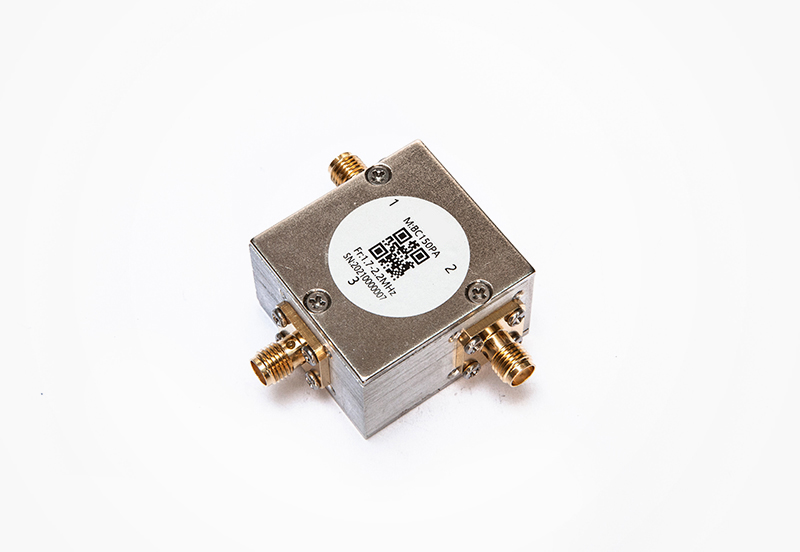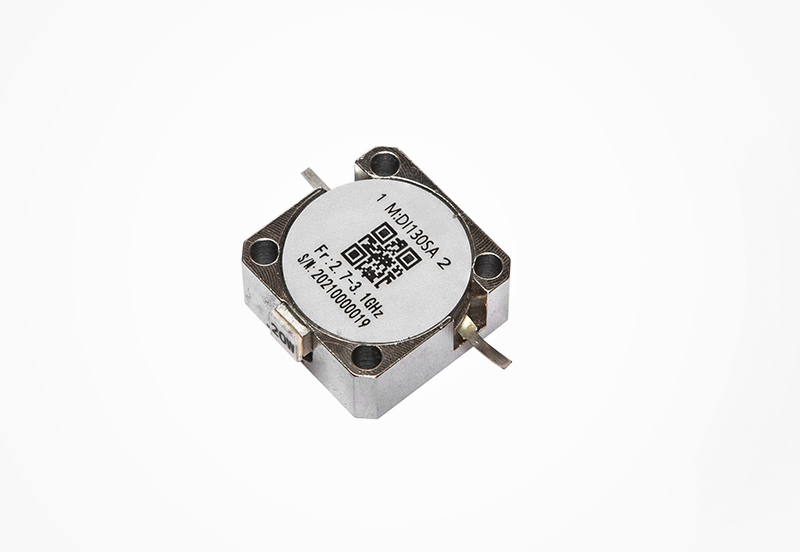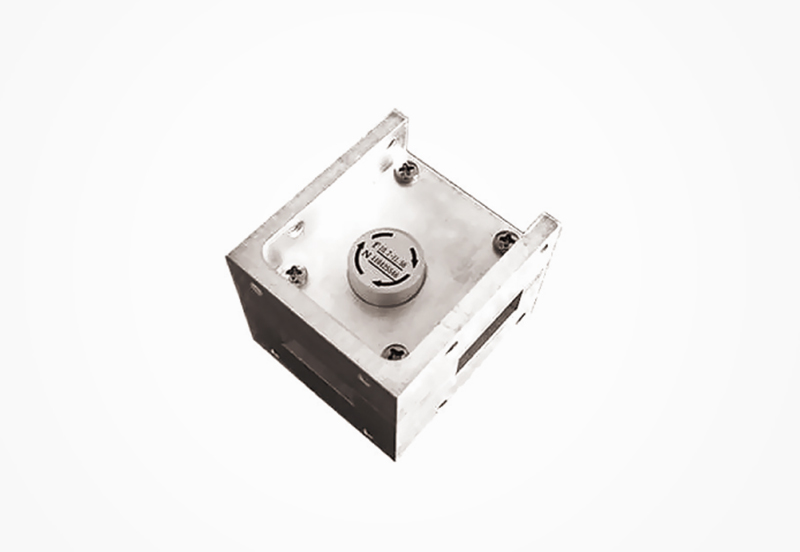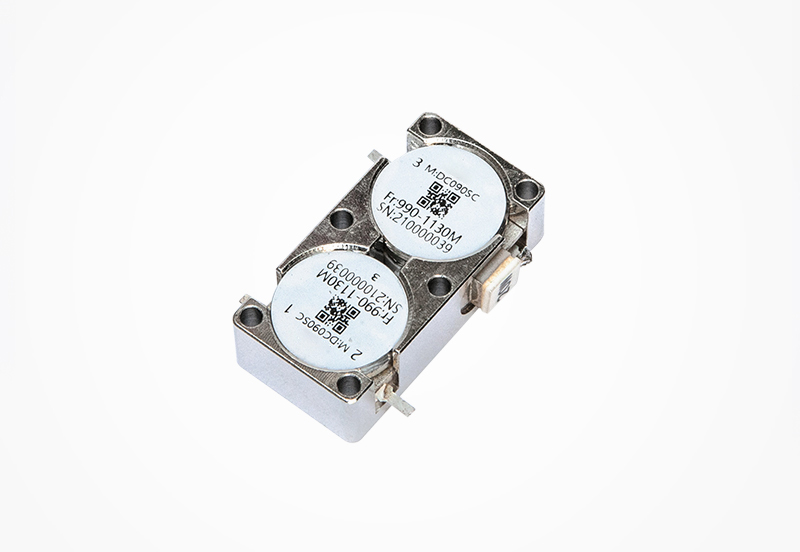




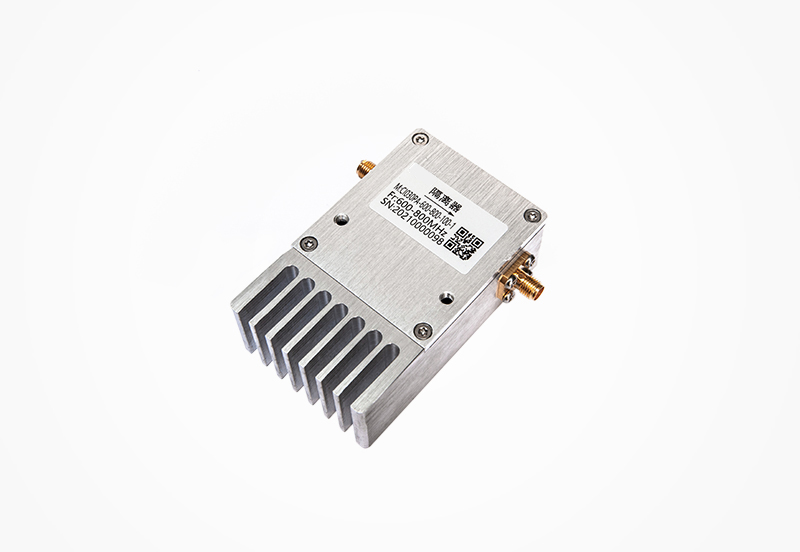
Modern indoor signal booster systems rely heavily on high-performance RF isolator components to maintain stable and reliable wireless signal transmission in complex indoor electromagnetic environments. As a core built-in passive component, the RF isolator is specially integrated into indoor signal boosters to solve common signal interference and signal backflow problems in indoor coverage scenarios. Different from external isolation devices, the built-in design optimizes the internal circuit layout of the booster, saves installation space, and realizes seamless matching with signal amplification modules, which greatly improves the overall integration and operational stability of the equipment. It is widely applicable to indoor signal coverage of 4G, 5G, and Wi-Fi networks in shopping malls, office buildings, residential communities, and underground garages.
The core working principle of the built-in RF isolator in indoor signal boosters is unidirectional signal transmission. The component allows amplified radio frequency signals to radiate outward normally through the antenna, while strictly blocking reverse signal backflow and reflected signals generated by load mismatch, antenna impedance changes, and indoor multipath reflection. In the process of indoor signal enhancement, signal boosters often face unstable load conditions caused by different indoor structures and terminal distribution. Without an integrated RF isolator, reverse reflected signals will impact the power amplification circuit of the booster, cause signal distortion, gain attenuation, and even lead to equipment overheating and automatic shutdown in severe cases.
In practical application performance, the built-in RF isolator brings multiple key optimizations to indoor signal boosters. First, it effectively improves the signal purity of the output terminal, eliminates co-channel interference and harmonic interference caused by signal backflow, and makes indoor network signal coverage more uniform. Second, it protects the core amplification chip and circuit module of the booster, reduces equipment failure rates, and extends the service life of signal boosting equipment. In addition, the miniaturized and low-power design of the dedicated built-in isolator adapts to the lightweight and low-energy consumption development trend of modern indoor signal boosters, ensuring that the equipment can operate stably for a long time in 24-hour uninterrupted working conditions, and significantly improving the user experience of indoor wireless network access.


Contact Phone:
0755-26701085 0755-26701002
Company Address :2nd Floor, Building A, Juchuang Jingu Creative Park, Xili Street, Nanshan District, Shenzhen