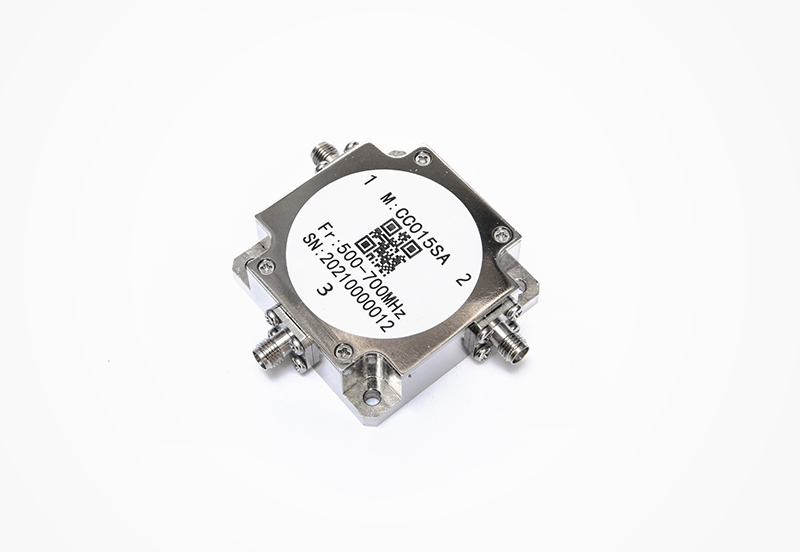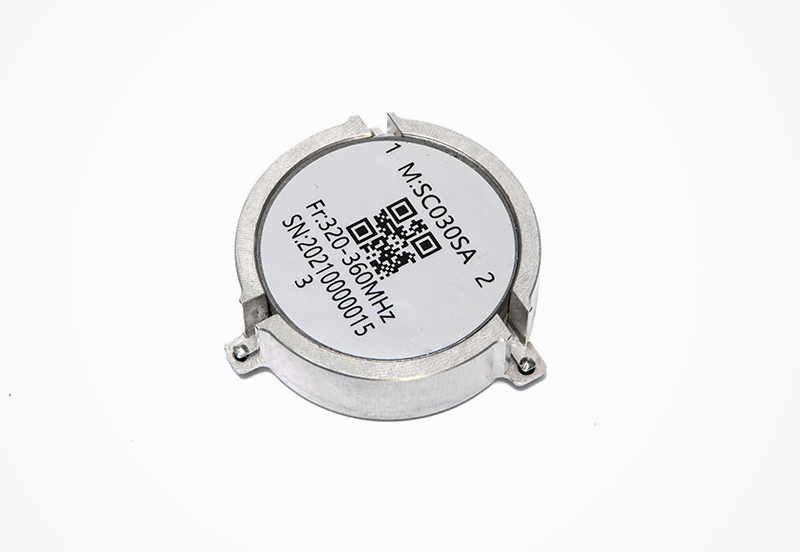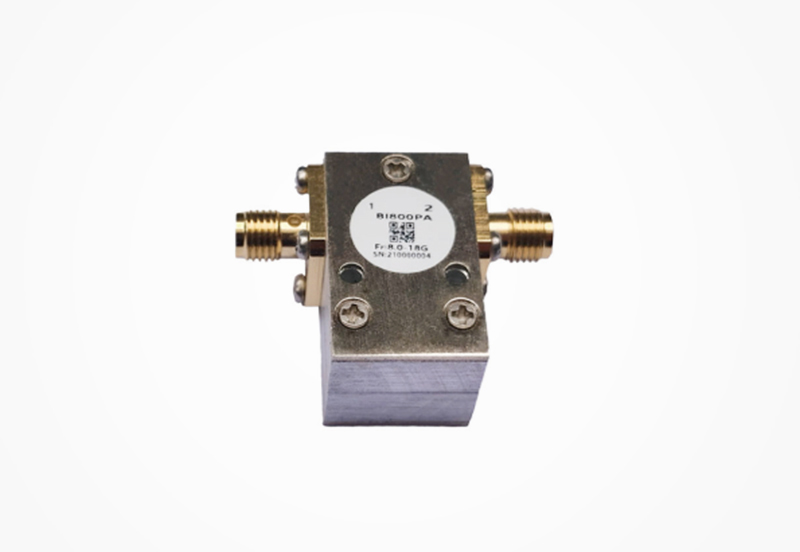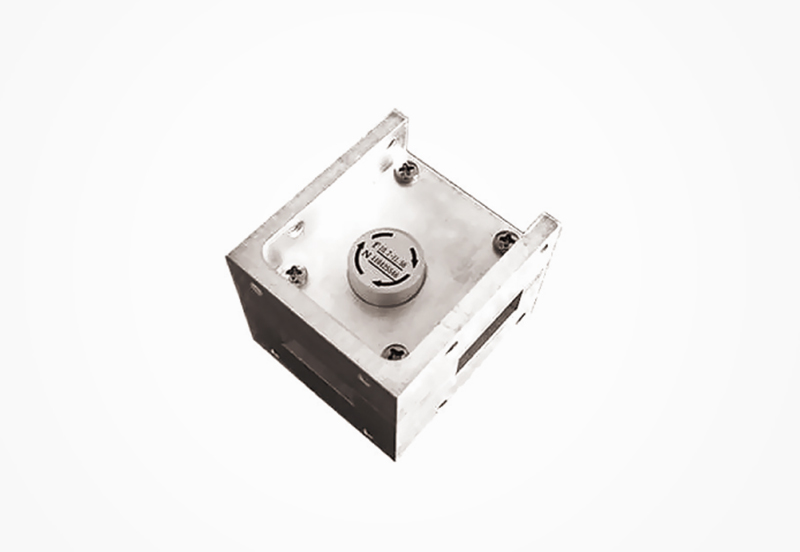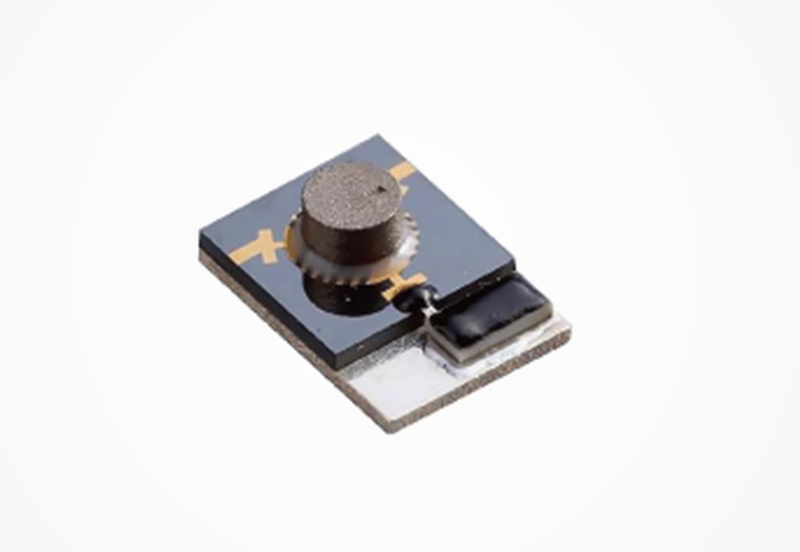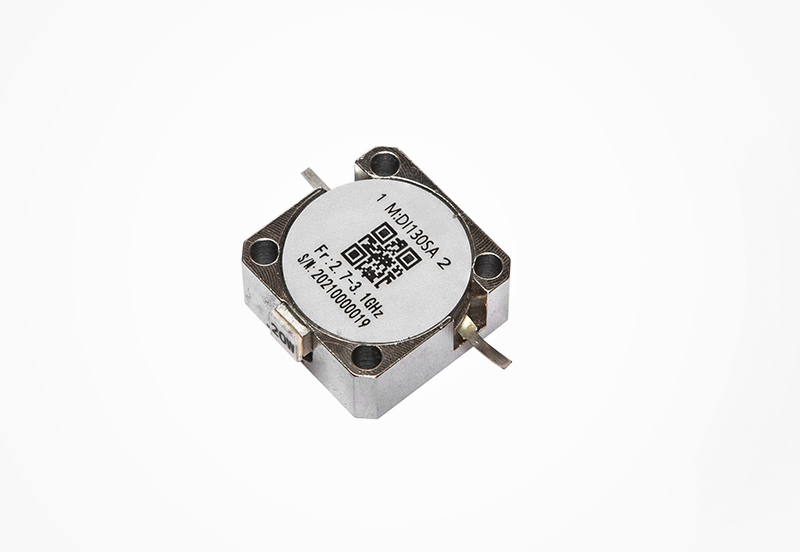




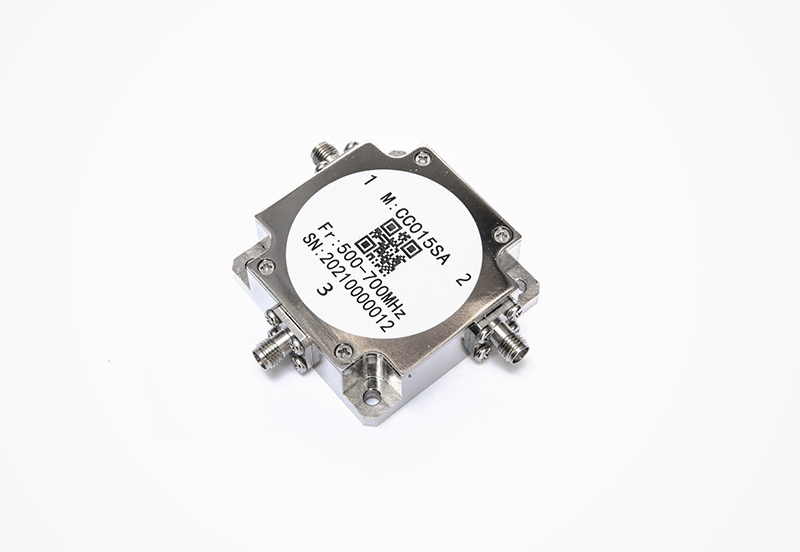
Coaxial circulators and microstrip circulators are two dominant non-reciprocal ferrite devices widely deployed in modern RF and microwave systems, yet they differ fundamentally in structural design, electrical performance, mechanical characteristics, and application scenarios. As core components for signal isolation and unidirectional transmission, both devices rely on the magnetization effect of ferrite materials to break electromagnetic reciprocity, but their packaging and circuit integration architectures lead to distinct performance trade-offs. Microstrip circulators adopt planar PCB or ceramic substrate structures, with compact planar ferrite junctions and surface-mounted magnetic biasing components, featuring ultra-small footprint and lightweight design. In contrast, coaxial circulators utilize three-dimensional coaxial connectorized packaging, with enclosed ferrite cavities and independent magnetic bias systems, forming a more robust and structurally stable electromagnetic transmission environment. This essential structural difference determines their differentiation in power handling, insertion loss, environmental adaptability, and system integration efficiency.
In terms of electrical performance, coaxial circulators deliver superior comprehensive RF characteristics compared to microstrip counterparts. Coaxial circulators typically achieve insertion loss ranging from 0.25 dB to 0.7 dB across broadband frequencies, with isolation performance reaching 20 dB to 30 dB and VSWR controlled below 1.25, ensuring extremely low signal attenuation and excellent signal isolation capability. Their fully enclosed coaxial transmission structure effectively suppresses electromagnetic leakage and stray signal interference, maintaining stable electrical performance under complex electromagnetic environments. Microstrip circulators, restricted by planar open structure, suffer from higher insertion loss of 0.4 dB to 1.2 dB and relatively lower isolation of 18 dB to 25 dB, with VSWR fluctuating between 1.5 and 1.8. Additionally, microstrip structures are more susceptible to parasitic capacitance and inductance effects at high frequencies, leading to slight frequency offset and performance degradation in millimeter-wave bands, while coaxial circulators maintain consistent broadband stability from VHF band to Ka-band.
Mechanical integration and environmental adaptability further distinguish the two circulator types. Microstrip circulators are designed for PCB surface mounting, supporting large-scale batch integration and miniaturized module development, making them ideal for compact devices such as 5G remote radio units, small cellular base stations, and portable wireless terminals. Their lightweight and ultra-thin features effectively reduce system volume and cost, meeting the miniaturization and lightweight development trends of modern communication equipment. However, their open planar structure results in poor heat dissipation and low structural rigidity, making them vulnerable to performance drift under high temperature, strong vibration, and high-power operating conditions. Coaxial circulators, with metal enclosed packaging and independent heat dissipation structures, possess excellent mechanical shock resistance, vibration stability, and thermal tolerance. Although they are larger and heavier and incompatible with high-density PCB integration, they excel in high-power radar systems, satellite communication equipment, and outdoor high-reliability RF systems that prioritize stability and power tolerance.
In practical engineering selection, the core trade-off lies in balancing integration density and performance reliability. Microstrip circulators are the preferred choice for civilian compact communication systems with medium and low power requirements, limited installation space, and cost-sensitive scenarios, providing high-cost-performance miniaturized isolation solutions. Coaxial circulators are irreplaceable in military radar, aerospace communication, and high-power test and measurement systems that demand low loss, high isolation, and extreme environmental adaptability. With the development of modern RF technology, microstrip circulators are being optimized for thermal stability and high-frequency performance, while coaxial circulators are gradually developing toward miniaturization and lightweight, narrowing the performance gap between the two and expanding their respective application boundaries.


Contact Phone:
0755-26701085 0755-26701002
Company Address :2nd Floor, Building A, Juchuang Jingu Creative Park, Xili Street, Nanshan District, Shenzhen