






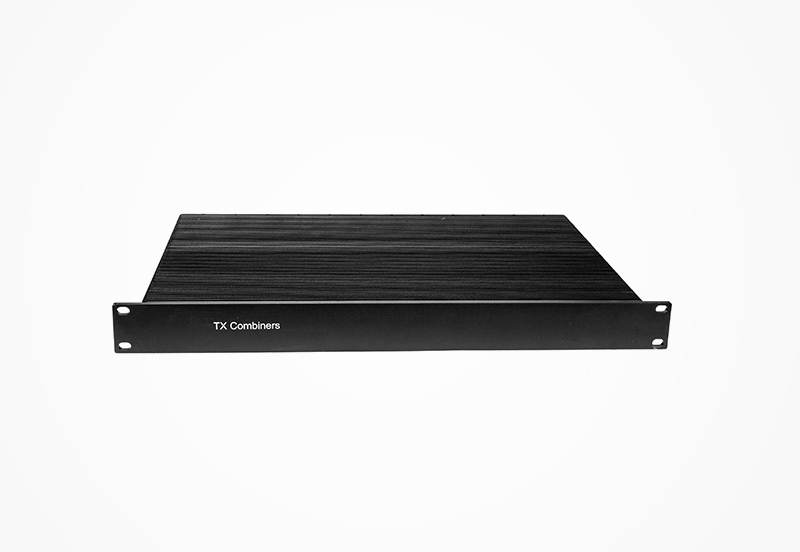
1. Port isolation: 25 dB between RX-RX, 50 dB between ANT-TX, and 70 dB between TX-TX. 2. Voltage Standing Wave Ratio (VSWR): 1.3 at the antenna end, 1.25 at the receive/transmit end; 3. Built-in cavity duplexer, with transceiver isolation greater than 85 dB; 4
contact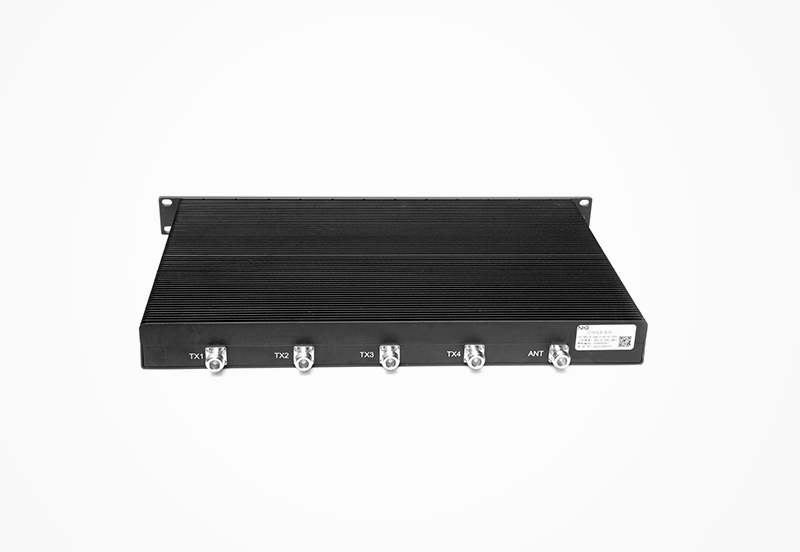
The UHF transmission system is a device used for antenna feeding systems. It can combine multiple RF signals from channel devices into a single signal, which is then transmitted to the antenna. This transmission system adopts an efficient heat dissipation design, with all components integrated on the heat sink, thereby effectively enhancing heat dissipation.
contact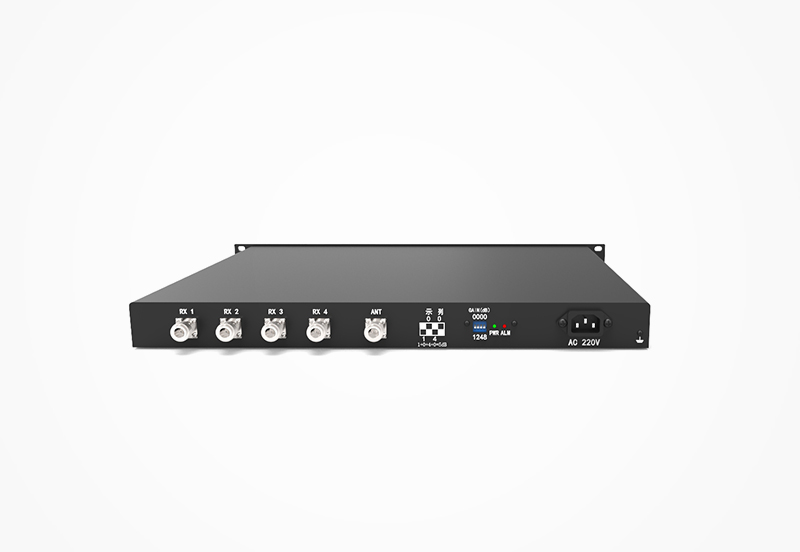
The VHF receiving system is a device capable of decomposing the RF signals received in the antenna feed system into multiple signals. 1. Port isolation: RX-RX ≥ 25dB; 2. Built-in helical filter, noise isolation effect ≥ 65 dB; 3. Gain adjustment: adjustable via 1/2/4/
contact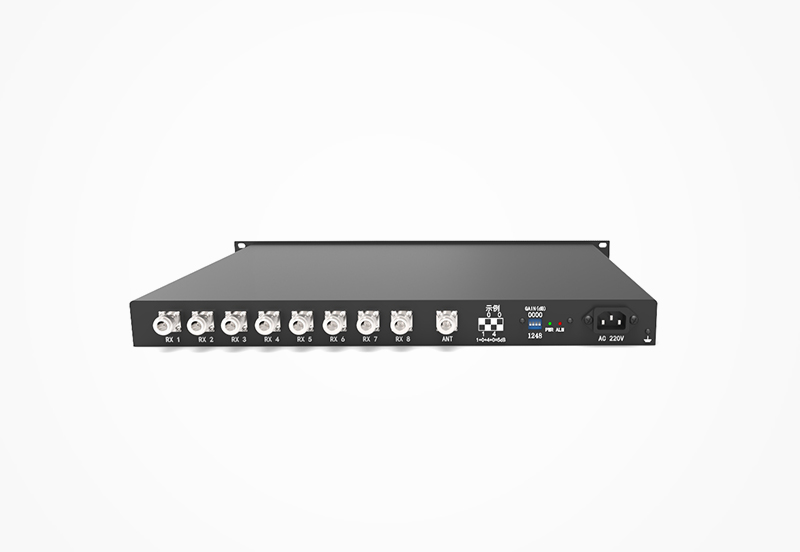
The UHF receiving system is a device capable of decomposing the radio frequency signals received by the antenna in the antenna feed system into multiple signals. 1. Port isolation: Isolation from RX port to RX port ≥ 25 dB; 2. Built-in helical filter, noise isolation effect ≥ 75 dB; 3. Gain adjustment: Can
contact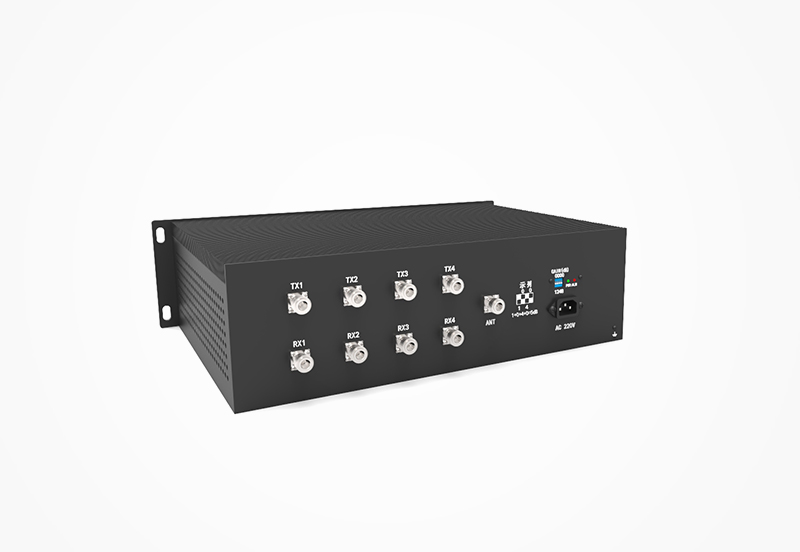
1. Port isolation: 25 dB between RX-RX, 50 dB between ANT-TX, and 70 dB between TX-TX. 2. VSWR values: 1.3 at the antenna end; 1.25 at the receiving/transmitting end. 3. Built-in helical duplexer, with transceiver isolation exceeding 65 dB.
contact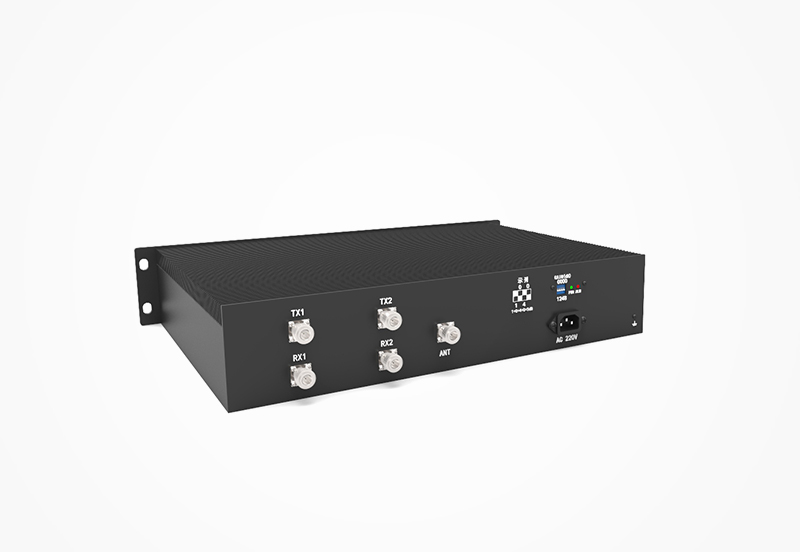
1. Port isolation: 25 dB between RX-RX, 50 dB between ANT-TX, and 70 dB between TX-TX. 2. Voltage Standing Wave Ratio (VSWR): 1.3 at the antenna end, 1.25 at the receive/transmit end; 3. Built-in cavity duplexer, with transceiver isolation greater than 85 dB; 4
contact

Contact Phone:
0755-26701085 0755-26701002
Company Address :2nd Floor, Building A, Juchuang Jingu Creative Park, Xili Street, Nanshan District, Shenzhen