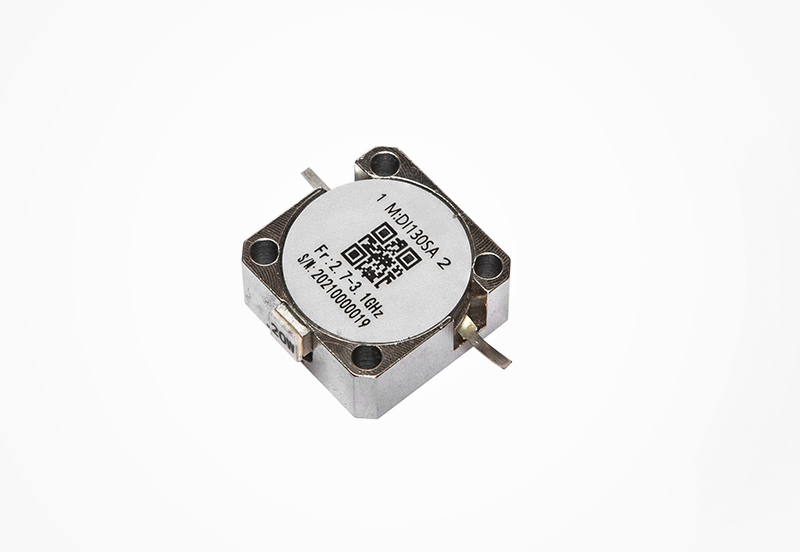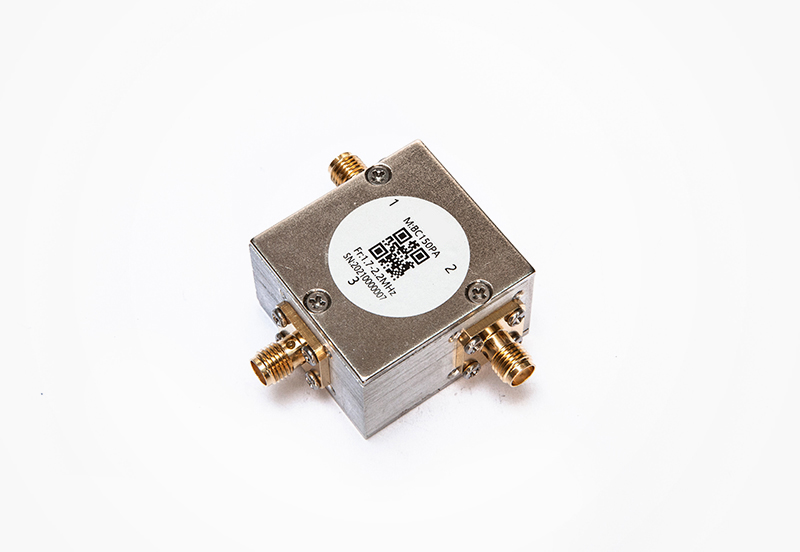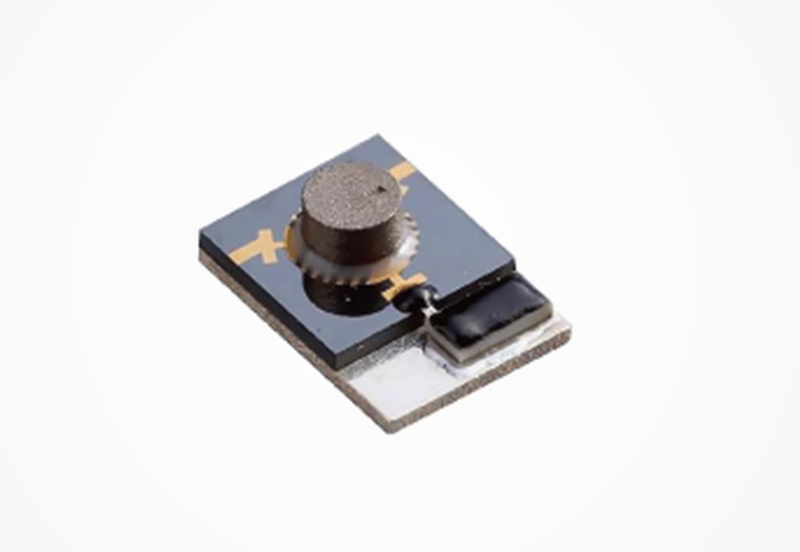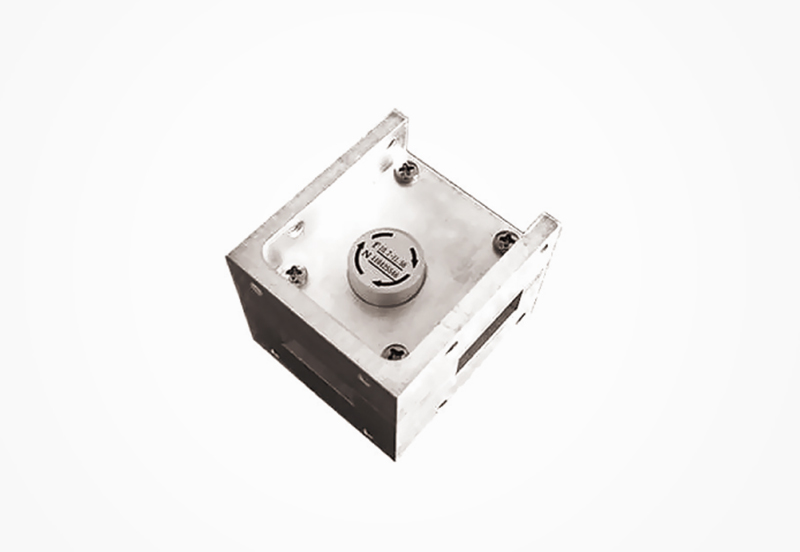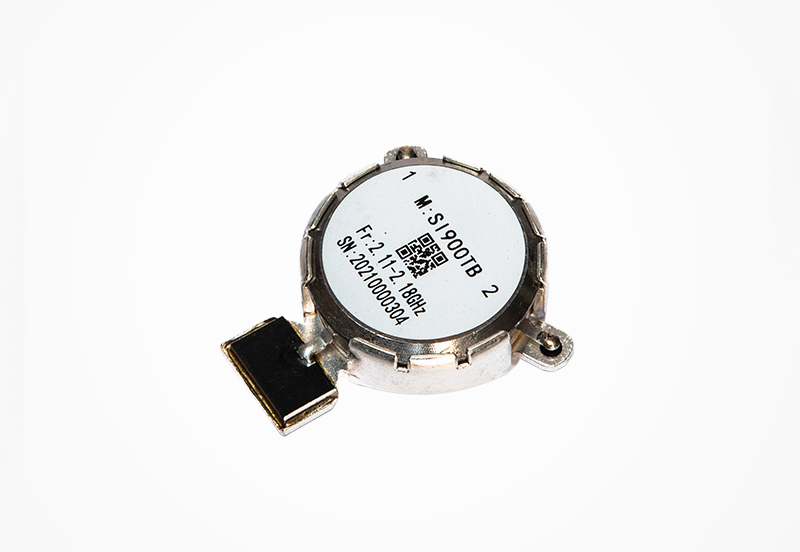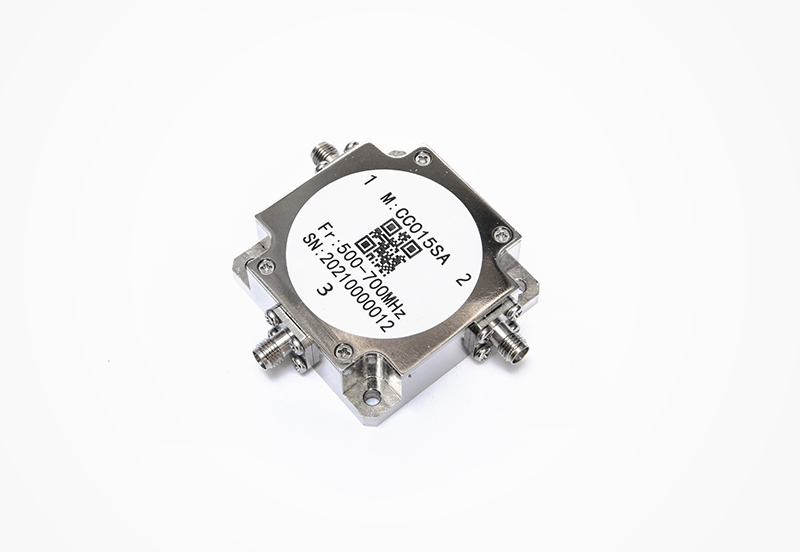




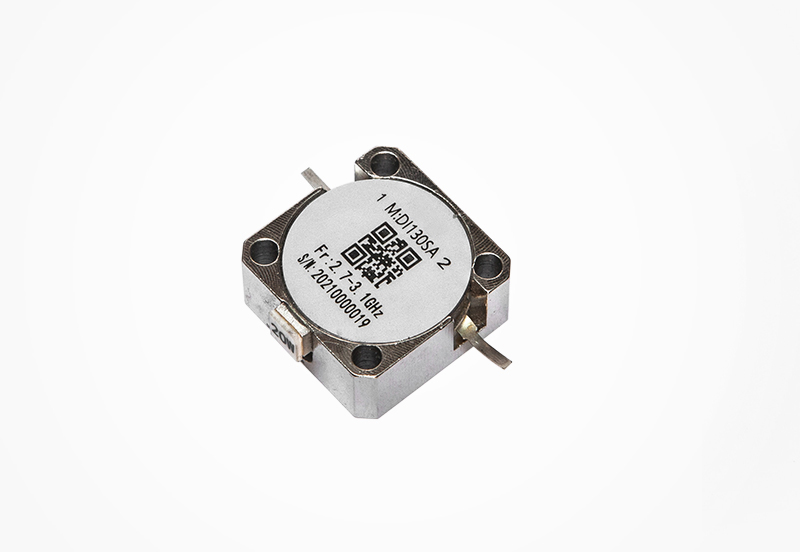
Insertion phase stability over temperature is a core performance metric for radio frequency (RF) isolators, defining the consistency of signal phase shift introduced by the component across varying operating temperature ranges. In precision RF systems, even minor phase fluctuations can degrade overall signal integrity, disrupt phase matching, and compromise the accuracy of signal transmission and processing. Unlike passive resistors and capacitors, RF isolators rely on ferrite material magnetization and non-reciprocal electromagnetic field coupling to achieve unidirectional signal transmission, making their phase characteristics highly sensitive to ambient temperature changes. Temperature variations directly affect the magnetic permeability, saturation magnetization, and dielectric constant of ferrite materials, which in turn alter the electromagnetic coupling state inside the isolator and cause drift in insertion phase values. For high-precision industrial, aerospace, and communication applications, maintaining ultra-low phase drift across wide temperature fluctuations is essential to ensure long-term stable system operation.
The primary cause of temperature-induced phase instability lies in the inherent temperature coefficients of ferrite materials and structural thermal deformation. As temperature rises, the saturation magnetization of ferrite materials decreases gradually, weakening the non-reciprocal rotation effect of electromagnetic waves and leading to forward phase lag. Conversely, low-temperature environments increase material magnetization strength, causing phase advance and inconsistent phase response. In addition, the metal shell, ceramic substrate, and internal matching circuit of the isolator have different thermal expansion coefficients. Long-term temperature cycling will produce tiny structural deformation, changing the resonant frequency and impedance matching state of the internal cavity, further exacerbating insertion phase drift. Uncontrolled phase drift will lead to phase distortion of multi-channel synthesized signals, reduce the beamforming accuracy of phased array systems, and cause signal demodulation errors in high-speed communication systems, seriously restricting the reliability of precision RF equipment.
To optimize insertion phase stability over temperature, modern high-performance isolators adopt material optimization, structural compensation, and precision calibration technologies. Manufacturers select high-temperature-stable garnet ferrite materials with low temperature coefficients of magnetization, which can effectively suppress the fluctuation of magnetic properties in the temperature range of -40℃ to +85℃, the mainstream operating range of industrial equipment. At the structural level, integrated rigid packaging and symmetric thermal expansion design are adopted to balance the thermal deformation of internal components and eliminate phase deviation caused by structural stress. Meanwhile, precision impedance matching circuit design and temperature adaptive calibration technology are used to offset material and structural phase drift. After strict temperature cycling and aging tests, optimized isolators can achieve insertion phase drift less than ±2° across the full temperature range, meeting the stringent stability requirements of precision measurement, satellite communication, and radar detection systems.
Temperature-related insertion phase stability also determines the environmental adaptability and service life of RF systems. In outdoor and vehicle-mounted equipment that faces extreme temperature changes, unstable phase characteristics will lead to gradual system performance degradation and increased failure rates. High-stability isolators with excellent temperature phase consistency can eliminate the need for frequent system phase calibration, reduce equipment maintenance costs, and improve the continuous operation capability of RF systems in complex thermal environments. Therefore, insertion phase stability over temperature has become a key indicator for screening high-reliability isolators and an important guarantee for the long-term stable operation of high-precision RF electronic systems.


Contact Phone:
0755-26701085 0755-26701002
Company Address :2nd Floor, Building A, Juchuang Jingu Creative Park, Xili Street, Nanshan District, Shenzhen