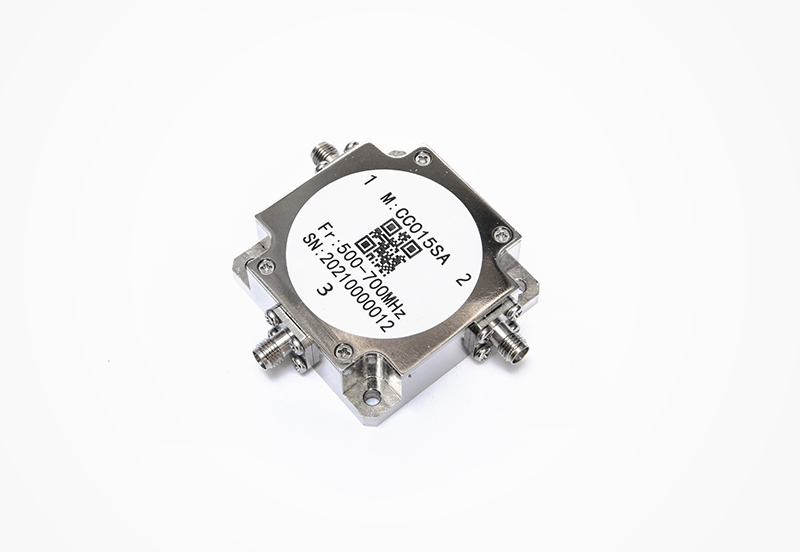




Voltage Standing Wave Ratio (VSWR) mismatch is one of the most dominant failure causes for RF power amplifiers (PAs) in wireless communication, radar, and microwave test systems. A high VSWR value typically originates from antenna aging, cable damage, outdoor radome water accumulation, or sudden load impedance deviation, which generates massive reflected RF power flowing backward to the amplifier output terminal. Conventional amplifier protection circuits relying on electronic sensing and power cut-off have inherent response delay, making them ineffective against instantaneous high-power reflected surges. As a passive non-reciprocal ferrite component, the RF isolator delivers real-time, zero-delay VSWR protection for RF amplifiers, becoming the core front-end protection component for narrowband and wideband PA modules across sub-6GHz and millimeter-wave bands. Standard application-grade isolators support safe amplifier operation under worst-case 5:1 VSWR full mismatch conditions, which far exceeds the withstand limit of bare transistor power stages.
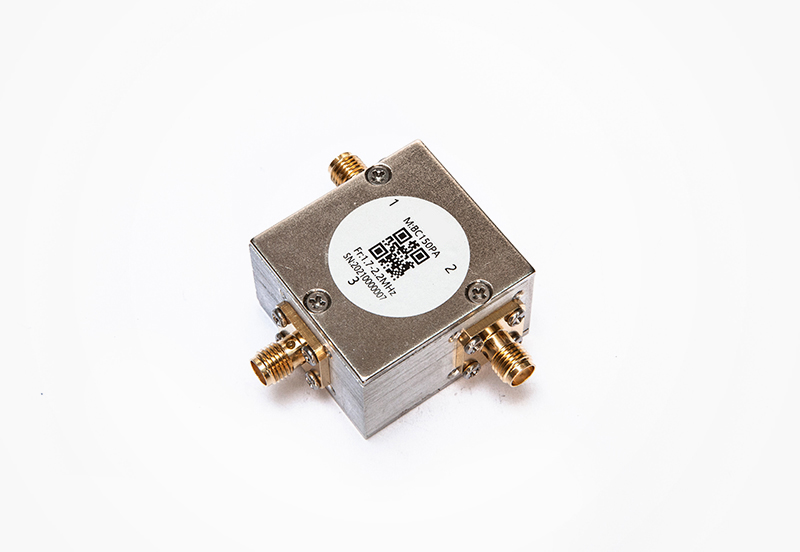
The core protection logic relies on the three-port circulator-derived structure of standard RF isolators. The component integrates a magnetized ferrite core and a built-in 50Ω matched resistive termination. Forward transmission signals from the amplifier output to the antenna pass through the ferrite channel with ultra-low insertion loss, usually less than 0.3dB for coaxial models, ensuring no attenuation of effective transmit power. Once impedance mismatch occurs and reverse reflected power enters the isolator output port, the Faraday rotation effect changes the electromagnetic polarization direction of reverse waves, redirecting all backward energy to the built-in matched load instead of feeding back to the amplifier transistor. This directional power isolation cuts off the reverse oscillation loop fundamentally, avoiding drain-source voltage spikes, thermal runaway, and gain collapse inside gallium nitride (GaN) and LDMOS amplifier chips.
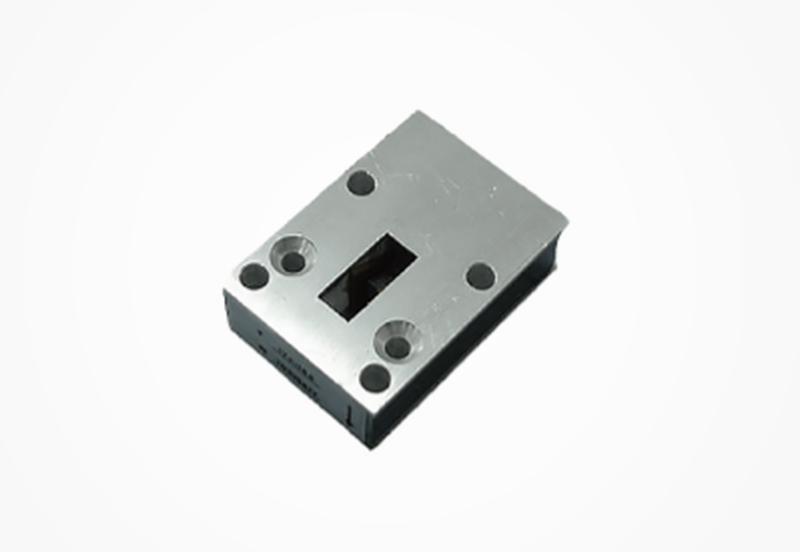
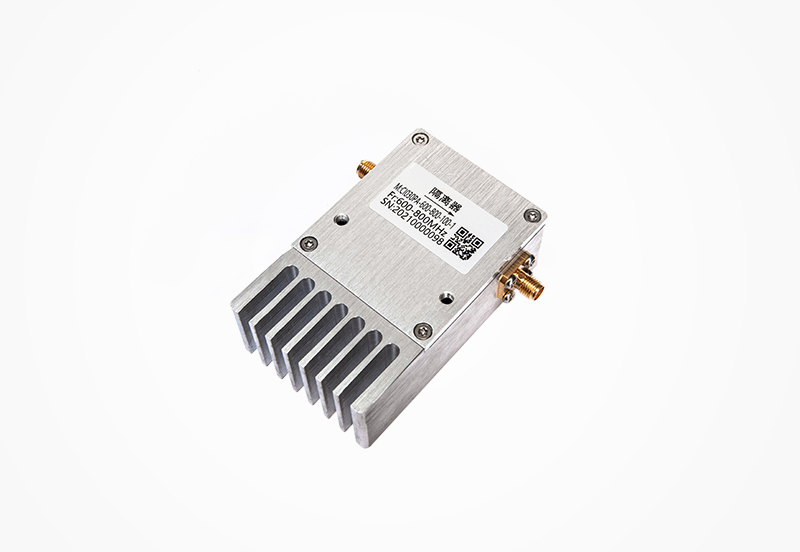
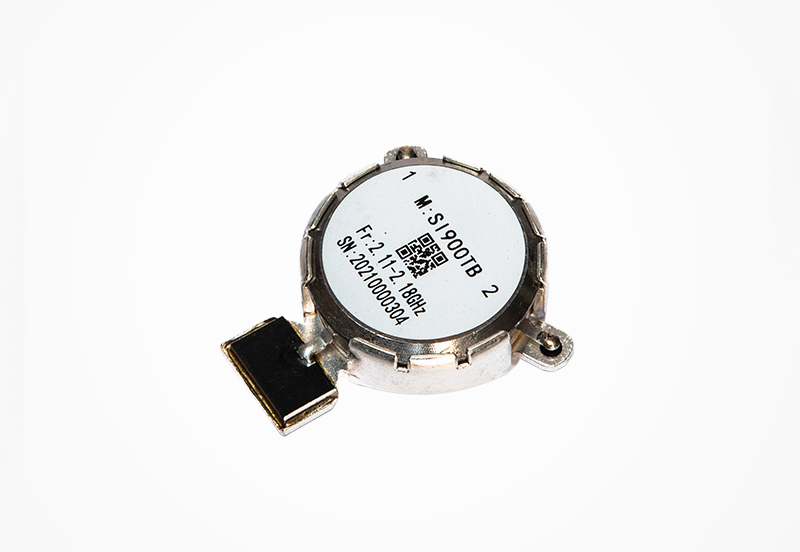
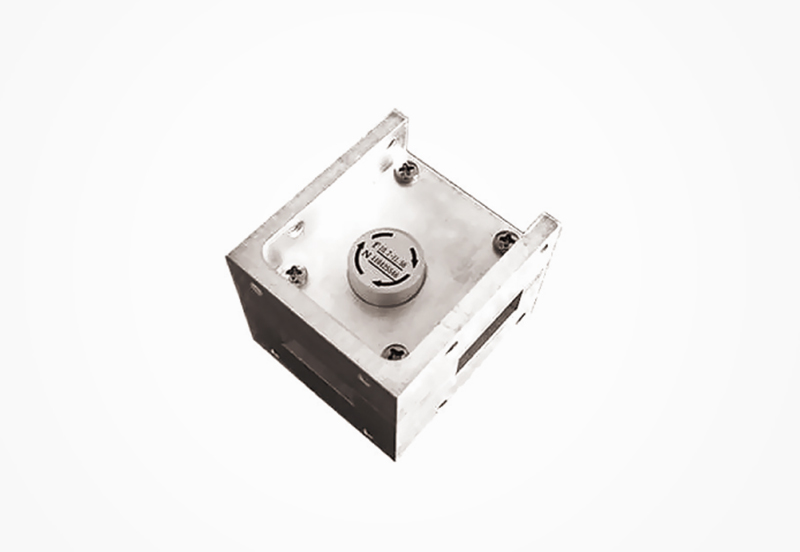
Different graded isolators are customized for low-power driver amplifiers and high-power final-stage amplifiers to optimize VSWR protection performance. Low-power SMT isolators for small-cell PA modules feature compact footprints and 20dB minimum reverse isolation, protecting chips against daily minor impedance fluctuations. High-power waveguide isolators for macro base station main amplifiers adopt heat-dissipation enhanced termination structures, enduring continuous reflected power dissipation under 3.5:1 permanent VSWR mismatch. Compared with active VSWR protection relays, RF isolators require no external power supply, no software debugging, and maintain stable protection performance under -40℃ to +85℃ industrial temperature ranges. Long-term field data proves that adding a matched isolator reduces amplifier field failure rate caused by VSWR mismatch by more than 92%, extending the service life of high-cost PA chips by 3 to 5 years.
System matching parameters are critical to maximize VSWR protection efficiency. Engineers must match the isolator operating frequency, average power rating, and port VSWR with amplifier output specifications. It is forbidden to deploy isolators with poor intrinsic port matching, as secondary reflection from the isolator itself will generate new standing waves. Modern intelligent isolators add built-in temperature sensing functions to monitor heat accumulation of reverse power absorption, realizing early warning for extreme VSWR faults while maintaining passive protection advantages. This integrated design adapts to high-density integrated PA architectures used in 5G massive MIMO and aerospace communication systems.


Contact Phone:
0755-26701085 0755-26701002
Company Address :2nd Floor, Building A, Juchuang Jingu Creative Park, Xili Street, Nanshan District, Shenzhen