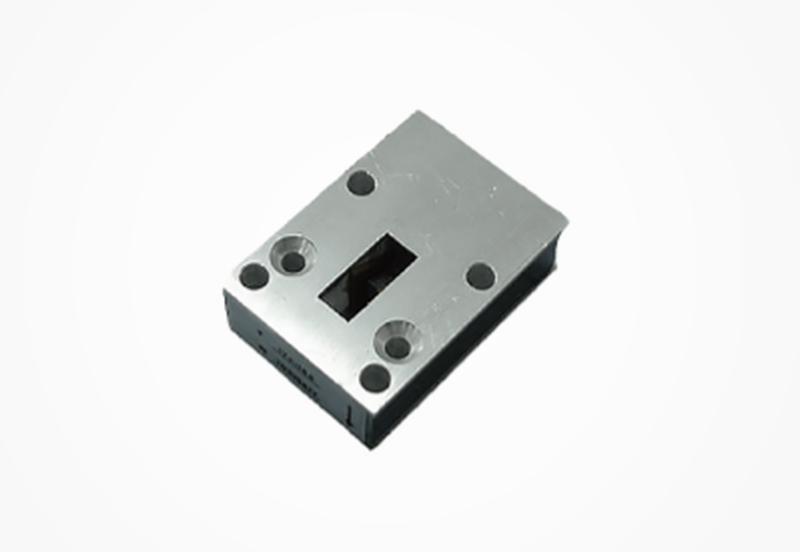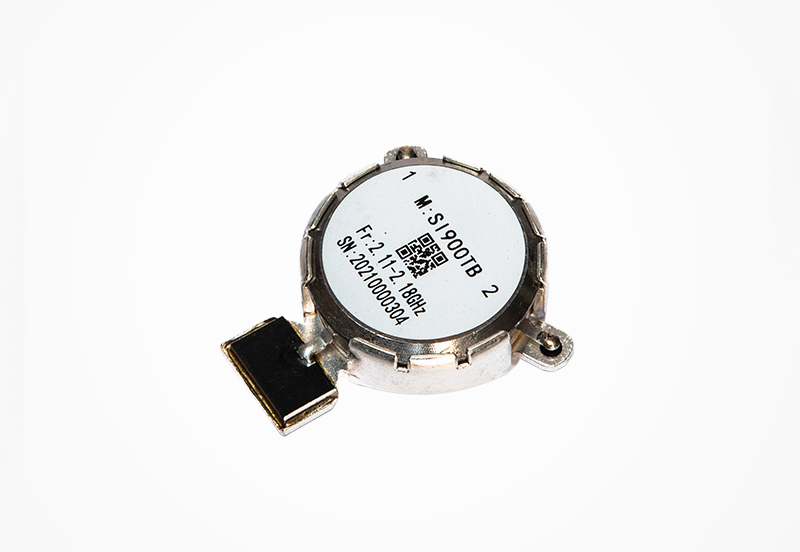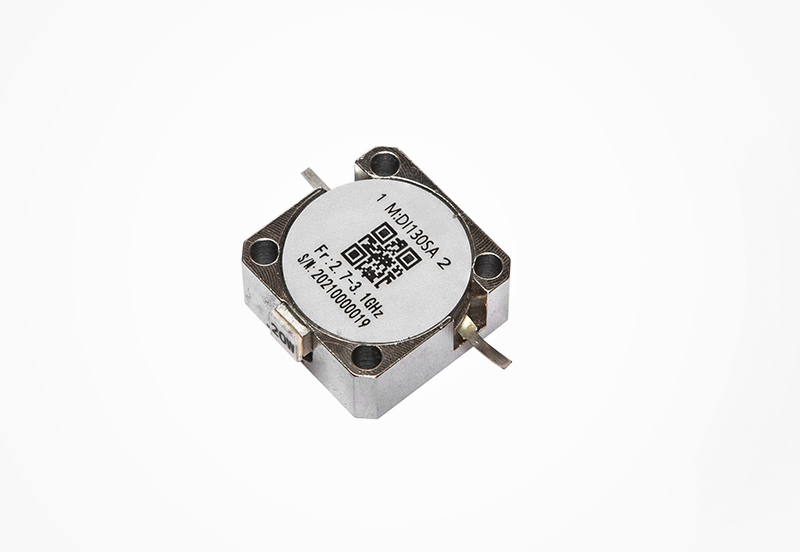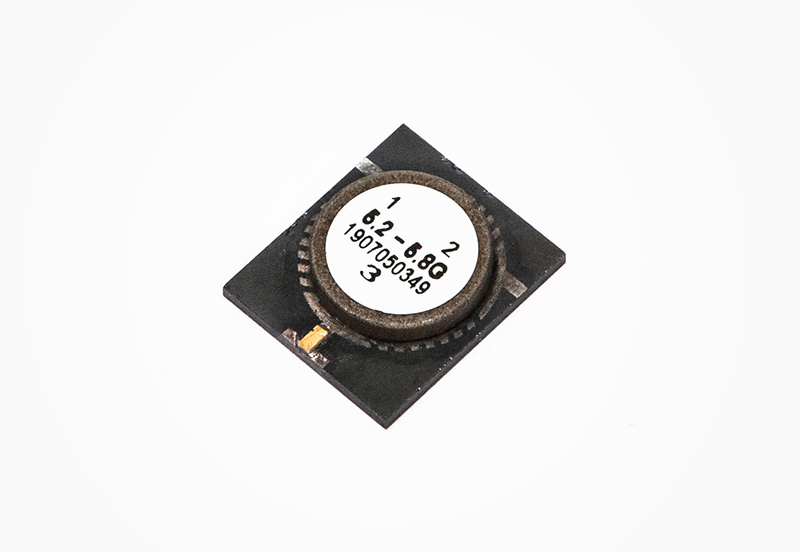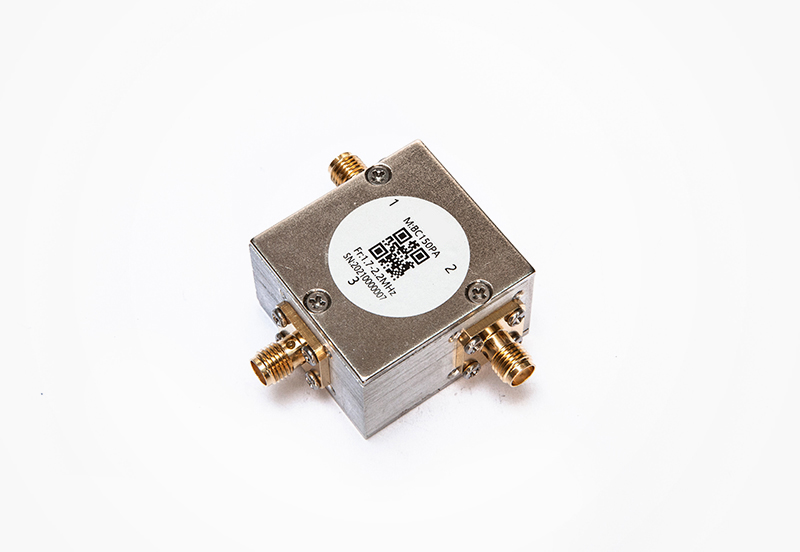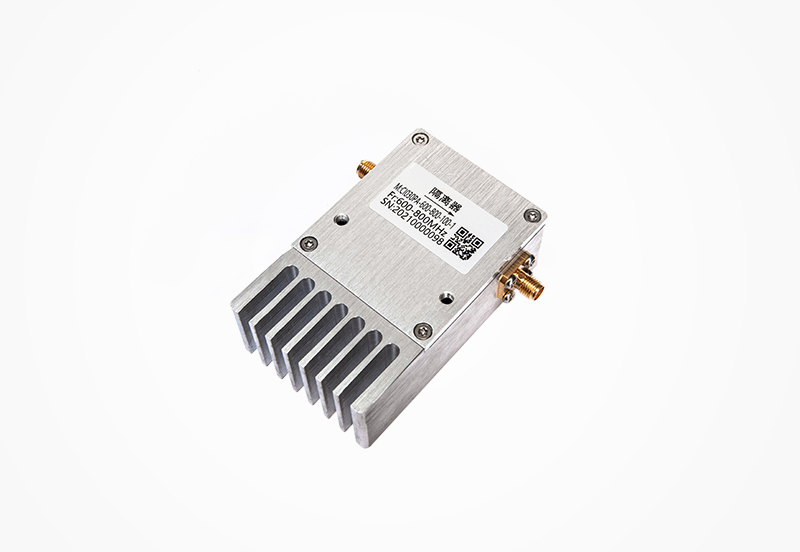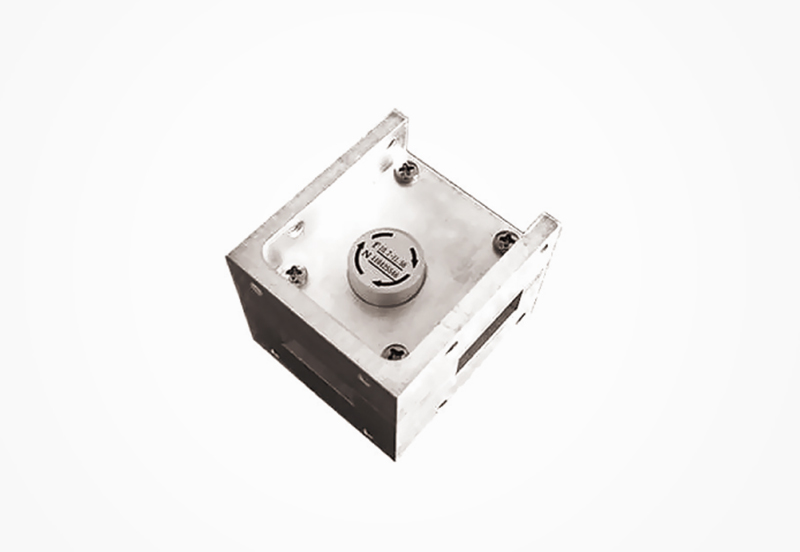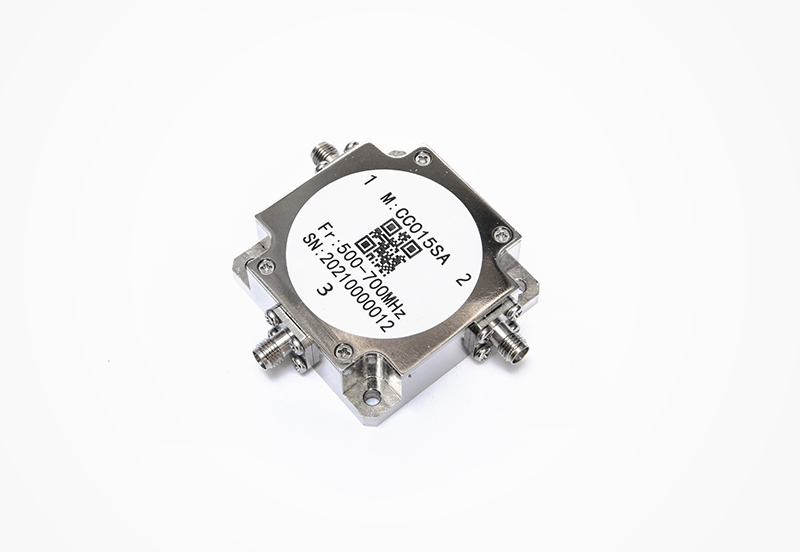




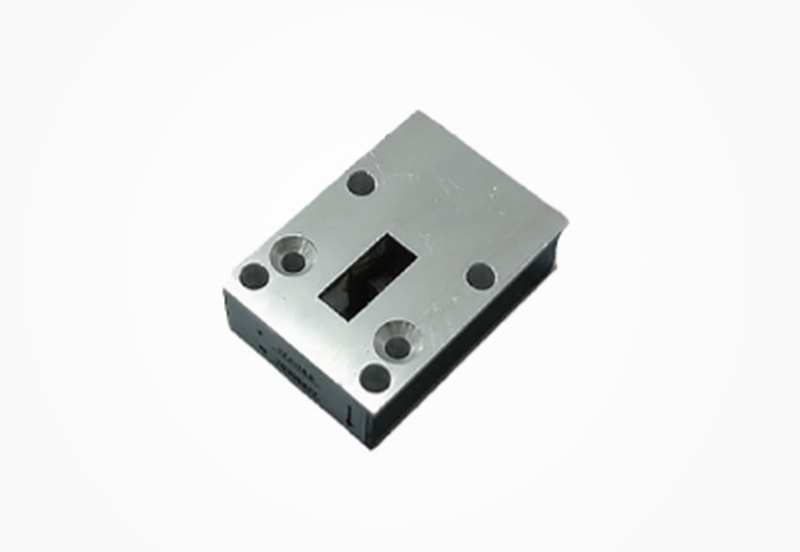
Modern wireless infrastructure, including 5G macro base stations, small cell networks, satellite communication terminals, and industrial wireless gateway systems, operates in complex and variable electromagnetic environments, making stable and secure signal transmission the core guarantee of network operation. RF isolators, as passive non-reciprocal microwave components, have become indispensable protective devices for wireless infrastructure, effectively solving core operational risks such as signal reflection, impedance mismatch, and reverse interference in RF transmission links. Different from common reciprocal RF components, isolators feature unidirectional signal transmission characteristics, allowing forward RF signals to pass through with ultra-low insertion loss while absorbing and isolating reverse reflected signals, forming a reliable protective barrier for the entire wireless signal chain.
The core protection mechanism of RF isolators for wireless infrastructure lies in their precise reverse power dissipation capability. In actual network operation, wireless infrastructure often faces load mutation problems caused by antenna aging, environmental temperature changes, wind and rain erosion, and equipment docking errors. These problems will generate a large number of reflected signals in the transmission link, which will flow back to core devices such as power amplifiers, transceivers, and signal processors. Long-term impact of reverse reflected power will lead to signal distortion, link gain attenuation, and even overheating burnout of high-precision core equipment. RF isolators integrate built-in matched load structures, which can convert reverse reflected RF power into heat energy for dissipation in real time, completely blocking reverse signal backflow and avoiding equipment damage and network performance degradation caused by abnormal load changes.
In large-scale wireless infrastructure deployment scenarios, RF isolators also undertake the important task of anti-interference and network stability maintenance. In dense urban base station clusters and industrial multi-device wireless networking scenarios, signal crosstalk and electromagnetic interference between adjacent links are common problems. The unidirectional isolation performance of isolators can effectively isolate mutual interference between upstream and downstream devices in the RF link, ensure the independence of each signal transmission channel, and maintain the consistency of network signal coverage and transmission quality. For emerging 5G and future 6G high-frequency wireless infrastructure, high-frequency signals are more sensitive to reflection and interference, and the application of high-performance RF isolators further improves the anti-fault capability and service life of wireless infrastructure, reducing operation and maintenance costs and equipment failure rates for communication operators.
In addition to hardware protection, RF isolators optimize the overall operational efficiency of wireless infrastructure. By eliminating link reflection noise and signal fluctuation, they stabilize the working state of RF devices, reduce the bit error rate of data transmission, and improve the reliability of voice, data, and IoT signal transmission. In mission-critical wireless scenarios such as smart city communication, industrial Internet of Things, and emergency communication networks, the protective performance of RF isolators directly determines the continuous and stable operation capability of the infrastructure. With the continuous upgrading of wireless communication technology, high-isolation, low-loss, miniaturized RF isolators have become standard configuration for new-generation wireless infrastructure, providing solid technical support for the high-reliability operation of modern wireless networks.


Contact Phone:
0755-26701085 0755-26701002
Company Address :2nd Floor, Building A, Juchuang Jingu Creative Park, Xili Street, Nanshan District, Shenzhen