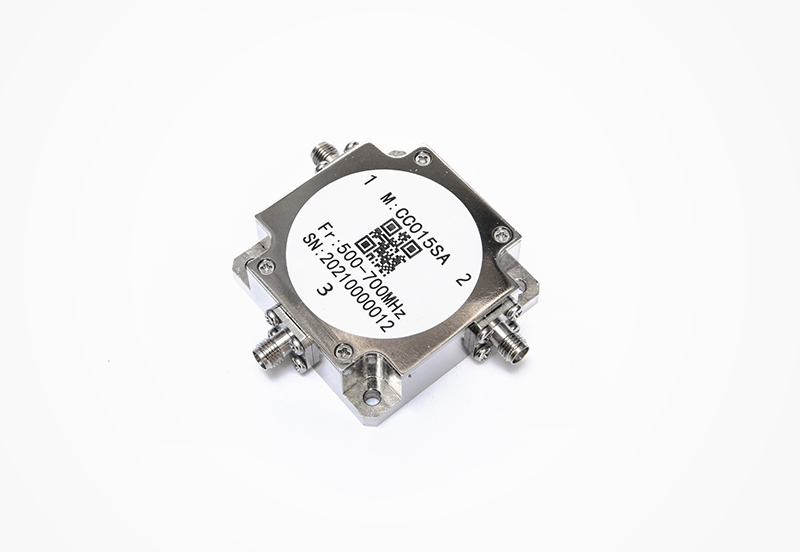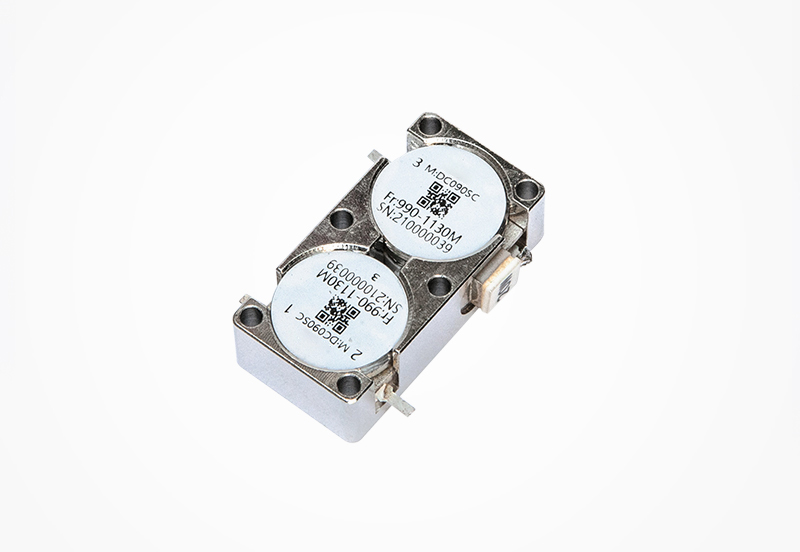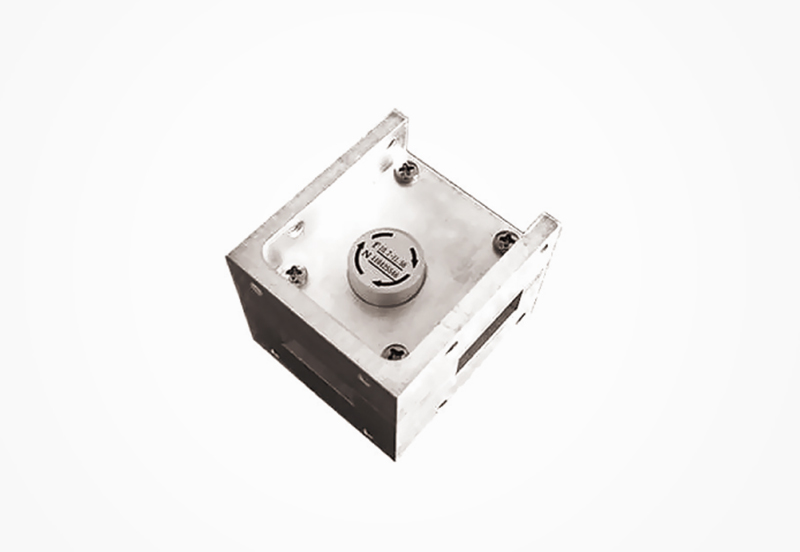




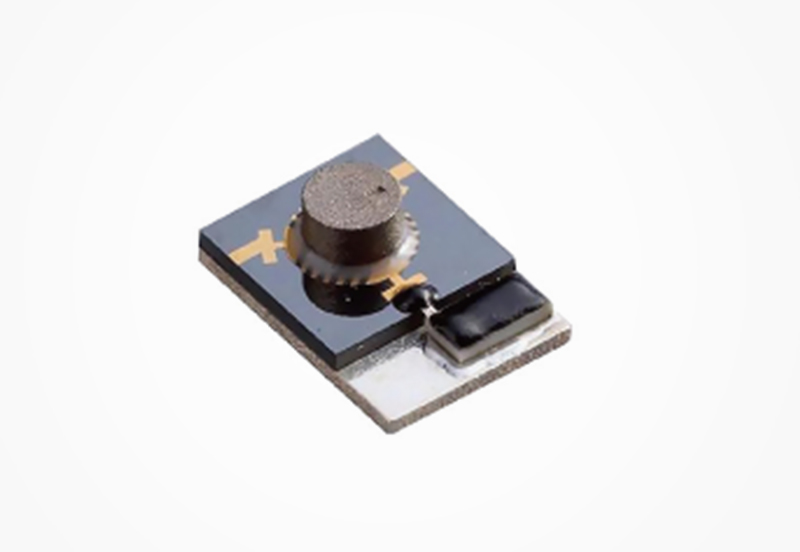
SMA connector type selection is a critical engineering step for RF isolator deployment, directly determining the device’s mechanical stability, signal integrity, and environmental adaptability in various RF systems. As a mainstream subminiature coaxial connector with a 50Ω standard impedance, SMA connectors feature a compact threaded structure, which differentiates them from snap-on BNC connectors and bulky N-type connectors. This structural advantage makes them the preferred interface for miniaturized RF isolators used in portable tactical devices, airborne avionics, and compact ground radar systems. The core principle of selection is to match the connector’s electrical specifications, mechanical grade, and structural form with the operating frequency, installation environment, and power level of the target RF system.
Electrical parameter matching serves as the primary selection criterion for SMA connectors paired with RF isolators. Standard SMA connectors support a frequency range from DC to 18 GHz, while high-precision extended versions can operate steadily up to 34 GHz, covering most common L-band to Ka-band defense communication and radar systems. Engineers must select connectors with strictly controlled voltage standing wave ratio (VSWR) to avoid secondary signal reflection. For conventional applications, SMA connectors with VSWR ≤1.2 are sufficient, while high-sensitivity RF isolator systems require low-reflection precision SMA connectors with VSWR ≤1.15. Additionally, power handling capacity must be verified: military-grade SMA connectors can withstand continuous high power and pulse power impact, preventing breakdown and signal distortion when isolators work under high-power transmitter conditions.
Mechanical and environmental grade selection distinguishes commercial SMA connectors from aerospace defense-grade models. Standard commercial SMA connectors adopt ordinary copper plating and common thread machining, failing to adapt to harsh working conditions. In contrast, military-grade SMA connectors comply with MIL-STD specifications, adopting gold-plated contact pins and stainless steel 1/4-36 threaded structures, which deliver excellent vibration resistance, shock resistance, and oxidation resistance. For airborne and space-borne RF isolators, waterproof and dustproof SMA connectors with IP67 protection grade are mandatory to resist high-altitude low temperature, space radiation, and atmospheric humidity erosion. Meanwhile, the selection between plug and jack types needs to follow system integration requirements: panel-mounted jacks are suitable for fixed isolator equipment, while flexible cable plugs adapt to mobile and modular system connections.
Installation compatibility and long-term reliability are supplementary key factors for SMA connector selection. The coaxial consistency of SMA connectors must match the isolator’s internal transmission structure to avoid impedance mismatch caused by structural deviation, which would increase insertion loss and reduce isolation performance. In modular defense RF systems, unified SMA interface specifications ensure interchangeability of isolator devices, reducing equipment maintenance and replacement costs. Moreover, high-quality SMA connectors maintain stable electrical performance after thousands of mating cycles, avoiding connection failure and signal interruption in long-term mission-critical operations, which guarantees the continuous and reliable operation of RF isolators in various complex scenarios.

Contact Phone:
0755-26701085 0755-26701002
Company Address :2nd Floor, Building A, Juchuang Jingu Creative Park, Xili Street, Nanshan District, Shenzhen