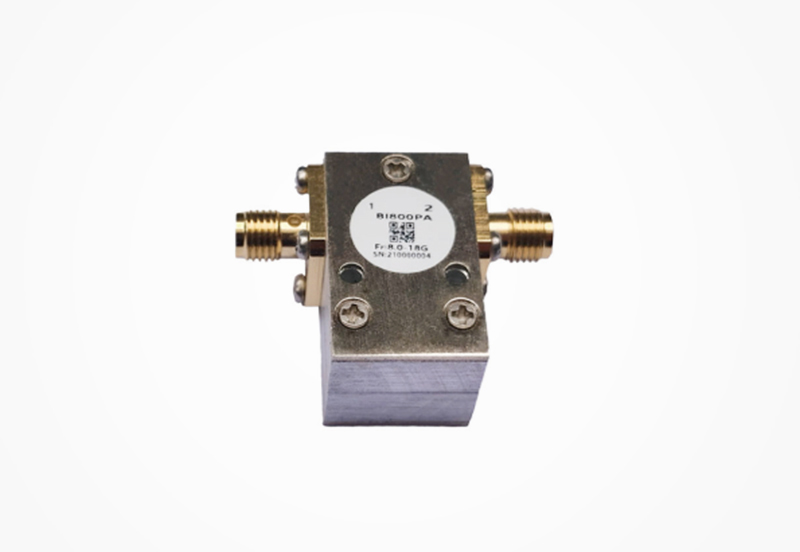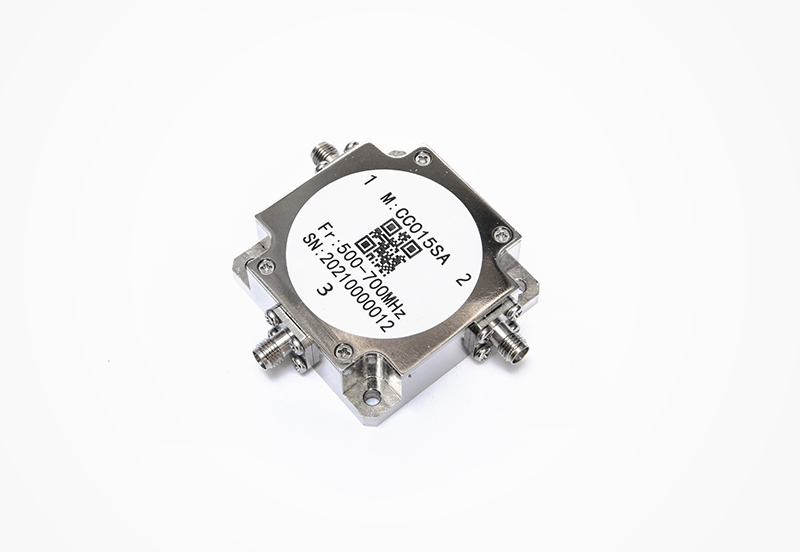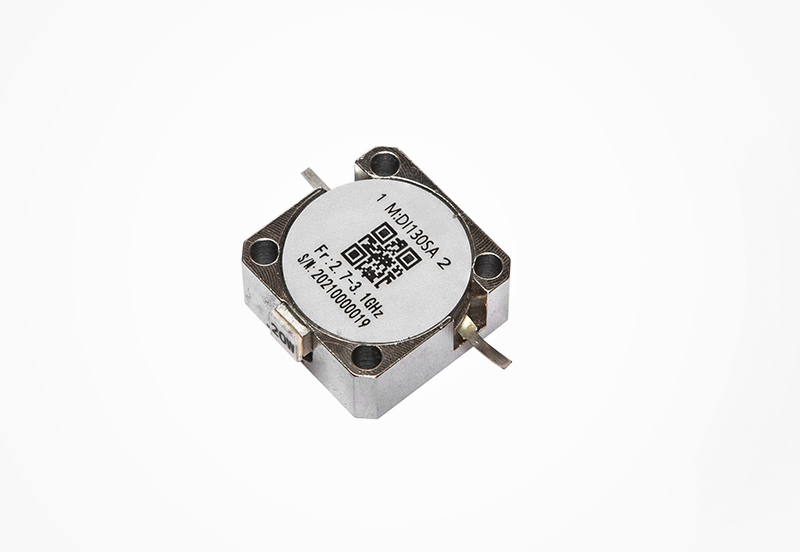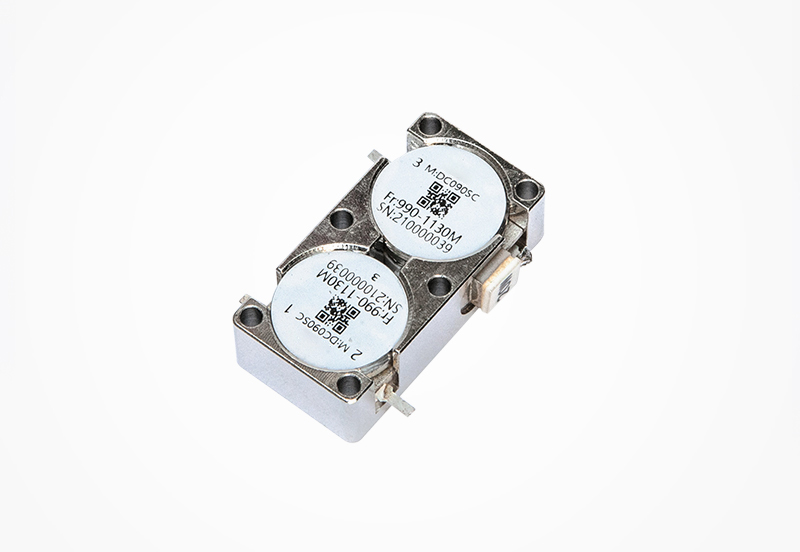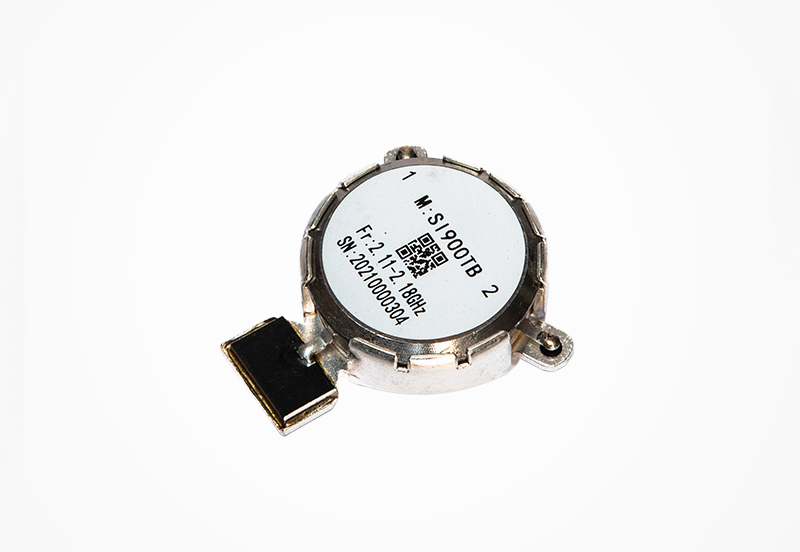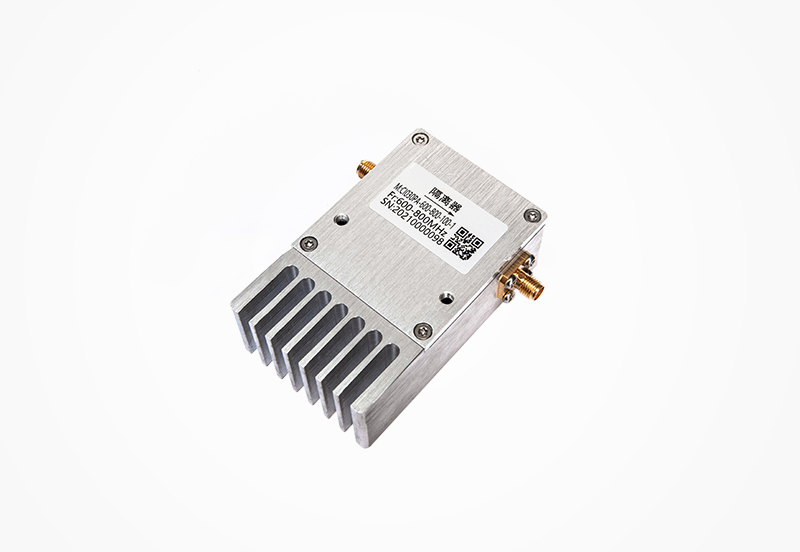




RF isolators have emerged as indispensable passive non-reciprocal components for modern IoT wireless communication systems, addressing the unique operational challenges of low-power, compact, and long-term stable IoT devices. Unlike traditional wireless communication equipment, IoT terminals and gateways typically operate in complex, cluttered electromagnetic environments, including indoor smart homes, industrial workshops, and outdoor smart monitoring scenarios. These scenarios are filled with signal reflection, impedance mismatch, and multi-device signal crosstalk, which can easily cause signal distortion, transmission delay, and even damage to sensitive RF front-end components such as low-noise amplifiers (LNAs) and power amplifiers (PAs). The core function of RF isolators is to enable unidirectional RF signal transmission, allowing forward communication signals to pass through with minimal insertion loss while effectively attenuating and absorbing reverse reflected signals, thereby stabilizing the operating state of IoT wireless modules.
The structural and performance characteristics of RF isolators are highly adapted to IoT device design requirements. Most IoT devices feature miniaturization, low power consumption, and low-cost design constraints, so surface-mount RF isolators have become the mainstream choice for IoT applications. These compact isolators adopt high-performance ferrite materials and optimized magnetic circuit design, achieving ultra-low insertion loss (usually less than 0.5 dB) and high reverse isolation (more than 30 dB) within a tiny chip size. For common IoT communication protocols including Zigbee, Bluetooth Low Energy (BLE), LoRa, and NB-IoT, customized frequency-band isolators can precisely match the operating frequency of IoT modules, avoiding invalid signal attenuation and ensuring efficient wireless data transmission. In battery-powered IoT devices, low insertion loss is critical to reducing overall power consumption, extending the battery life of terminal devices that require long-term unattended operation.
In industrial IoT and large-scale smart IoT scenarios, RF isolators further improve system reliability and anti-interference capability. Industrial IoT systems involve a large number of sensor nodes, wireless gateways, and edge communication devices, with dense signal distribution and severe electromagnetic interference. Without isolator protection, reverse reflected signals from antenna mismatches or adjacent device interference will cause RF circuit oscillation, leading to communication disconnection and data packet loss. By isolating reverse interference signals, RF isolators ensure consistent signal-to-noise ratio (SNR) of IoT wireless links, improving data transmission accuracy and system stability. Additionally, RF isolators can protect core RF chips from instantaneous reverse power impact caused by environmental changes or equipment aging, reducing the failure rate of IoT terminals and lowering subsequent operation and maintenance costs for smart IoT systems.
With the rapid development of smart IoT technology towards high-density deployment and high-precision communication, the application value of RF isolators continues to rise. Emerging scenarios such as smart wearables, intelligent logistics, and smart city monitoring put forward higher requirements for RF device miniaturization, high isolation, and wide temperature adaptability. Modern IoT-specific RF isolators have achieved wide temperature stability and strong vibration resistance, adapting to harsh industrial and outdoor working environments. As a key basic component to guarantee the quality of IoT wireless communication links, RF isolators play an irreplaceable role in promoting the stable and reliable operation of the entire IoT wireless ecosystem.


Contact Phone:
0755-26701085 0755-26701002
Company Address :2nd Floor, Building A, Juchuang Jingu Creative Park, Xili Street, Nanshan District, Shenzhen