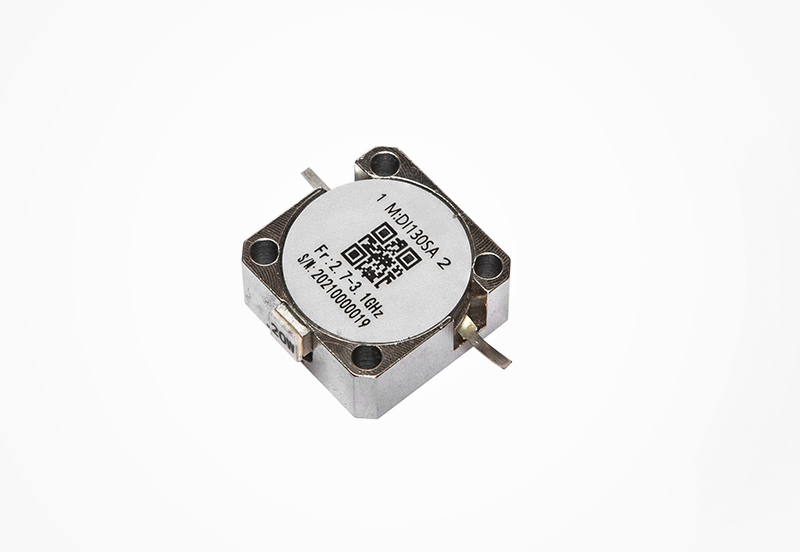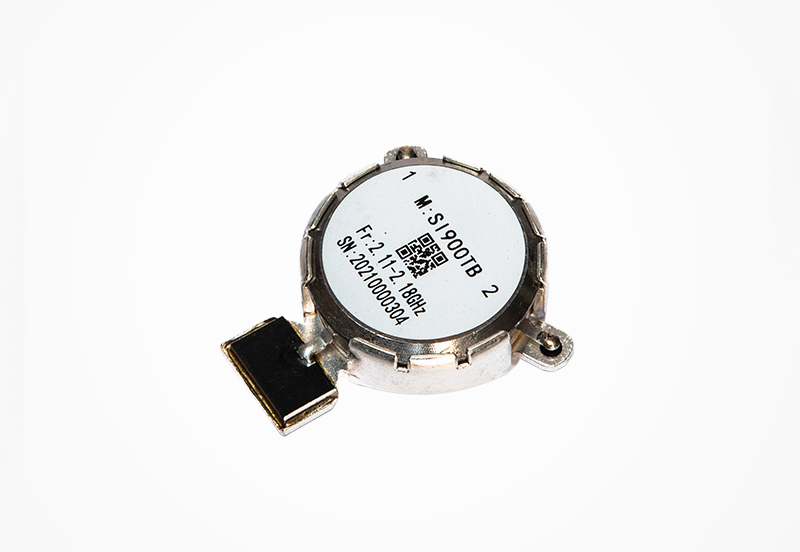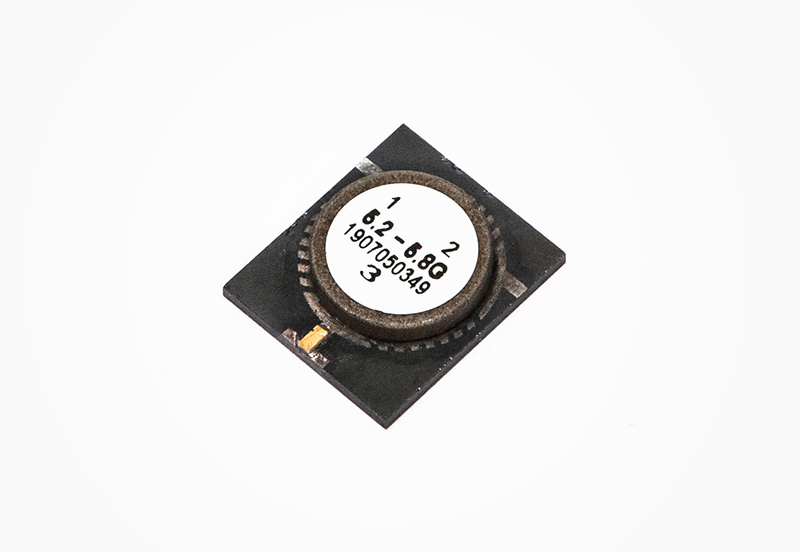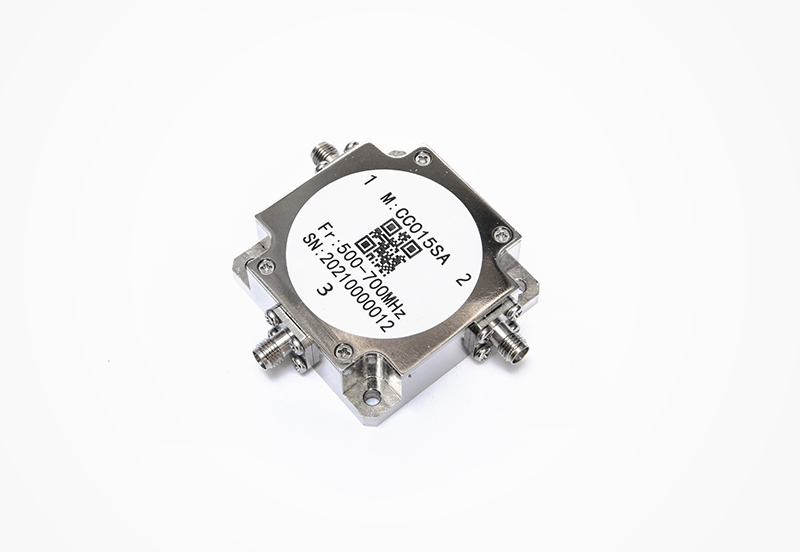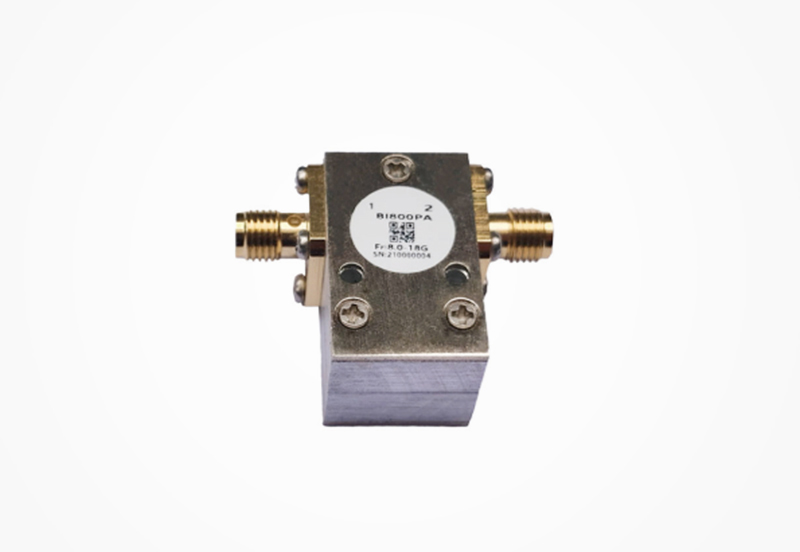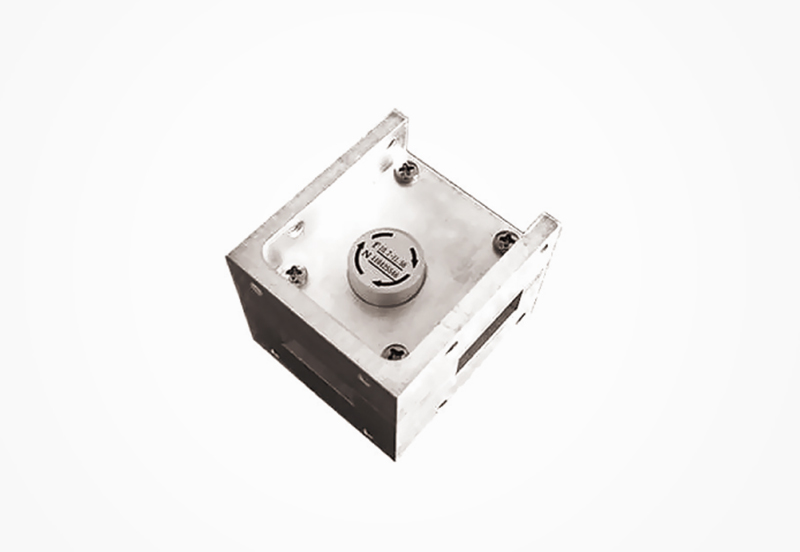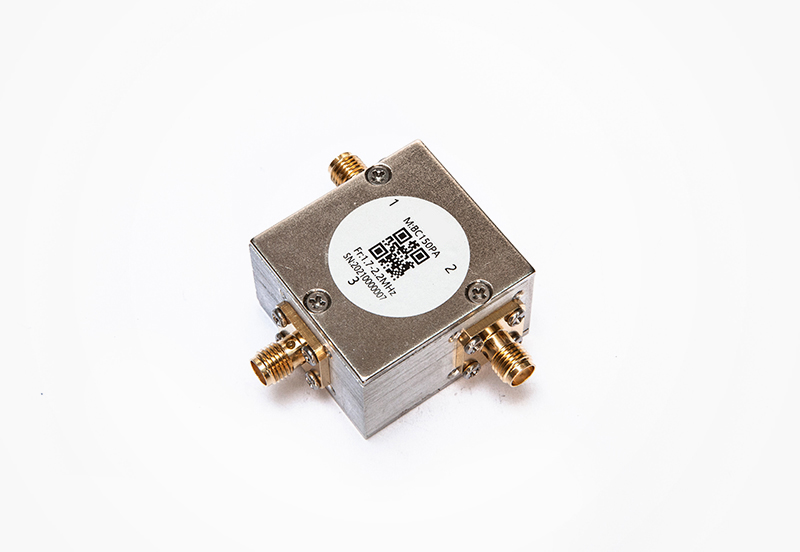




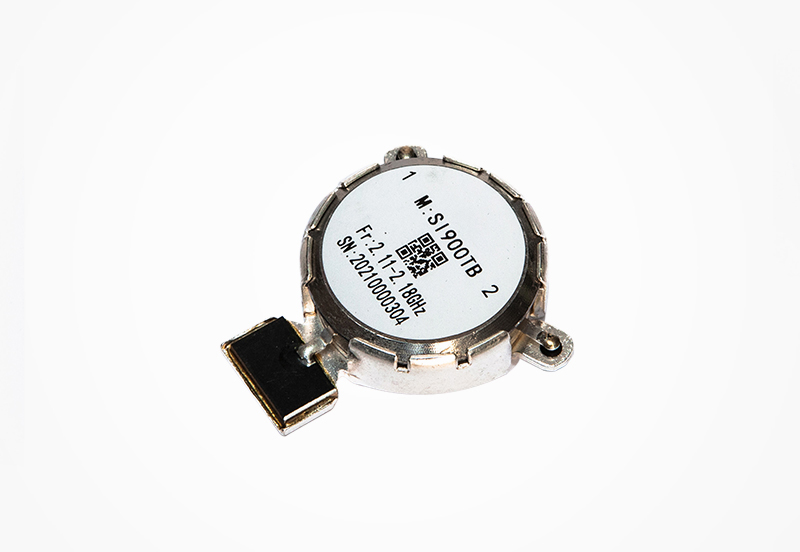
RF isolator isolation, quantified in decibels (dB), is the core electrical specification defining a two-port ferrite-based passive component’s ability to attenuate reverse reflected RF signals while enabling low-loss forward signal transmission. Technically, isolation dB is calculated as the logarithmic ratio between reverse input power at the output port and residual reverse power detected at the input port, following the formula Isolation(dB) = 10log(Preverse-in/Preverse-out). A higher positive dB value means stronger reverse signal suppression, which directly safeguards front-end active circuits including radar power amplifiers (PAs), low-noise amplifiers (LNAs), and transceiver chips. Unlike general telecommunication RF isolators with relaxed isolation thresholds, automotive radar isolators follow tiered isolation standards customized for frequency bands, covering 24GHz short-range radar (SRR), 77GHz long-range radar (LRR), and emerging 79GHz high-resolution radar bands that dominate modern ADAS systems.
Standardized isolation dB grading is clearly defined for differentiated automotive radar working scenarios to balance performance, size and insertion loss. Entry-grade automotive aftermarket radar isolators feature minimum 20dB isolation, which suppresses 99% of reflected reverse power and fits low-cost parking assist radar modules with low transmit power below 5W. Mid-grade mainstream ADAS radar components adopt 25dB to 30dB isolation, the most widely used specification for adaptive cruise control and automatic emergency braking radars; this level eliminates mutual interference between transmitting antenna reflection and receiving echo signals in crowded vehicular wireless environments. Premium grade automotive radar isolators require 35dB to 40dB minimum isolation, adopting dual stacked ferrite cores and magnetic shielding structures to attenuate over 99.97% reverse interference, mandatory for autonomous driving high-precision radar with multi-sensor fusion functions.
Multiple environmental and design factors degrade nominal isolation dB values in real vehicular operating conditions, which must be accounted for in component datasheet specifications. Extreme automotive temperature fluctuations (-40℃ to +125℃) alter ferrite magnetic permeability, typically reducing rated isolation by 3dB to 6dB at extreme high temperatures. Mechanical vibration from vehicle chassis operation and adjacent electromagnetic interference from onboard ECU systems further drop practical isolation performance. For this reason, formal automotive-grade isolator datasheets mark guaranteed minimum isolation under full temperature vibration qualification, instead of room-temperature typical values. Meanwhile, isolation performance trades off with insertion loss: isolators exceeding 35dB isolation usually carry 0.6dB to 0.9dB forward insertion loss, while 20dB low-isolation models maintain insertion loss below 0.4dB, forming a critical design tradeoff for radar RF engineers.
Automotive industry regulatory standards enforce mandatory isolation dB thresholds for vehicular radar EMC compliance. CISPR 25 automotive electromagnetic compatibility regulation requires all 77GHz forward-looking radar front ends to deploy isolators with no less than 28dB isolation to avoid spurious RF emission interfering with vehicle Bluetooth, V2X and neighboring vehicle radar sensors. Custom wideband radar isolators for multi-mode radar modules need flat isolation response across 4GHz operating bandwidth, with isolation fluctuation controlled within ±2dB to ensure stable signal isolation across sweeping radar frequency channels. In conclusion, isolation dB is not a standalone parameter but a system-level index correlated with power handling, temperature tolerance and bandwidth, which determines radar detection accuracy, false alarm rate and long-term operational reliability on road vehicles.

Contact Phone:
0755-26701085 0755-26701002
Company Address :2nd Floor, Building A, Juchuang Jingu Creative Park, Xili Street, Nanshan District, Shenzhen