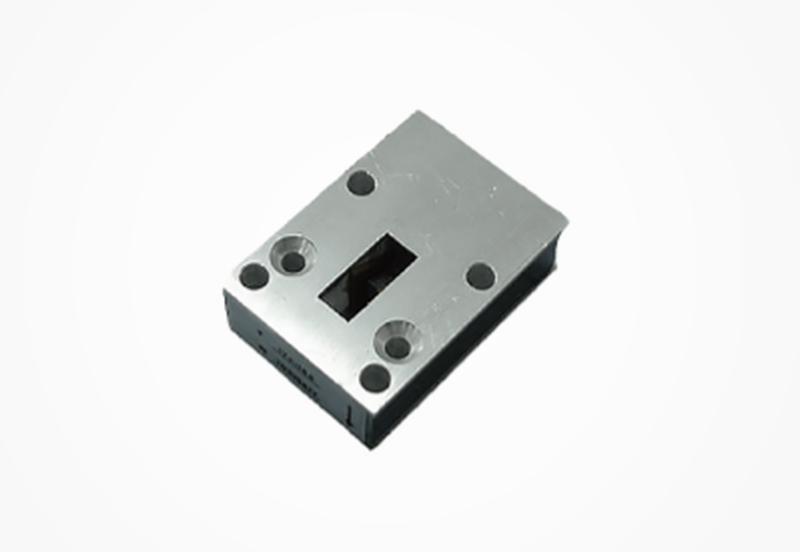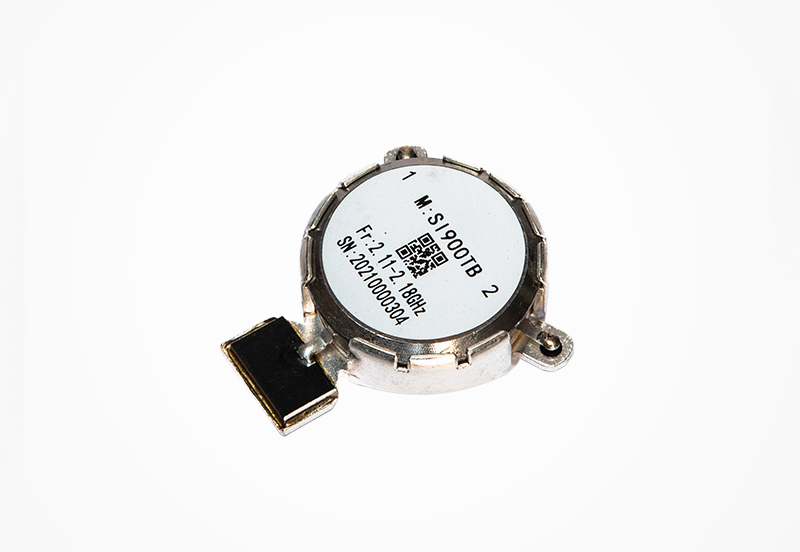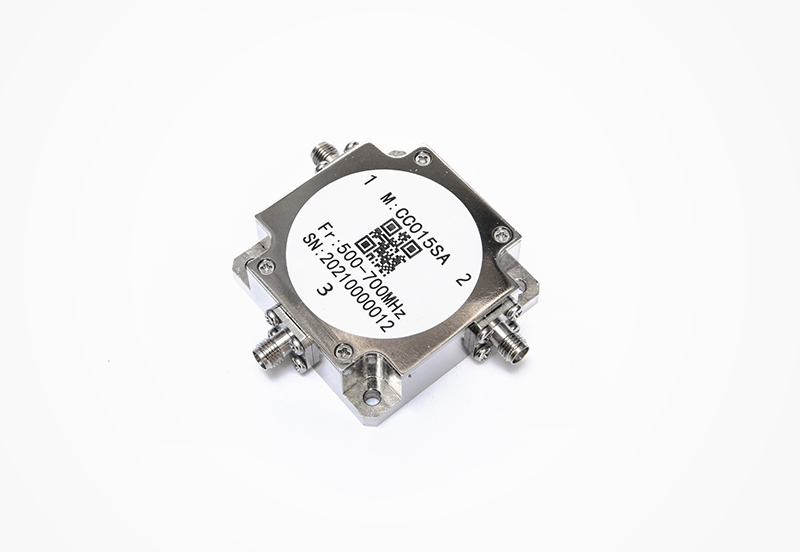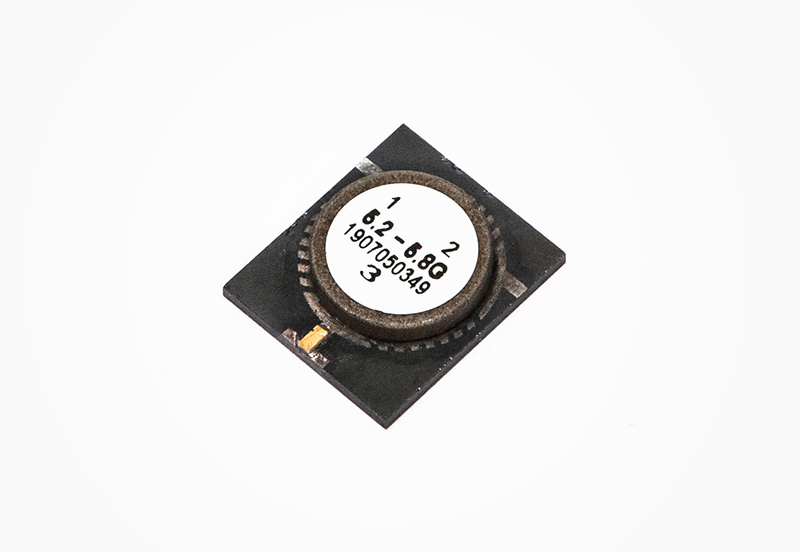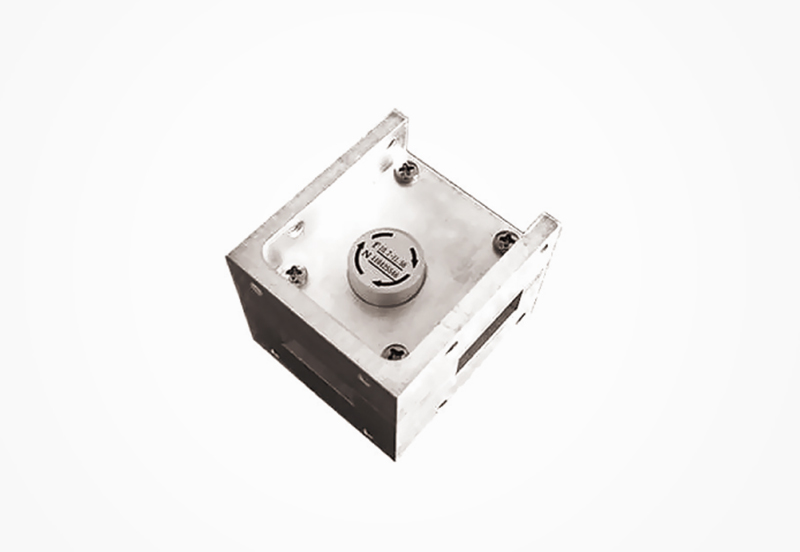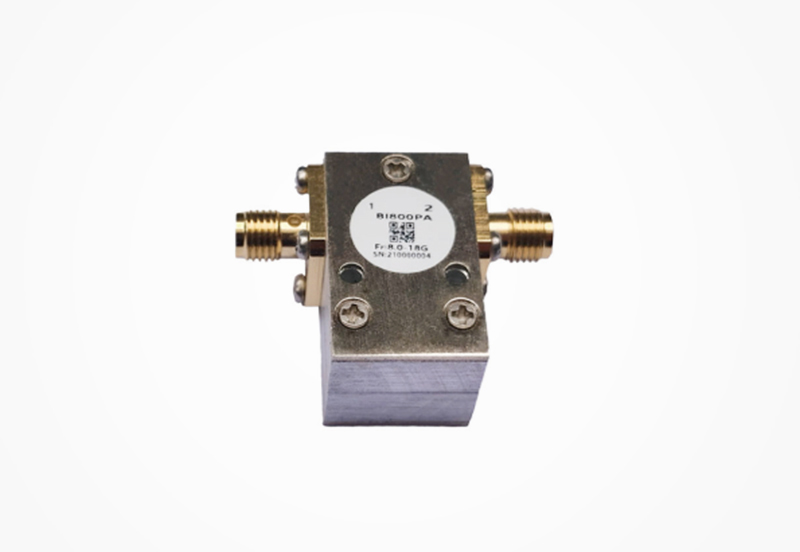




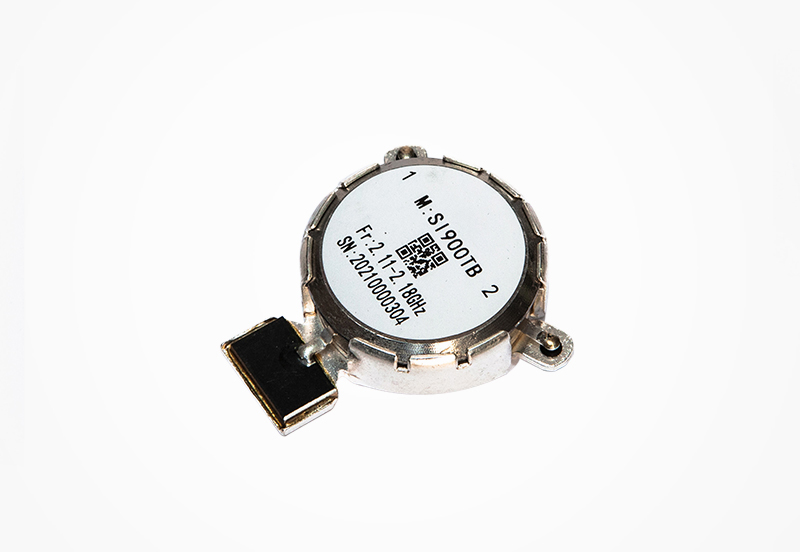
The aluminum shielding anti-interference RF isolator is a high-performance passive two-port microwave component engineered for complex electromagnetic environment scenarios, focusing on signal stability and anti-interference capability. Adopting premium aluminum alloy integrated shielding structure, this device effectively forms a closed electromagnetic protection space, which can isolate external electromagnetic radiation, static interference and cross-frequency signal crosstalk that easily affect RF signal transmission. Different from ordinary plastic or thin-shell isolators, its integral aluminum shielding shell features high electromagnetic shielding effectiveness, resisting both near-field and far-field electromagnetic interference, laying a solid foundation for high-purity RF signal transmission. Based on the Faraday rotation effect of magnetized ferrite materials, it realizes non-reciprocal signal transmission, allowing forward RF signals to pass with ultra-low insertion loss while highly attenuating reverse reflected signals and clutter interference.
In terms of structural design, the aluminum shielding shell undergoes precision CNC machining and surface oxidation treatment, which not only enhances electromagnetic shielding performance but also improves heat dissipation efficiency and structural durability. The optimized internal impedance matching structure further reduces signal attenuation during forward transmission, ensuring minimal impact on normal signal output. Meanwhile, the compact and lightweight design enables flexible installation in various RF communication equipment, test instruments and wireless transceiver systems without occupying excessive space.
This isolator is widely applicable to commercial communication base stations, precision RF testing equipment, short-distance wireless transmission systems and other scenarios with strict requirements for signal anti-interference. It effectively protects core sensitive components such as oscillators, power amplifiers and mixers from damage and performance degradation caused by reverse reflected waves and external interference. By stabilizing signal transmission quality and reducing system noise floor, it greatly improves the overall stability, accuracy and anti-interference ability of RF systems, becoming an essential core component for high-reliability wireless signal transmission.


Contact Phone:
0755-26701085 0755-26701002
Company Address :2nd Floor, Building A, Juchuang Jingu Creative Park, Xili Street, Nanshan District, Shenzhen