



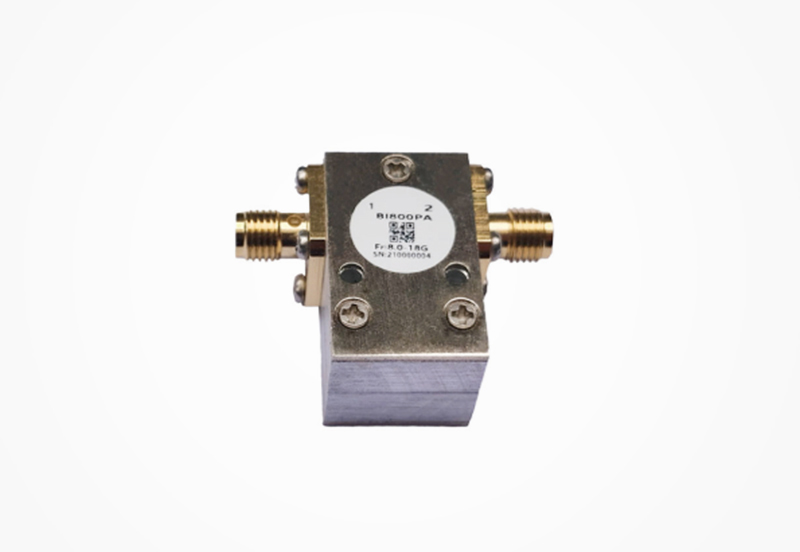
Sub-6 GHz frequency band, covering 300 MHz to 6 GHz, is the core working frequency range of 5G/4G mobile communication, IoT wireless transmission, civilian broadband communication, and short-distance wireless sensing systems, featuring wide application coverage, large equipment shipment volume, and
View more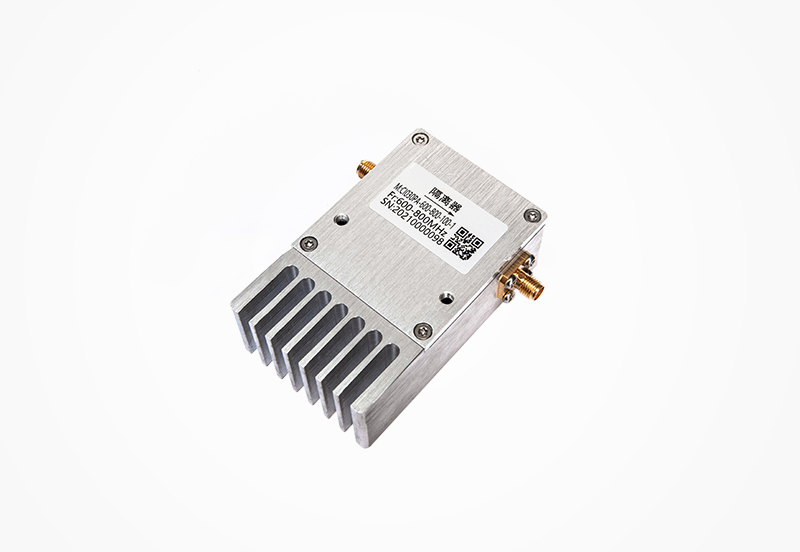
The high-power 50W RF isolator with 50 ohm standard impedance is a core passive non-reciprocal component tailored for high-power radio frequency transmission systems, widely adopted in wireless communication base stations, radar detection equipment, RF power amplification systems and industrial wire
View more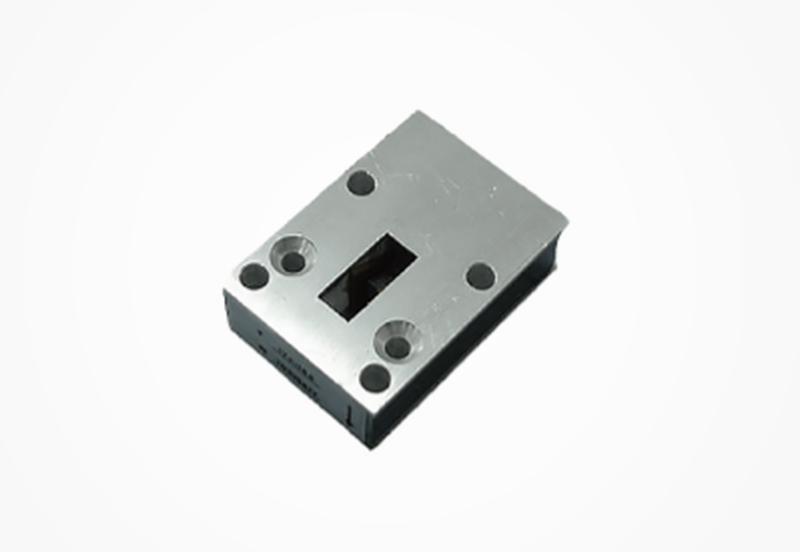
N-type coaxial RF isolators are indispensable passive non-reciprocal components specially optimized for base station feeder systems, serving as core protective and signal conditioning devices in modern cellular communication infrastructure. Designed with standard 50-ohm impedance and industry-standa
View moreContinuous wave (CW) operation represents the most stringent operating condition for microwave isolators, requiring long-term stable performance under sustained constant power input without intermittent power cycling or signal interruption. Unlike pulsed operation that allows periodic heat dissipati
View more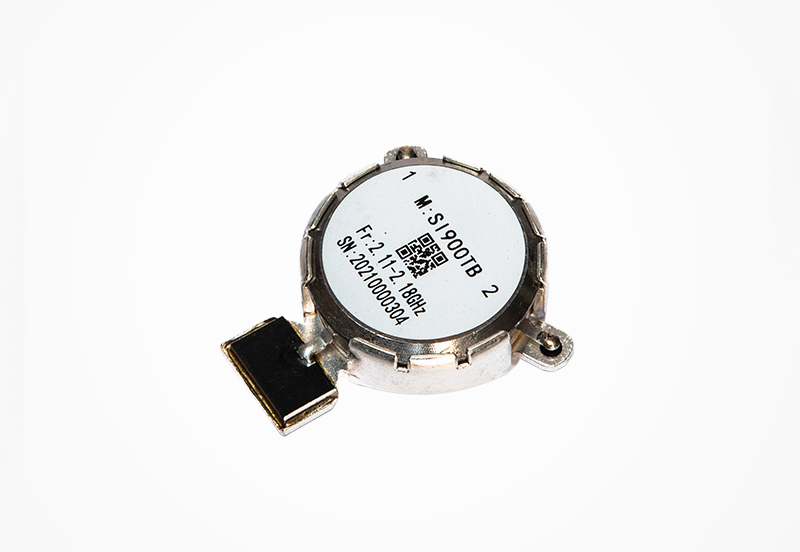
Broadband response is a core performance indicator of modern RF isolators, and the design of impedance matching networks is the key to breaking the narrow-band limitation of traditional ferrite isolators. Conventional single-stage isolators rely on fixed resonant ferrite structures, which only maint
View moreRF isolators have become indispensable passive components in modern scientific instrument systems, serving as a critical protective barrier for high-precision radio frequency and microwave experimental equipment. Unlike conventional electronic protective devices, RF isolators feature non-reciprocal
View more

Contact Phone:
+86-0755-26701085
+86-0755-26701002
Company Address :
2nd Floor, Building A, Juchuang Jingu Creative Park, Xili Street, Nanshan, Shenzhen


 CN
CN
