



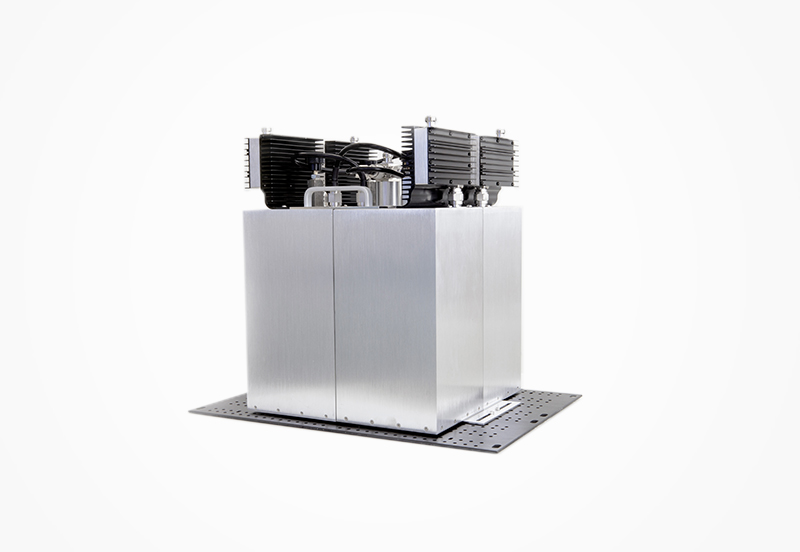
RF combiners are critical integrated components in envelope tracking (ET) power amplifier systems, undertaking the core function of synthesizing envelope modulation signals and radio frequency carrier signals to improve the efficiency and linearity of power amplifiers. Envelope tracking technology i
View more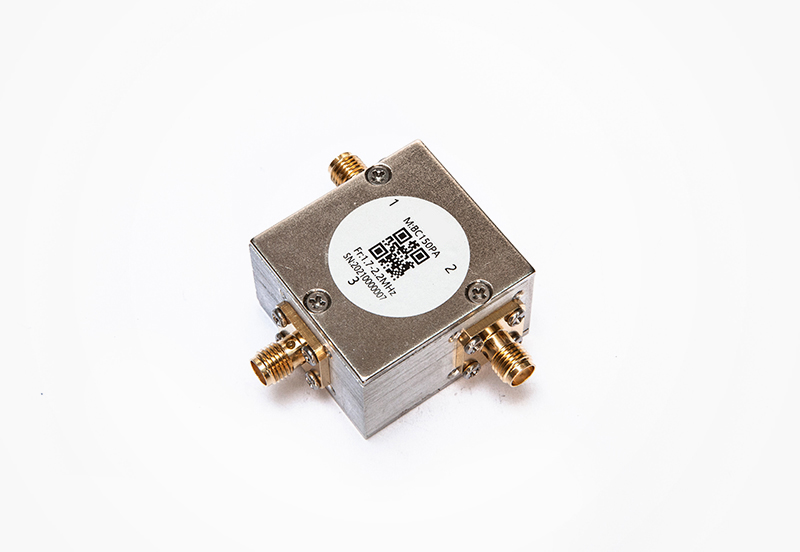
Military-grade circulators are core passive non-reciprocal RF components designed exclusively for harsh defense, aerospace, and field combat environments, featuring exceptional shock and vibration resistance that distinguishes them from commercial civilian circulators. Built on the Faraday rotation
View more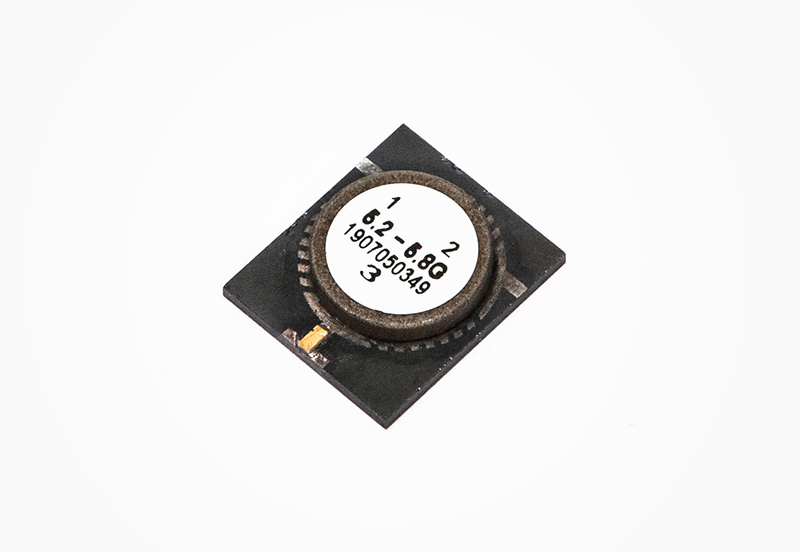
Drop-in circulators specially designed for radar front-end modules are miniaturized, high-integration passive components optimized for the structural characteristics and working mechanism of radar transceiver front-ends. Radar front-end modules are the core units responsible for signal transmission,
View moreA high-performance RF/microwave combiner with a flat frequency response spanning up to 40 GHz is a critical passive component for modern millimeter-wave communication, radar, and high-precision test and measurement systems. Unlike conventional low-frequency combiners limited to sub-6 GHz bands, this
View more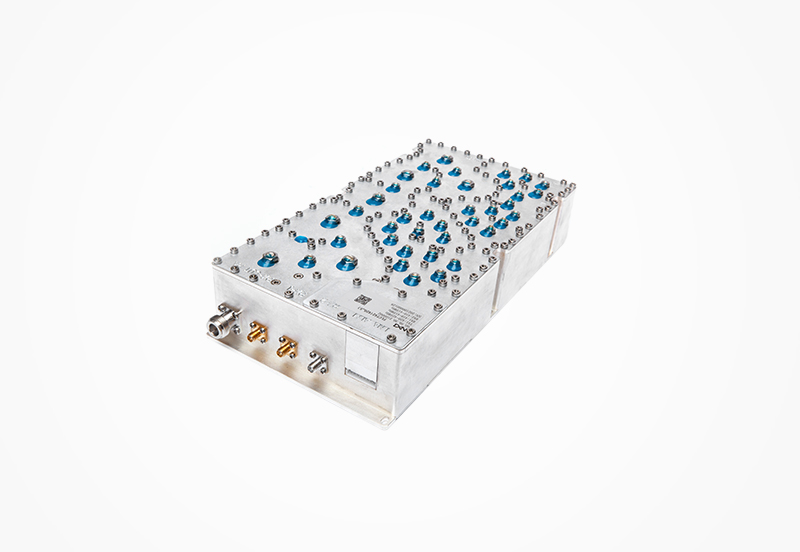
Replacing traditional duplexers with circulator and filter combination schemes is an advanced RF transceiver isolation optimization technology, widely used in high-performance communication and radar transceiver systems. Traditional integrated duplexers integrate transmitting and receiving filtering
View moreA combiner integrated with DC bias injection functionality is a specialized passive RF component designed to simultaneously transmit high-frequency radio frequency signals and low-frequency direct current power through a single coaxial transmission line, serving as a core bridge for remote control a
View more

Contact Phone:
+86-0755-26701085
+86-0755-26701002
Company Address :
2nd Floor, Building A, Juchuang Jingu Creative Park, Xili Street, Nanshan, Shenzhen


 CN
CN
