



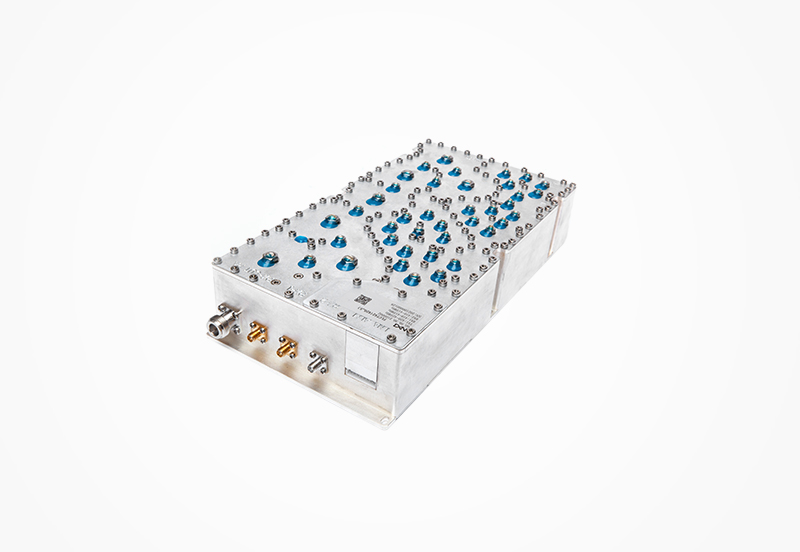
Harmonic frequency rejection is a core performance metric for modern radio frequency (RF) duplexers, directly determining the spectral purity of wireless communication systems and preventing adjacent-channel and spurious signal interference. In RF transceivers, power amplifiers (PAs) generate fundam
View more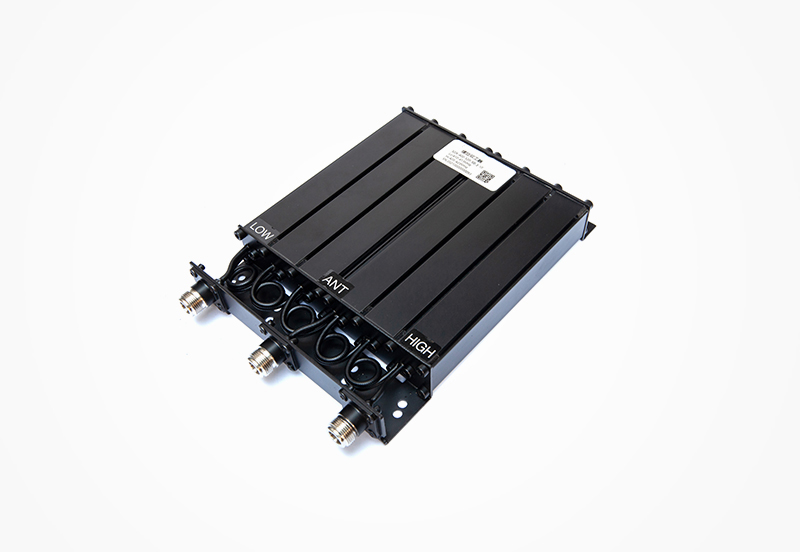
In radar systems, duplexers serve as core switching and isolation components to realize single-antenna transceiving sharing, solving the problem of mutual interference between radar transmitting signals and echo receiving signals. Traditional radar equipment adopting separate transmitting and receiv
View moreDuplexer Tx/Rx isolation measurement is a core RF performance test project used to quantify the signal suppression capability between the duplexer’s transmit port and receive port, which is a key index to evaluate the anti-crosstalk performance and full-duplex working reliability of the duplexer. Is
View moreTx-to-Rx leakage is one of the most critical performance metrics for radio frequency (RF) duplexers, directly determining the communication system’s anti-interference capability and receiving sensitivity. In frequency division duplex (FDD) communication systems, transmit (Tx) and receive (Rx) channe
View moreDuplexer power rating and thermal management are core design indicators that determine the service life, operational stability, and reliability of RF duplexers under long-term working conditions. Power rating refers to the maximum continuous and peak signal power that a duplexer can withstand withou
View moreInsertion loss is one of the most critical electrical performance indicators of RF duplexers, referring to the signal power attenuation generated when electromagnetic signals pass through the duplexer’s transmit (Tx) and receive (Rx) paths, usually measured in decibels (dB). Duplexer insertion loss
View more

Contact Phone:
+86-0755-26701085
+86-0755-26701002
Company Address :
2nd Floor, Building A, Juchuang Jingu Creative Park, Xili Street, Nanshan, Shenzhen


 CN
CN
