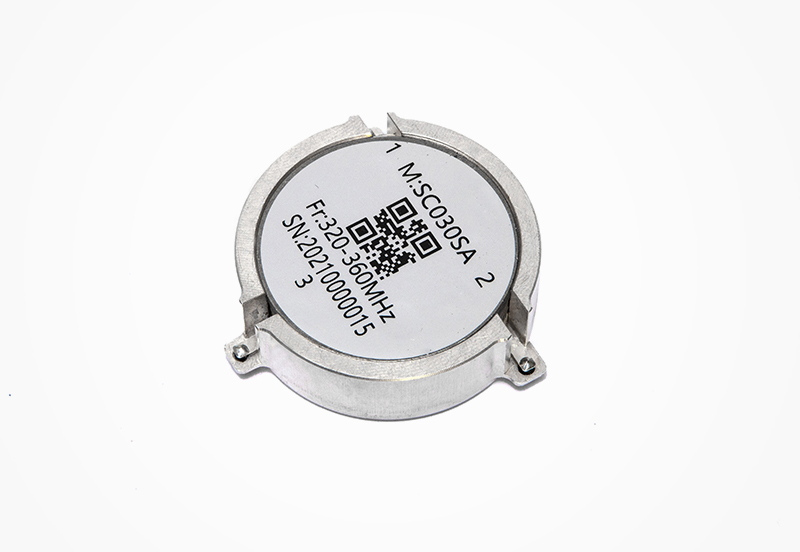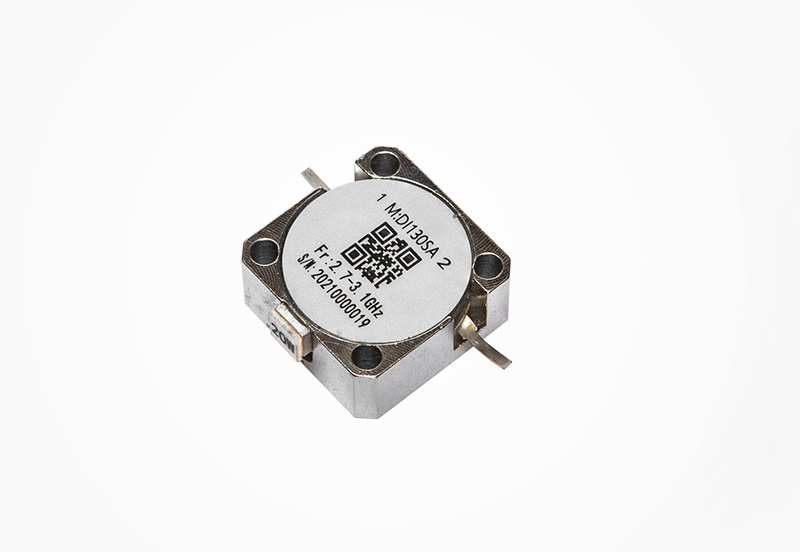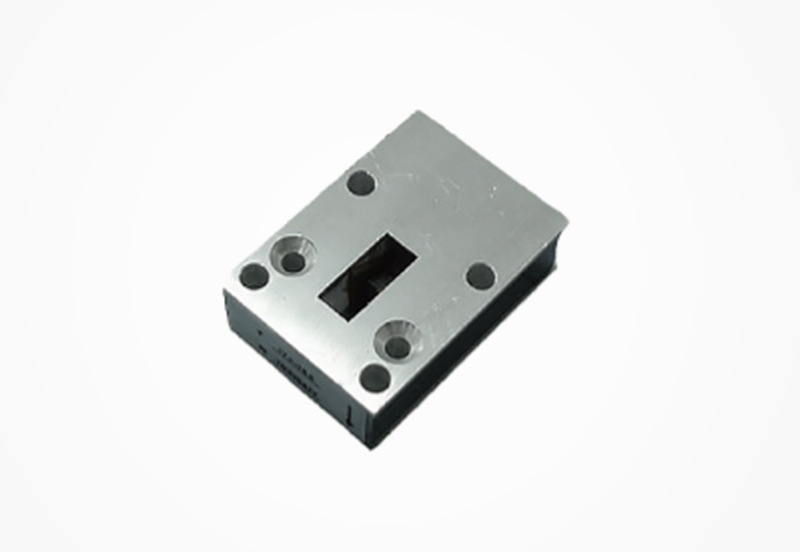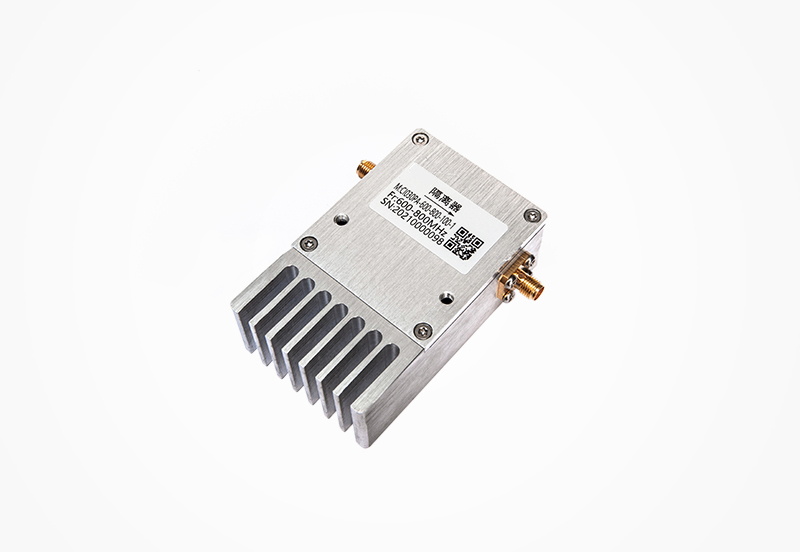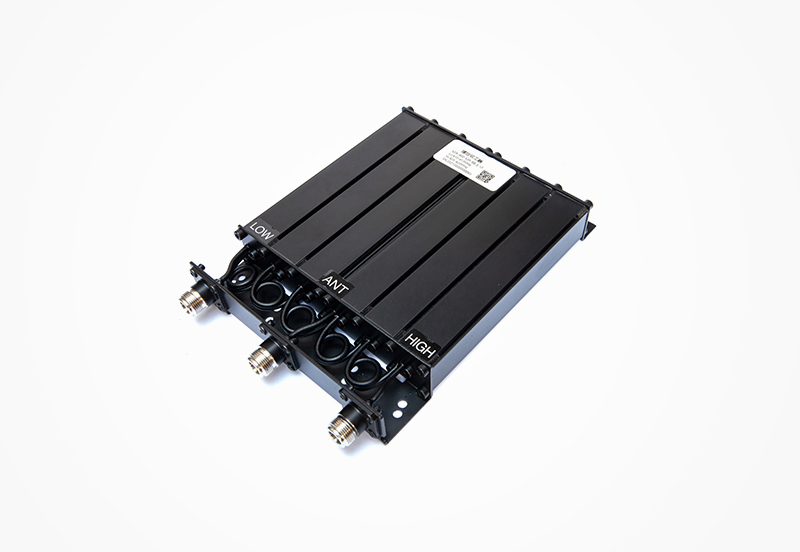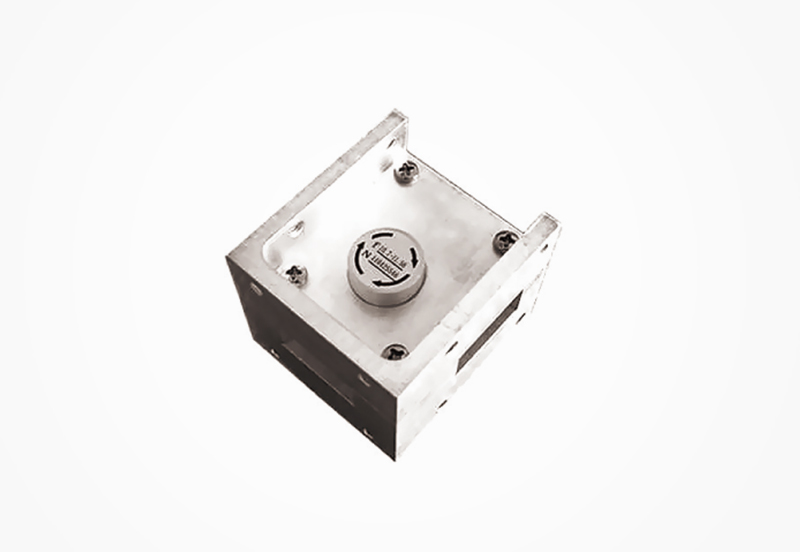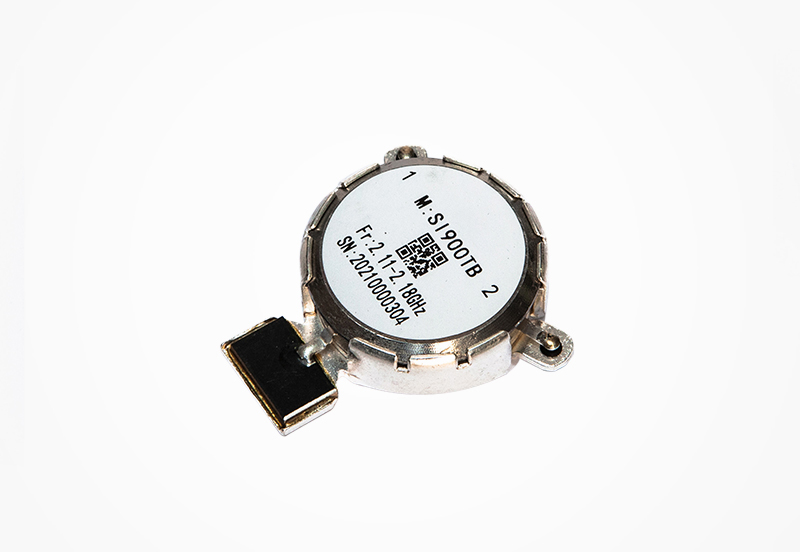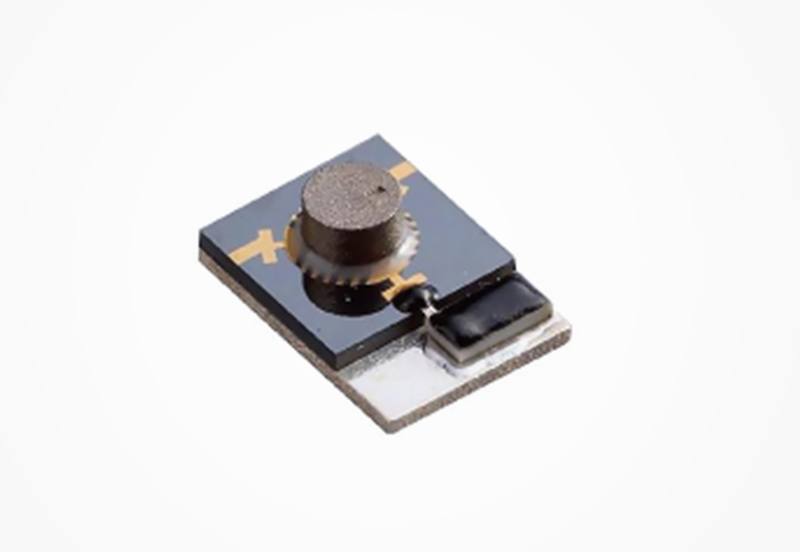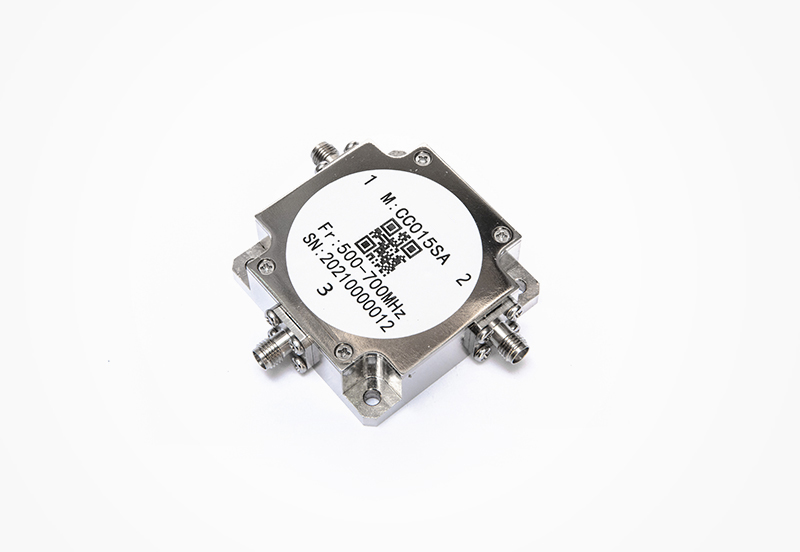


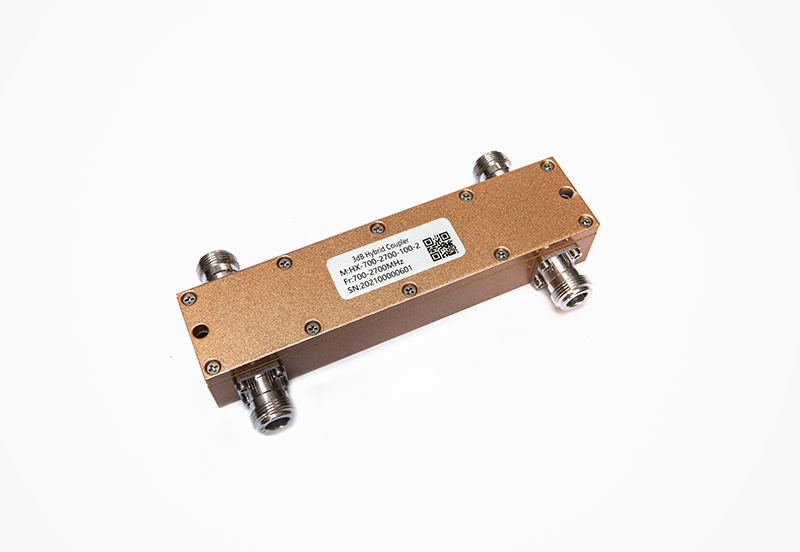
The 3dB bridge, also widely known as the 3dB quadrature hybrid coupler, is a fundamental passive microwave component designed for equal power division and 90-degree phase shift between output ports, and stripline construction stands as one of the most reliable and widely adopted manufacturing architectures for high-frequency RF and microwave systems. Stripline-based 3dB bridges feature a fully enclosed planar transmission line structure, where the conductive signal trace is sandwiched symmetrically between two parallel ground planes with a uniform dielectric substrate filling the surrounding space. This closed electromagnetic field structure effectively suppresses radiation loss, electromagnetic interference (EMI), and cross-talk compared to microstrip counterparts, making it ideal for high-precision RF circuit integration in communication, radar, and test measurement systems. The core design principle of stripline 3dB bridge construction relies on precise impedance matching and coupled line theory, with the characteristic impedance of coupled lines strictly set to 50Ω for standard RF system compatibility, while the coupling gap distance, trace width, and substrate thickness are meticulously calculated to achieve accurate 3dB power splitting across the target operating bandwidth.
Material selection is a critical determinant of the electrical performance and mechanical stability of stripline 3dB bridges. High-performance low-loss dielectric substrates such as Rogers RT/duroid series, FR-4 high-frequency grade, and ceramic-filled PTFE materials are predominantly utilized, owing to their stable dielectric constant, low dissipation factor, and minimal frequency dispersion across broadband frequency ranges. The conductive layers are typically fabricated using thick copper plating with gold or tin surface finishing to reduce conductor loss and prevent oxidation, ensuring long-term electrical stability under continuous high-power operation. During the fabrication process, layer alignment precision is strictly controlled within micrometer tolerances, as asymmetric ground plane spacing or trace offset will directly degrade amplitude and phase balance performance. The stripline’s fully shielded structure also eliminates the need for additional shielding enclosures in most integrated circuit designs, reducing overall module size and assembly complexity while improving system consistency.
Structural optimization and performance calibration further define the practical usability of stripline 3dB bridges. Engineers fine-tune the coupled line length to correspond to a quarter wavelength at the center operating frequency, which is the key structural parameter enabling 90-degree quadrature phase difference between the two output ports. For broadband applications, stepped impedance matching structures and tapered coupled line segments are integrated to flatten the frequency response and maintain consistent 3dB coupling efficiency across the entire operating band. Post-fabrication calibration includes impedance testing, insertion loss verification, and phase consistency adjustment to eliminate manufacturing deviations. Benefiting from its low loss, high isolation, excellent stability, and compact planar structure, the stripline 3dB bridge has become the preferred power splitting and phase shifting component for high-precision RF systems, outperforming traditional waveguide and microstrip bridges in terms of environmental adaptability and integration capability.


Contact Phone:
+86-0755-26701085
+86-0755-26701002
Company Address :
2nd Floor, Building A, Juchuang Jingu Creative Park, Xili Street, Nanshan, Shenzhen


 CN