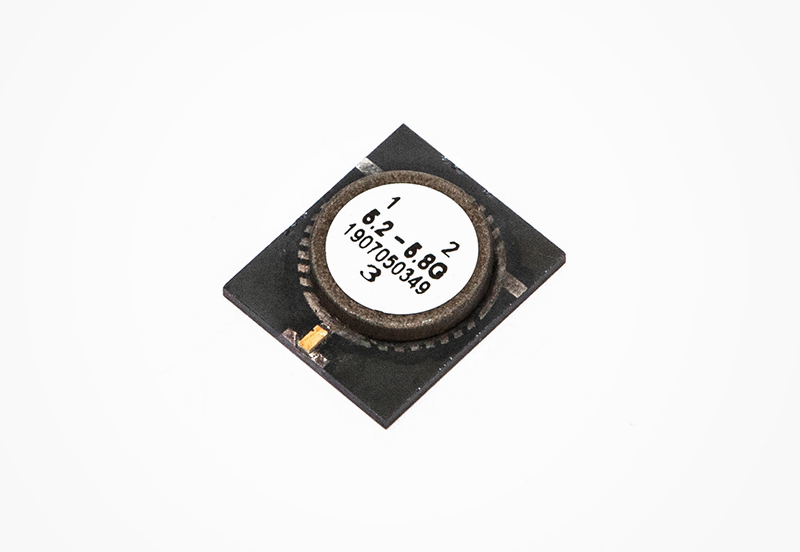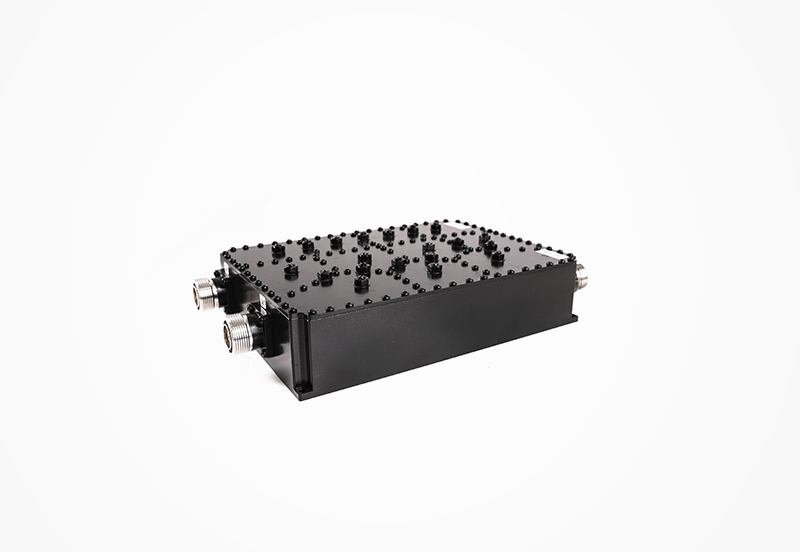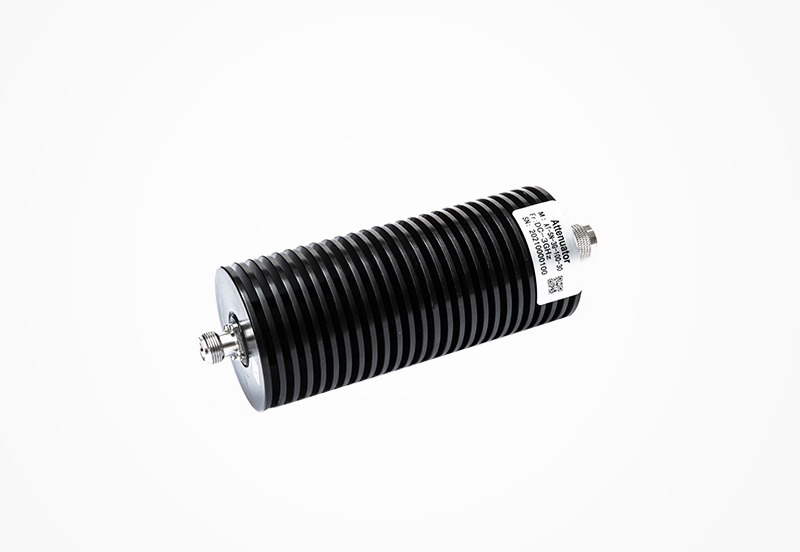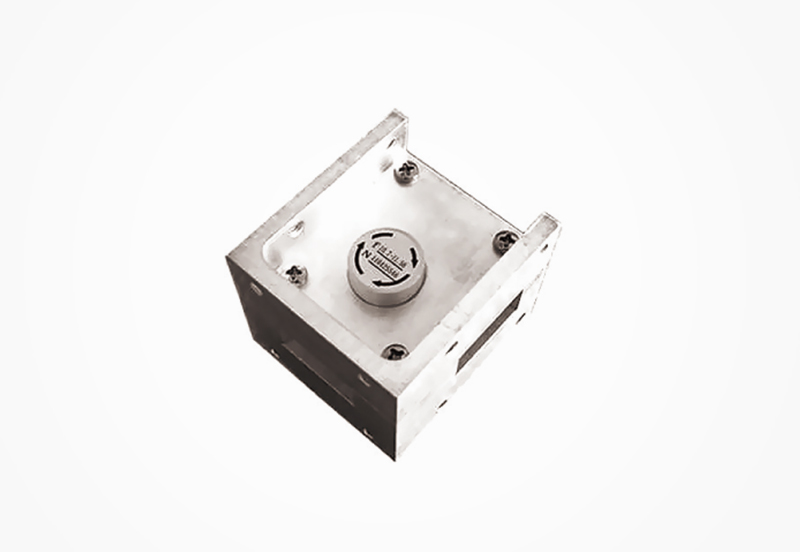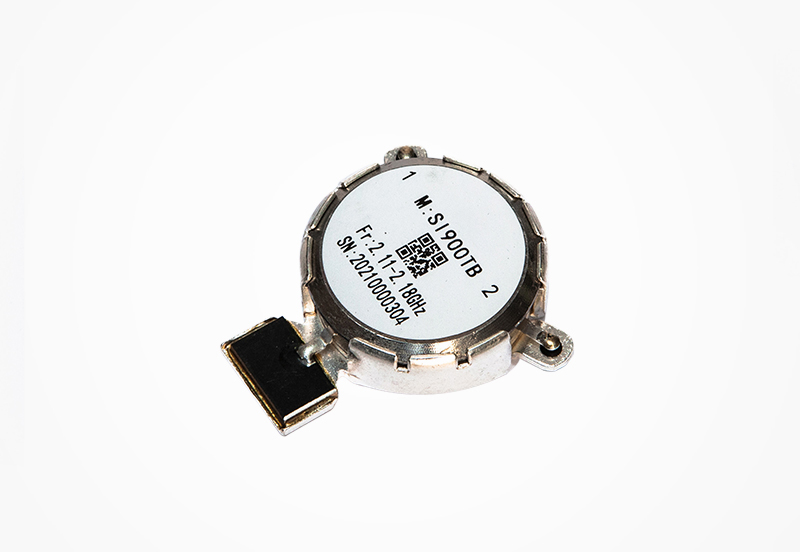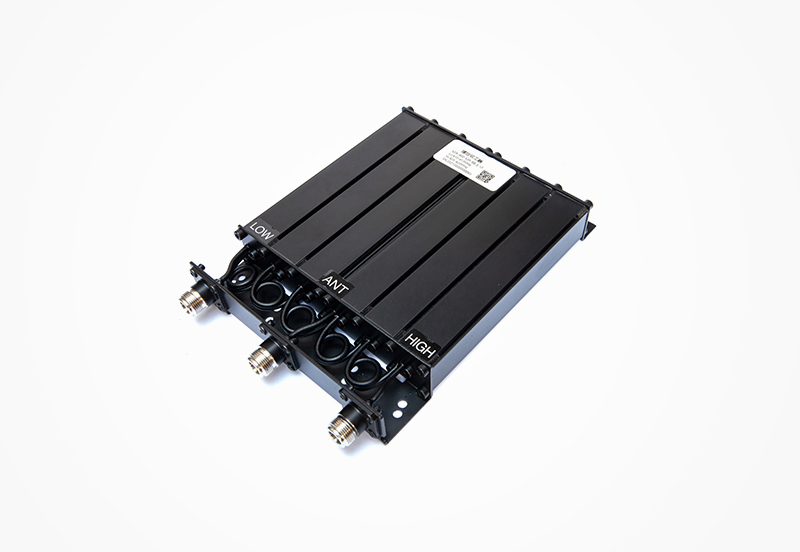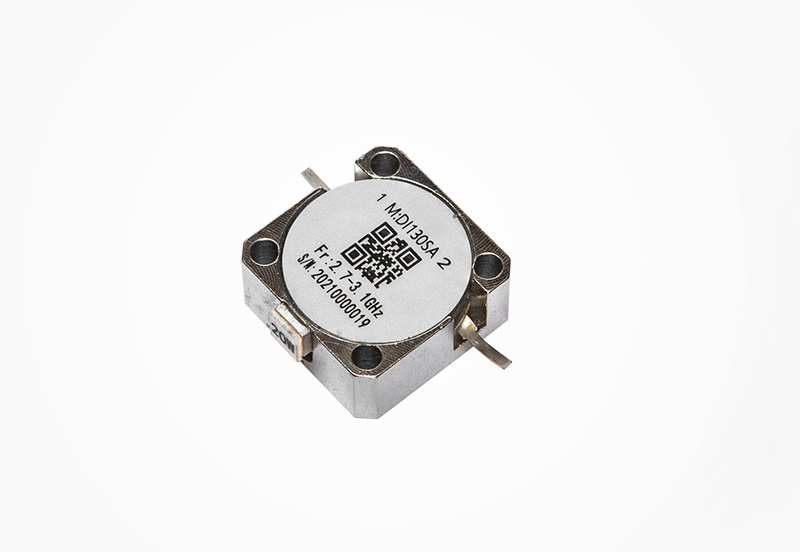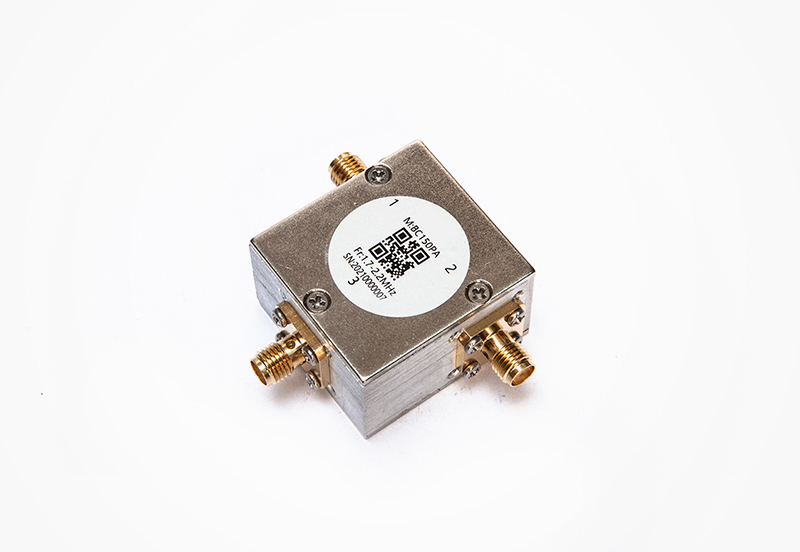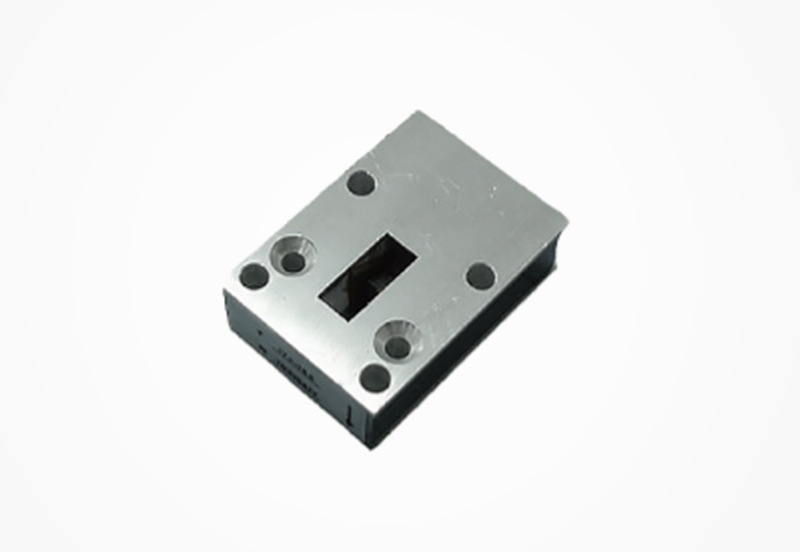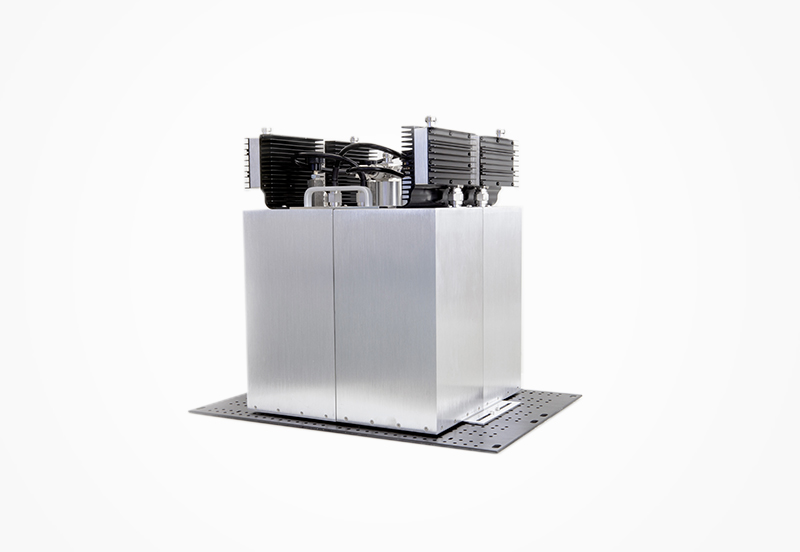


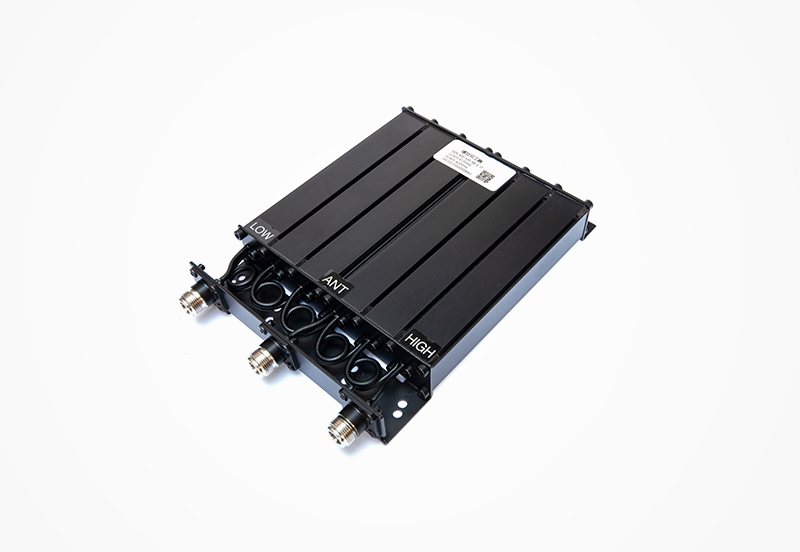
Ceramic block RF duplexers are miniaturized high-performance frequency-selective components widely used in modern wireless communication terminal front ends, integrating filtering and transceiving duplexing functions in a single ceramic dielectric block. Different from traditional discrete duplexers composed of resonant cavities and metal filters, ceramic block duplexers adopt high-dielectric-constant ceramic materials as the dielectric substrate, with metal electrodes printed on the ceramic surface to form integrated resonant circuits. This integrated structure features ultra-small size, low insertion loss, high out-of-band rejection, and excellent temperature stability, making it the mainstream duplexing solution for smartphones, IoT terminals, and portable wireless devices. It can effectively separate uplink and downlink signals of FDD communication systems and suppress in-band and out-of-band interference signals.
The core working principle of ceramic block RF duplexers is based on the dielectric resonance characteristics of high-performance ceramic materials. The selected ceramic dielectric materials have high dielectric constant, low dielectric loss, and stable temperature characteristics, which can form high-Q resonant cavities inside the compact block structure. By precisely designing the size of ceramic blocks and the distribution of metal electrodes, two independent filter channels for uplink and downlink are constructed inside the duplexer. The uplink channel allows low-power terminal transmitting signals to pass through and suppresses downlink interference, while the downlink channel filters and receives base station downlink signals and isolates uplink high-power clutter. The integrated ceramic block structure eliminates the signal loss and performance inconsistency caused by discrete device assembly, greatly improving the overall filtering and duplexing performance.
Ceramic block duplexers possess outstanding performance advantages compared with traditional duplexer products. First, their ultra-miniaturized size adapts to the ultra-thin and lightweight design requirements of modern communication terminals, saving valuable PCB layout space. Second, the high-Q dielectric resonance structure ensures low insertion loss in the passband, reducing signal power attenuation and improving terminal communication sensitivity. Third, they achieve ultra-high out-of-band rejection (above 40 dB), which can effectively suppress adjacent-frequency interference, harmonic interference, and spurious signals in complex electromagnetic environments. In addition, the integral ceramic structure has good mechanical shock resistance, vibration resistance, and humidity resistance, with stable performance in the temperature range of -40℃ to +85℃, meeting the harsh working conditions of mobile terminals.
At present, ceramic block RF duplexers are widely applied in 4G LTE, 5G NSA/SA, Bluetooth, and Wi-Fi communication terminals. With the continuous improvement of communication system spectrum complexity and terminal integration, ceramic block duplexers are developing towards multi-band integration, ultra-low loss, and high isolation. Multi-in-one ceramic duplexers that integrate multiple frequency band duplexing functions are gradually replacing single-band discrete devices, further reducing terminal front-end size and cost. Their excellent comprehensive performance makes ceramic block duplexers irreplaceable core components of miniaturized wireless communication RF front ends.


Contact Phone:
+86-0755-26701085
+86-0755-26701002
Company Address :
2nd Floor, Building A, Juchuang Jingu Creative Park, Xili Street, Nanshan, Shenzhen


 CN