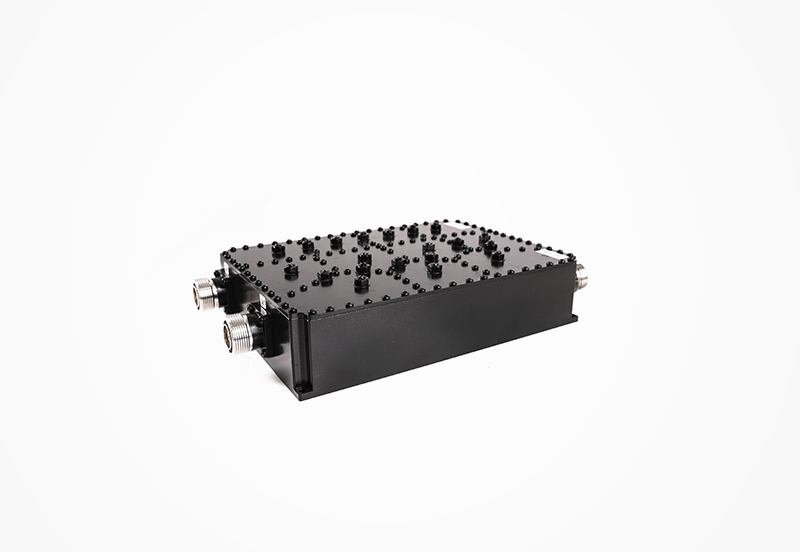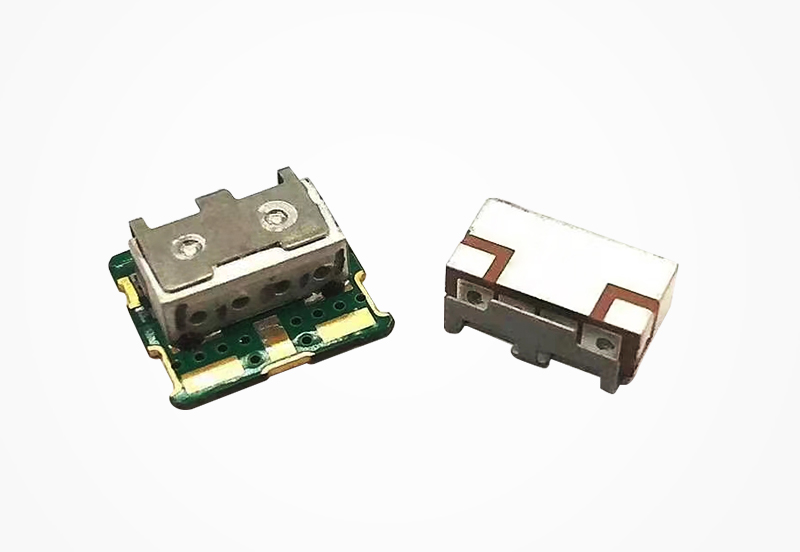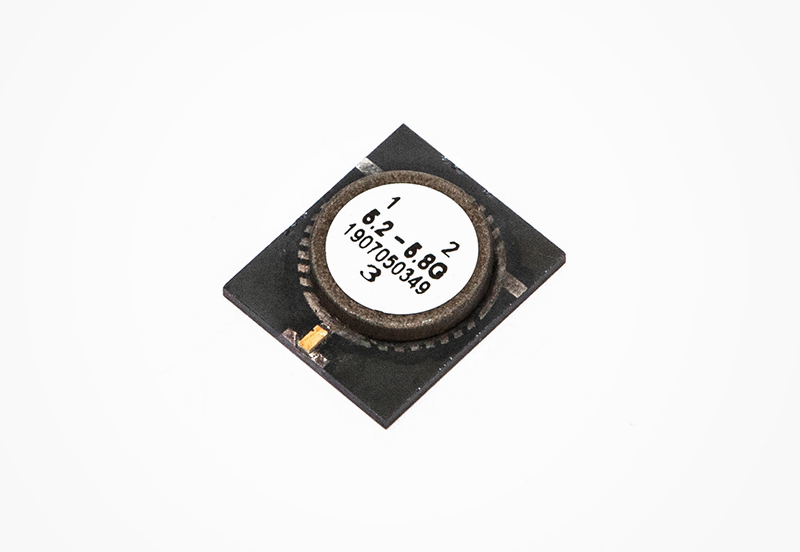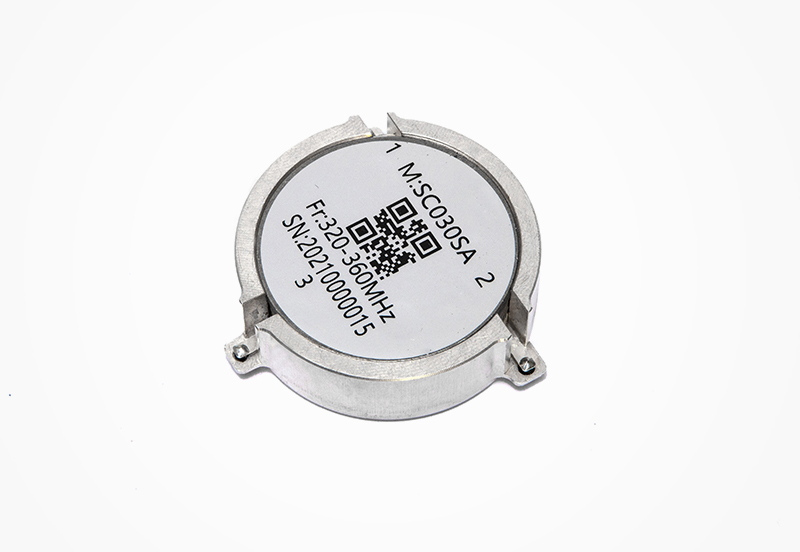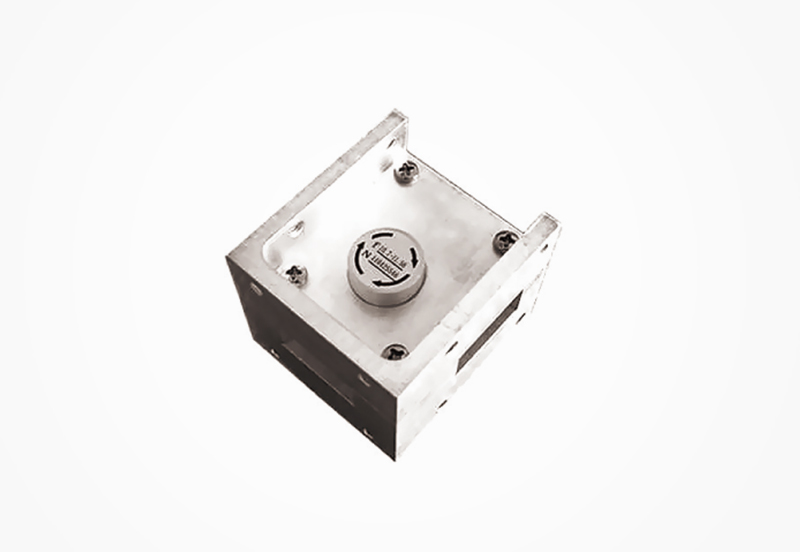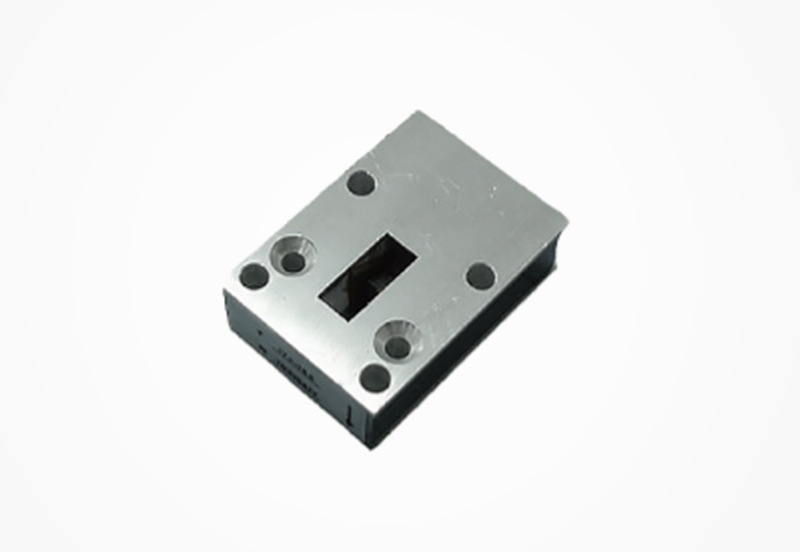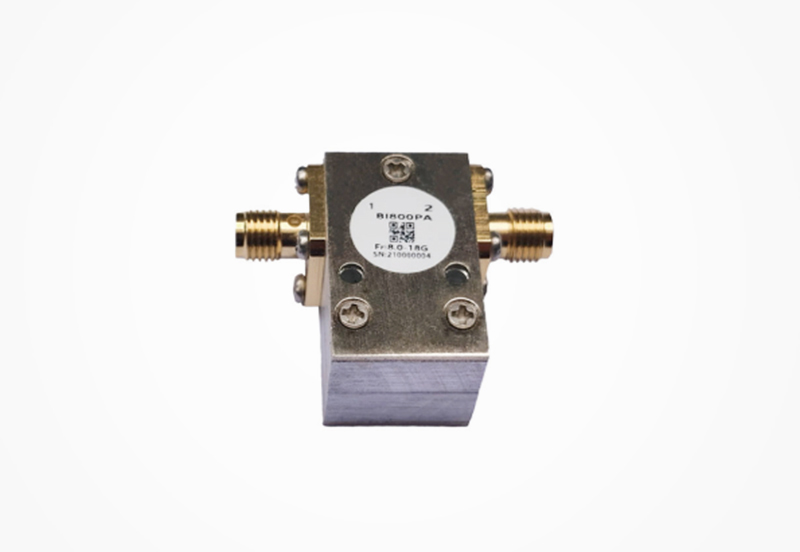


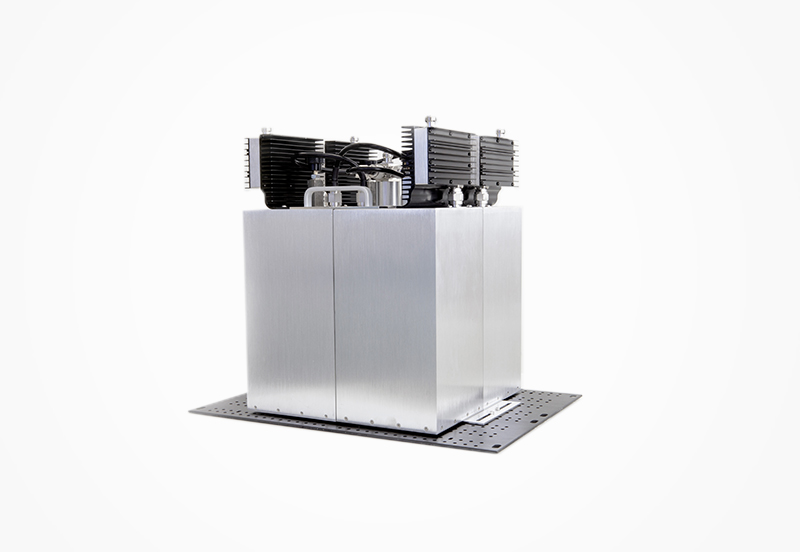
The 2-way 0-degree RF combiner is a fundamental passive radio frequency component designed for equal-phase signal splitting and combining in wireless communication and RF signal processing systems. Unlike phase-shifting combiners, this device maintains a consistent 0-degree phase difference between all input and output ports, ensuring that RF signals transmitted or combined through different channels retain identical phase characteristics without additional phase offset distortion. This core feature makes it an indispensable component for systems requiring strict phase consistency of multi-channel RF signals. Structurally, the 2-way 0-degree RF combiner adopts a symmetrical transmission line layout, with two independent input ports and one unified output port (or one input port and two output ports for signal splitting mode), realizing equal power distribution and synthesis of RF signals in the operating frequency band.
In terms of working principle, the component utilizes the impedance matching principle of microwave transmission lines. The internal precision-designed microstrip lines or coaxial lines ensure that the signal transmission path length and impedance of the two channels are completely consistent. When two independent RF signals with the same frequency and phase are input from the two ports, they are superimposed and synthesized into a single stable signal at the output end with zero phase difference; when a single signal is input, it is evenly split into two equal-power, equal-phase output signals. The product is optimized for wide-band frequency response, with low insertion loss throughout the operating frequency range, usually controlled within 0.3dB, which effectively avoids signal power attenuation and ensures high-efficiency signal transmission.
In terms of performance advantages, the 2-way 0-degree RF combiner features excellent phase stability, low voltage standing wave ratio (VSWR), and high power bearing capacity. The typical VSWR is less than 1.2:1, which minimizes signal reflection and resonance interference in the system. Its symmetrical structural design also guarantees high port isolation, avoiding mutual crosstalk between two signal channels. In practical applications, this combiner is widely used in indoor signal coverage systems, base station signal distribution, wireless broadcasting equipment, and general RF signal test systems. It is especially suitable for scenarios that prohibit phase distortion, such as multi-antenna synchronous signal transmission, dual-channel signal superposition, and laboratory RF signal calibration. Compared with phase-shifting combiners, the 0-degree design simplifies system phase debugging, reduces system error rates, and improves the overall stability and consistency of RF signal systems, making it the most basic and widely used combiner type in medium and low-power RF signal processing scenarios.


Contact Phone:
+86-0755-26701085
+86-0755-26701002
Company Address :
2nd Floor, Building A, Juchuang Jingu Creative Park, Xili Street, Nanshan, Shenzhen


 CN