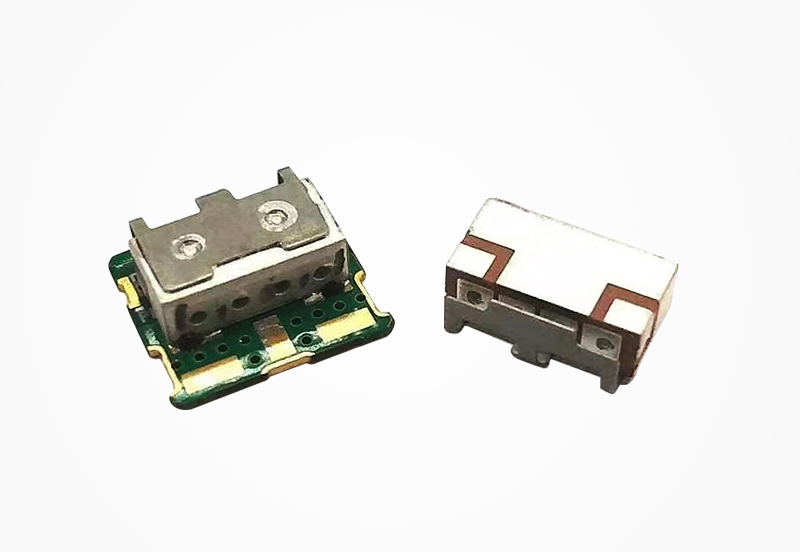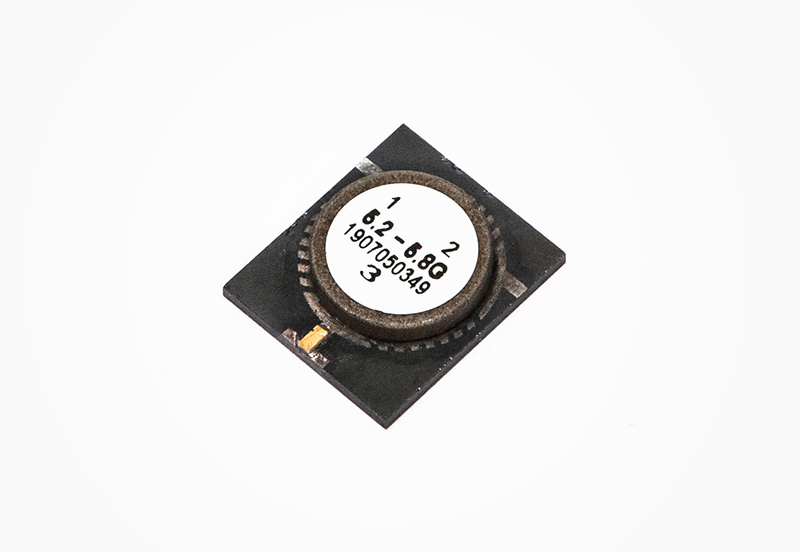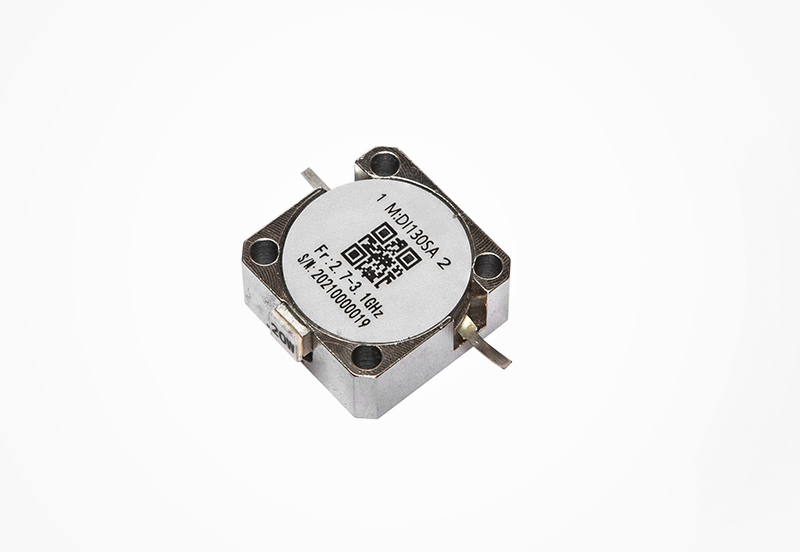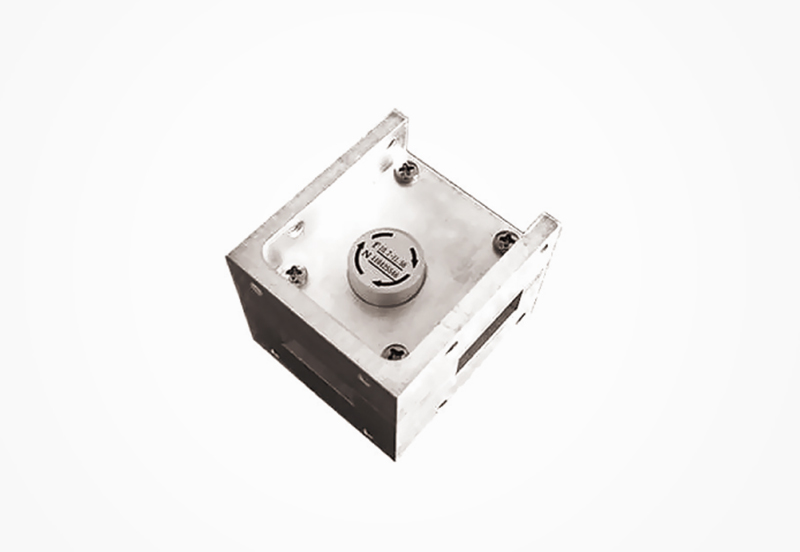

Microstrip hairpin filters are planar microwave filter structures optimized for printed circuit board (PCB) integration, featuring a compact hairpin-shaped resonant microstrip line layout. With the rapid miniaturization and planarization of modern wireless communication devices, traditional bulky cavity filters and discrete LC filters can no longer meet the requirements of high integration and low profile. Microstrip hairpin filters, as a typical planar bandpass filter, adopt folded open-loop resonant microstrip lines, which effectively reduce the circuit occupation area while maintaining excellent frequency filtering performance. They are widely applied in planar RF circuits such as wireless transceivers, antenna feed networks, and microwave sensor systems, becoming a key component for miniaturized planar communication system design.
The working principle of microstrip hairpin filters is based on the resonant characteristics of folded microstrip transmission lines. The hairpin-shaped structure is formed by folding a half-wavelength microstrip resonator, which greatly shortens the longitudinal size of the filter compared with straight resonant microstrip lines. Adjacent hairpin resonators realize electromagnetic coupling through gap coupling, forming a continuous passband for target frequency signals and suppressing out-of-band interference. Designers adjust the length, width, folding spacing of microstrip lines and the coupling gap between resonators to control the resonant frequency, passband bandwidth, and stopband attenuation. The planar structure of the filter is completely compatible with conventional PCB manufacturing processes, enabling integrated fabrication with other RF circuits without additional assembly components, which significantly reduces production costs and equipment volume.
Microstrip hairpin filters possess unique advantages in planar integration and performance balance. Compared with traditional parallel-coupled microstrip filters, the hairpin structure has a more compact layout, smaller size, and lower insertion loss. Meanwhile, they feature good spurious suppression performance, effectively avoiding interference from harmonic signals in microwave frequency bands. In practical engineering applications, multi-stage hairpin filter arrays can be designed to improve stopband rejection depth for high-isolation filtering scenarios. With the development of 5G IoT, wearable devices, and miniaturized microwave communication equipment, microstrip hairpin filters have become the preferred planar filtering solution due to their simple structure, low cost, easy integration, and excellent microwave frequency response, promoting the lightweight and planar development of modern RF communication systems.


Contact Phone:
+86-0755-26701085
+86-0755-26701002
Company Address :
2nd Floor, Building A, Juchuang Jingu Creative Park, Xili Street, Nanshan, Shenzhen


 CN
CN