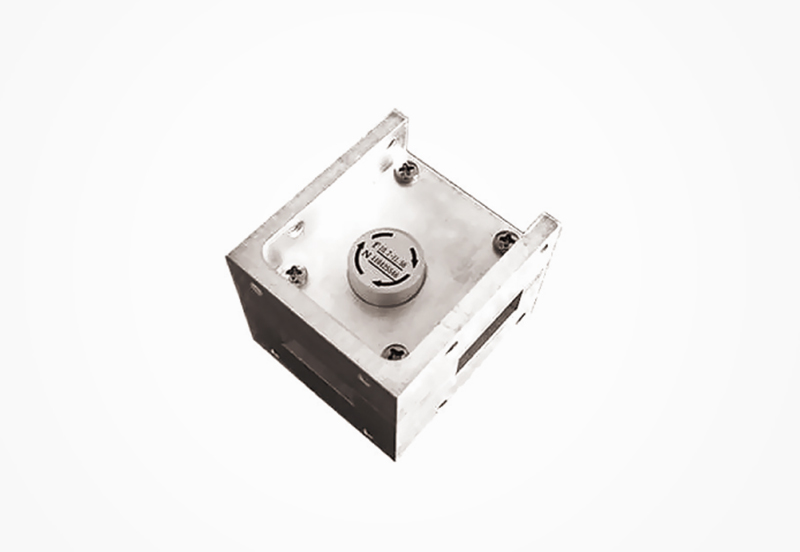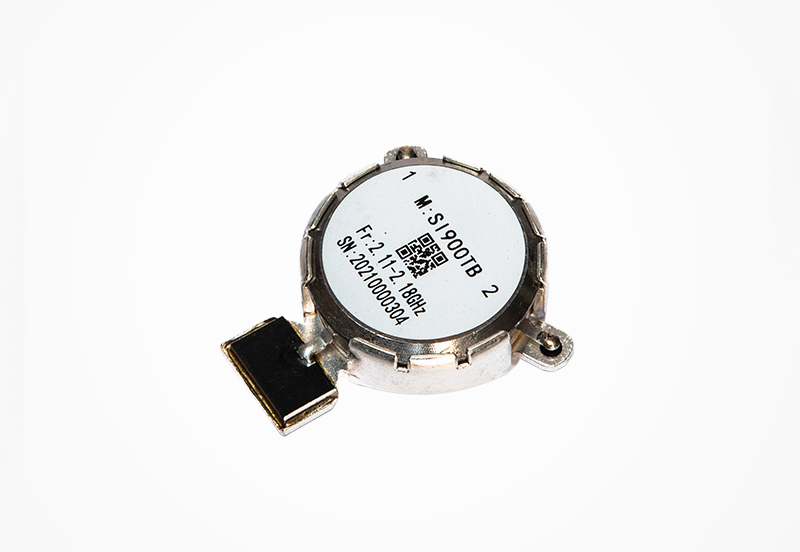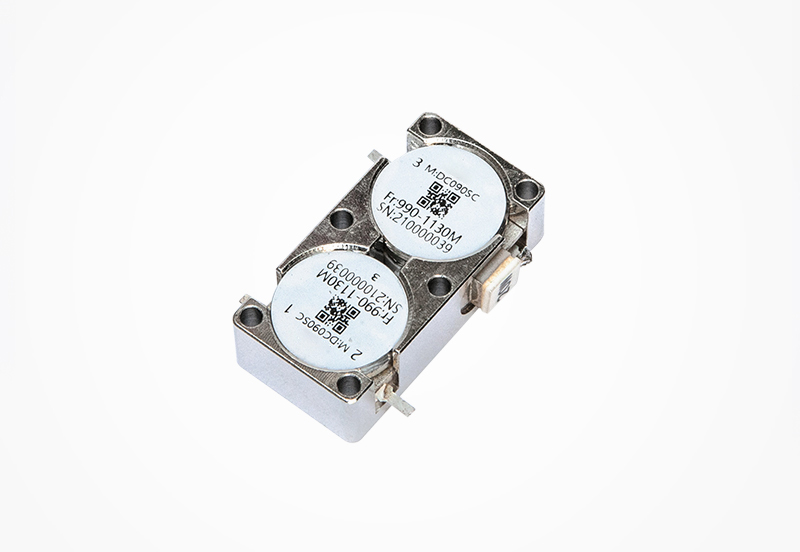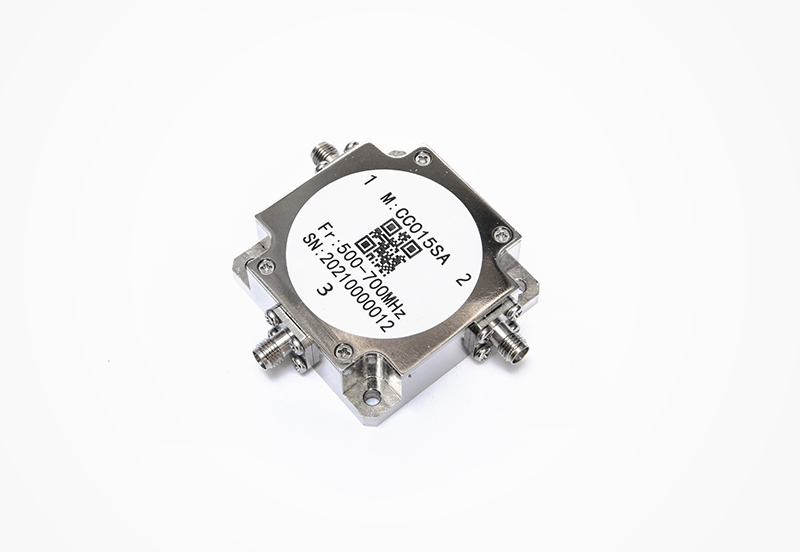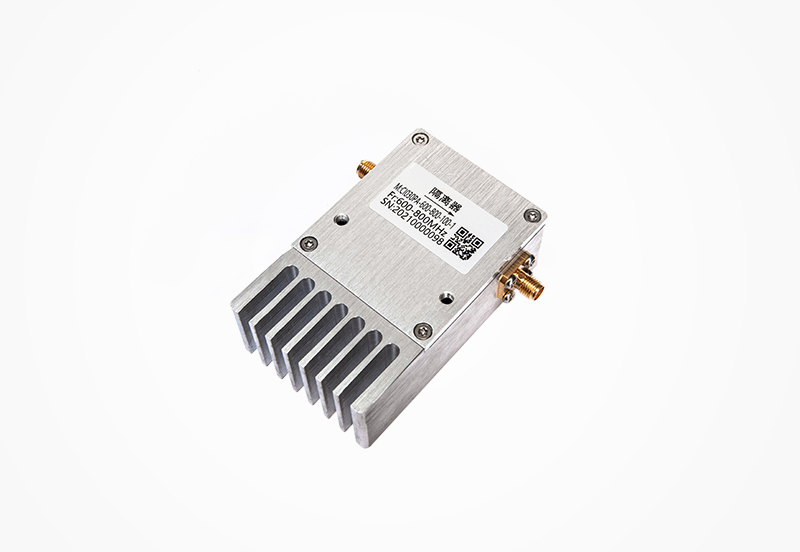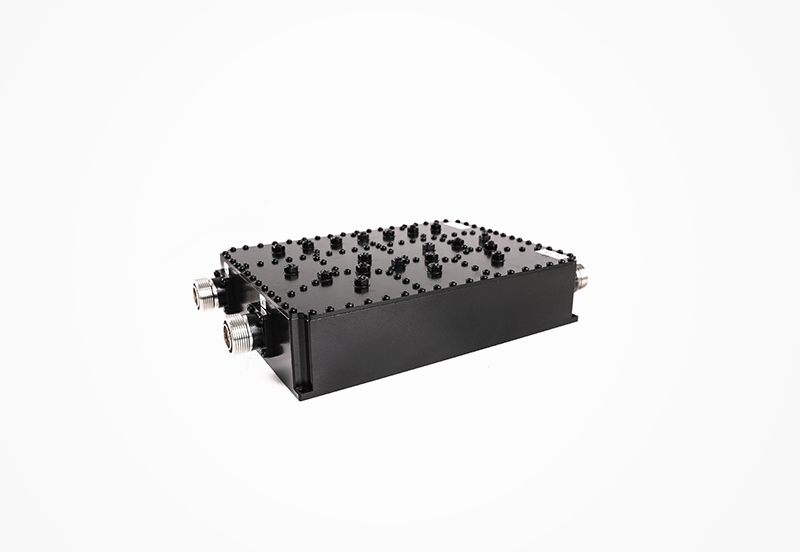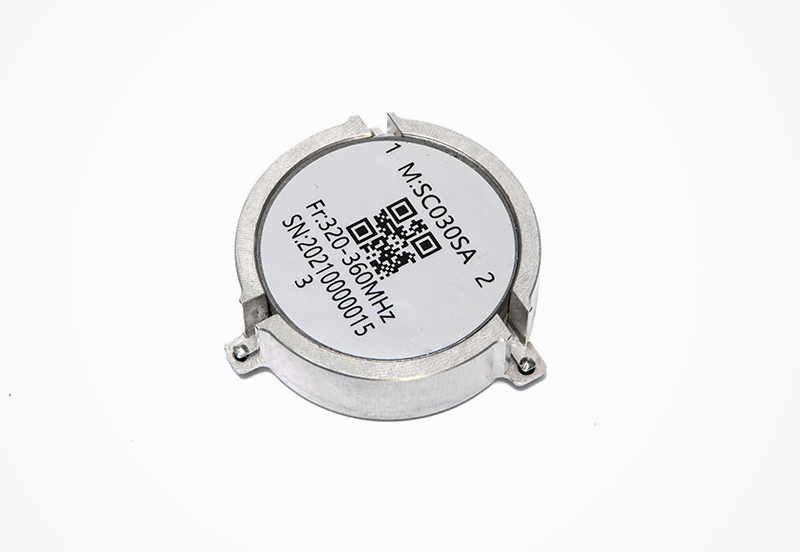

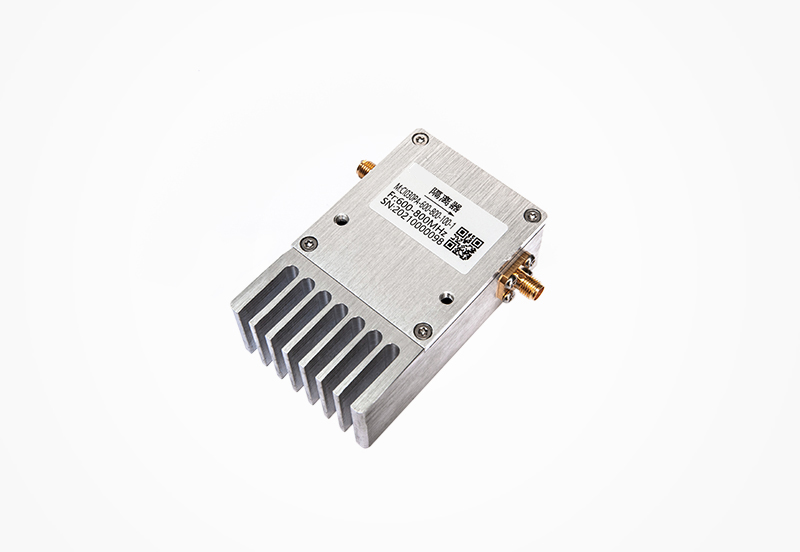
Continuous wave (CW) operation represents the most stringent operating condition for microwave isolators, requiring long-term stable performance under sustained constant power input without intermittent power cycling or signal interruption. Unlike pulsed operation that allows periodic heat dissipation and stress relief, CW operation subjects isolator core components to persistent electromagnetic load and continuous thermal accumulation, making reliability the core evaluation index of industrial, aerospace, and communication-grade isolators. The fundamental working mechanism of CW isolators relies on the Faraday rotation effect of magnetized ferrite materials, which achieves non-reciprocal signal transmission with low forward insertion loss and high reverse isolation. Under long-term CW excitation, the ferrite core, permanent magnet bias structure, and internal absorbing load will face cumulative performance attenuation risks, making targeted reliability design and performance verification essential for practical applications.
Thermal stability is the primary factor determining isolator reliability under CW operation. Sustained microwave power transmission generates continuous dielectric loss and magnetic loss in the ferrite medium, leading to gradual temperature rise inside the device. For high-power CW scenarios with power levels ranging from tens of watts to kilowatts, unmanaged heat accumulation will cause thermal drift of ferrite magnetic permeability and saturation magnetization, resulting in increased forward insertion loss, reduced reverse isolation, and distorted signal transmission characteristics. High-quality CW isolators adopt high-temperature resistant yttrium iron garnet (YIG) or manganese-zinc ferrite materials with stable magnetic properties within the temperature range of -40°C to 125°C, matching with integrated heat dissipation structures such as aluminum alloy heat sinks and gradient impedance matching layers to homogenize internal temperature distribution. This structural design effectively avoids local overheating and performance degradation caused by long-term continuous power operation.
Long-term electromagnetic fatigue and structural stability further affect CW operation reliability. Prolonged continuous electromagnetic field excitation will induce minor magnetic domain displacement in the ferrite core, leading to subtle attenuation of magnetic bias performance over thousands of hours of operation. Meanwhile, the internal resistive load that absorbs reverse reflected power bears continuous energy dissipation pressure, and long-term CW power impact may cause aging of absorbing materials and reduced power tolerance. Reliability validation tests for CW isolators typically include 1000-hour continuous power operation, high and low temperature cycling, and vibration aging tests. Qualified industrial and aerospace-grade isolators can maintain insertion loss fluctuation below 0.3dB and isolation above 20dB after long-term CW operation, with no magnetic saturation or structural failure, ensuring stable and reliable operation of microwave systems in long-duration continuous working scenarios.
In addition, environmental adaptability is an auxiliary guarantee of CW operating reliability. In outdoor and aerospace working environments, continuous wave operation is accompanied by temperature changes, humidity erosion, and mechanical vibration. Isolators for long-term CW service adopt fully sealed packaging structures and anti-oxidation coating processes to prevent moisture and dust from invading internal components. The optimized permanent magnet bias design avoids magnetic field attenuation caused by long-term thermal aging, ensuring consistent non-reciprocal transmission performance. Overall, excellent CW reliability is the comprehensive result of high-performance ferrite materials, optimized thermal design, stable structural configuration, and strict aging verification, which is indispensable for high-stability microwave communication and radar systems.


Contact Phone:
+86-0755-26701085
+86-0755-26701002
Company Address :
2nd Floor, Building A, Juchuang Jingu Creative Park, Xili Street, Nanshan, Shenzhen


 CN
CN