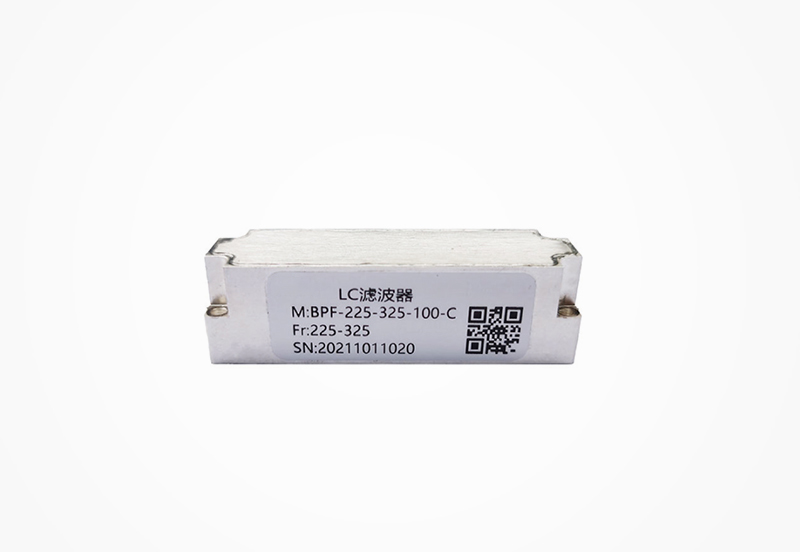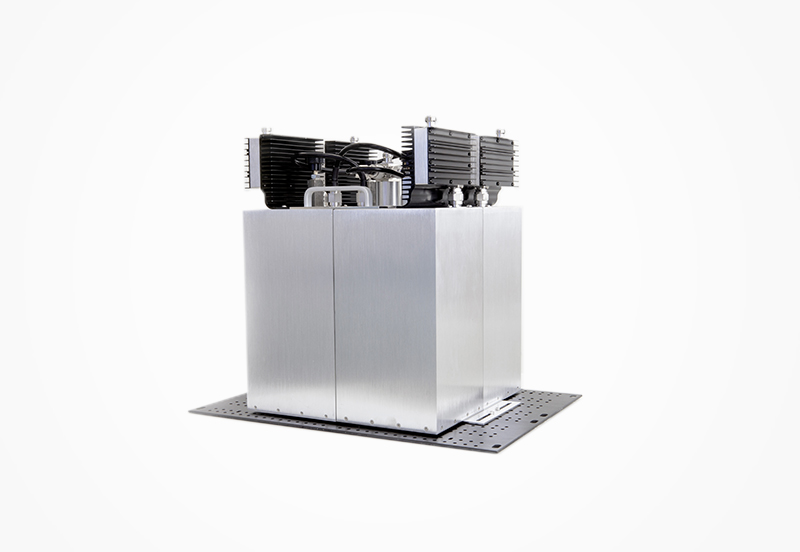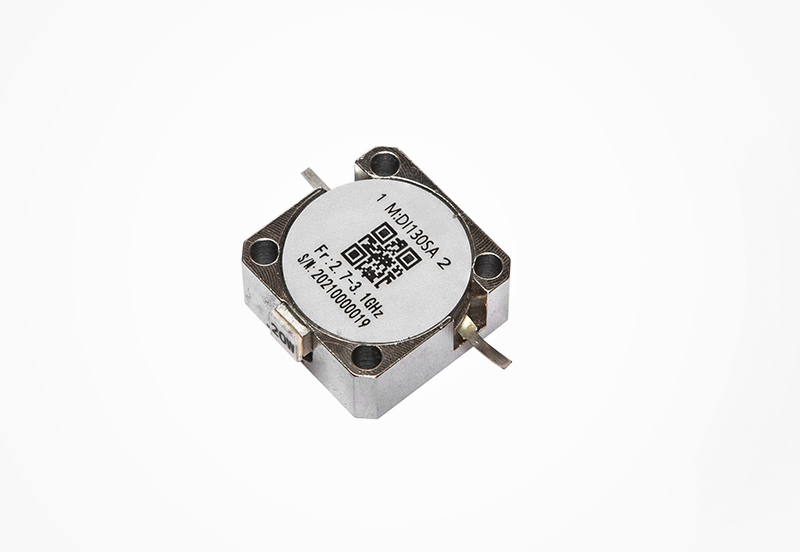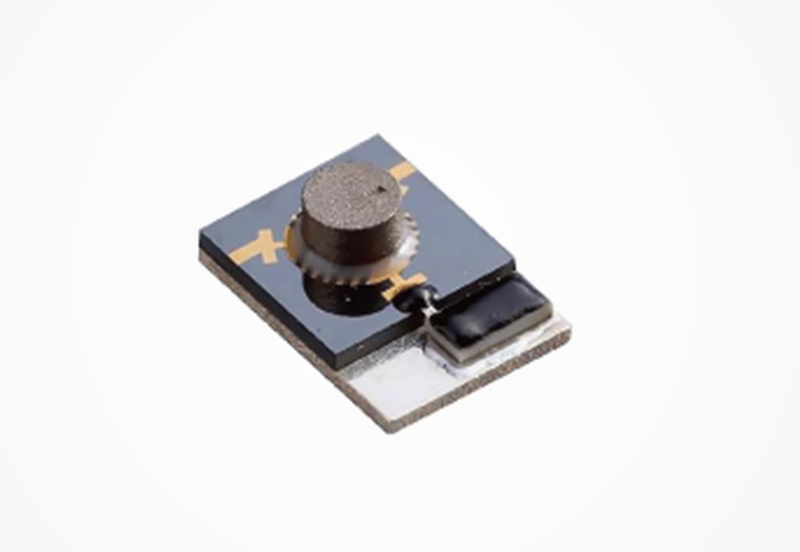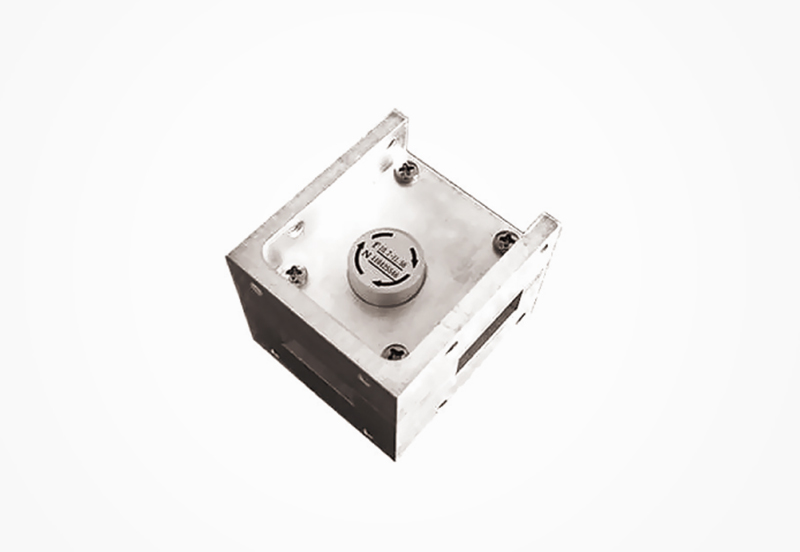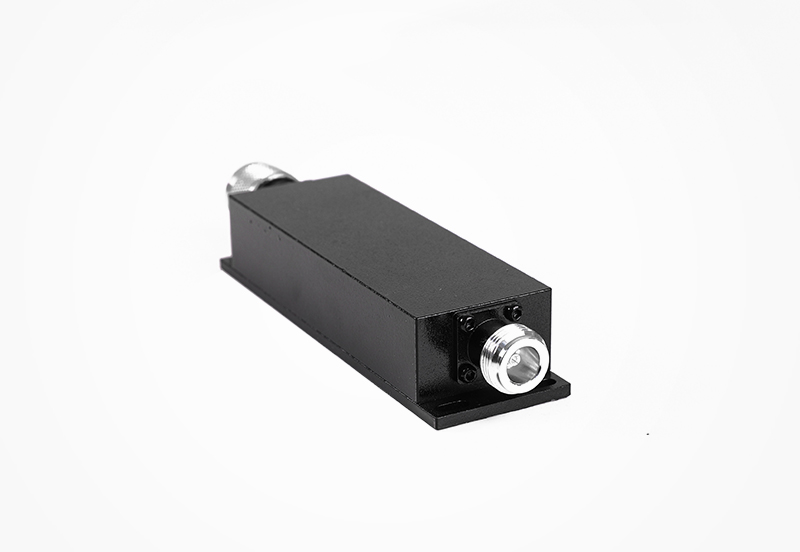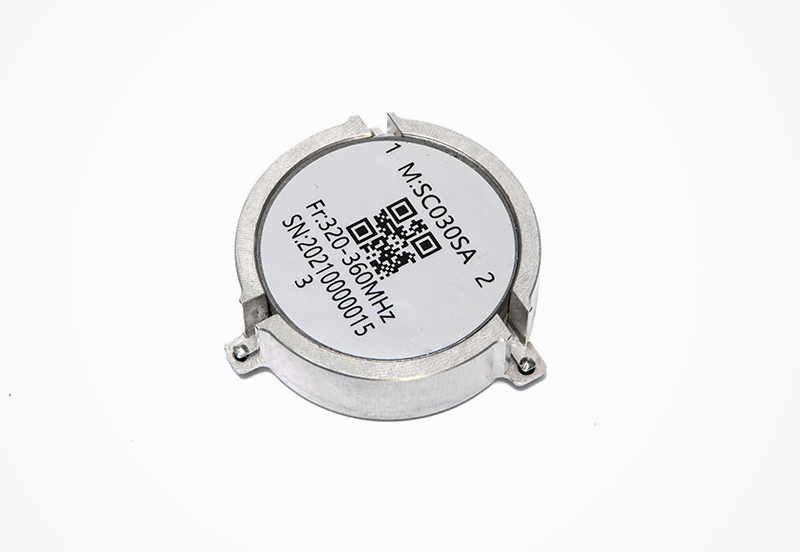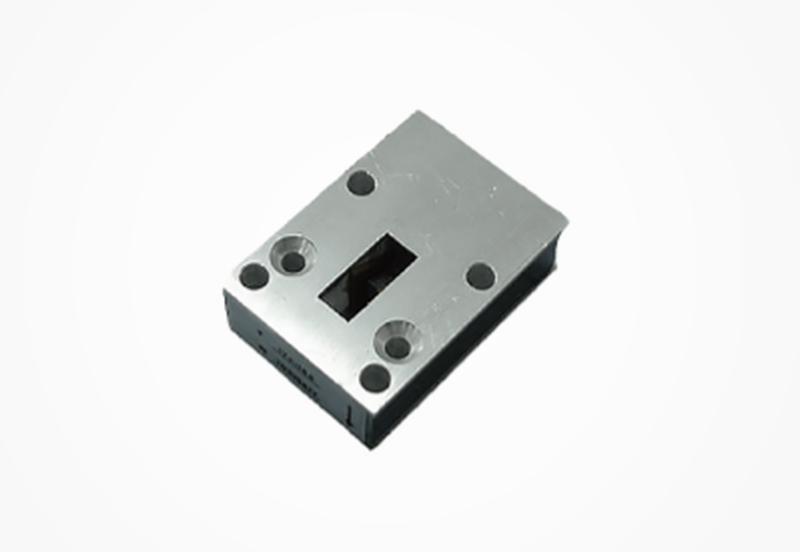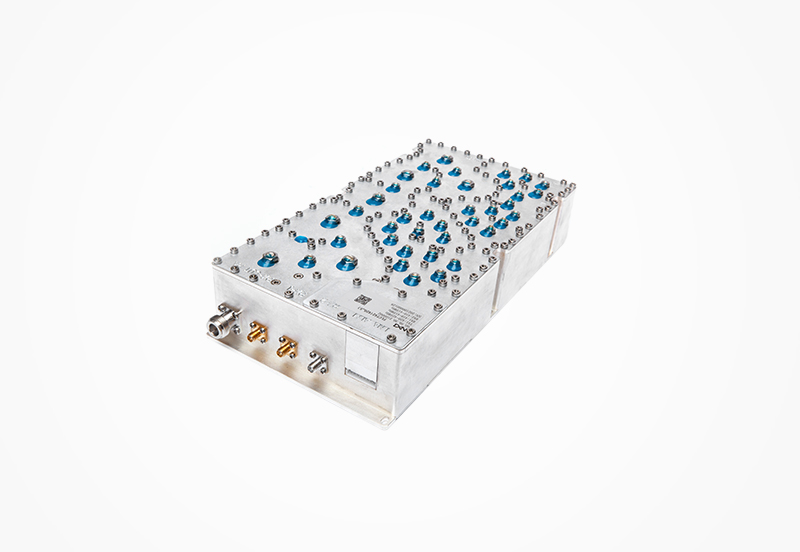

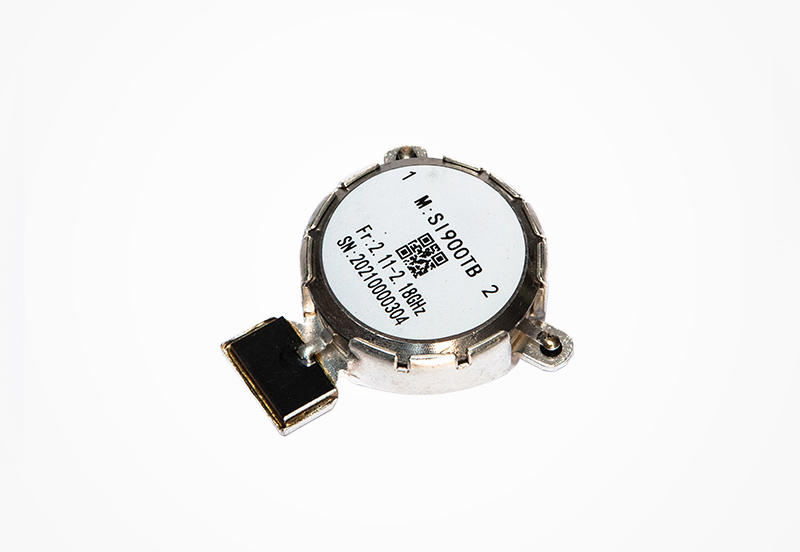
Broadband response is a core performance indicator of modern RF isolators, and the design of impedance matching networks is the key to breaking the narrow-band limitation of traditional ferrite isolators. Conventional single-stage isolators rely on fixed resonant ferrite structures, which only maintain optimal impedance matching and isolation characteristics in a narrow frequency range, failing to meet the multi-band, wide-frequency operation requirements of 5G communication, broadband radar, and test measurement systems. A well-designed broadband matching network can flatten the insertion loss curve, stabilize voltage standing wave ratio (VSWR), and maintain high isolation across a wide frequency spectrum, realizing efficient unidirectional signal transmission in broadband microwave systems.
The core principle of broadband matching network design is to compensate the frequency-dependent impedance variation of ferrite isolator cores through multi-stage impedance gradient matching. Ferrite materials exhibit variable permeability and dielectric constant with frequency changes, leading to impedance drift and matching deviation in wide frequency bands. Designers adopt stepped impedance transformer structures, including low-impedance transition sections and high-impedance buffer sections, to form a continuous impedance matching gradient between the isolator core and system transmission line. This multi-stage gradient structure eliminates impedance mutation points, suppresses signal reflection at different frequencies, and effectively expands the effective working bandwidth of the isolator. Compared with single-point matching design, multi-stage gradient matching can increase the relative bandwidth of isolators from less than 10% to more than 40%.
Compound matching network structures combining lumped and distributed parameters further optimize broadband response performance. In low and medium frequency bands, lumped components such as high-precision inductors and capacitors are used to construct resonant compensation networks, offsetting the low-frequency impedance attenuation of ferrite cores. In high-frequency bands above 3 GHz, distributed microstrip line matching structures replace lumped components to avoid parasitic parameter interference, ensuring high-frequency signal transmission stability. The hybrid matching design solves the problem of insufficient low-frequency gain and high-frequency distortion in pure distributed matching networks, achieving flat insertion loss and return loss performance across ultra-wide frequency bands.
Simulation optimization and tolerance analysis are essential links in broadband matching network design. Using electromagnetic simulation software, designers iterate and optimize the size, spacing, and electrical parameters of matching network units, screen out optimal structural parameters, and suppress spurious resonance and harmonic interference in broadband operation. Meanwhile, considering component tolerance, temperature drift, and assembly errors in mass production, the matching network is designed with redundant bandwidth margins to ensure consistent broadband performance in batch products. After optimization, the broadband isolator can maintain insertion loss below 0.5 dB and isolation above 20 dB in the full working band, fully meeting the technical requirements of modern broadband microwave systems.


Contact Phone:
+86-0755-26701085
+86-0755-26701002
Company Address :
2nd Floor, Building A, Juchuang Jingu Creative Park, Xili Street, Nanshan, Shenzhen


 CN
CN