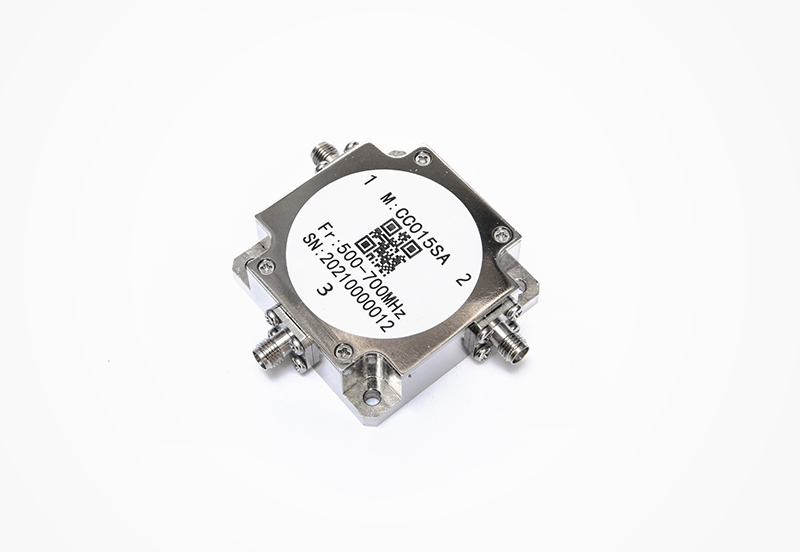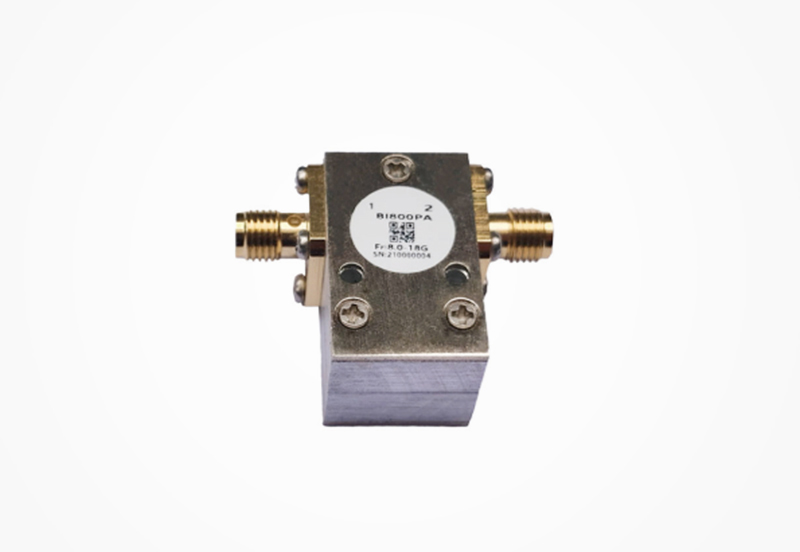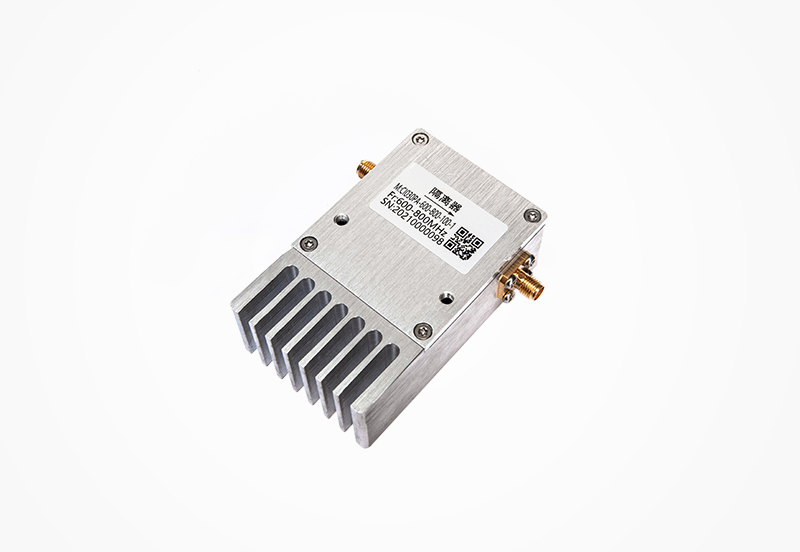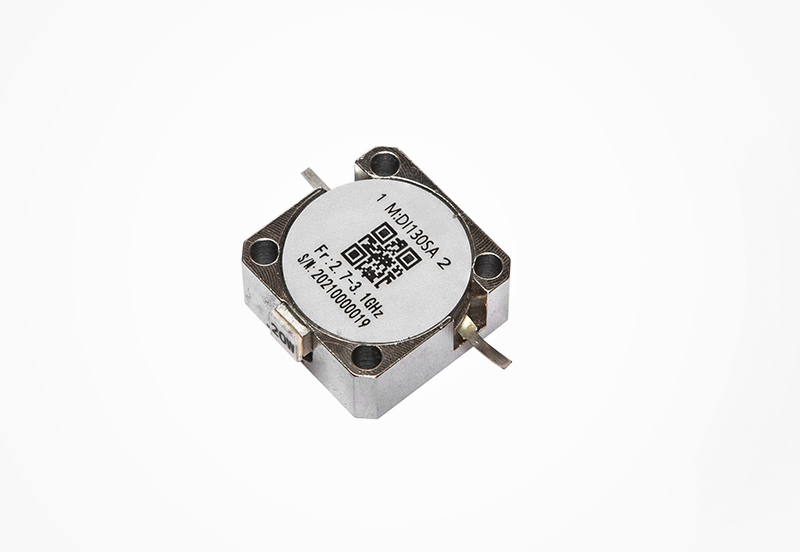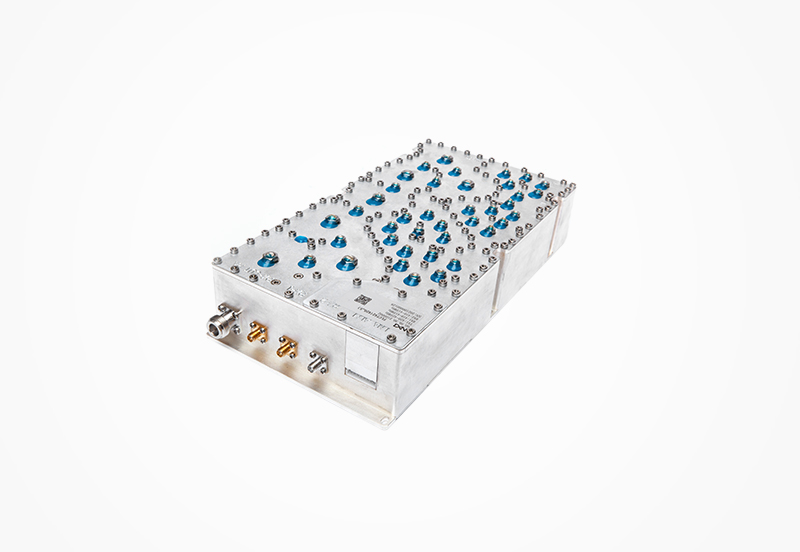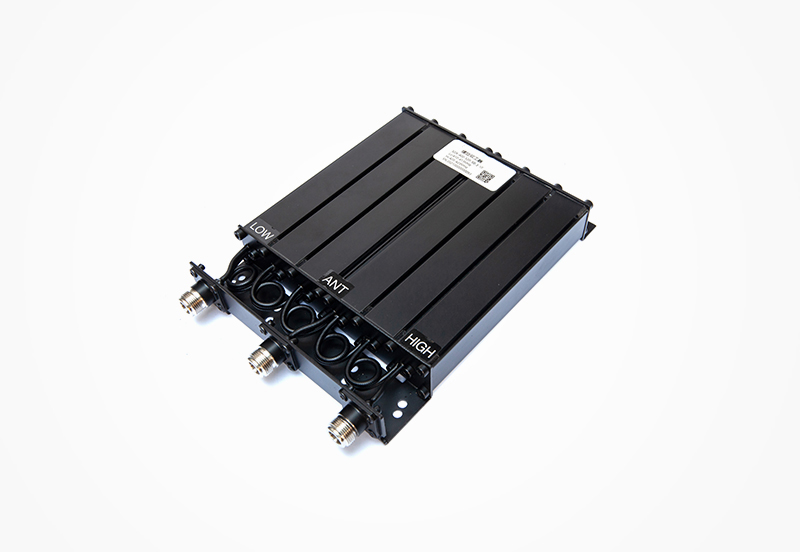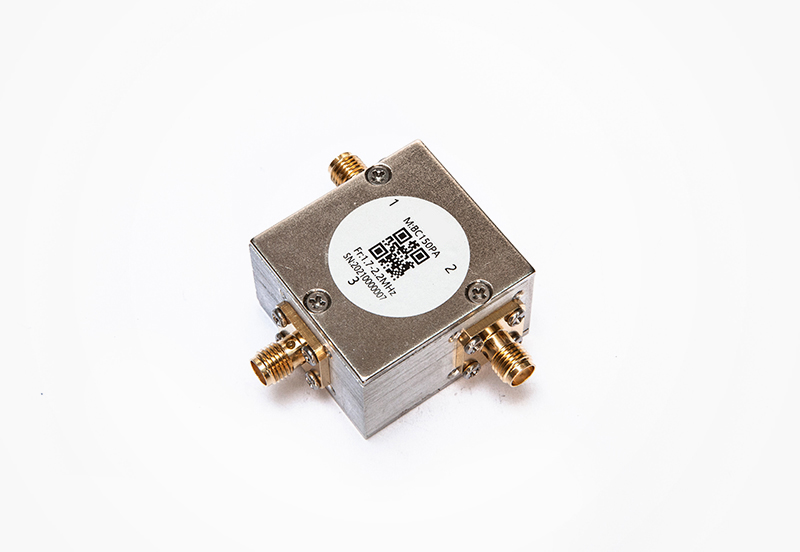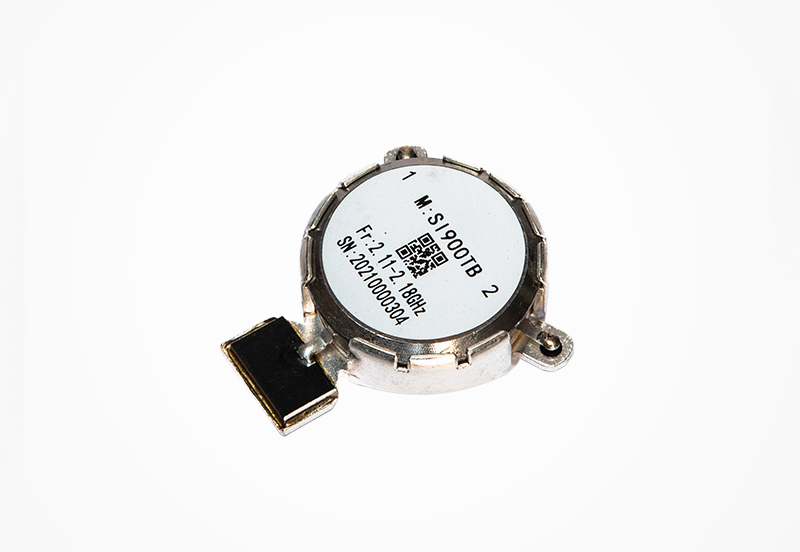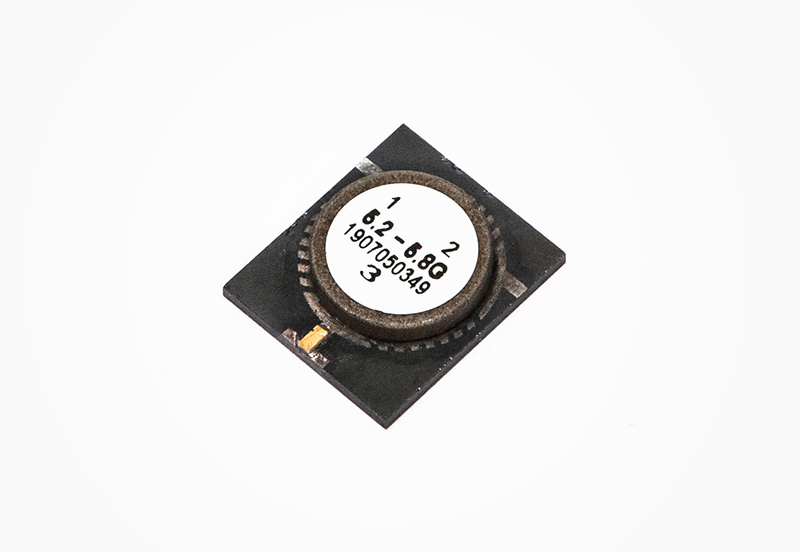

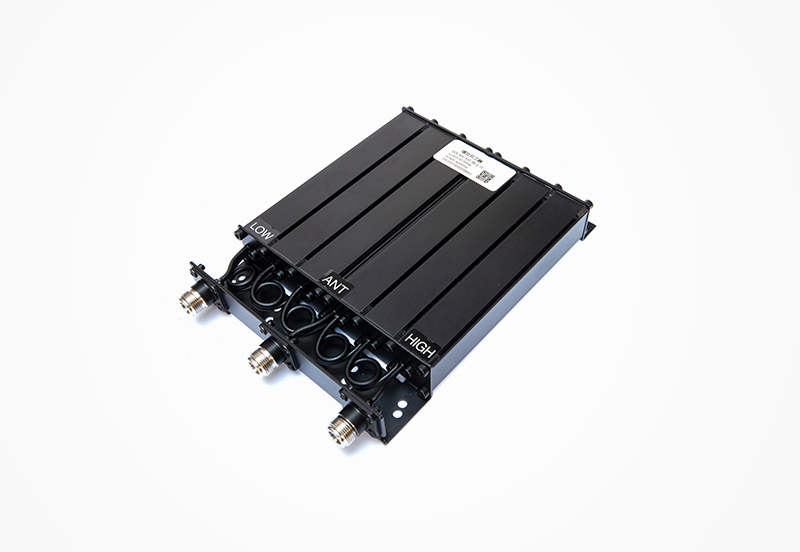
Tx-to-Rx leakage is one of the most critical performance metrics for radio frequency (RF) duplexers, directly determining the communication system’s anti-interference capability and receiving sensitivity. In frequency division duplex (FDD) communication systems, transmit (Tx) and receive (Rx) channels operate simultaneously at adjacent frequency bands with minimal frequency spacing, making signal isolation the core design challenge. The duplexer’s inherent isolation limitation allows a portion of high-power Tx signal energy to leak into the low-noise receive channel. This leakage signal does not directly cause signal distortion but elevates the noise floor of the Rx front-end, compresses the dynamic range of the low-noise amplifier (LNA), and ultimately triggers receiver desensitization, a phenomenon where the receiver’s effective signal detection capability declines significantly.
The mechanism of Tx-to-Rx leakage stems from the finite stopband rejection and port isolation characteristics of duplexer filter units. Conventional acoustic wave and microstrip duplexers cannot achieve infinite isolation between Tx and Rx ports, especially at high transmit power levels ranging from watts to tens of watts. Small insertion loss deviations and impedance mismatches in the passband will generate residual signal coupling. Typical handheld radio and base station systems feature Tx power up to 30–40 dBm, while the Rx channel needs to capture weak signals below -100 dBm. Even a tiny leakage of 20–30 dBm can completely submerge target weak signals, leading to increased bit error rates, communication disconnection, and reduced coverage distance. Environmental factors such as temperature drift and mechanical vibration will further deteriorate isolation performance and exacerbate leakage issues.
Desensitization analysis requires systematic testing of leakage power, isolation attenuation, and receiver noise figure correlation. Quantitative evaluation indicators include Tx-Rx port isolation, in-band leakage power, and desensitization threshold. Engineering optimization strategies mainly include enhancing stopband rejection of Tx and Rx filters, optimizing impedance matching networks at three ports, and adding isolated grounding structures. In addition, adaptive power calibration and front-end switching suppression technologies can effectively reduce the impact of leakage signals. Accurate leakage modeling and desensitization simulation in the design stage can predict system performance degradation, providing reliable theoretical support for duplexer parameter iteration and system-level anti-interference design.


Contact Phone:
+86-0755-26701085
+86-0755-26701002
Company Address :
2nd Floor, Building A, Juchuang Jingu Creative Park, Xili Street, Nanshan, Shenzhen


 CN
CN