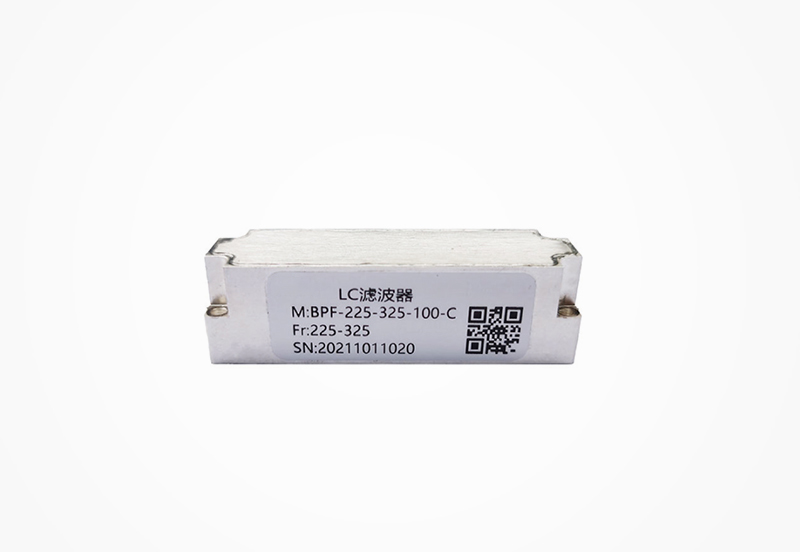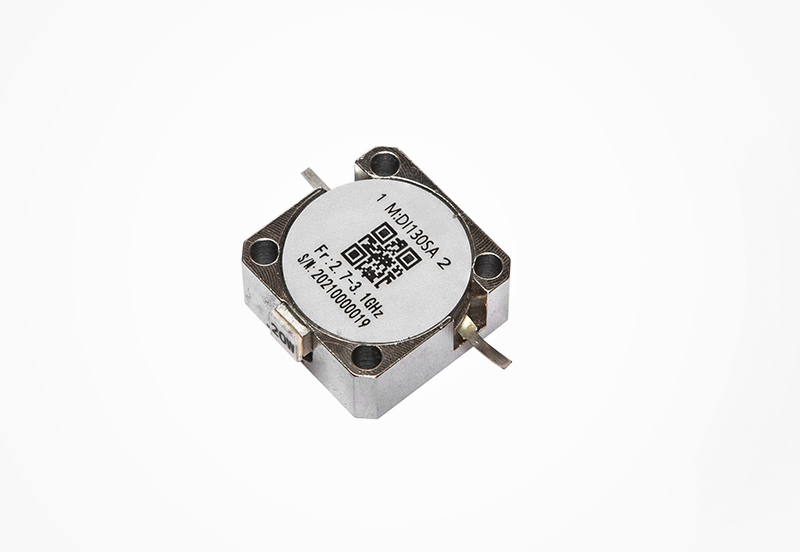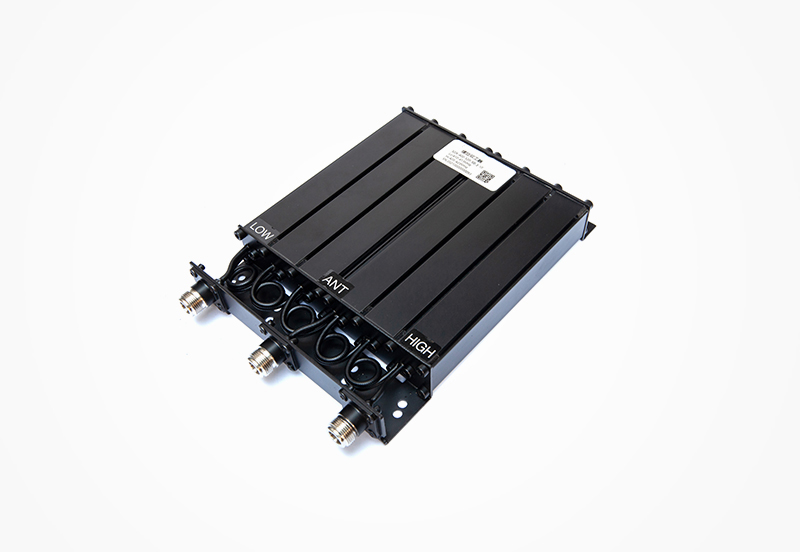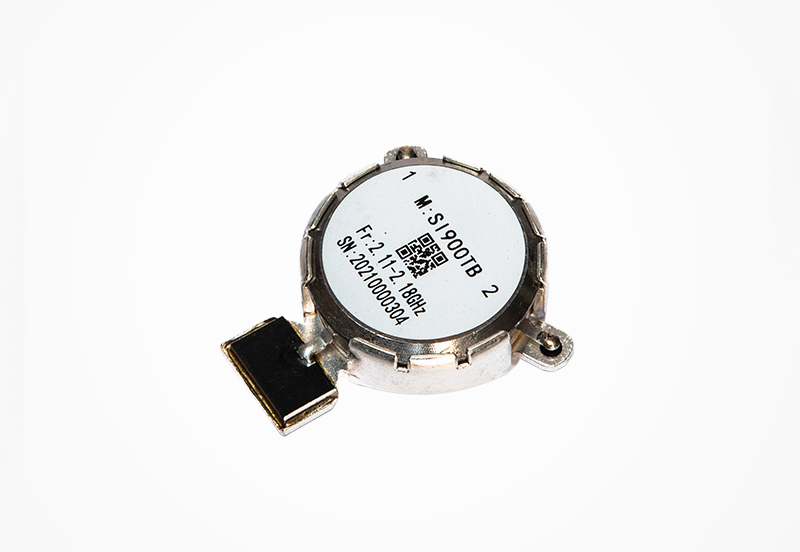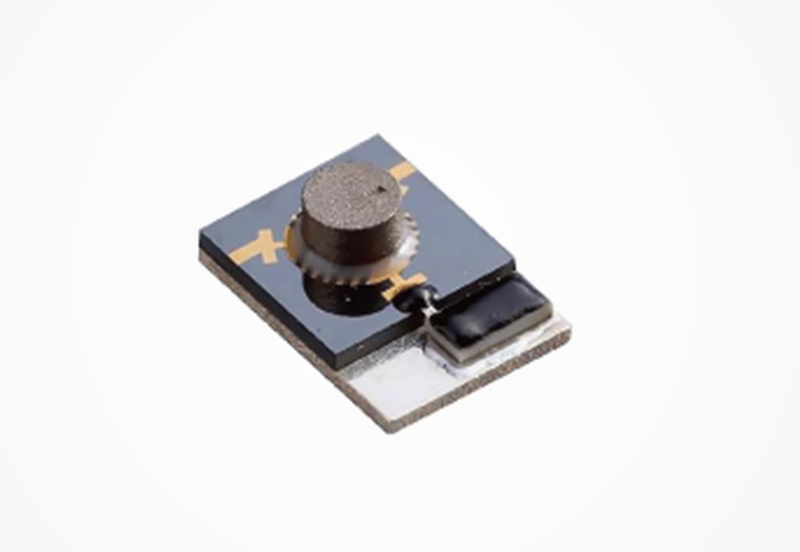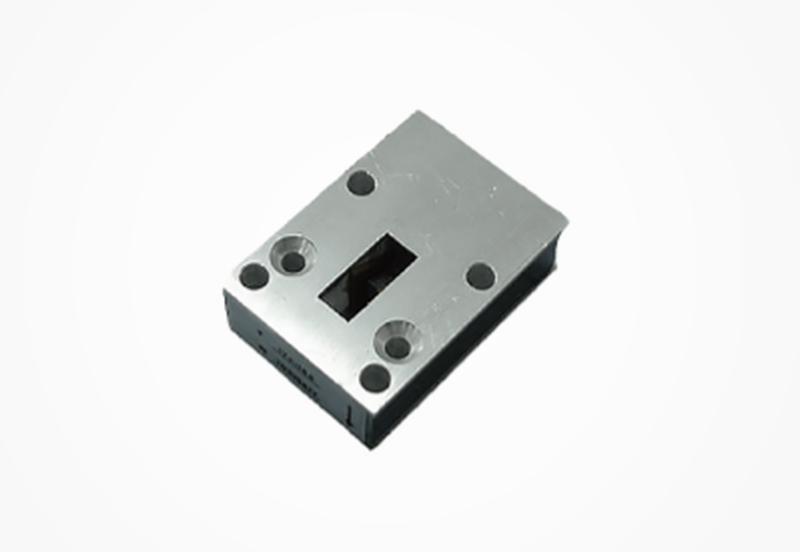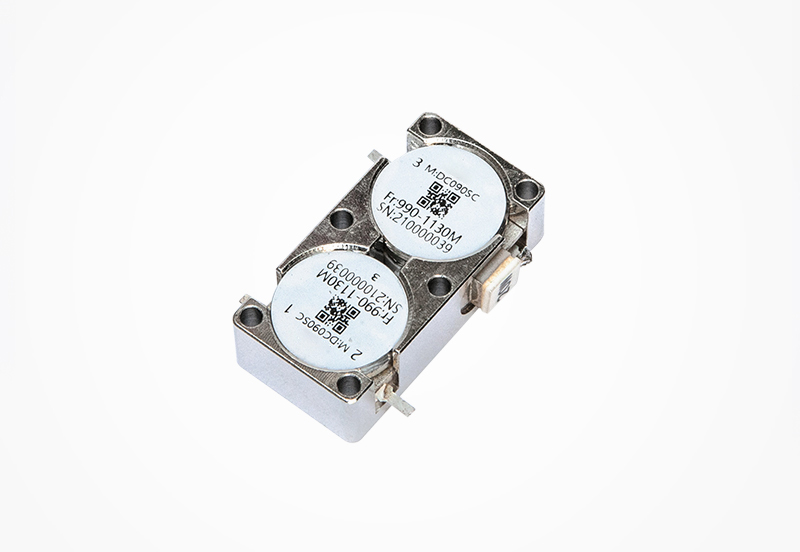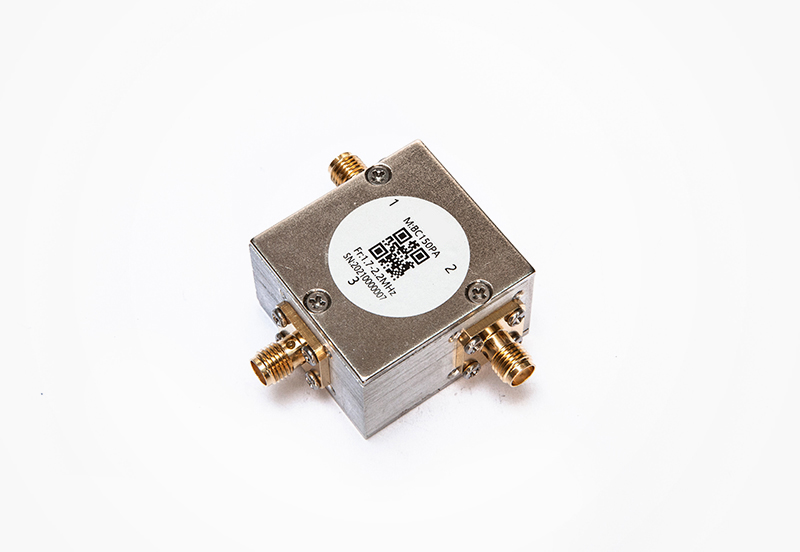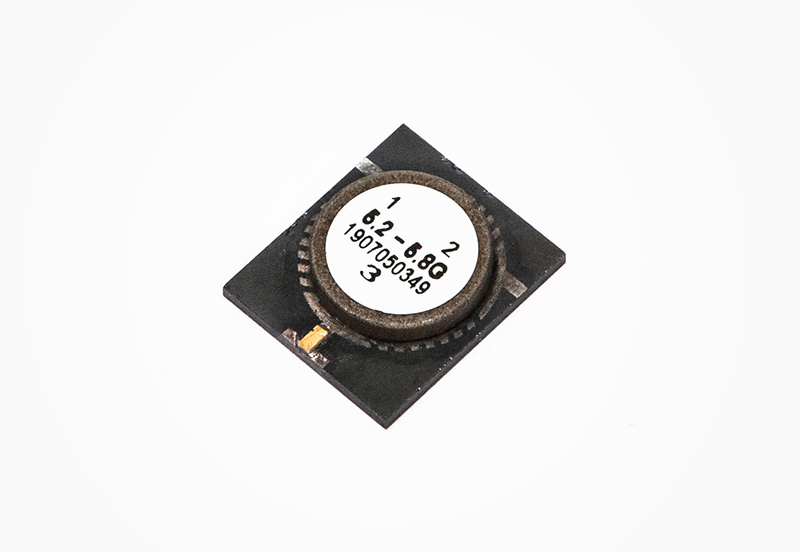

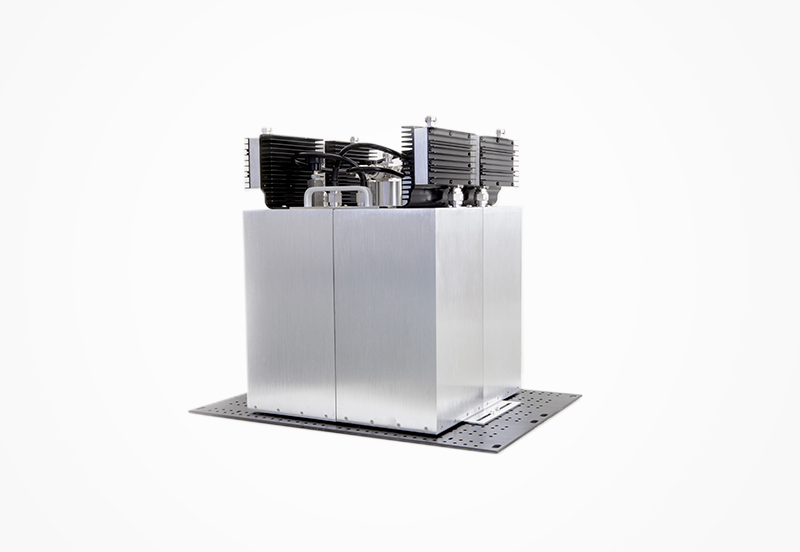
A low-loss combiner dedicated to multi-power amplifier (PA) output combining is a specialized RF component optimized for high-power PA array systems, aiming to minimize signal power attenuation in the combining process and maximize the utilization efficiency of PA output power. In modern wireless communication, radar, and satellite communication systems, multiple power amplifiers are usually used in parallel to improve total output power and system redundancy. Traditional combiners often have excessive insertion loss, which causes a large amount of PA output power to be converted into heat loss, reducing system efficiency and increasing equipment heat dissipation pressure. The low-loss multi-PA combiner is designed to solve this pain point through topological optimization and high-precision impedance matching.
The low-loss performance of this combiner is mainly realized by adopting low-loss transmission line materials, optimized power combining topology, and full-band impedance matching design. Different from resistive combiners that rely on resistance power consumption for balancing, low-loss PA combiners mostly adopt waveguide, high-precision microstrip, or coaxial coupling structures with almost no resistive power consumption units. The internal circuit simplifies the signal transmission path, reduces the number of signal conversion nodes, and uses low-dielectric-loss materials to process transmission lines, which greatly reduces signal attenuation and dielectric loss. The full-port broadband impedance matching design eliminates signal reflection loss, ensuring that almost all valid power output by PAs is superposed and output, with typical insertion loss controlled below 1.5 dB, far lower than ordinary combiners.
In multi-PA combining systems, low-loss combiners also have excellent power bearing capacity and channel consistency. They can adapt to high-power continuous operation of multiple PAs, ensure consistent amplitude and phase characteristics of each PA channel during combining, and avoid power synthesis efficiency reduction caused by channel imbalance. Meanwhile, the low-heat-loss feature reduces the system’s heat dissipation burden, improving the long-term operation stability and service life of PA modules and combining equipment. This type of combiner is widely used in high-power base station transmitters, military radar power amplification systems, and satellite ground station transmission equipment, and has become a core component for improving the overall power efficiency of multi-PA array systems.


Contact Phone:
+86-0755-26701085
+86-0755-26701002
Company Address :
2nd Floor, Building A, Juchuang Jingu Creative Park, Xili Street, Nanshan, Shenzhen


 CN
CN