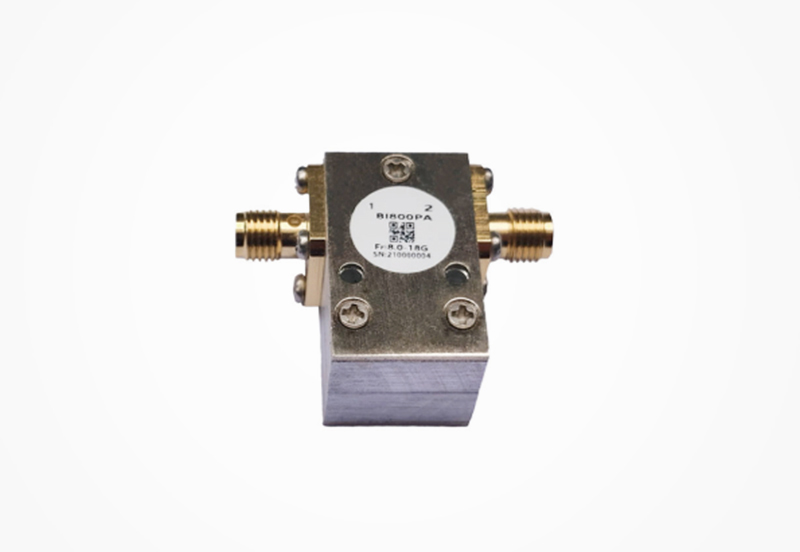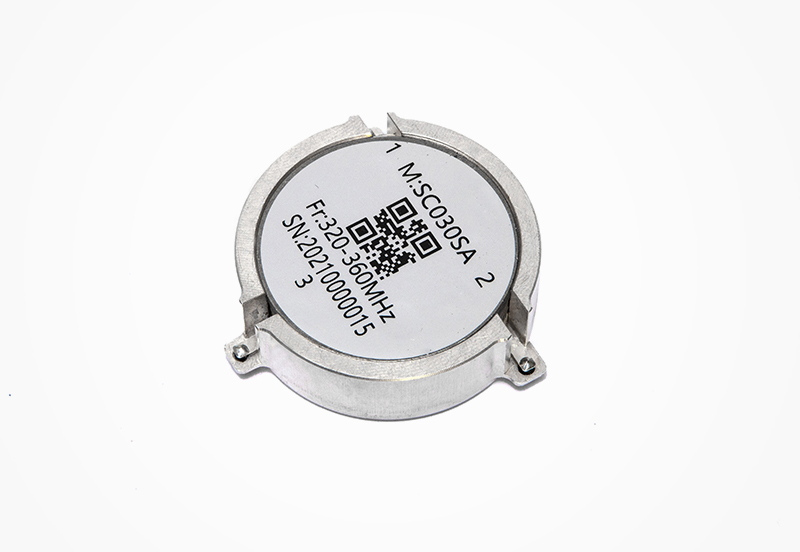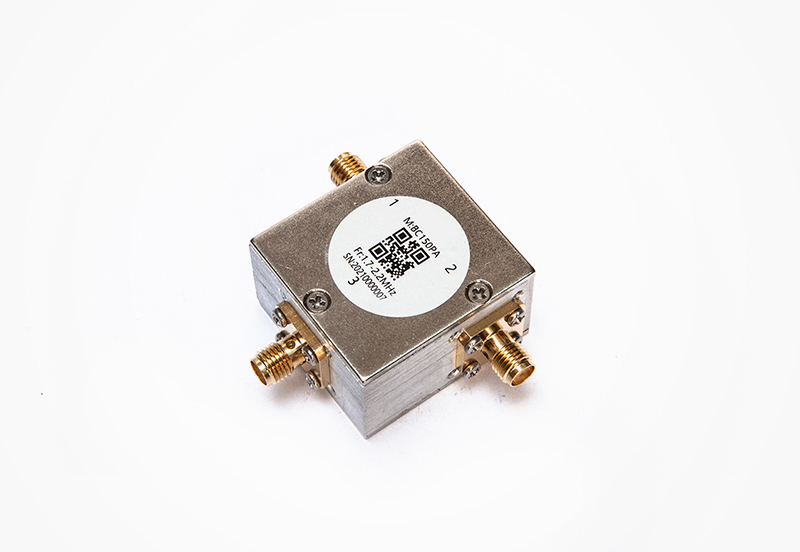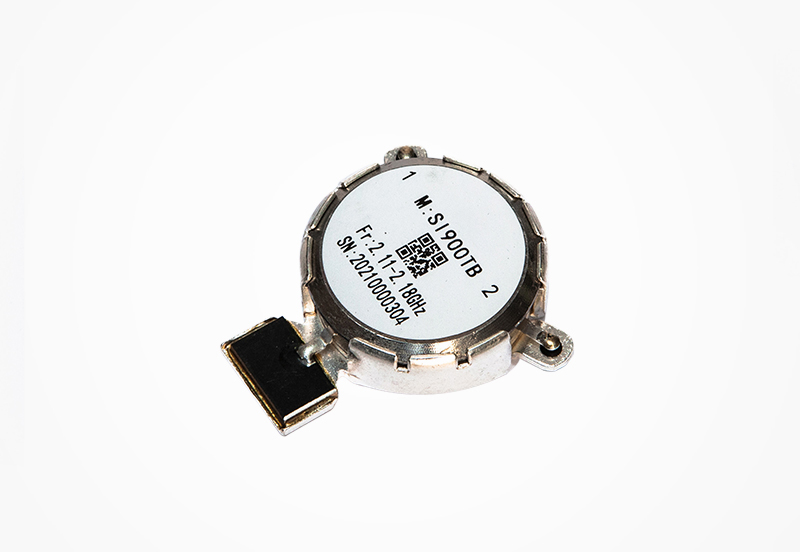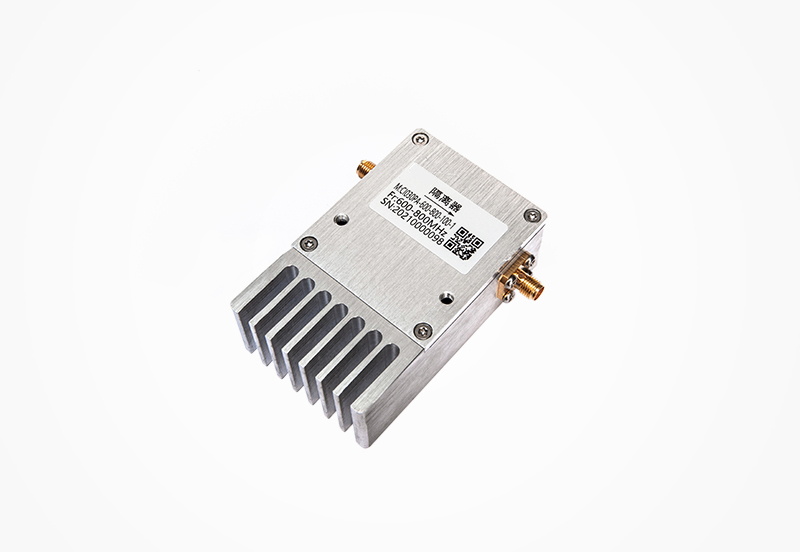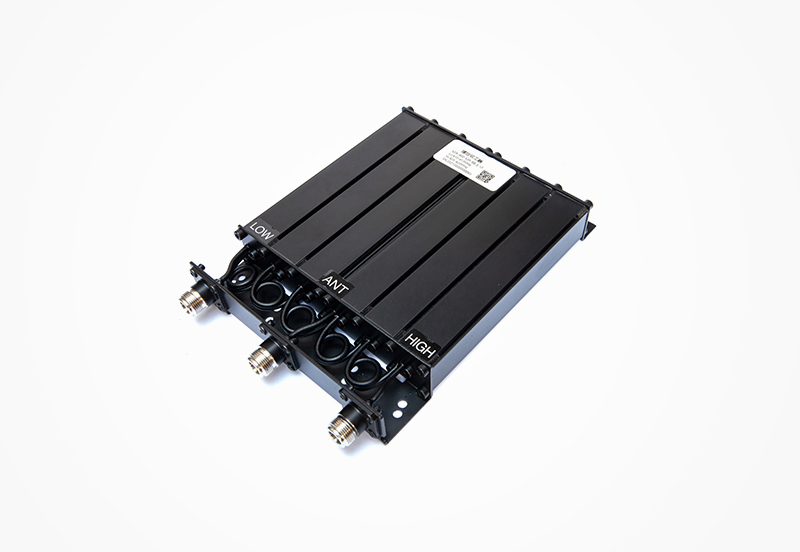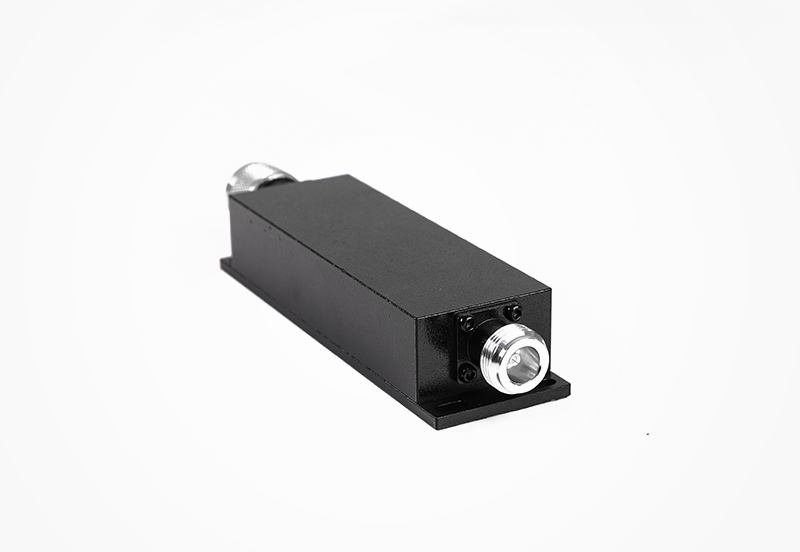


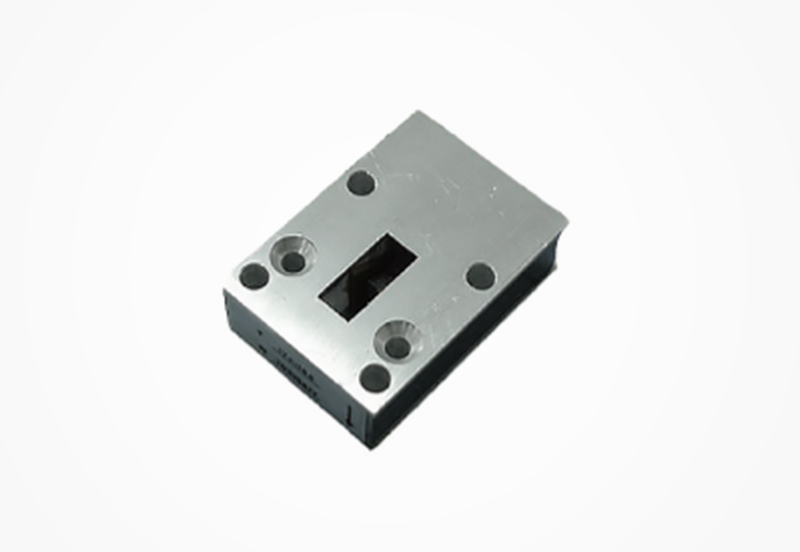
A low PIM (Passive Intermodulation) RF isolator is a critical passive microwave component engineered to eliminate intermodulation interference and ensure high signal purity in modern wireless communication systems, especially for high-density, high-sensitivity network deployments. PIM distortion is one of the most harmful signal impairments in RF systems, generated by non-linear material characteristics and poor structural contact in passive components, which can cause signal leakage, channel crosstalk, and reduced system sensitivity. This low PIM RF isolator adopts optimized linear material formulas and precision mechanical assembly processes, strictly controlling PIM performance to ultra-low levels, effectively suppressing third-order, fifth-order, and seventh-order intermodulation products that plague conventional isolators. Designed with a unidirectional signal transmission mechanism, the component allows forward RF signal propagation with minimal insertion loss while providing high reverse isolation to protect upstream RF devices, including power amplifiers, transceivers, and antennas, from reflected signals and load mismatch damage.
This low PIM RF isolator features a rugged, compact structural design that eliminates loose contact points and non-linear solder joints, the primary causes of high PIM values in standard isolators. It undergoes rigorous factory testing under high-power continuous-wave operating conditions to guarantee stable low PIM performance across the full operating frequency band and temperature range. In commercial wireless networks, base stations, distributed antenna systems (DAS), and carrier-grade communication infrastructure, low PIM performance is non-negotiable for maintaining high spectral efficiency and reliable signal transmission. By integrating low intermodulation design with consistent electrical performance, this RF isolator resolves core pain points of traditional isolators, such as unstable PIM indicators and easy interference induction in complex electromagnetic environments. It supports long-term continuous operation in high-density signal overlay scenarios, reduces network failure rates caused by passive intermodulation interference, and lowers system maintenance costs, making it an essential component for high-performance, high-reliability RF communication systems worldwide.


Contact Phone:
+86-0755-26701085
+86-0755-26701002
Company Address :
2nd Floor, Building A, Juchuang Jingu Creative Park, Xili Street, Nanshan, Shenzhen


 CN