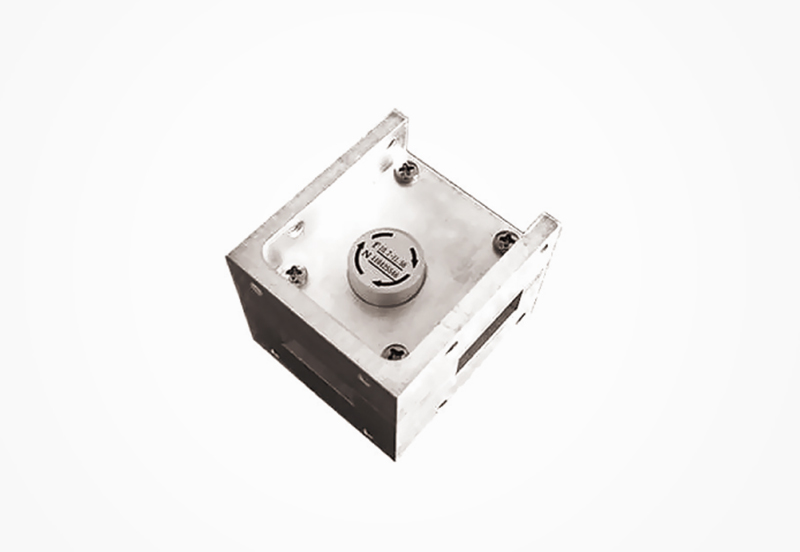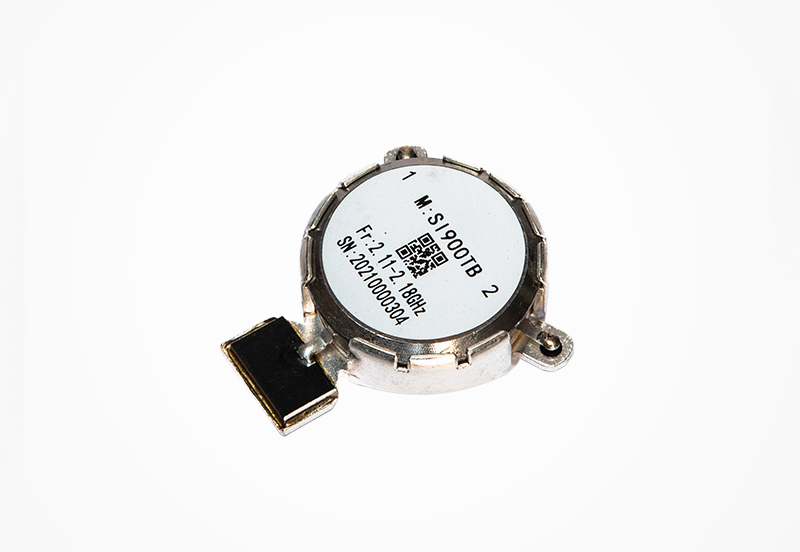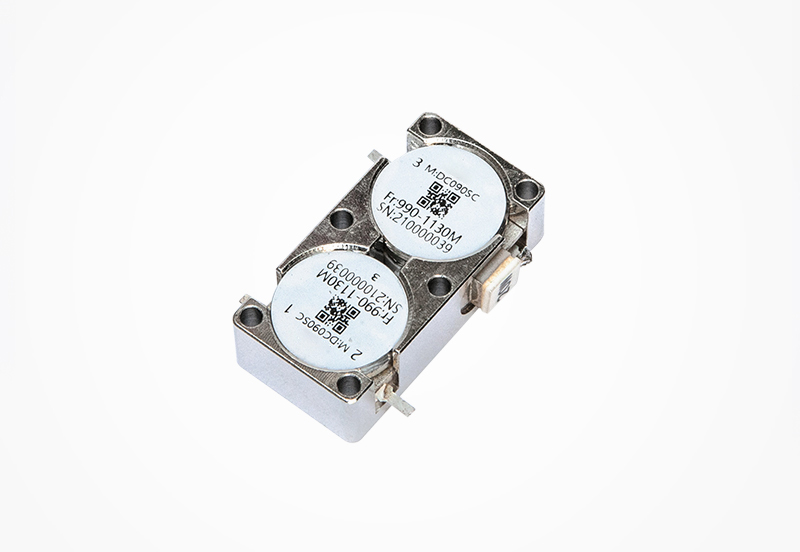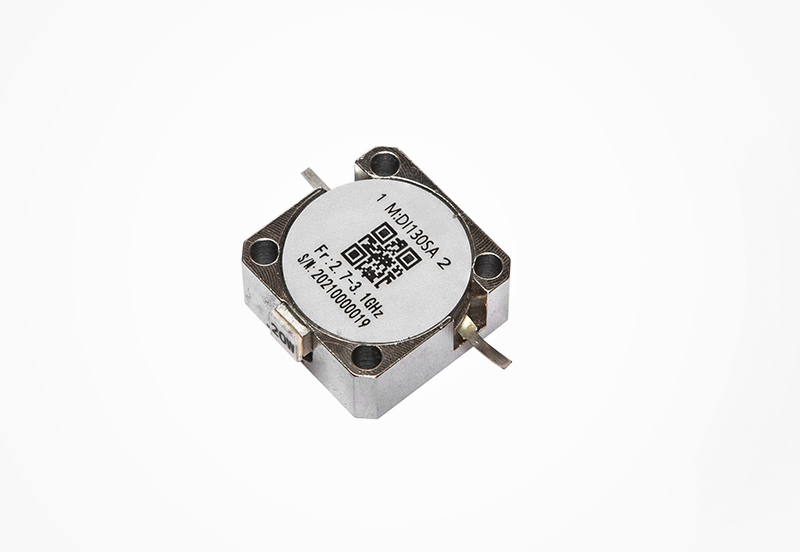

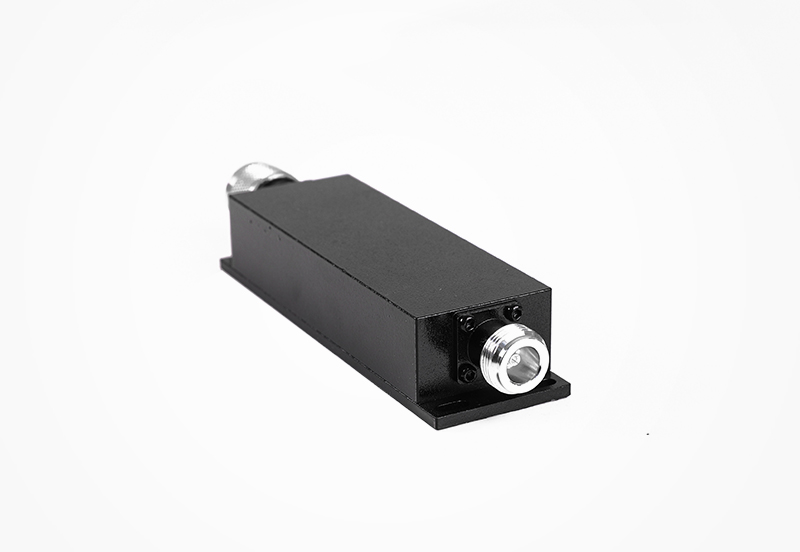
Spectrum resources in modern wireless communication systems are extremely scarce, and adjacent communication channels are densely arranged with extremely narrow channel spacing. In 5G, 6G, and satellite communication systems, the frequency interval between adjacent channels is usually only several megahertz, and the signal power difference between adjacent channels is large, which is easy to cause adjacent channel interference. Channel separation is the core link of RF front-end signal processing, which requires filters to accurately extract target channel signals and completely suppress out-of-band interference signals. RF filters with sharp rejection slopes have extremely fast attenuation transition characteristics from passband to stopband, which can realize precise segmentation of adjacent narrowband channels and solve the channel crosstalk problem that conventional filters cannot handle.
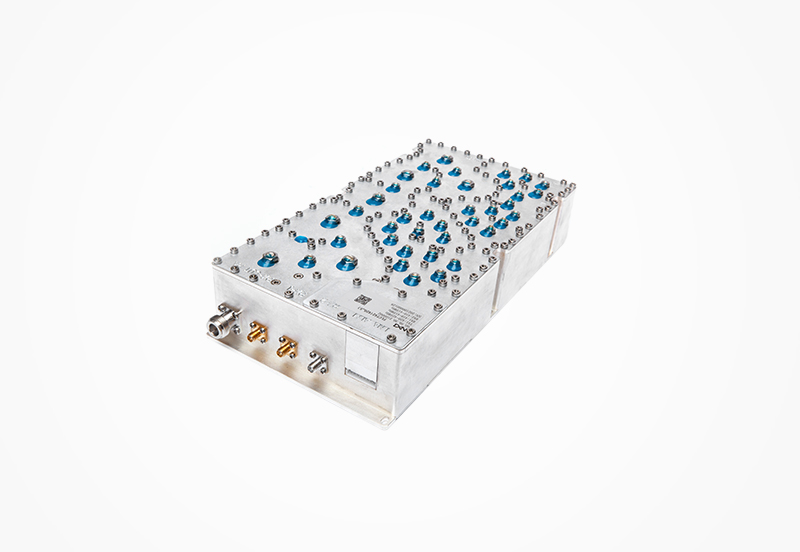
The sharp rejection slope of the filter is mainly determined by the filter order and resonant topology structure. Conventional low-order filters have a gentle transition band, resulting in inevitable signal leakage between adjacent channels. High-order coupled-resonator filters adopt multi-stage cascaded resonant structures, which can significantly narrow the transition band and form a steep rejection slope. In addition, elliptic function filters and quasi-elliptic function filters are the mainstream structures for realizing sharp rejection slopes, which introduce finite transmission zeros in the stopband through cross-coupling structures between non-adjacent resonators. Different from traditional Chebyshev and Butterworth filters, these filters can achieve ultra-fast signal attenuation near the passband edge, with the rejection slope reaching hundreds of decibels per megahertz, realizing almost ideal rectangular filtering characteristics.
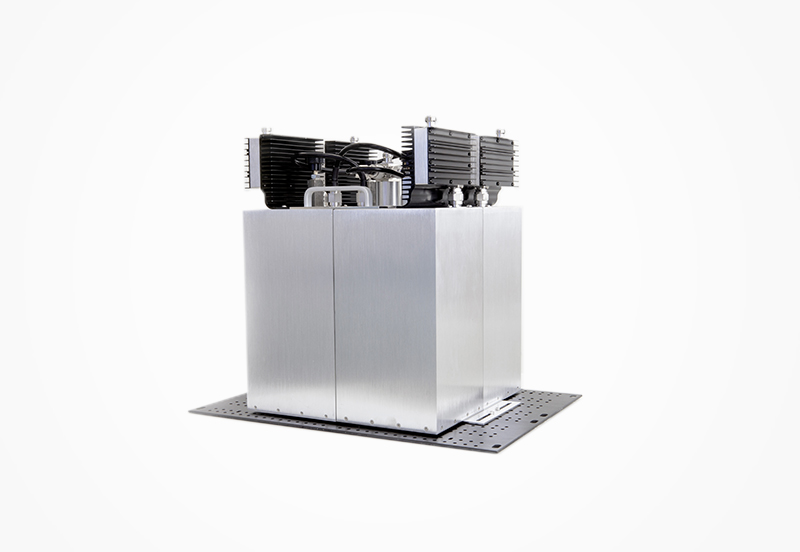
RF filters with sharp rejection slopes play an irreplaceable role in multi-channel communication systems and frequency division multiplexing systems. In base station RF front-ends, this type of filter can effectively isolate adjacent channel interference, improve the signal-to-noise ratio of target channels, and ensure the accuracy and stability of signal transmission. In cognitive radio and spectrum sensing systems, sharp-slope filters can accurately identify and separate densely arranged spectrum channels, improving spectrum utilization efficiency. With the continuous compression of spectrum spacing in new-generation communication systems, the design technology of sharp-rejection-slope filters is constantly innovating, adopting compact multi-cross-coupling topologies and high-precision parameter optimization algorithms to achieve steeper rejection characteristics while reducing filter size and insertion loss, meeting the high-precision channel separation requirements of advanced communication systems.


Contact Phone:
+86-0755-26701085
+86-0755-26701002
Company Address :
2nd Floor, Building A, Juchuang Jingu Creative Park, Xili Street, Nanshan, Shenzhen


 CN
CN