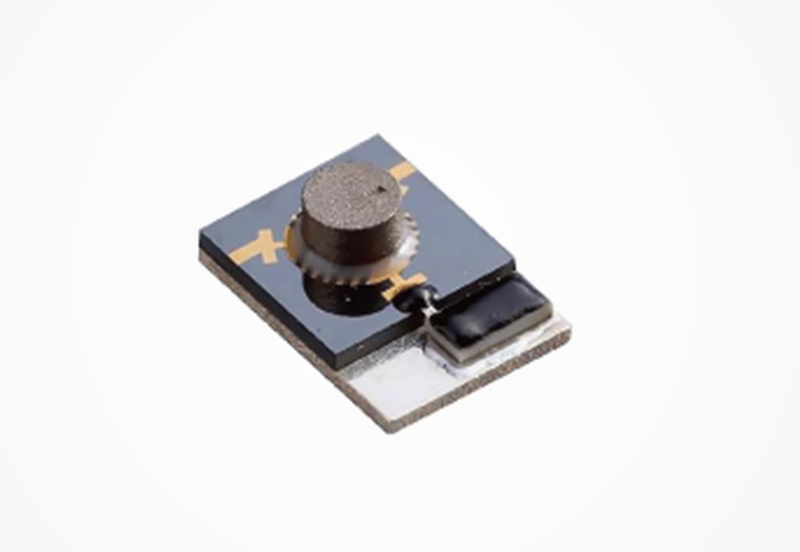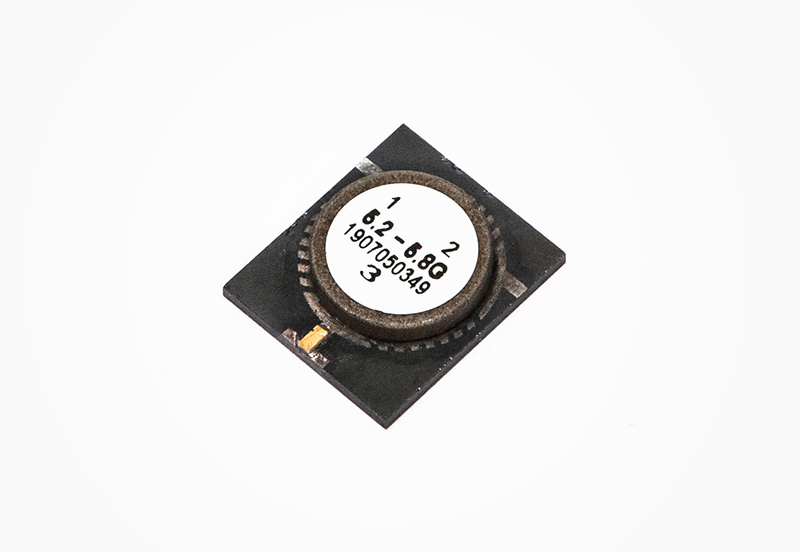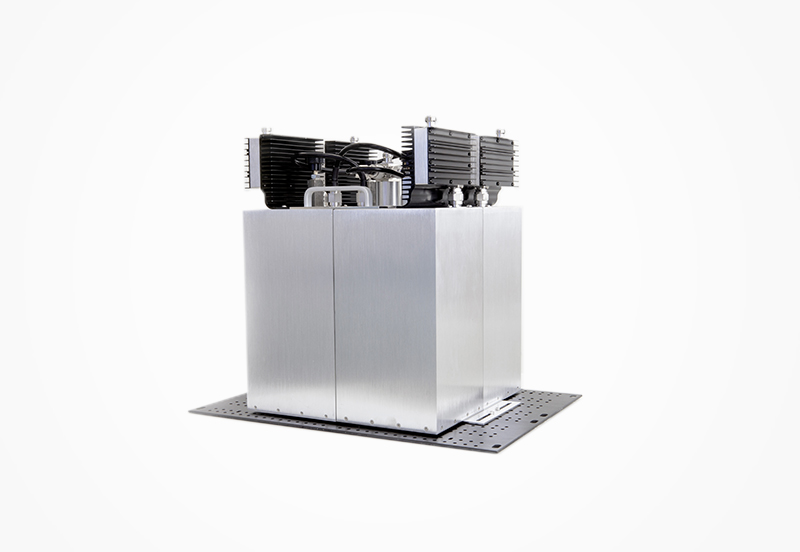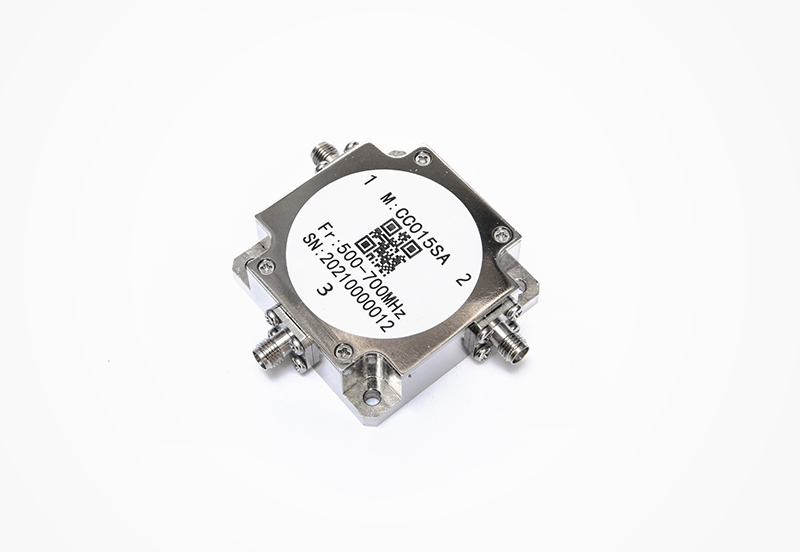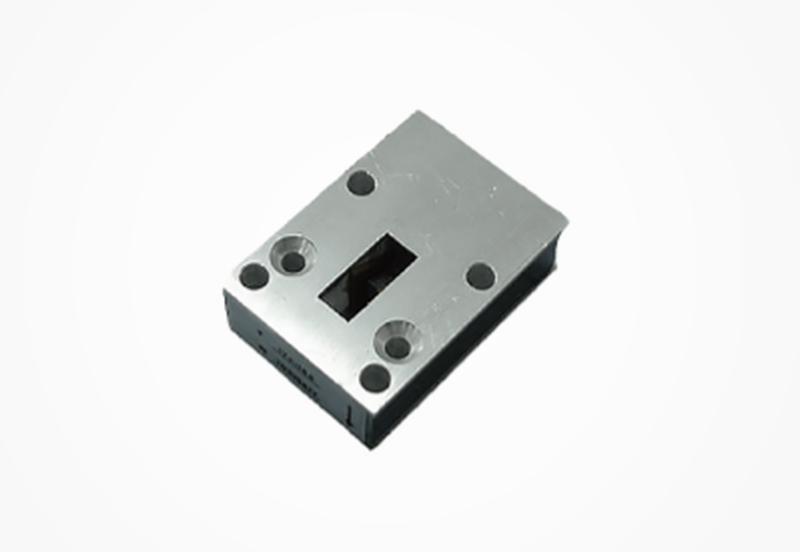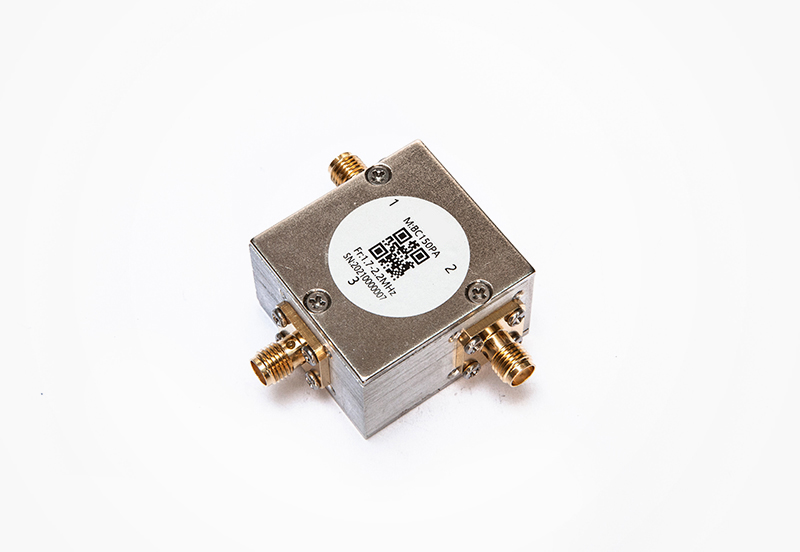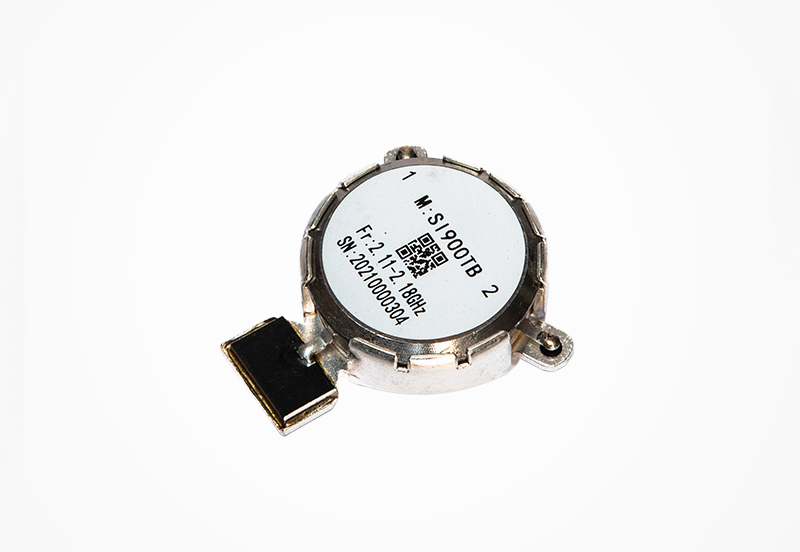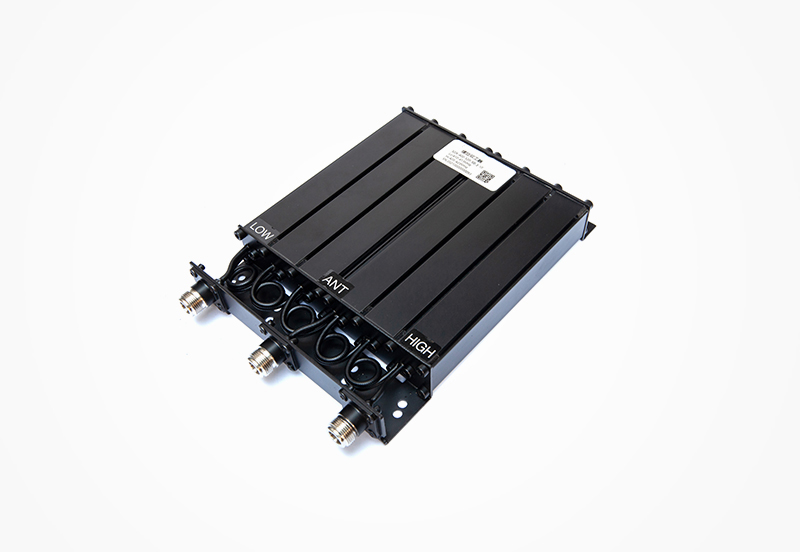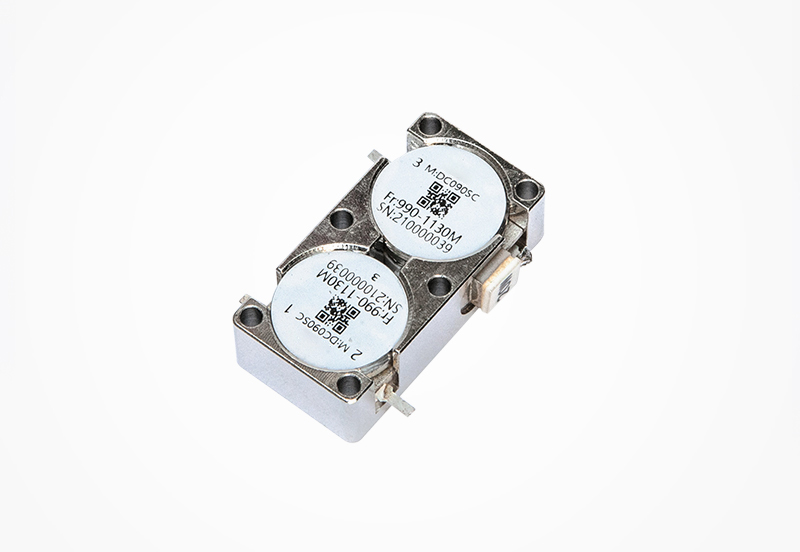

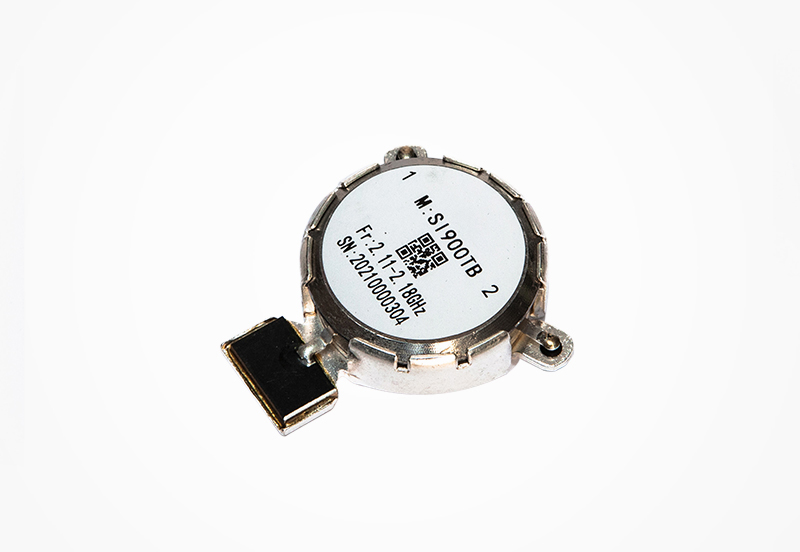
Pulse power handling capability is one of the most critical performance metrics for RF and microwave isolators, defining the device’s ability to withstand short-duration, high-amplitude pulsed power signals without electrical breakdown, performance degradation, or physical damage. Unlike continuous-wave (CW) power rating, which reflects steady-state power tolerance, pulse power handling focuses on transient power surges that commonly occur in radar systems, pulsed communication transmitters, industrial RF heating equipment, and military electronic systems. These pulsed signals typically feature high peak power, narrow pulse width, and low duty cycle, imposing extreme instantaneous electrical stress on isolator internal components, including ferrite cores, dielectric substrates, and metal conductors. A high-performance isolator with superior pulse power handling capability is engineered to dissipate transient energy efficiently and avoid arcing, ferrite saturation, or dielectric breakdown under abrupt power fluctuations.
The core design factors that determine an isolator’s pulse power tolerance include ferrite material composition, internal impedance matching structure, heat dissipation design, and air gap insulation structure. High-grade yttrium iron garnet (YIG) ferrites with optimized saturation magnetization are widely adopted to prevent magnetic saturation during high-power pulse injection, ensuring stable radio frequency isolation and insertion loss throughout the pulse duration. Precision impedance matching networks eliminate local signal reflection and power accumulation, which are the primary causes of localized overheating and breakdown under pulsed conditions. Additionally, enhanced internal insulation structures and low-loss dielectric materials increase the breakdown voltage threshold, enabling the device to endure instantaneous peak power spikes ranging from several hundred watts to tens of kilowatts. Advanced structural designs also integrate micro heat dissipation channels to disperse transient heat generated by pulse energy absorption, preventing cumulative thermal damage during long-term intermittent pulse operation.
In practical engineering applications, reliable pulse power handling capability guarantees system stability and service life in high-power pulsed RF systems. For radar transmitters, pulse power isolators protect upstream power amplifiers and signal sources from reflected pulsed power caused by antenna load mismatch, antenna switching, or atmospheric fading, which would otherwise burn out sensitive active components instantly. In military and aerospace pulsed communication systems, these isolators maintain consistent RF signal transmission quality under harsh transient power conditions and reduce system failure rates caused by power surge impact. Moreover, standardized pulse power rating testing, including variable pulse width, duty cycle, and peak power stress tests, ensures the repeatability and reliability of device performance in complex working conditions, making high pulse power isolators indispensable core components for high-power pulsed RF front-end systems.


Contact Phone:
+86-0755-26701085
+86-0755-26701002
Company Address :
2nd Floor, Building A, Juchuang Jingu Creative Park, Xili Street, Nanshan, Shenzhen


 CN
CN