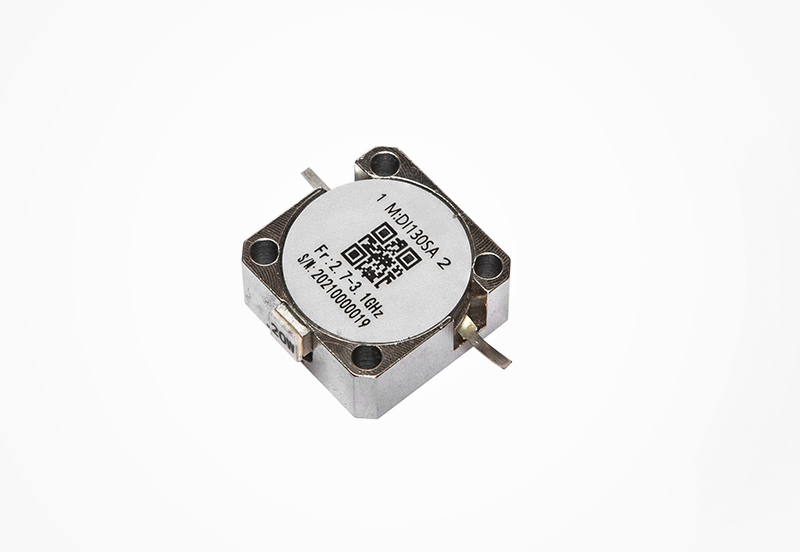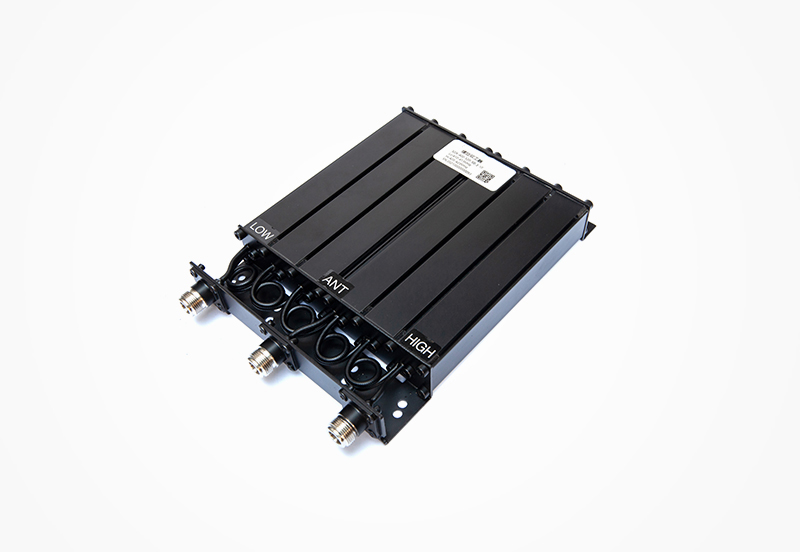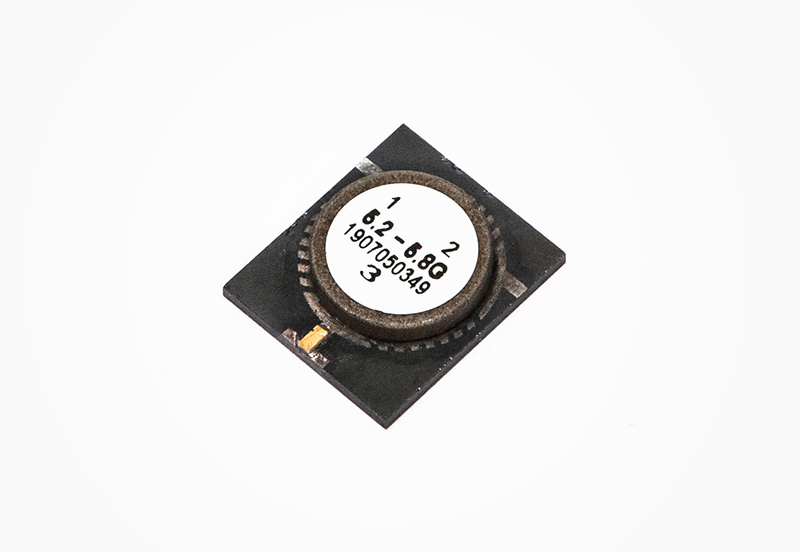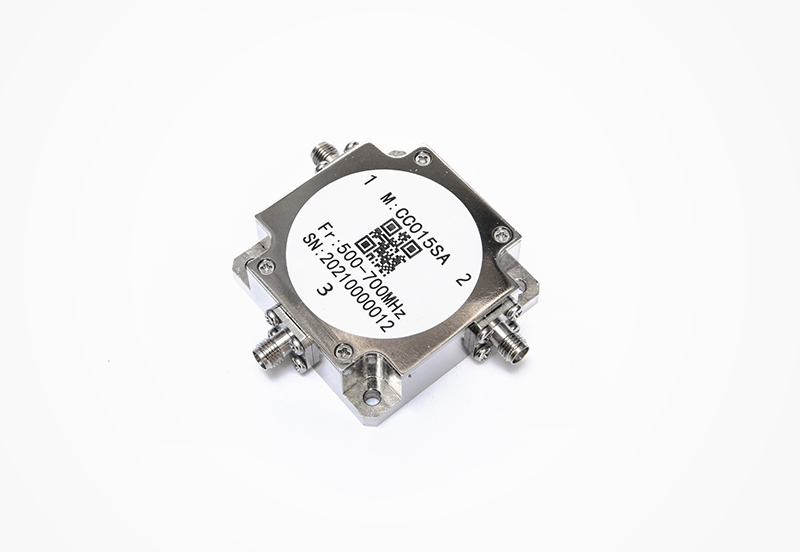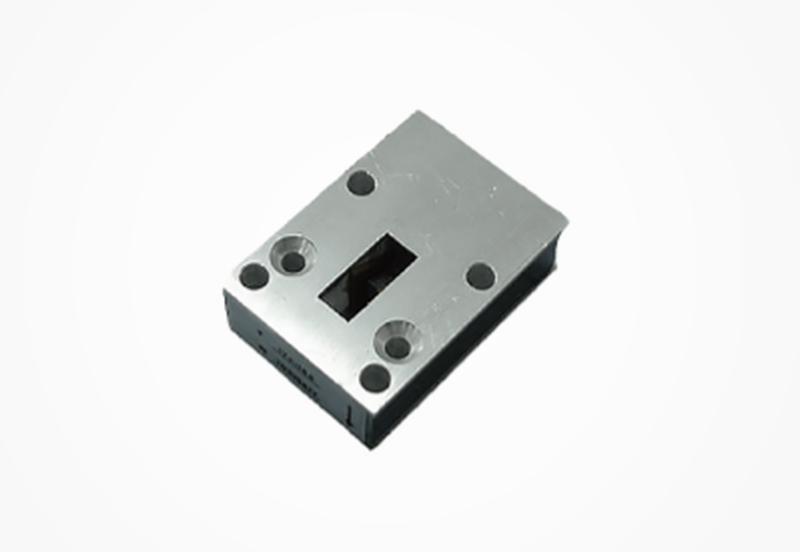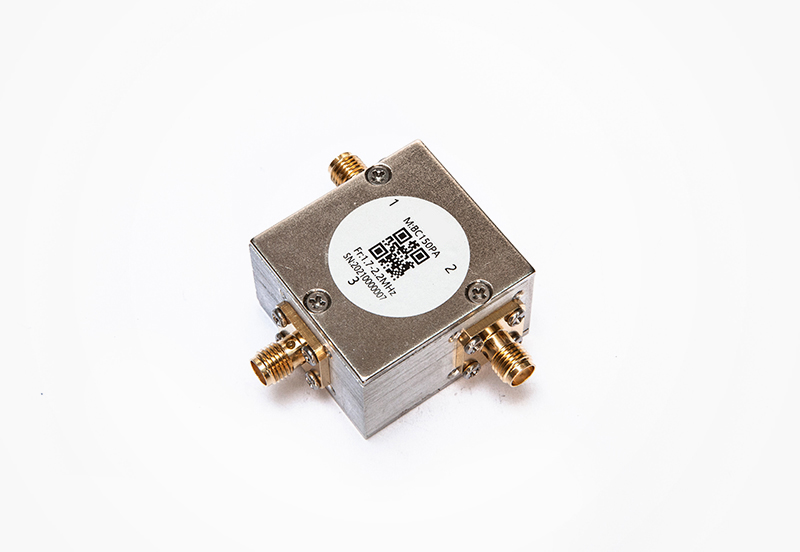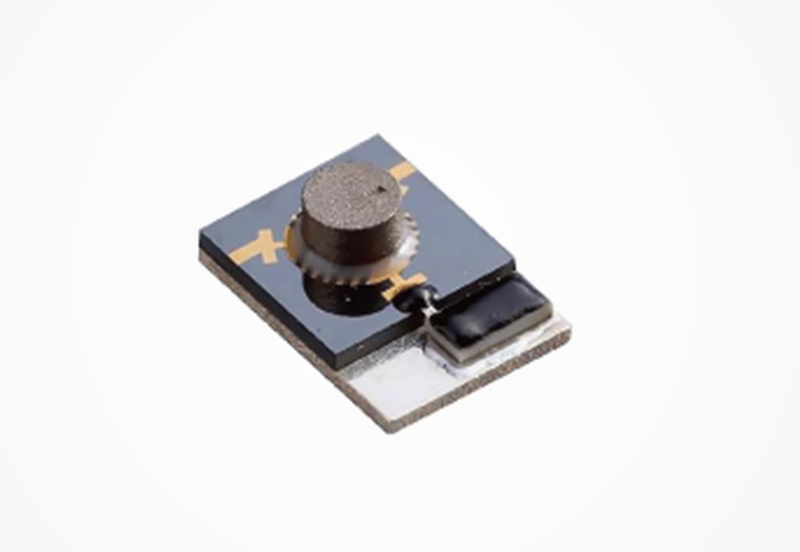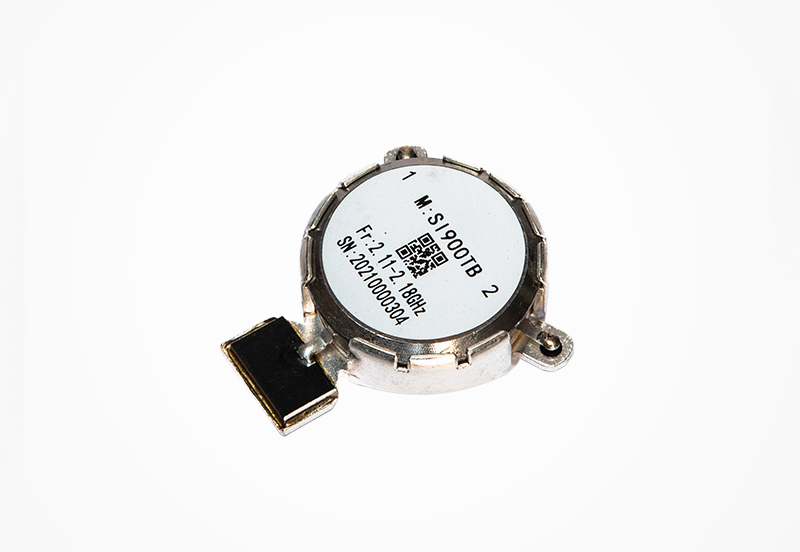

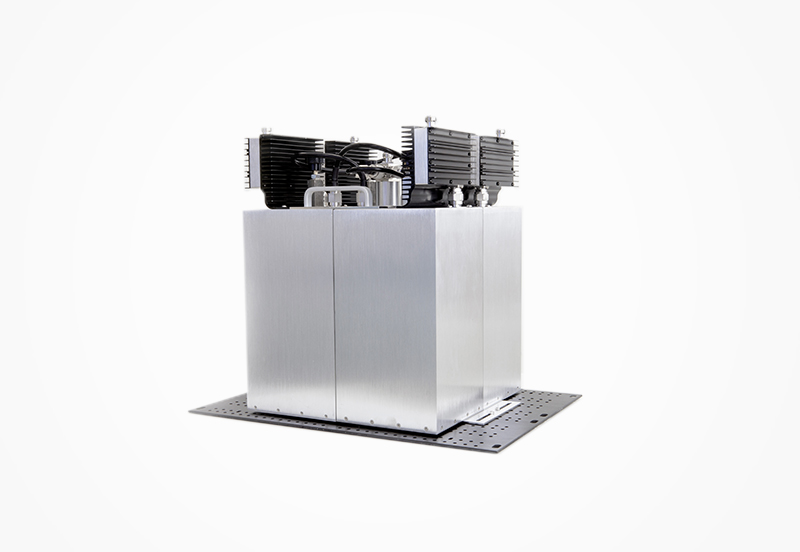
A high-performance RF/microwave combiner with a flat frequency response spanning up to 40 GHz is a critical passive component for modern millimeter-wave communication, radar, and high-precision test and measurement systems. Unlike conventional low-frequency combiners limited to sub-6 GHz bands, this wideband combiner is engineered to maintain consistent electrical performance across the entire microwave and low millimeter-wave spectrum, covering key industrial frequency bands including 5G millimeter-wave communication, satellite communication uplink and downlink channels, and high-frequency radar detection bands. Its core design adopts grounded coplanar waveguide (GCPW) transmission line structure and optimized Wilkinson power combining topology, which effectively suppresses high-frequency signal attenuation, phase distortion, and electromagnetic crosstalk that plague traditional combiners at ultra-high frequencies. By integrating precision impedance matching networks and low-loss dielectric substrates, the component achieves ultra-flat amplitude response and linear phase response throughout the DC-to-40 GHz operating range, eliminating signal distortion caused by frequency drift in high-speed signal superposition.
The electrical performance indicators of the 40 GHz wideband combiner are strictly optimized for high-frequency working conditions. It maintains an insertion loss of less than 1.2 dB across the full frequency band, with amplitude balance error controlled within ±0.3 dB and phase balance within ±2°, ensuring high consistency of combined multi-channel signals. Meanwhile, the port isolation exceeds 25 dB, which effectively isolates mutual interference between multiple input signal channels and prevents power backflow and signal crosstalk. In terms of structural design, the combiner adopts a compact integrated layout with high-precision metal shielding, which resists external electromagnetic interference and reduces high-frequency radiation loss. The ruggedized mechanical structure ensures stable performance under temperature changes and vibration environments, making it suitable for both laboratory precision testing and outdoor industrial deployment.
This ultra-wideband combiner has irreplaceable application value in advanced radio frequency systems. In 5G and future 6G communication base station systems, it realizes the superposition and transmission of multi-channel high-frequency modulation signals, improving spectrum utilization and system transmission capacity. In millimeter-wave radar and electronic warfare equipment, it combines multi-beam signal sources to enhance radar detection range and signal coverage. Additionally, it serves as a core signal combining unit in high-speed signal simulation systems, providing accurate, low-distortion combined signals for system performance verification. With the continuous upgrading of high-frequency wireless communication and millimeter-wave detection technology, the 40 GHz wideband combiner has become a key basic component supporting the miniaturization, wideband, and high-precision development of modern RF systems.


Contact Phone:
+86-0755-26701085
+86-0755-26701002
Company Address :
2nd Floor, Building A, Juchuang Jingu Creative Park, Xili Street, Nanshan, Shenzhen


 CN
CN