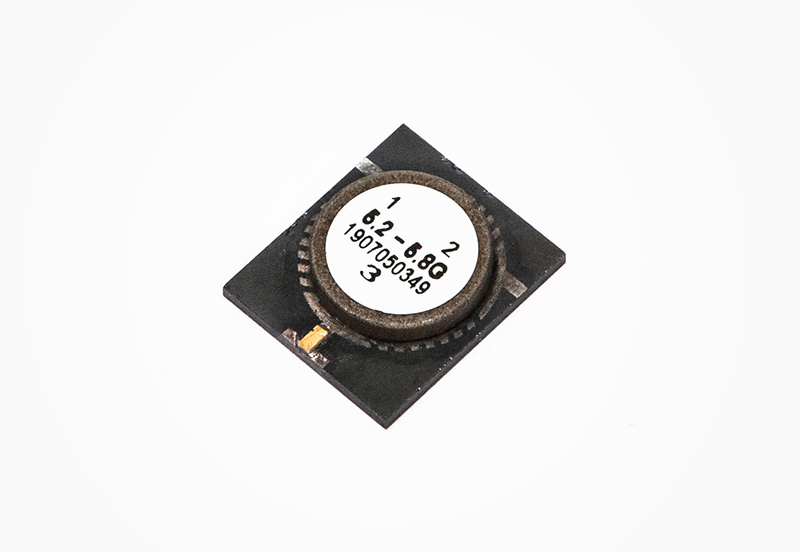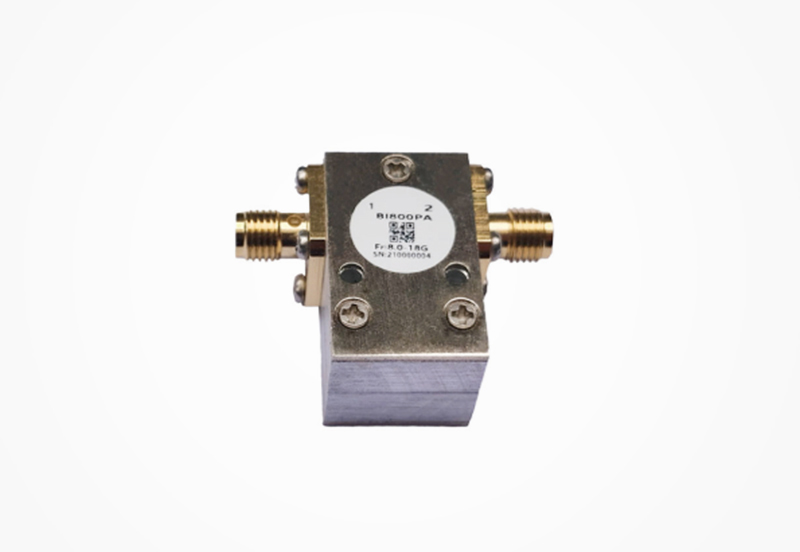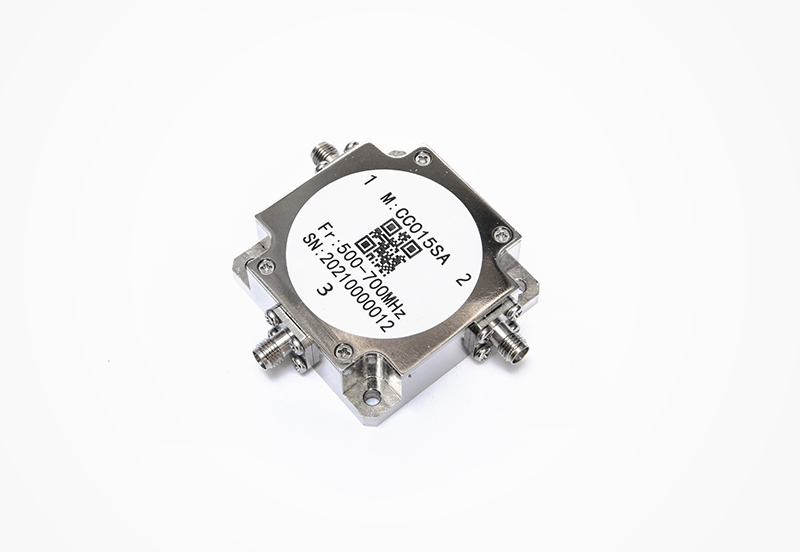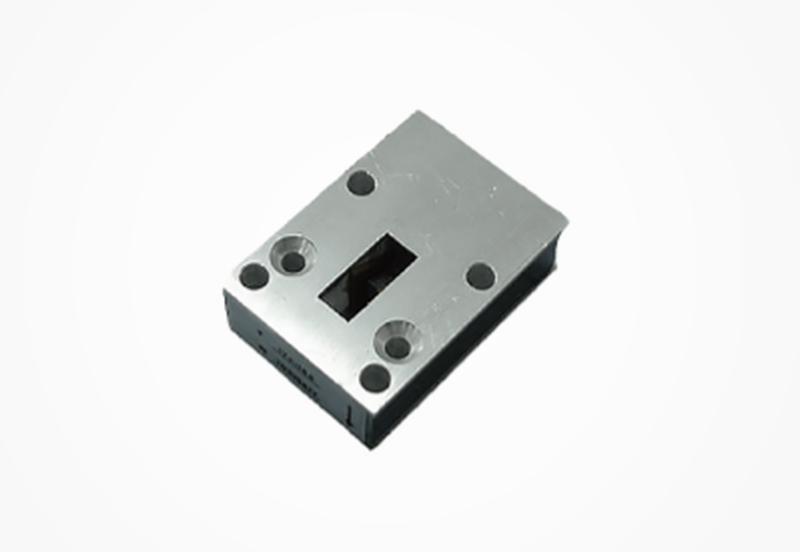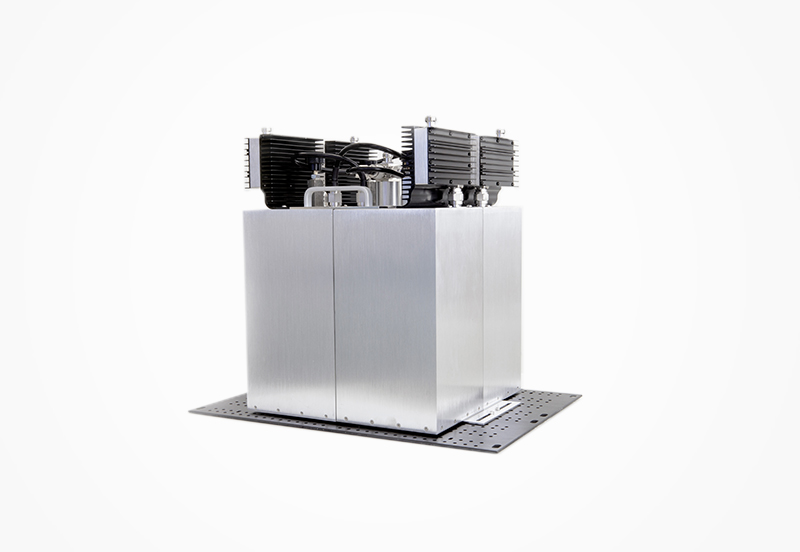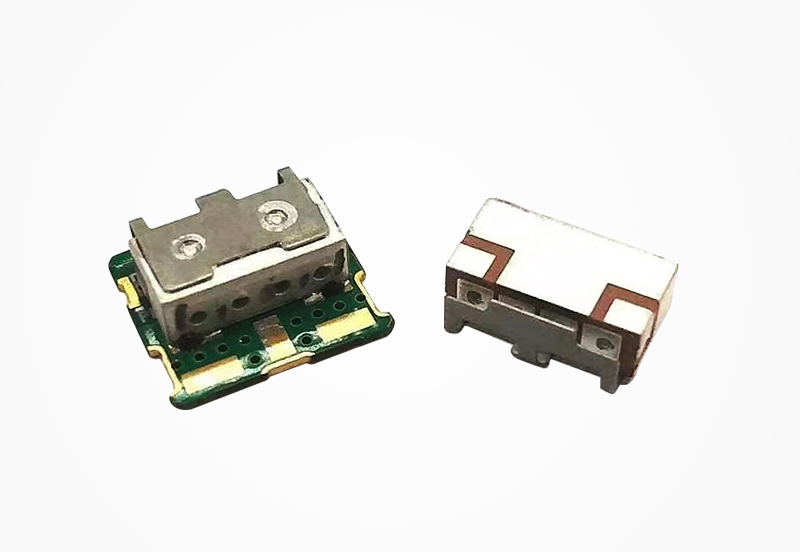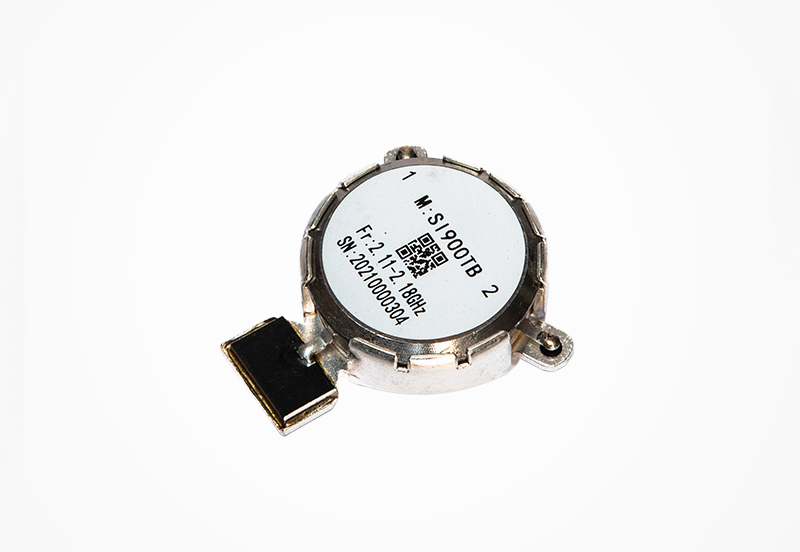

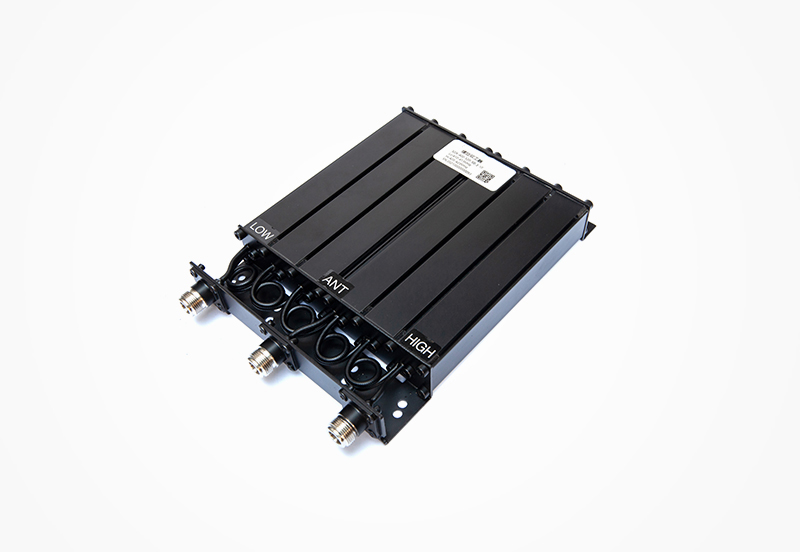
Duplexer power rating and thermal management are core design indicators that determine the service life, operational stability, and reliability of RF duplexers under long-term working conditions. Power rating refers to the maximum continuous and peak signal power that a duplexer can withstand without performance degradation or structural damage, which is divided into continuous wave power rating and pulse power rating. In wireless communication and radar systems, duplexers need to bear high-power transmit signal radiation for a long time. Excessive power will cause dielectric heating, electrode aging, and parameter drift of the duplexer, and even cause breakdown and failure in extreme cases. Therefore, accurate power rating design and efficient thermal management systems are essential to ensure the long-term stable operation of duplexers.
The power rating of duplexers is restricted by dielectric material characteristics, electrode structure, and internal loss. The heat generation of duplexers under high power mainly comes from dielectric loss and conductor loss during signal transmission. High-power signal energy is partially converted into heat energy inside the device, leading to temperature rise. Ceramic duplexers and cavity duplexers with high thermal conductivity dielectric materials have higher power ratings, while traditional microstrip duplexers are limited by PCB material heat dissipation and have lower power tolerance. In the design stage, engineers need to calculate the power heat generation model according to the working frequency, signal bandwidth, and rated power, optimize the electrode thickness and resonance cavity structure, reduce current density and unit heat generation, and improve the power bearing capacity of the device.
Thermal management is the key to improving the actual power utilization rate and service life of duplexers. Effective thermal management measures include material optimization, structural heat dissipation design, and system-level heat dissipation matching. Selecting high thermal conductivity dielectric materials and metal electrodes can accelerate internal heat conduction; designing hollow heat dissipation structures and increasing heat dissipation contact areas can improve natural convection heat dissipation efficiency; for high-power base station and radar duplexers, auxiliary heat dissipation methods such as heat sink bonding and air cooling are adopted. In addition, thermal simulation analysis is used in the design process to predict the temperature distribution and hot spot location of the duplexer under full-power operation, optimize the structural layout, avoid local overheating, and ensure that the device always works within the safe temperature range, realizing long-term high-reliability operation under rated power conditions.


Contact Phone:
+86-0755-26701085
+86-0755-26701002
Company Address :
2nd Floor, Building A, Juchuang Jingu Creative Park, Xili Street, Nanshan, Shenzhen


 CN
CN