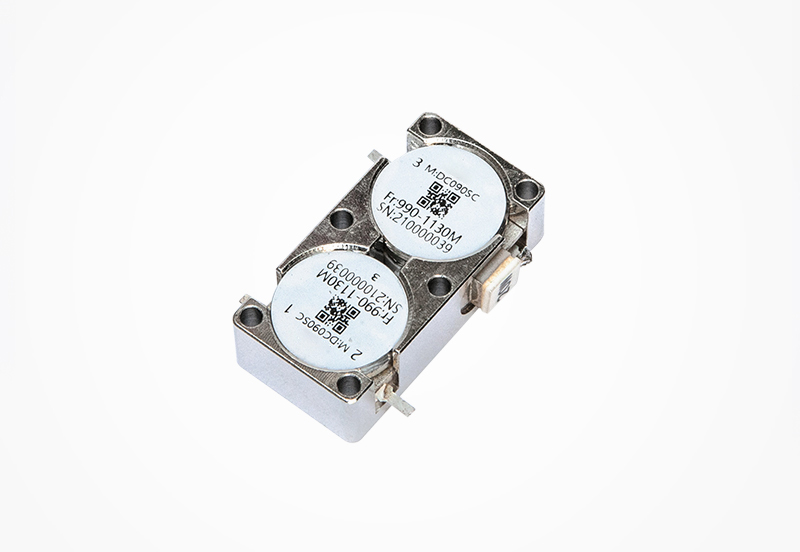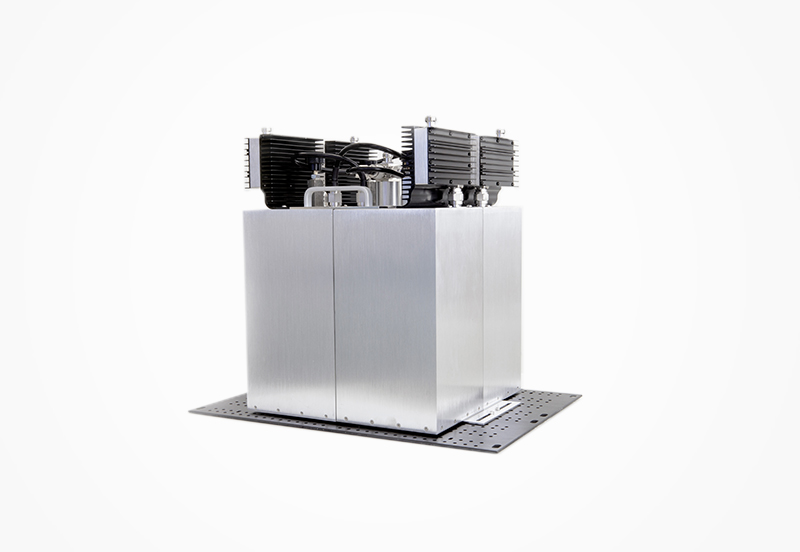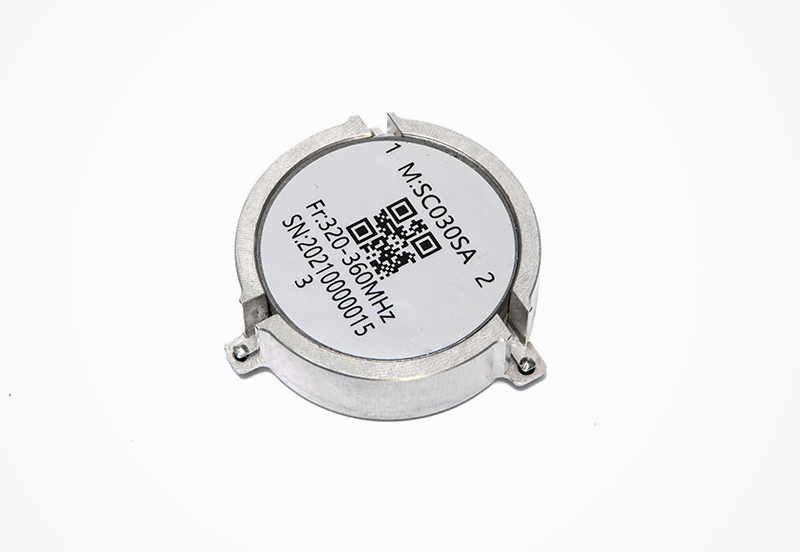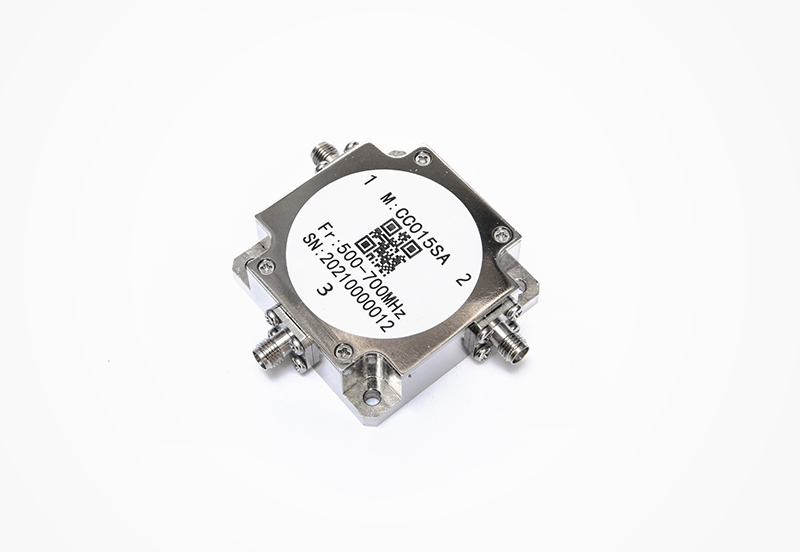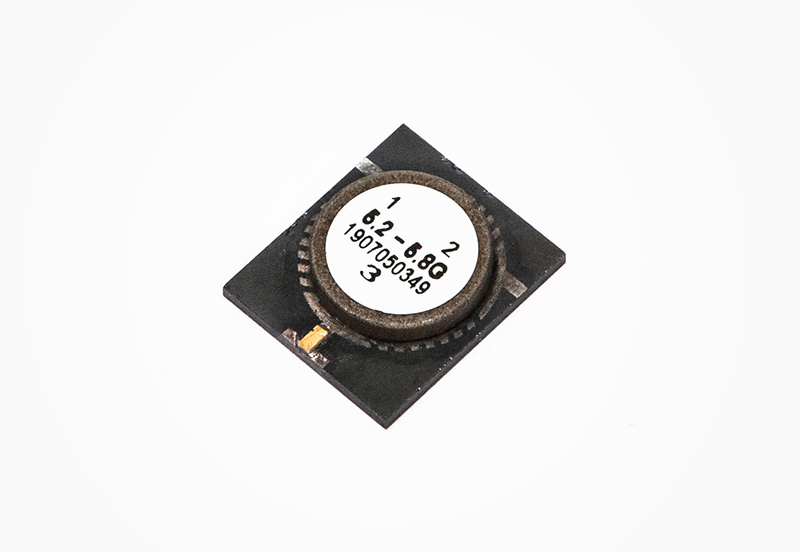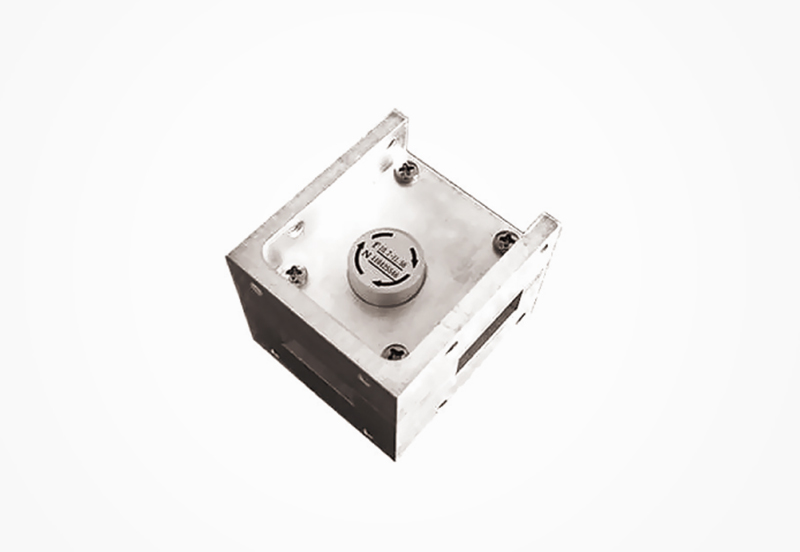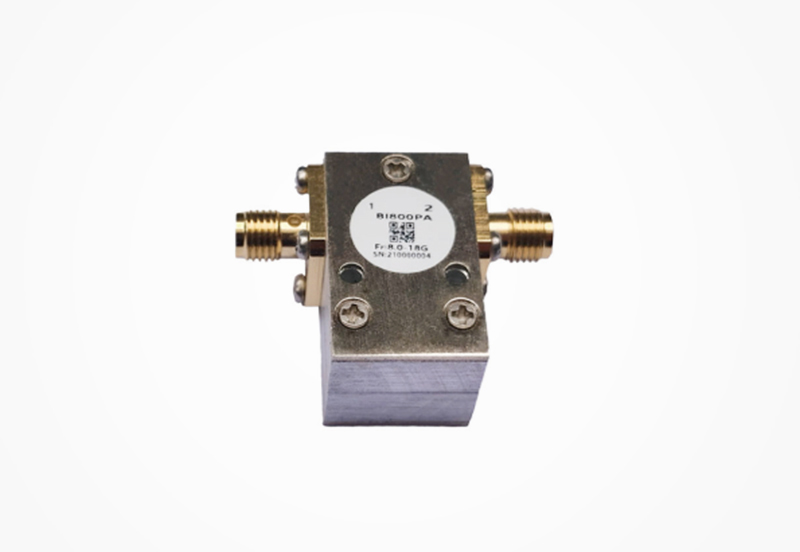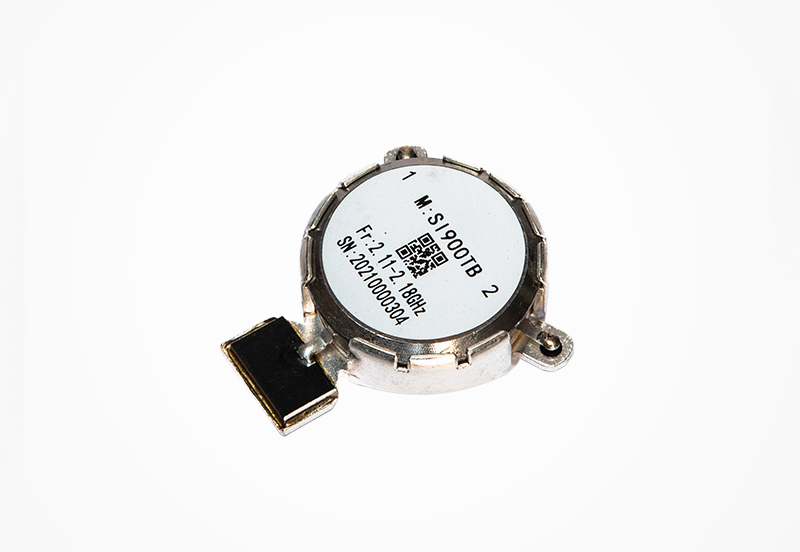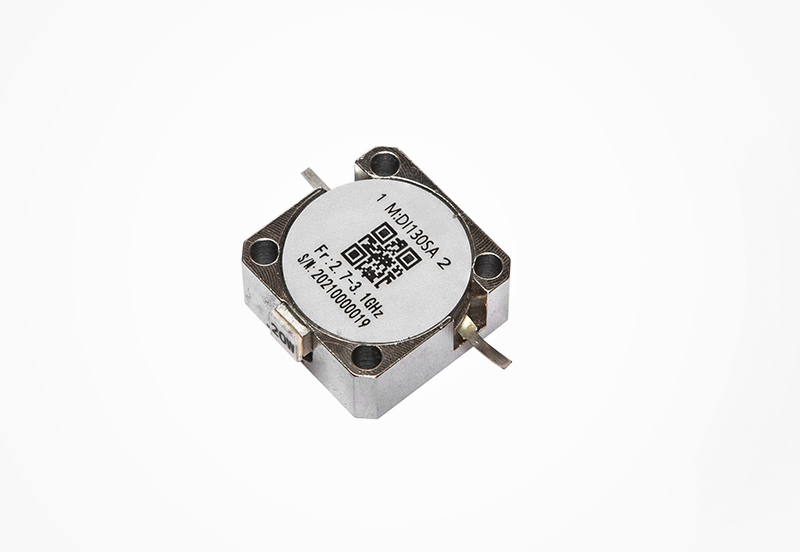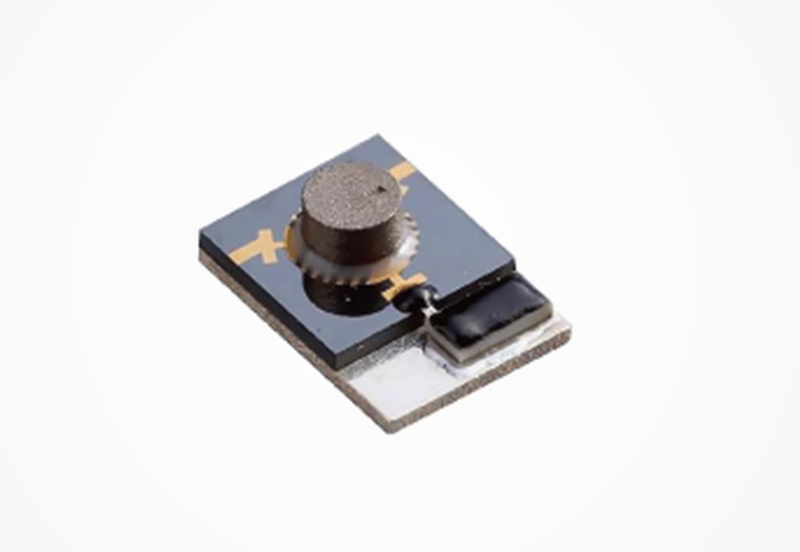

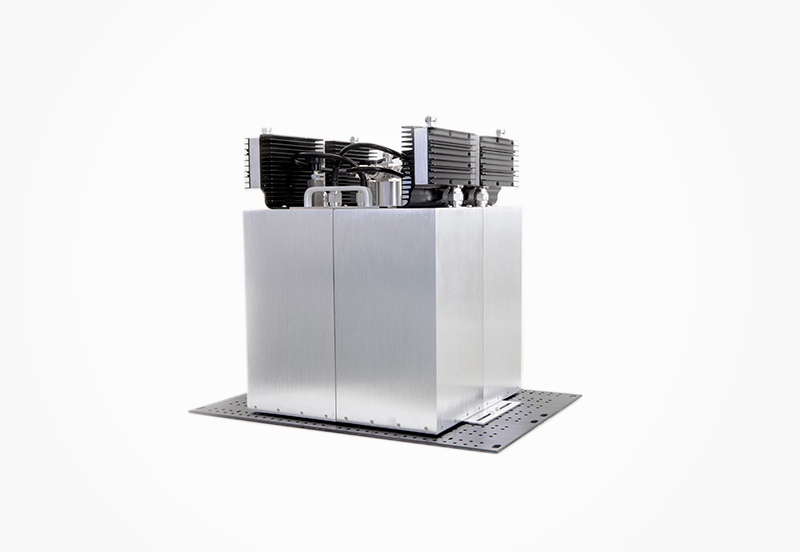
RF combiners are critical integrated components in envelope tracking (ET) power amplifier systems, undertaking the core function of synthesizing envelope modulation signals and radio frequency carrier signals to improve the efficiency and linearity of power amplifiers. Envelope tracking technology is an efficient power amplification technology for modern high-peak-to-average power ratio (PAPR) signals such as 5G/6G communication signals and broadband wireless signals. Different from traditional fixed-bias power amplifiers, ET power amplifiers adjust the working bias voltage in real time according to the envelope change of input signals, which can significantly reduce power consumption and improve energy efficiency. The combiner, as the signal fusion hub of the ET system, is responsible for combining the low-frequency envelope dynamic bias signal and the high-frequency RF carrier signal into a composite signal, which is input to the power amplifier tube to realize real-time tracking of signal envelope and dynamic adjustment of amplifier working state.
The technical design of combiners for envelope tracking power amplifiers needs to meet the dual requirements of wideband signal transmission and high-isolation signal fusion. The combiner must maintain ultra-low insertion loss for both low-frequency envelope signals (usually kHz to MHz level) and high-frequency RF carrier signals (hundreds of MHz to GHz level) to ensure no distortion or attenuation of the two types of signals during synthesis. Meanwhile, it needs to realize high isolation between the envelope channel and the RF channel to prevent mutual crosstalk between low-frequency modulation signals and high-frequency carrier signals, avoiding signal distortion, harmonic generation, and amplifier working point deviation. Professional ET dedicated combiners adopt multi-stage broadband matching network design and low-distortion dielectric materials, which can adapt to high-bandwidth, fast-changing envelope signals and high-frequency agile carrier signals. They support real-time dynamic tracking of signal envelopes with a response speed matching the nanosecond-level modulation rate of modern communication signals.
The application of dedicated combiners effectively solves the efficiency bottleneck of traditional power amplifiers in broadband signal amplification. Traditional power amplifiers work at fixed bias voltage, resulting in serious power waste and low efficiency when amplifying high-PAPR signals. With the help of ET combiners, the power amplifier can dynamically adjust the working voltage with the signal envelope, maintaining the optimal working state at all times, which improves the power efficiency by 30% to 50% compared with traditional schemes, and significantly reduces equipment heat generation and energy consumption. In 5G macro base stations, mobile communication terminals, and broadband RF transmitting equipment, ET combiner-based power amplifier systems have become the mainstream configuration. In addition, the high linearity and low-distortion performance of the combiner ensures the output signal quality of the power amplifier, reducing bit error rate and signal distortion in communication transmission. It provides key technical support for high-efficiency, low-energy-consumption, and high-quality modern wireless communication systems.


Contact Phone:
+86-0755-26701085
+86-0755-26701002
Company Address :
2nd Floor, Building A, Juchuang Jingu Creative Park, Xili Street, Nanshan, Shenzhen


 CN
CN