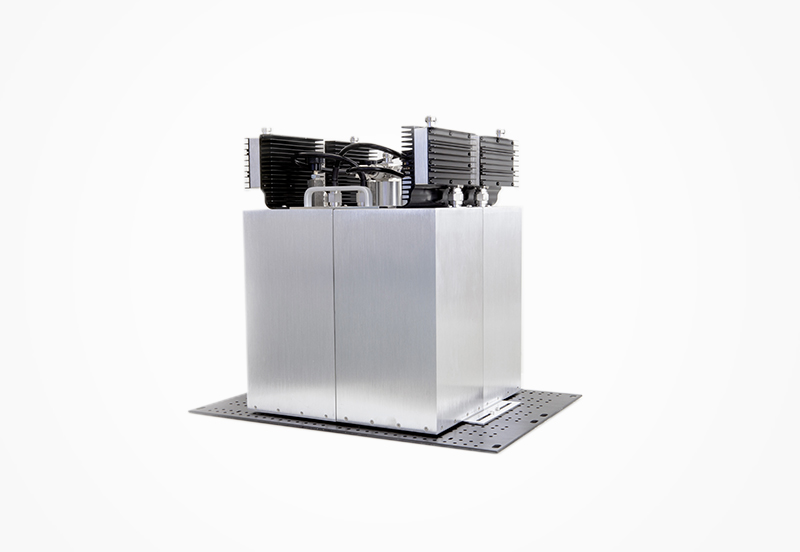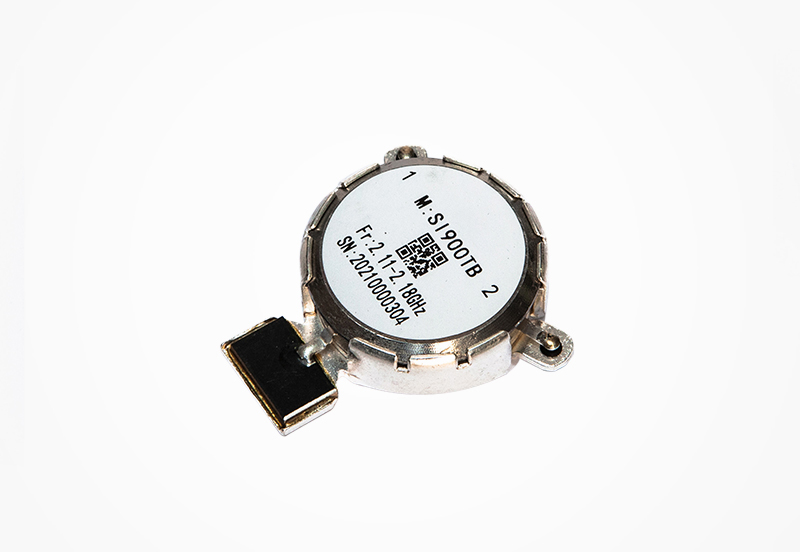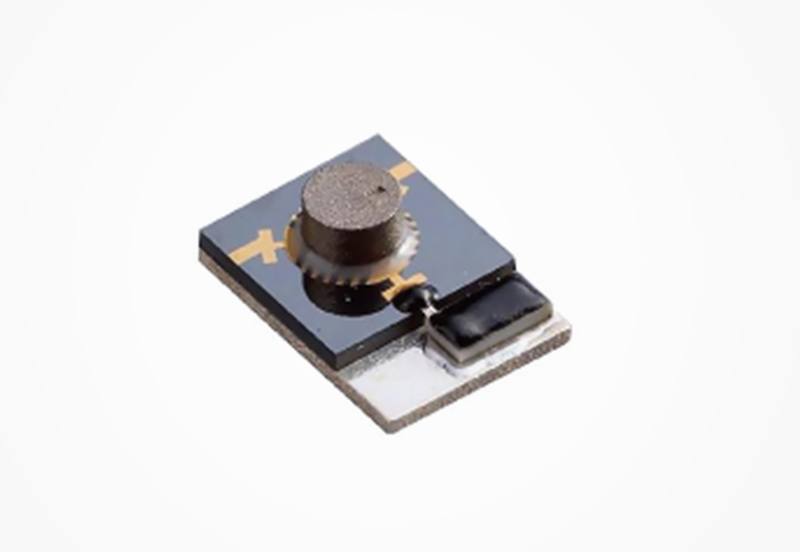


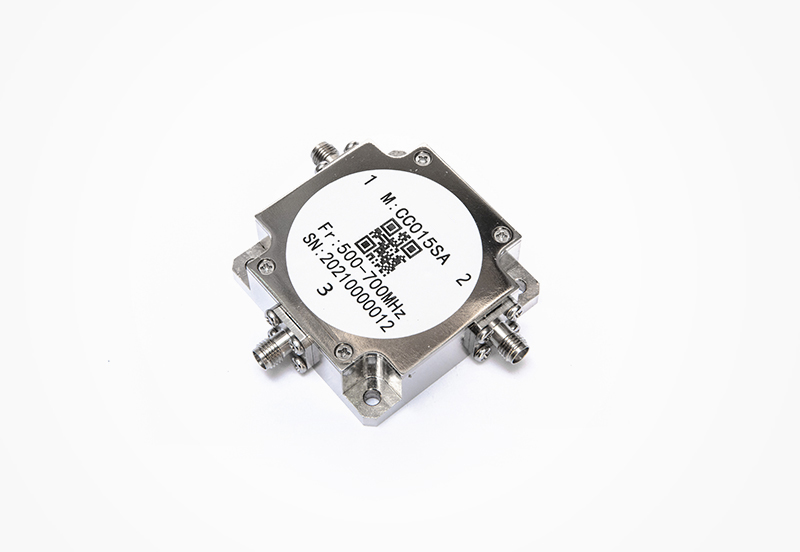
Junction type and ferrite are two core classification dimensions of RF circulators, representing differences in structural form and working medium respectively, and together determine the electrical performance, application scenarios, and working frequency range of circulators. Many users confuse the two classification concepts in engineering applications, but they belong to different attribute categories: junction type defines the topological structure and port arrangement form of the circulator, while ferrite defines the core functional material and working principle of the circulator. Almost all mainstream junction-type circulators in the market are ferrite-based devices, and the two are complementary and indivisible in practical applications, with obvious differences in definition, characteristics, and application focus.
Ferrite circulators refer to all circulator devices that rely on ferrite magnetic materials to realize non-reciprocal transmission, which is the mainstream technical solution of modern RF circulators. Its core working principle is based on the gyromagnetic effect of ferrite materials. After applying a fixed bias magnetic field to the ferrite wafer, the electromagnetic wave passing through the ferrite will produce polarization rotation with unidirectional selectivity, realizing sequential signal transmission among multiple ports and reverse signal isolation. Ferrite materials have the advantages of low high-frequency loss, good magnetic permeability, and stable gyromagnetic characteristics, making ferrite circulators have the characteristics of low insertion loss, high isolation, and wide frequency adaptability. At present, more than 95% of RF and microwave circulators in communication, radar, and test systems belong to ferrite circulators.
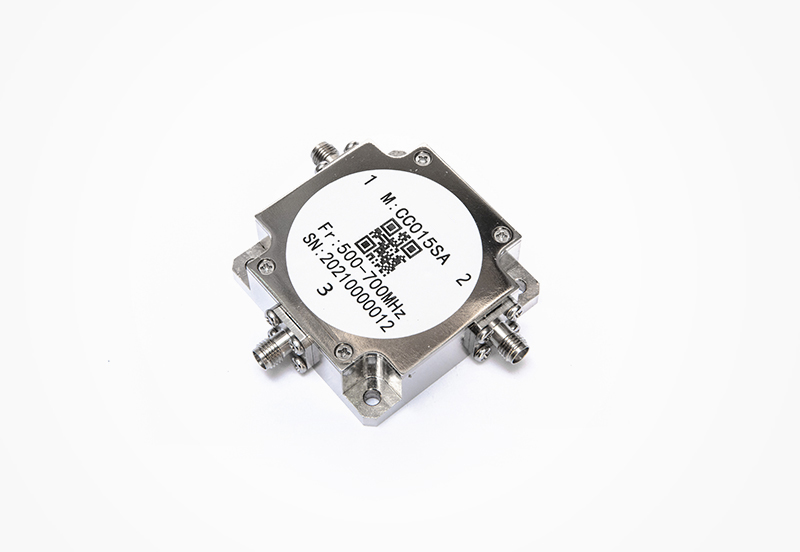
Junction-type circulators are classified according to the internal cavity junction structure, and the most widely used is the Y-junction circulator, which consists of three symmetrically arranged port junctions forming a triangular topological structure. The Y-junction structure realizes uniform electromagnetic field distribution in the cavity, which is convenient for precise impedance matching and magnetic field bias adjustment. Compared with other structural types such as waveguide junction and strip line junction, Y-junction ferrite circulators have more balanced port performance, simpler structural design, and lower manufacturing cost. The junction structure directly determines the signal transmission efficiency and port matching performance of the circulator. Reasonable junction design can reduce cavity electromagnetic leakage, optimize signal linearity, and improve the overall stability of the device.
The essential difference and correlation between the two can be clearly summarized: ferrite is the functional material basis of the circulator, determining the core non-reciprocal performance, frequency band range, and loss index of the device; junction type is the structural carrier of the circulator, determining the port layout, impedance matching effect, and structural stability of the device. In practical selection, users need to take into account both material performance and structural form. For high-frequency, low-loss, and high-isolation scenarios, high-quality ferrite materials must be matched with optimized Y-junction structures. For special low-frequency or high-power scenarios, customized junction structures can be combined with special ferrite formulas to meet differentiated performance requirements. The combination of mature ferrite materials and standardized junction structures has formed the mainstream product system of modern RF circulators.


Contact Phone:
+86-0755-26701085
+86-0755-26701002
Company Address :
2nd Floor, Building A, Juchuang Jingu Creative Park, Xili Street, Nanshan, Shenzhen


 CN