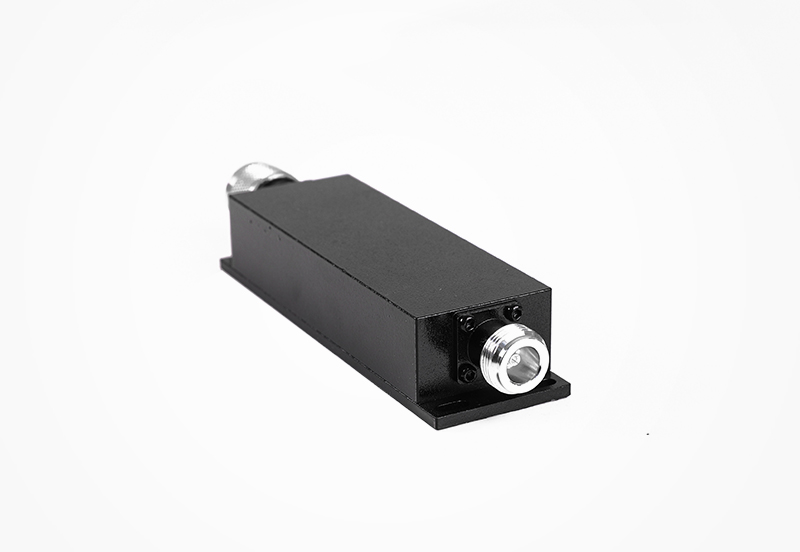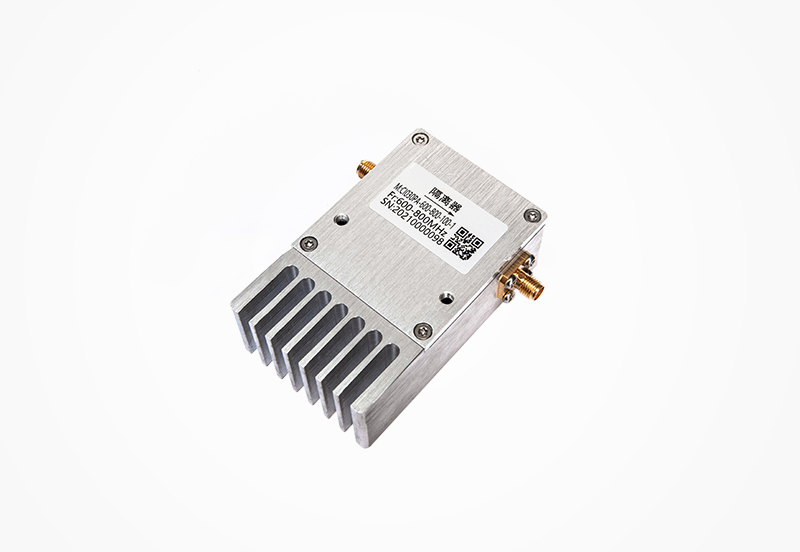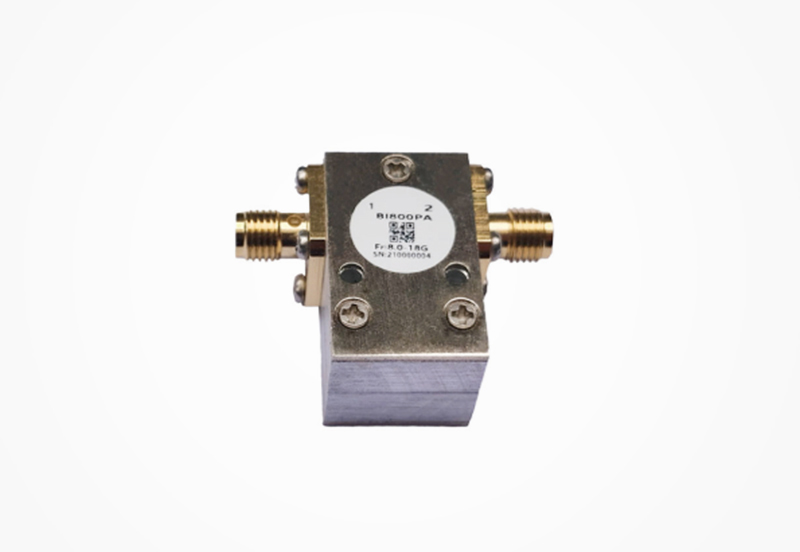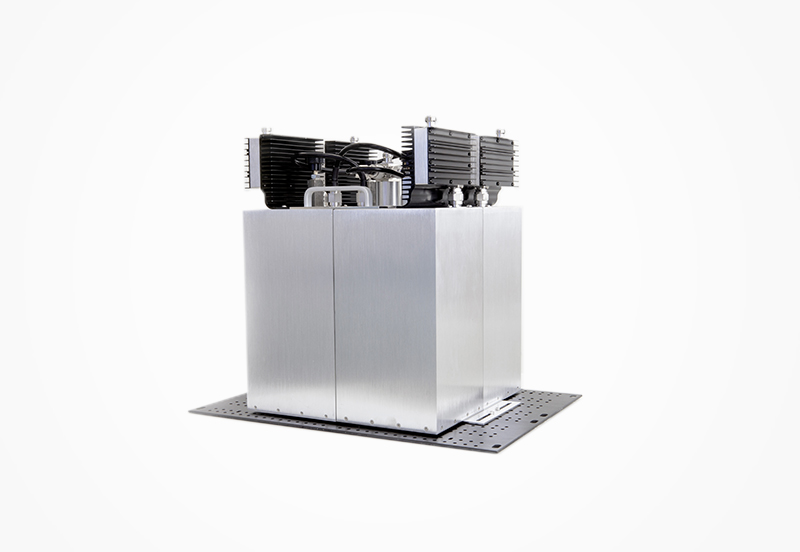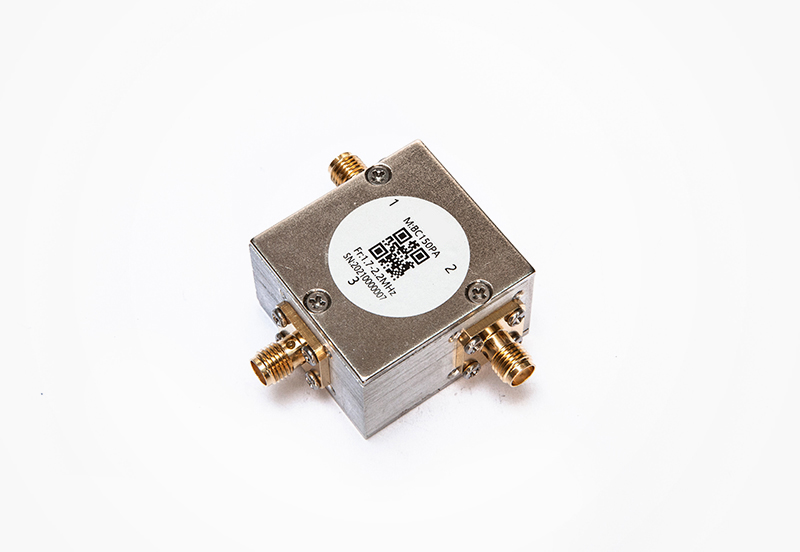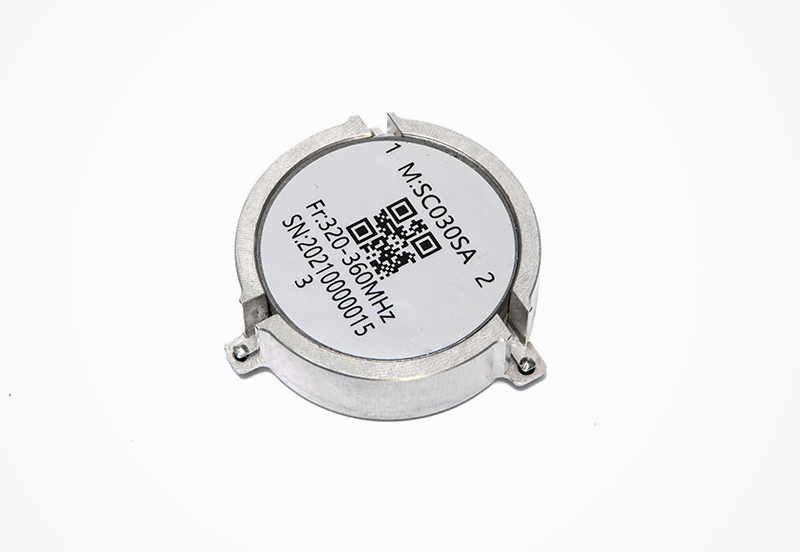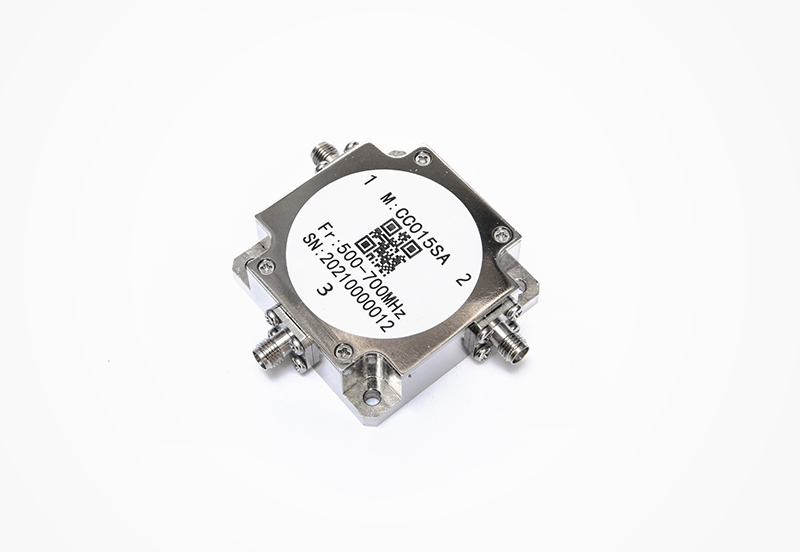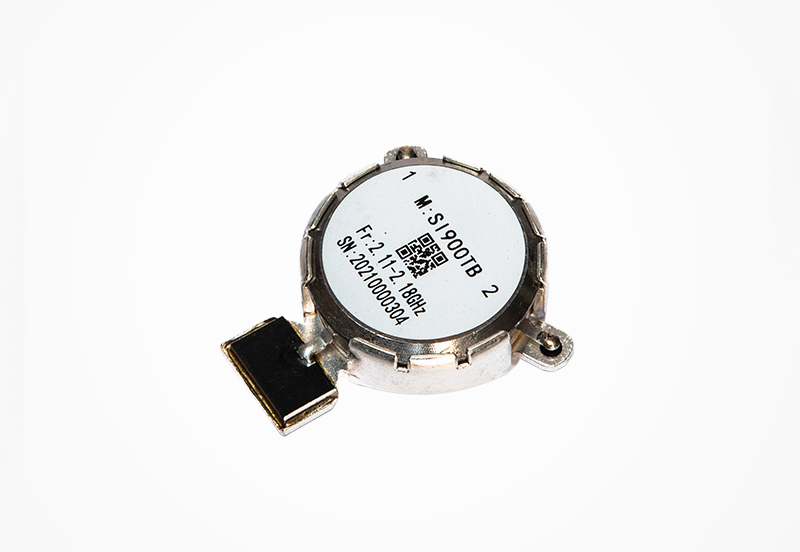

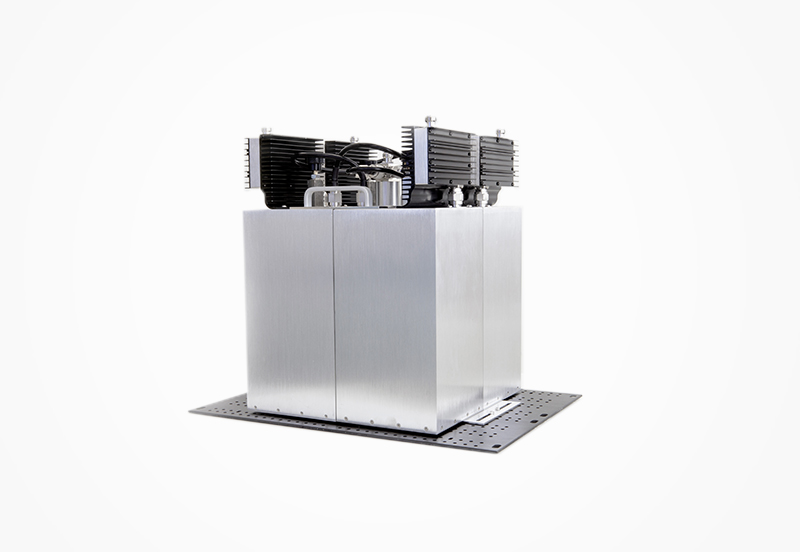
Combiner assembly with soldered internal connections refers to the combiner that adopts integral soldering process for all internal transmission line connections, resonant cavity joints and circuit connection parts, replacing the traditional mechanical crimping and docking assembly mode. In the production process of traditional combiners, internal parts are mostly connected by elastic contact crimping or screw fastening, which are prone to loose contact, metal oxidation gap and poor electrical continuity after long-term operation, resulting in increased insertion loss, decreased isolation and PIM deterioration. The full soldered internal connection structure realizes seamless metal fusion of all internal connecting parts, which fundamentally eliminates the hidden dangers of poor contact caused by mechanical assembly, and greatly improves the long-term stability and electrical performance consistency of the combiner.
The internal soldering assembly process of the combiner adopts high-precision tin-lead silver solder or high-temperature lead-free solder, which has excellent electrical conductivity, oxidation resistance and high-temperature stability. Before soldering, all internal metal connecting parts are precisely polished and cleaned to remove surface oxide layers and impurities, ensuring that the soldering interface is fully fitted and fused. The soldering process adopts constant-temperature reflow soldering or laser precision soldering technology, which accurately controls the soldering temperature, time and solder dosage to avoid virtual soldering, missing soldering and excessive solder accumulation. After soldering, the internal connection forms an integrated metal structure with uniform current conduction, no micro-resistance and no gap discharge, which effectively reduces the internal loss of the combiner and improves the signal transmission efficiency.
Combiners with soldered internal connections have significant advantages in service life and environmental adaptability. The integrated soldering structure will not produce loose contact due to mechanical vibration, temperature cycle change and long-term aging, and can maintain stable electrical performance in complex outdoor working environments such as high temperature, low temperature and humidity. In terms of electrical indexes, the soldered internal structure can effectively reduce passive intermodulation interference, improve port isolation and return loss performance, and ensure the consistency of product batch performance. This assembly process is widely used in high-end base station combiners, military RF combiners and high-power communication equipment components, providing reliable structural guarantee for the long-term stable operation of high-performance RF systems.


Contact Phone:
+86-0755-26701085
+86-0755-26701002
Company Address :
2nd Floor, Building A, Juchuang Jingu Creative Park, Xili Street, Nanshan, Shenzhen


 CN
CN