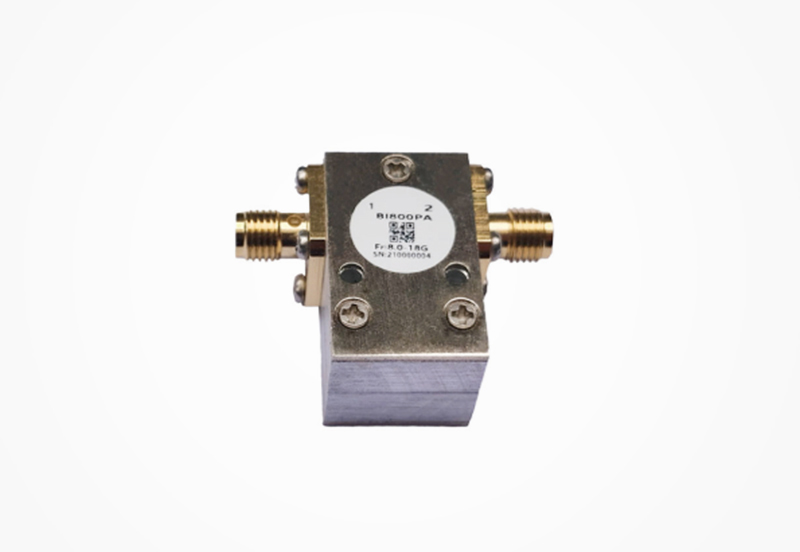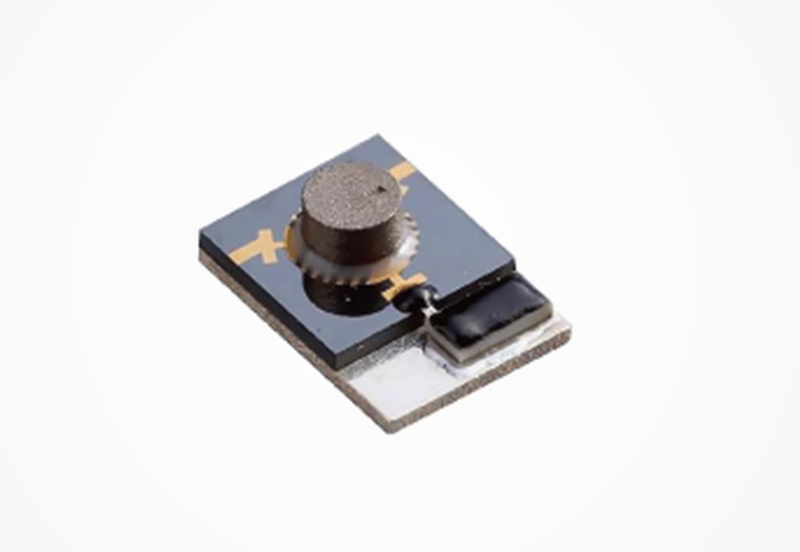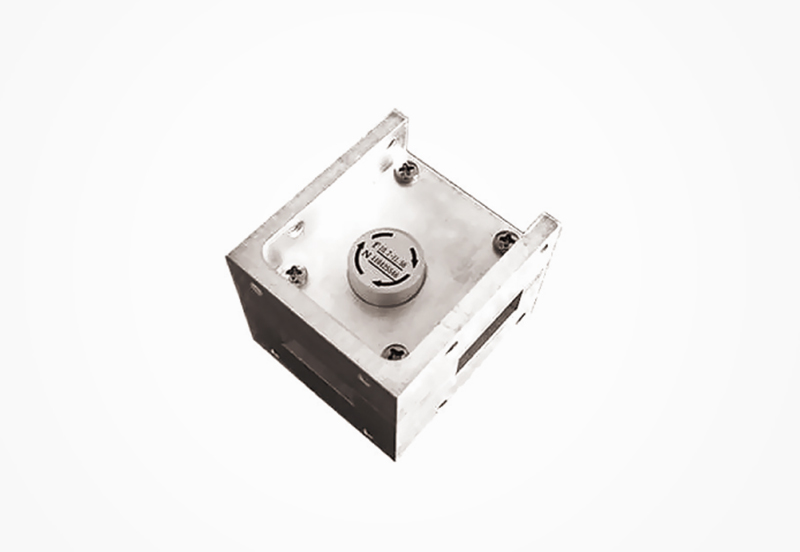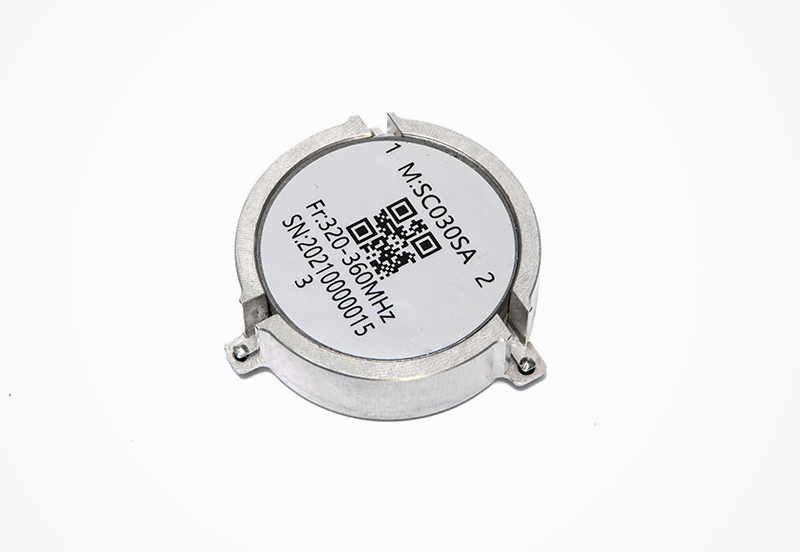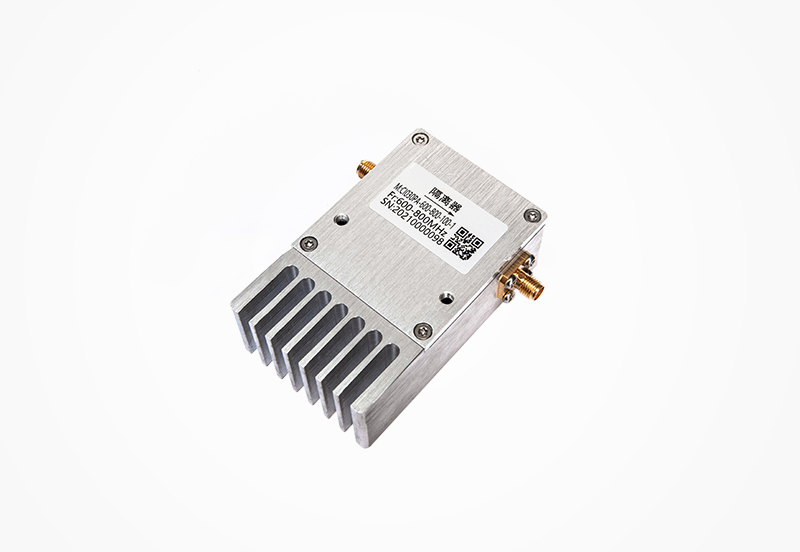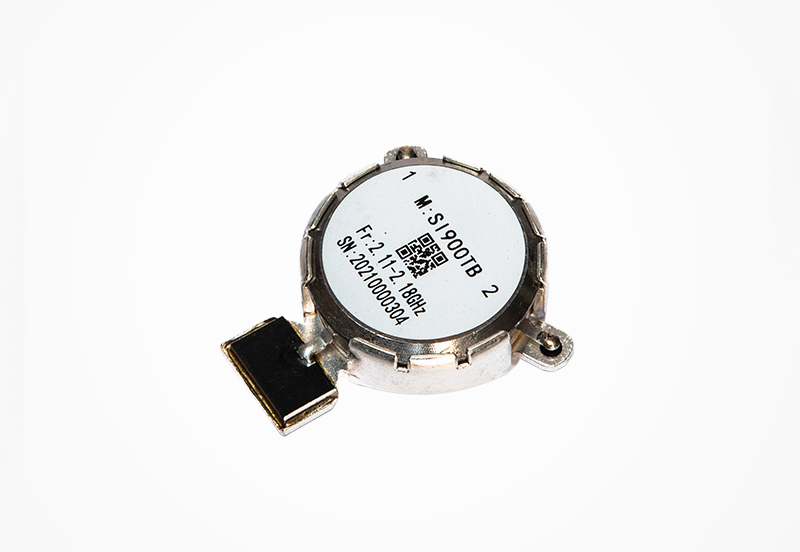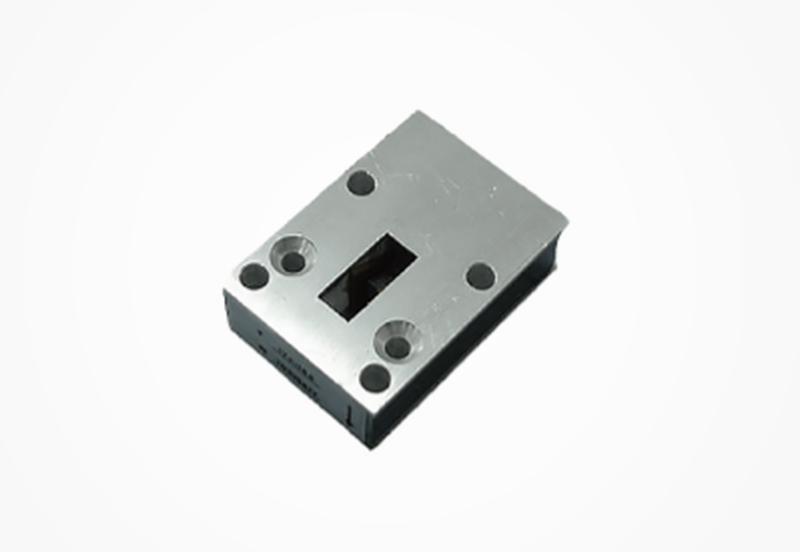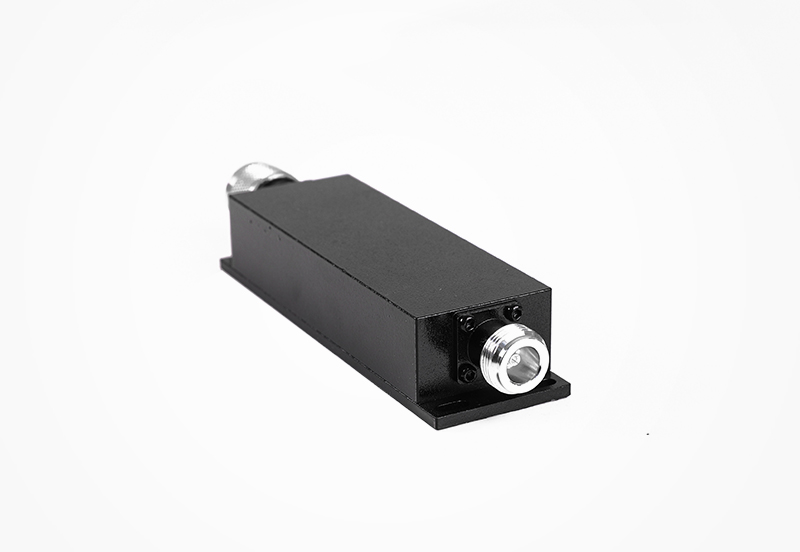

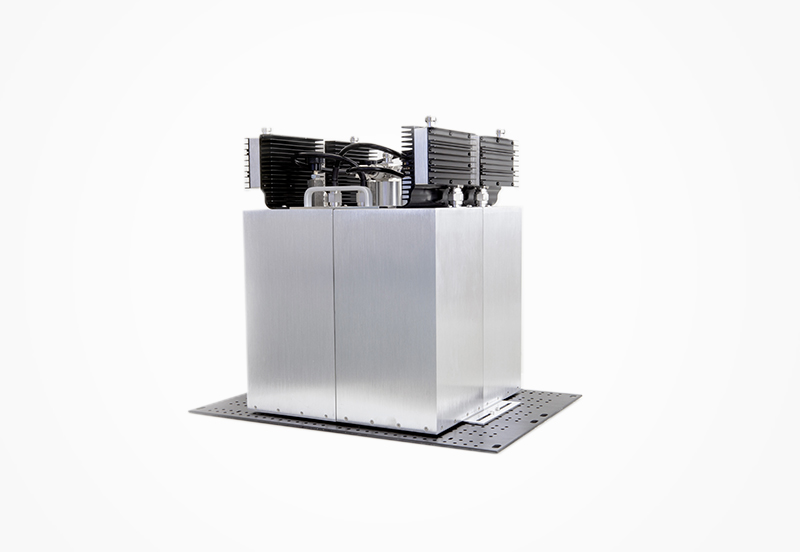
Microstrip combiner design for array antennas is a miniaturized, high-integration RF power combining technology tailored for antenna array feed systems. Array antennas require multi-channel uniform signal feeding to form stable directional beam radiation, and traditional coaxial and cavity combiners have large volume and complex wiring, which cannot meet the miniaturization and lightweight requirements of modern antenna arrays. Microstrip combiners adopt planar printed circuit board (PCB) structure design, with the advantages of small size, light weight, easy integration, and low cost, which can be tightly combined with antenna array substrates to realize integrated design of antenna and feed network, widely used in 5G array antennas, radar phase-controlled arrays, and satellite antenna systems.
The core of microstrip combiner design lies in transmission line parameter optimization, impedance matching design, and channel consistency calibration. The microstrip line’s characteristic impedance, line width, and length are calculated according to the operating frequency and dielectric substrate parameters to ensure that each branch transmission line has consistent electrical length and impedance characteristics. For multi-channel array antenna feeding requirements, symmetric topological structures such as multi-stage Wilkinson and quadrature coupling are adopted to realize equal power splitting and combining. In order to reduce the size of the planar structure, bending microstrip lines and compact layout design are used, while avoiding mutual coupling interference between adjacent transmission lines. Isolation resistors and matching gaps are reasonably arranged to improve port isolation and reduce signal crosstalk.
In practical array antenna applications, customized design of microstrip combiners is required according to antenna array scale, working frequency band, and beam forming requirements. For uniform linear arrays and planar arrays, equal-splitting microstrip combiners are used to ensure consistent amplitude and phase of each antenna unit’s feed signal; for weighted beam arrays, unequal-splitting combiners with adjustable power ratio are designed. Modern microstrip combiner design also integrates broadband optimization technology to expand the working bandwidth of antenna arrays and improve signal flatness. With the development of miniaturized wireless equipment, high-precision, compact, and broadband microstrip combiners have become the mainstream feed network components of modern array antennas, greatly promoting the integration and lightweight development of antenna systems.


Contact Phone:
+86-0755-26701085
+86-0755-26701002
Company Address :
2nd Floor, Building A, Juchuang Jingu Creative Park, Xili Street, Nanshan, Shenzhen


 CN
CN