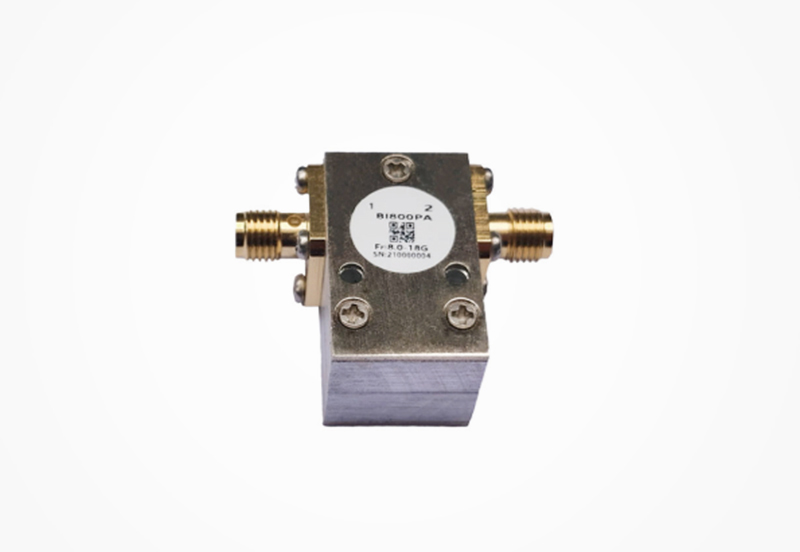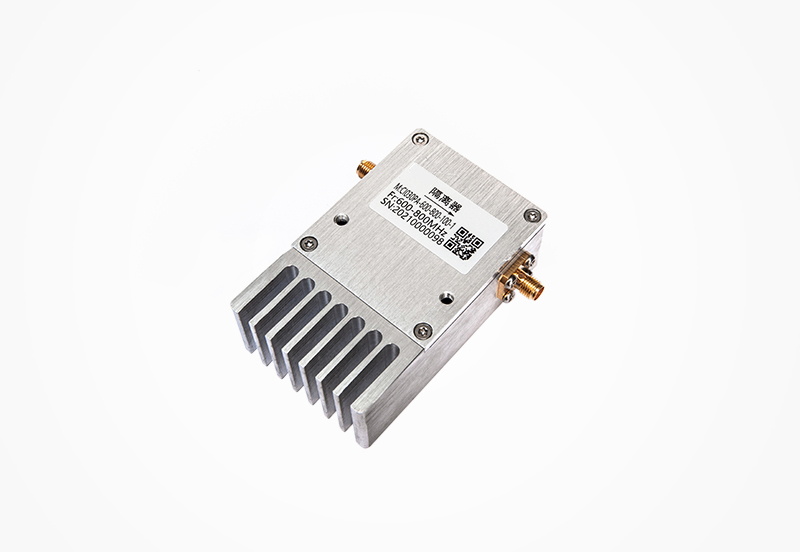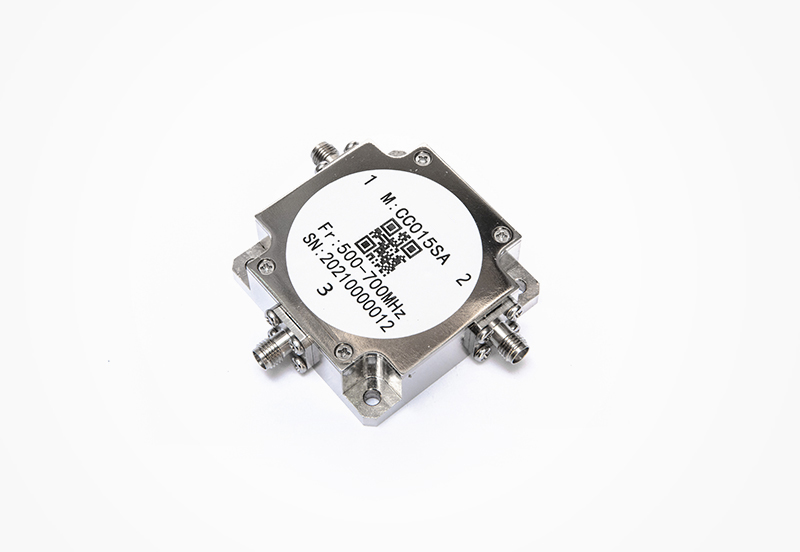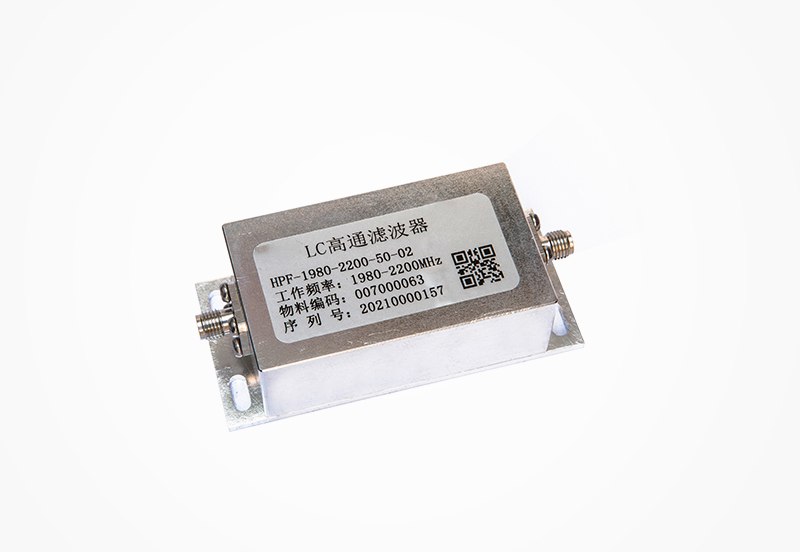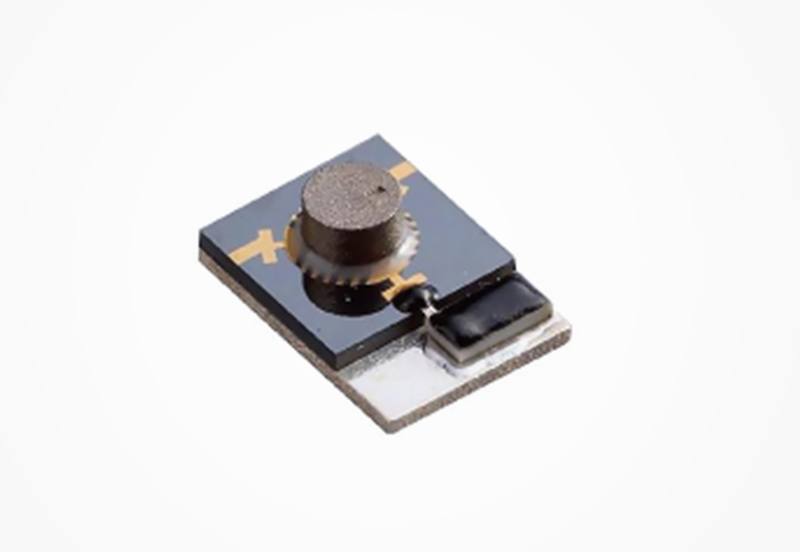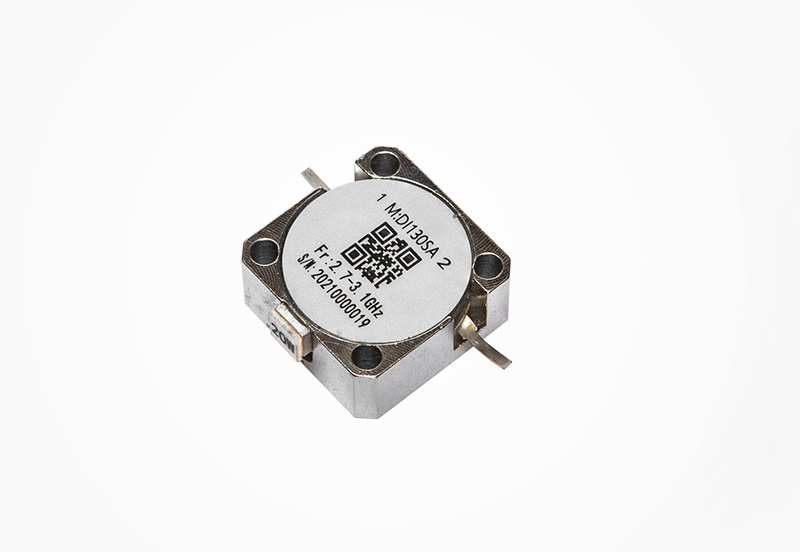


Aerospace avionics-grade RF circulators are high-reliability, high-environmental-adaptability passive microwave components specially developed for aerospace and airborne electronic systems, which are key core components of aviation communication, navigation, radar, and satellite communication systems. Aerospace avionics equipment operates in extreme environments such as high altitude, low pressure, high temperature difference, strong vibration, and complex electromagnetic radiation, putting forward ultra-high requirements for the stability, reliability, anti-interference ability, and environmental adaptability of RF components. Ordinary civil-grade RF circulators cannot adapt to extreme aerospace working conditions, while aerospace avionics RF circulators adopt special material formulas, precision manufacturing processes, and strict reliability screening to meet the harsh technical standards of the aerospace industry.
In terms of structural and material design, aerospace avionics RF circulators adopt high-strength aviation aluminum alloy shells and high-temperature-resistant microwave dielectric materials, which can withstand extreme temperature ranges from -55℃ to +125℃, without performance attenuation or structural deformation in high and low temperature alternating environments. The internal structure adopts anti-vibration and anti-shock optimization design, which can resist strong vibration and impact during aircraft takeoff, landing, and flight, ensuring stable electrical performance. In terms of electromagnetic performance, it has ultra-high isolation (above 25dB) and ultra-low insertion loss (below 0.25dB), which can accurately isolate aviation communication transmit-receive signals, avoid radar signal crosstalk and navigation signal interference, and ensure the accuracy of flight navigation data and the stability of airborne communication. In addition, this type of circulator has excellent radiation resistance and low outgassing characteristics, adapting to high-altitude low-pressure and space vacuum environments, and will not generate gas precipitation that pollutes avionics equipment. It strictly complies with aerospace industry standards such as MIL-STD-810 environmental test specifications and RTCA DO-160 airborne equipment environmental conditions. It is widely used in airborne short-wave communication systems, satellite navigation receivers, airborne radar systems, and aerospace vehicle data transmission systems, providing reliable signal protection for the safe flight and stable operation of aerospace equipment.


Contact Phone:
+86-0755-26701085
+86-0755-26701002
Company Address :
2nd Floor, Building A, Juchuang Jingu Creative Park, Xili Street, Nanshan, Shenzhen


 CN