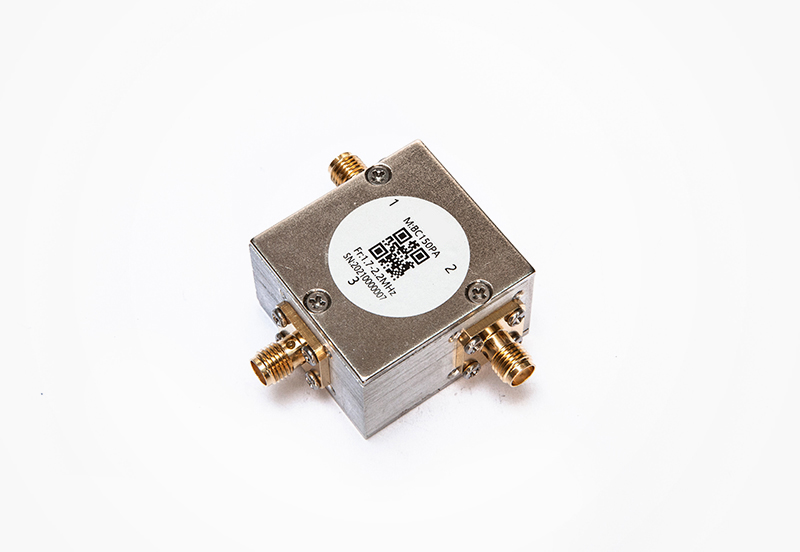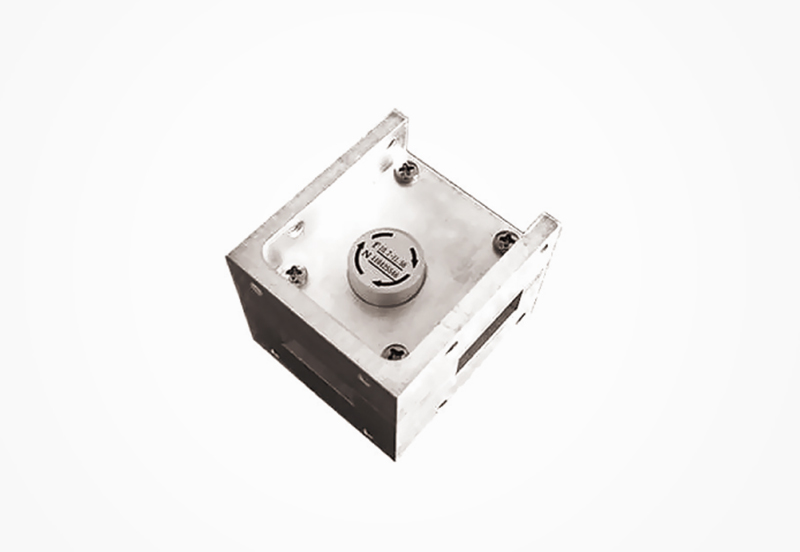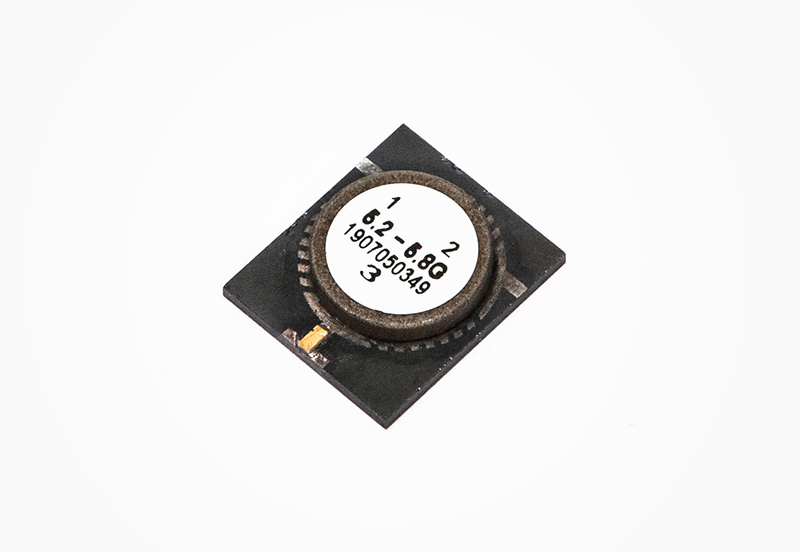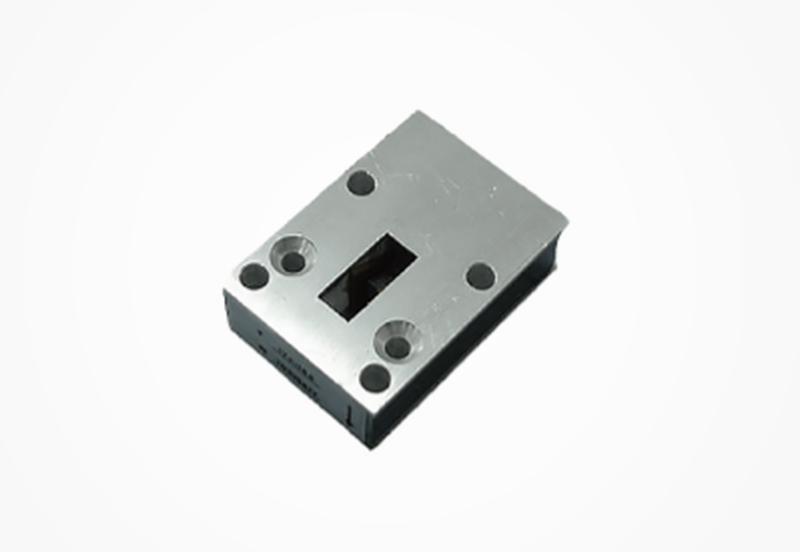

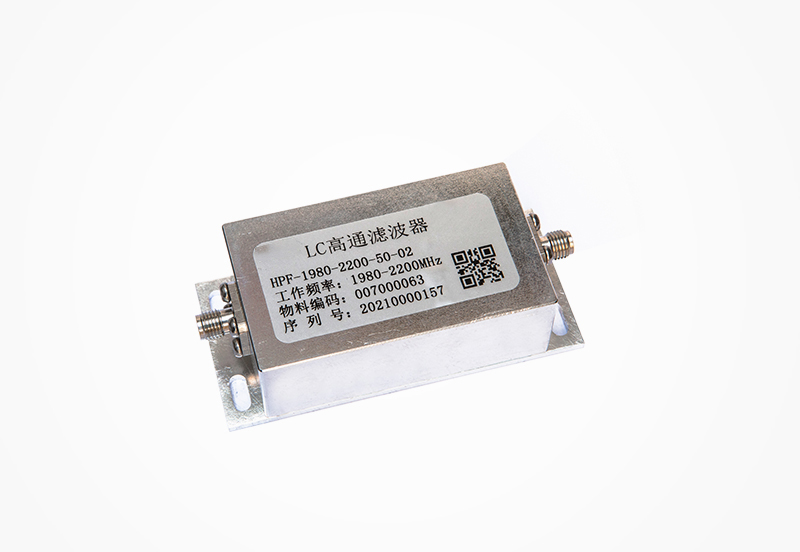
Radio frequency (RF) filters are core passive components in wireless communication, radar, and broadcasting systems, whose electrical performance is highly susceptible to ambient temperature variations. Temperature drift refers to the deviation of key filter parameters including center frequency, insertion loss, bandwidth, and return loss when the operating temperature fluctuates from -40°C to 85°C, a common working temperature range for industrial and communication equipment. Dielectric materials, resonant cavities, and metal structural parts of conventional RF filters exhibit inherent thermal expansion and permittivity temperature coefficients. For ceramic dielectric filters, a 10°C temperature change can cause a center frequency drift of several hundred kilohertz, which leads to channel deviation, signal attenuation, and even system communication failure in narrow-band communication systems. Therefore, temperature drift compensation technology is essential to stabilize RF filter performance under variable thermal environments and ensure long-term reliable operation of wireless systems.
Modern temperature drift compensation techniques for RF filters are mainly divided into material compensation, structural compensation, and circuit active compensation. Material compensation is the most fundamental and widely adopted method, which adopts low-temperature-coefficient dielectric materials or composite dielectric formulations to offset permittivity changes caused by temperature fluctuations. Engineers mix high-stability ceramic materials such as alumina and titanate with temperature-compensating fillers to reduce the material’s temperature coefficient of permittivity to near zero. Structural compensation optimizes the physical structure of filter resonators, such as designing asymmetric resonant cavities, adding temperature-adjustable metal tuning screws, and adopting low-thermal-expansion alloy materials for cavity shells. These structural designs can counteract the dimensional deformation of resonators caused by thermal expansion and contraction, thereby suppressing frequency drift.
Active circuit compensation is an emerging high-precision compensation technology suitable for high-end precision RF filter systems. This technology integrates temperature sensors, micro-control units (MCU), and adjustable capacitance or inductance components inside the filter module. The real-time temperature data collected by the sensor is transmitted to the MCU, which calculates the temperature drift offset according to the pre-calibrated temperature drift model and dynamically adjusts the resonant parameters of the filter through adjustable devices. Compared with passive compensation methods, active compensation achieves higher compensation accuracy, effectively reducing frequency drift to less than 1 ppm/°C. With the rapid development of 5G and 6G communication systems, temperature drift compensation technology is evolving toward miniaturization, high precision, and intelligent real-time adjustment, providing core technical support for stable operation of high-frequency and narrow-band RF filters.

Contact Phone:
+86-0755-26701085
+86-0755-26701002
Company Address :
2nd Floor, Building A, Juchuang Jingu Creative Park, Xili Street, Nanshan, Shenzhen


 CN
CN