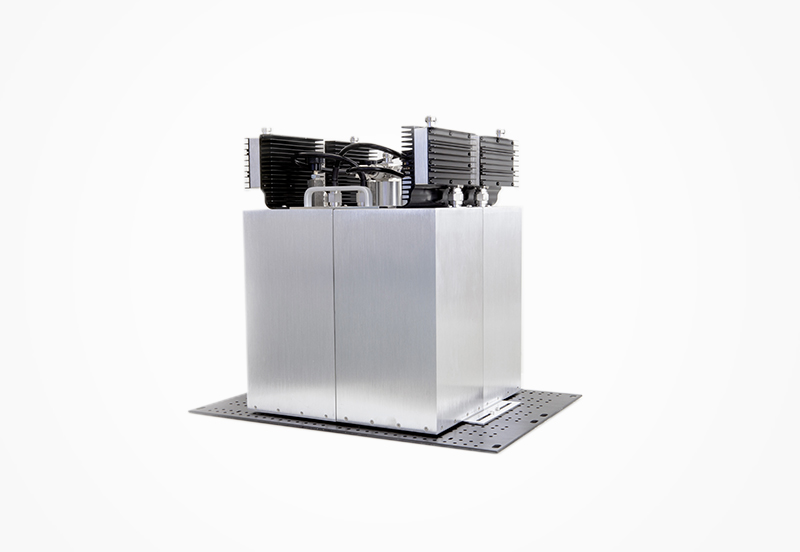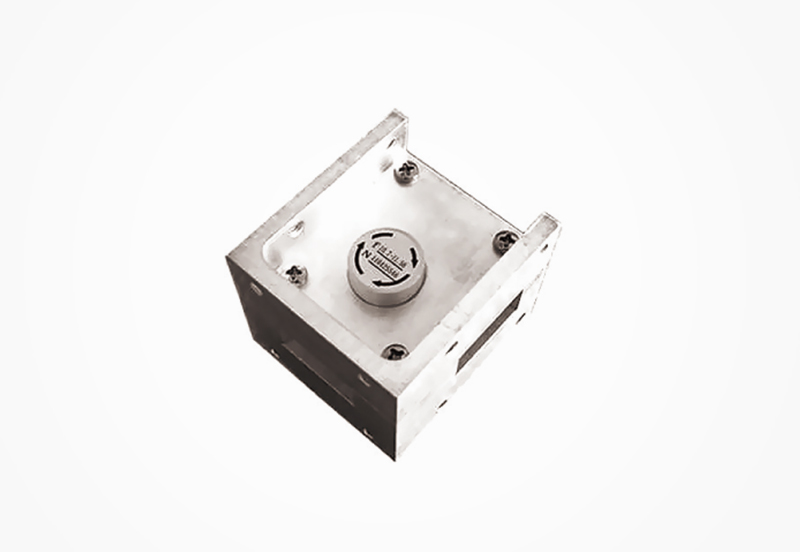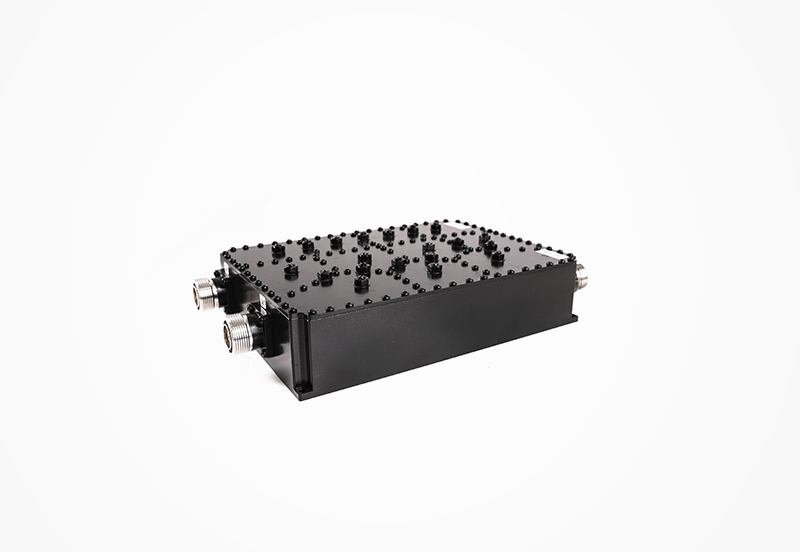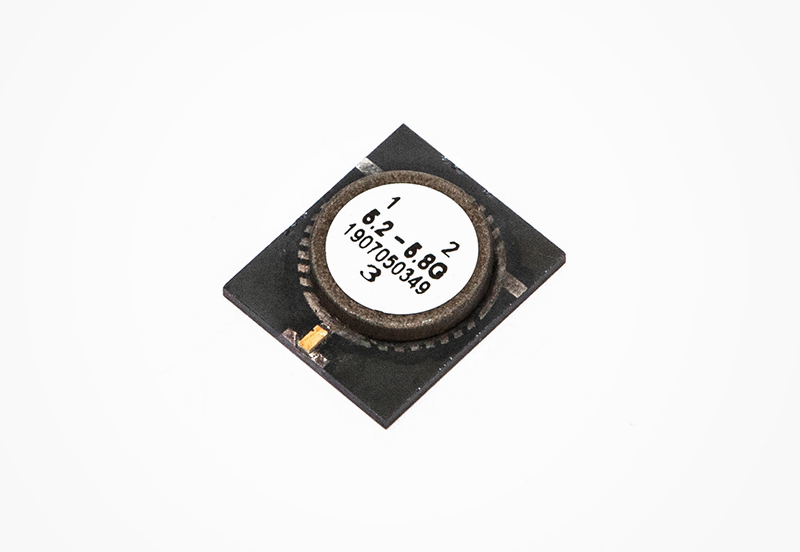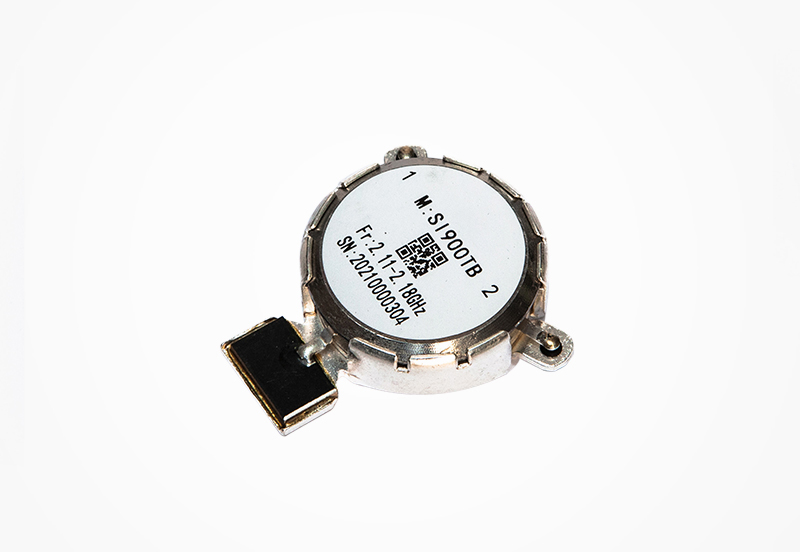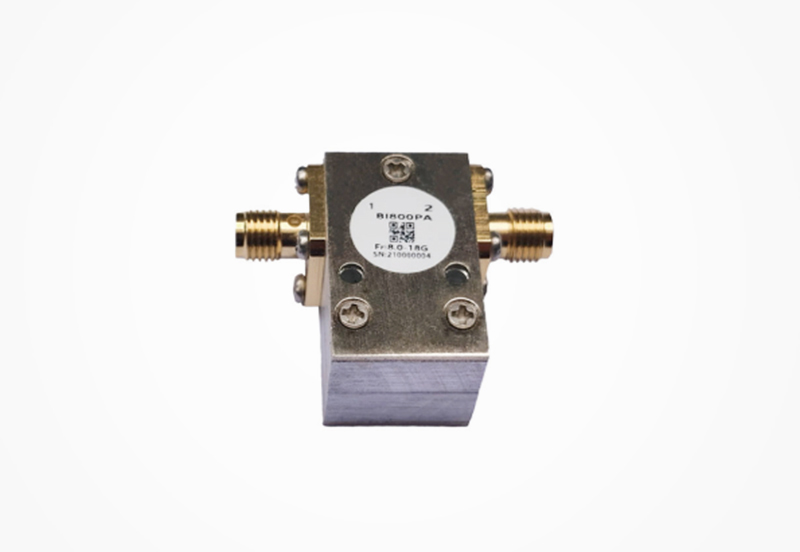


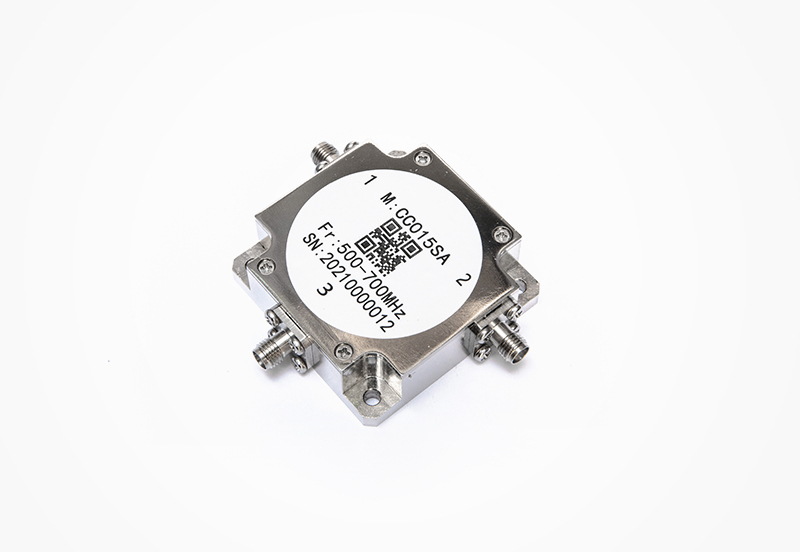
The third-order intercept point (IP3) stands as one of the most critical linearity performance metrics for RF circulators, defining the device’s ability to suppress nonlinear signal distortion in multi-tone wireless communication systems. As a passive non-reciprocal RF component, circulators are widely deployed in transceiver front ends, radar systems, and cellular base stations to isolate transmit and receive signals. Unlike active RF devices such as amplifiers and mixers, passive circulators are generally perceived as highly linear, yet their inherent material and structural nonlinearities still generate third-order intermodulation (IM3) products when handling high-power multi-frequency signals. IP3 is a theoretical extrapolated parameter rather than a measurable operating point, representing the power level where the amplitude of fundamental input/output signals equals that of third-order intermodulation spurious signals. A higher IP3 value indicates superior linearity, lower distortion, and better anti-interference capability in complex RF signal environments.
The nonlinear distortion mechanism behind the circulator’s IP3 primarily originates from the ferromagnetic magnetic materials and junction structural characteristics. When two or more high-power RF signals pass through the circulator, the alternating electromagnetic field causes subtle nonlinear permeability changes in the ferrite material. This material nonlinearity generates unwanted intermodulation products at frequencies of 2f1-f2 and 2f2-f1, which fall within the operating frequency band of most wireless systems and cannot be filtered out by conventional bandpass filters. In TDD and FDD communication systems, these IM3 products will overlap with received weak baseband signals, raising the system noise floor, reducing signal-to-noise ratio (SNR), and causing bit error rate deterioration. For high-capacity cellular base stations and high-sensitivity radar receivers, low IP3 performance of circulators will severely restrict system dynamic range and communication capacity.
Practical IP3 optimization and testing of RF circulators focus on material improvement and structural design refinement. High-linearity ferrite materials with stable permeability under high magnetic field bias are selected to minimize material nonlinear response. Engineers also optimize the circulator junction geometry and impedance matching network to uniformize electromagnetic field distribution inside the device, avoiding local high-field saturation that exacerbates distortion. In industrial testing, the two-tone test method is universally adopted: two equal-amplitude continuous-wave signals with a small frequency interval are injected into the circulator, and the power difference between fundamental signals and IM3 products is measured to calculate input IP3 (IIP3) and output IP3 (OIP3). Commercial high-performance RF circulators for cellular base stations typically feature OIP3 above +60 dBm, ensuring linear and distortion-free operation under high-power multi-signal superposition conditions.


Contact Phone:
+86-0755-26701085
+86-0755-26701002
Company Address :
2nd Floor, Building A, Juchuang Jingu Creative Park, Xili Street, Nanshan, Shenzhen


 CN