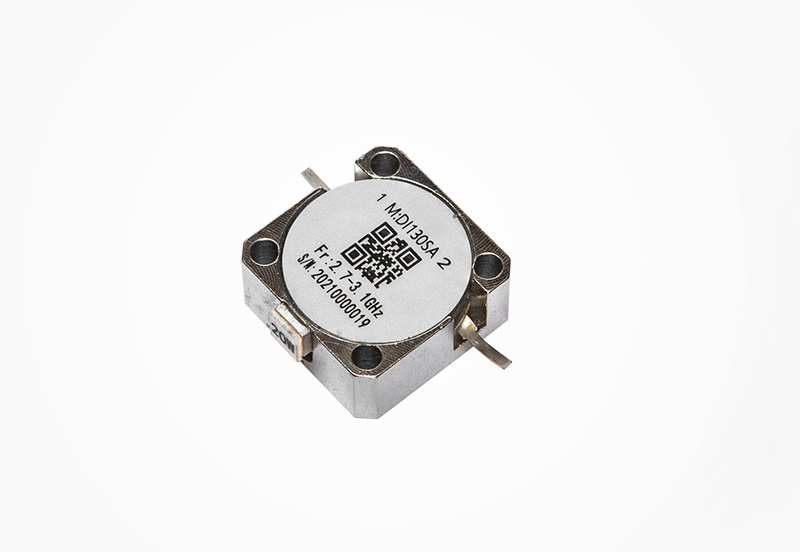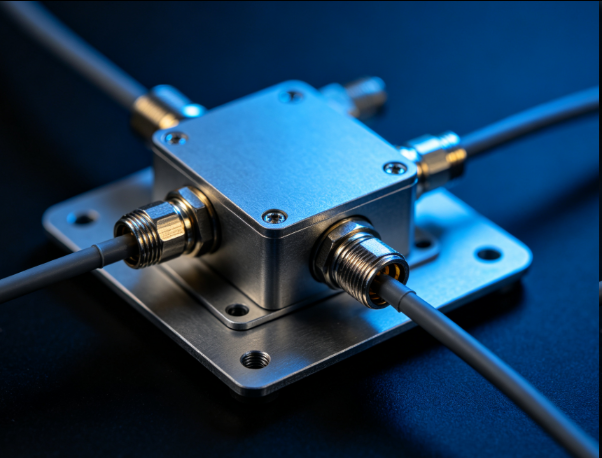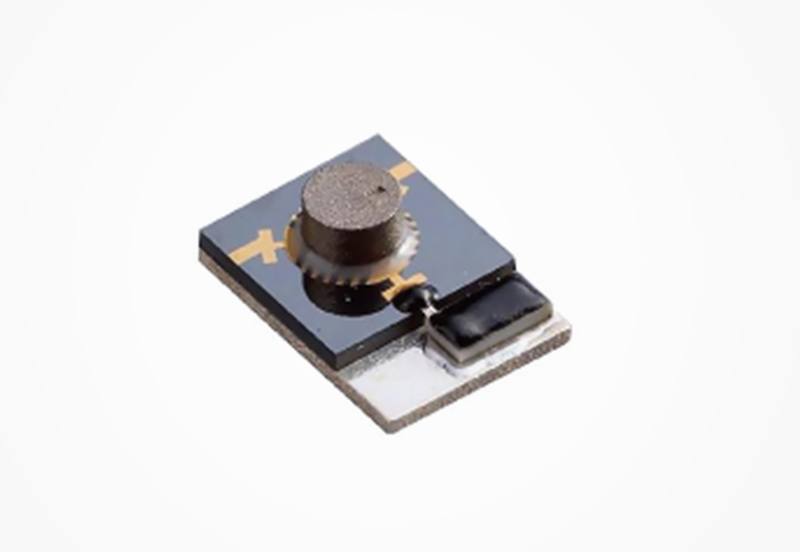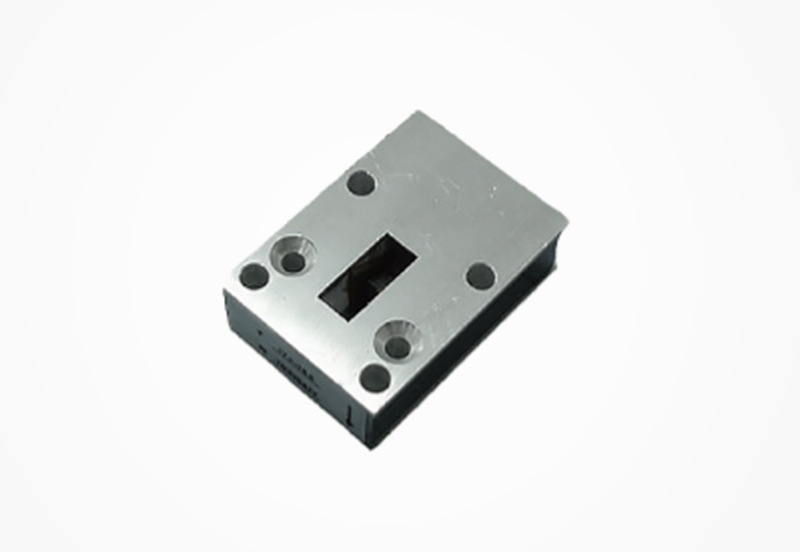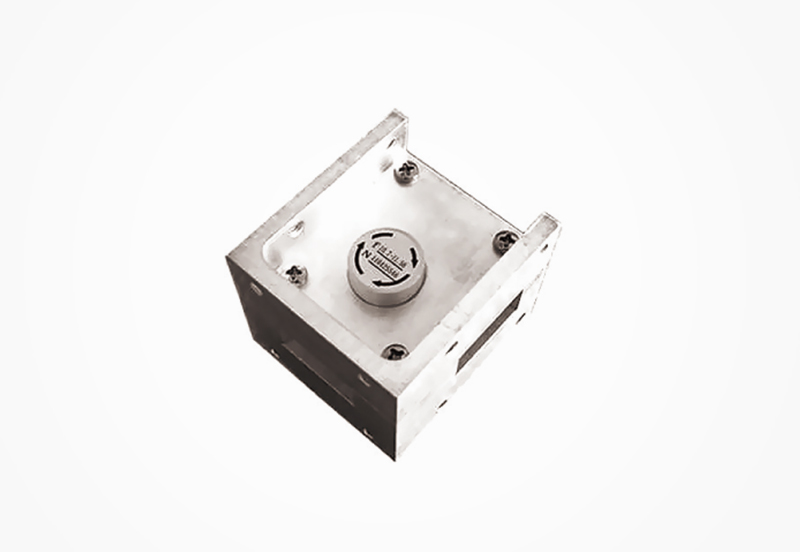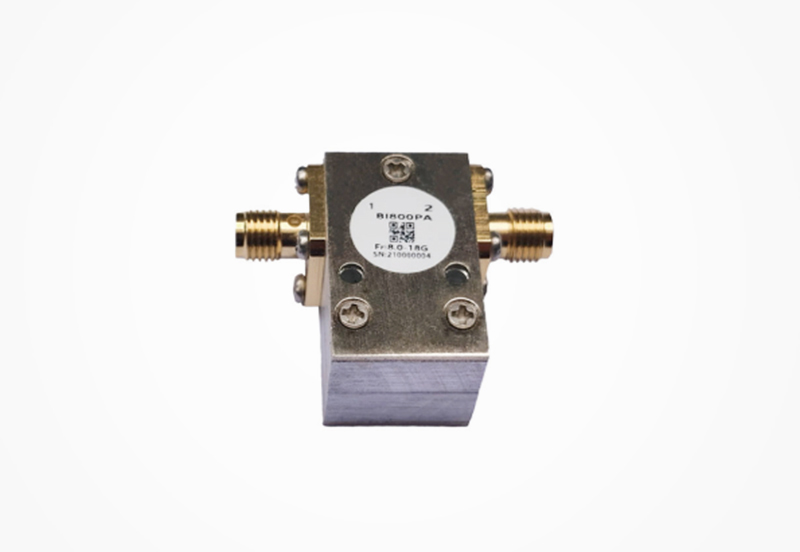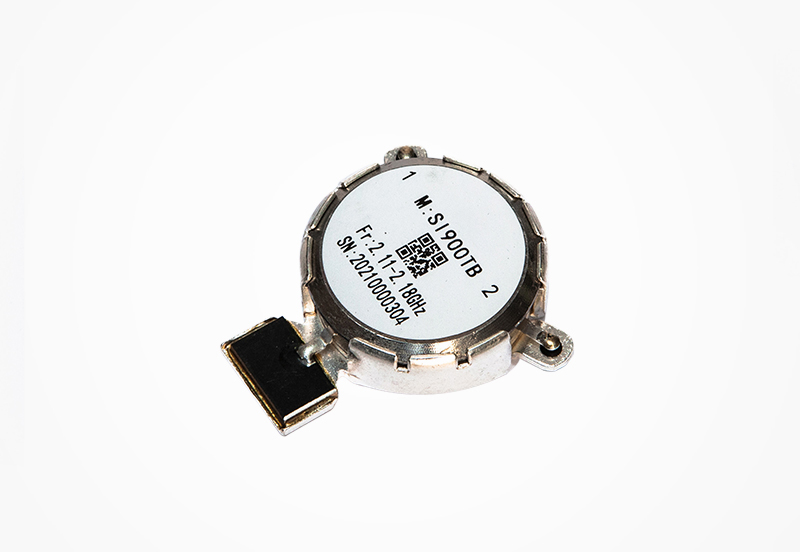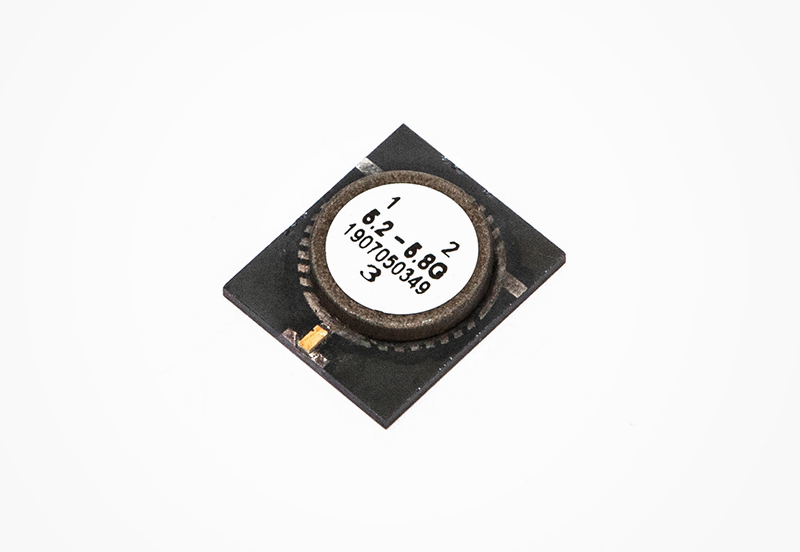


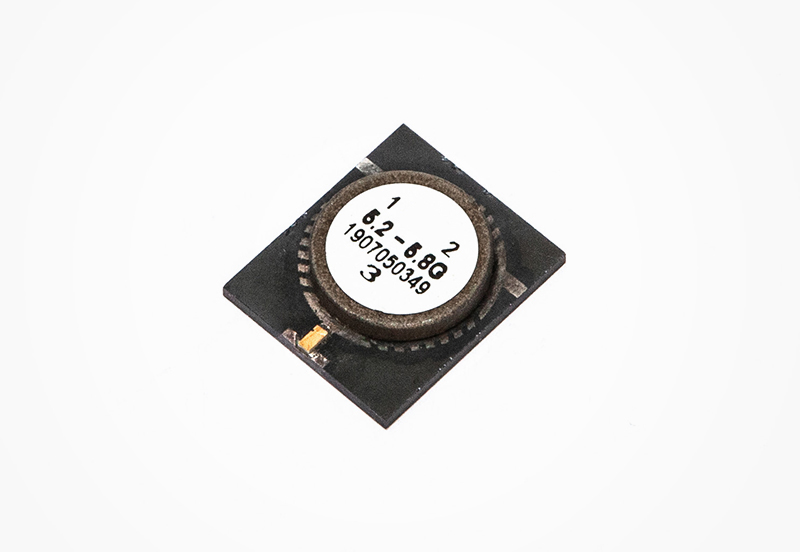
RF circulators are indispensable passive microwave components that serve as the core signal isolation and routing units in modern wireless infrastructure systems, supporting the stable operation of 4G, 5G, and upcoming 6G cellular communication networks, macro base stations, micro base stations, and distributed antenna systems (DAS). Designed with non-reciprocal microwave transmission characteristics, these circulators enable unidirectional signal flow among three or more ports, effectively isolating transmit and receive signals to eliminate mutual interference, which is the key to ensuring high-capacity and low-latency wireless communication. In large-scale wireless infrastructure deployment, base station transceivers face severe signal crosstalk challenges: high-power transmit signals may leak into the receive channel, causing receiver saturation, signal distortion, and even hardware damage, while weak uplink receive signals are extremely vulnerable to interference from surrounding electromagnetic signals. RF circulators solve this problem fundamentally by restricting signal transmission direction, ensuring that transmit signals only flow from the transmitter to the antenna, and receive signals only transmit from the antenna to the receiver.
Modern wireless infrastructure RF circulators are optimized for high power handling, wide bandwidth, and high isolation performance to adapt to dense network deployment scenarios. They can continuously handle high RF power levels ranging from tens of watts to hundreds of watts, meeting the long-term stable operation requirements of outdoor base stations. The wide bandwidth design covers mainstream cellular frequency bands, including sub-6GHz and millimeter-wave bands for 5G, supporting multi-band hybrid networking and flexible spectrum allocation. In terms of technical indicators, these circulators typically achieve isolation above 20dB, insertion loss below 0.3dB, and excellent voltage standing wave ratio (VSWR) performance, minimizing signal energy loss and reflection interference. With the rapid expansion of 5G infrastructure and the construction of smart city wireless networks, the demand for high-reliability RF circulators continues to grow. These components also feature environmental adaptability, withstanding extreme temperatures, humidity, and vibration in outdoor tower and cabinet deployment environments, ensuring 24/7 uninterrupted operation of wireless infrastructure and laying a solid hardware foundation for high-speed, stable, and large-coverage wireless communication services.


Contact Phone:
+86-0755-26701085
+86-0755-26701002
Company Address :
2nd Floor, Building A, Juchuang Jingu Creative Park, Xili Street, Nanshan, Shenzhen


 CN