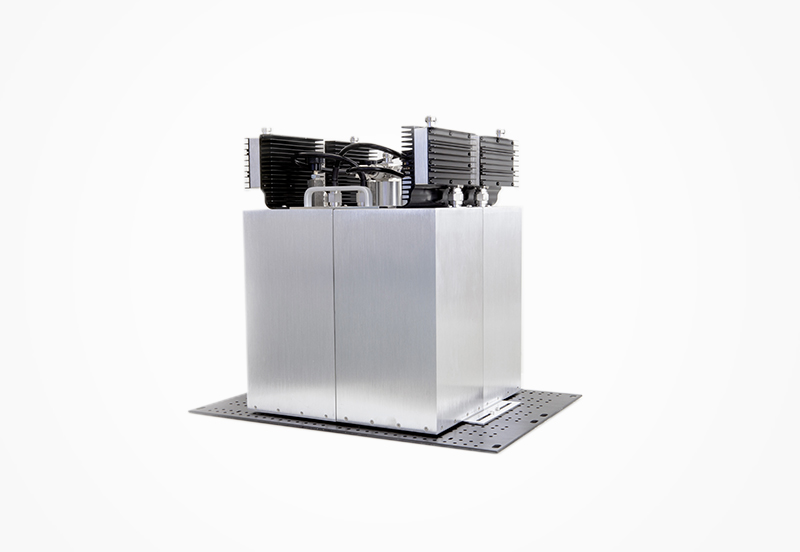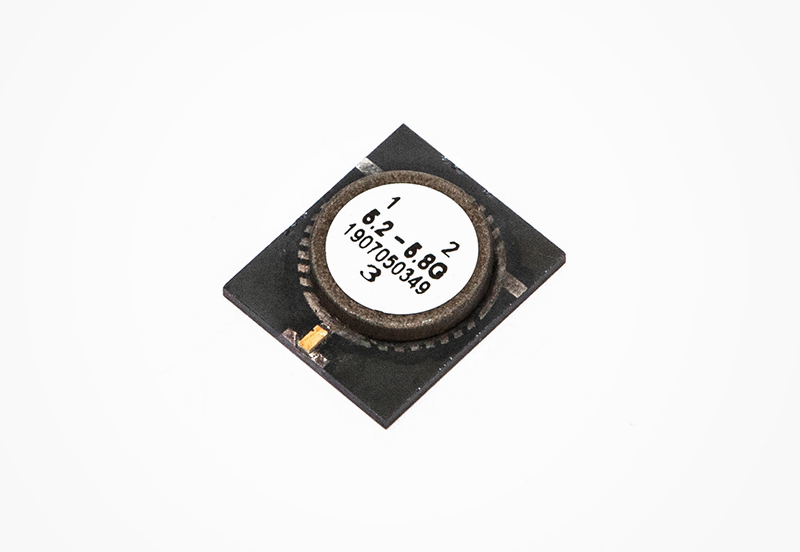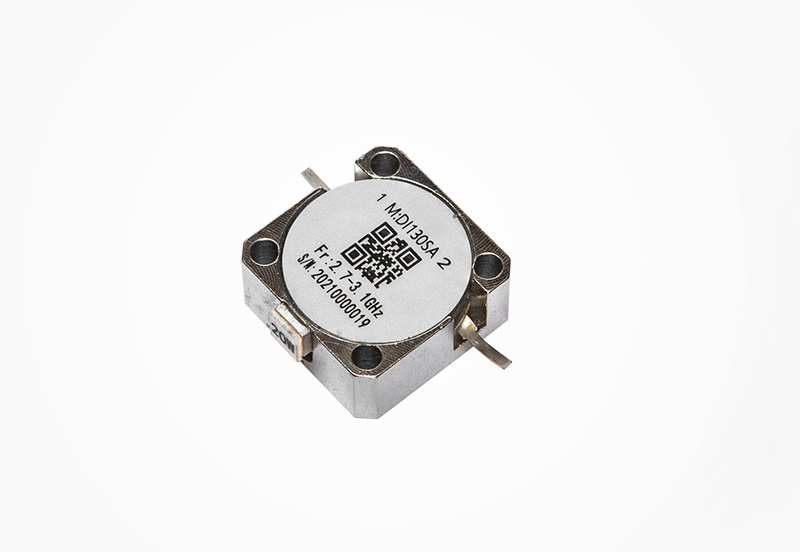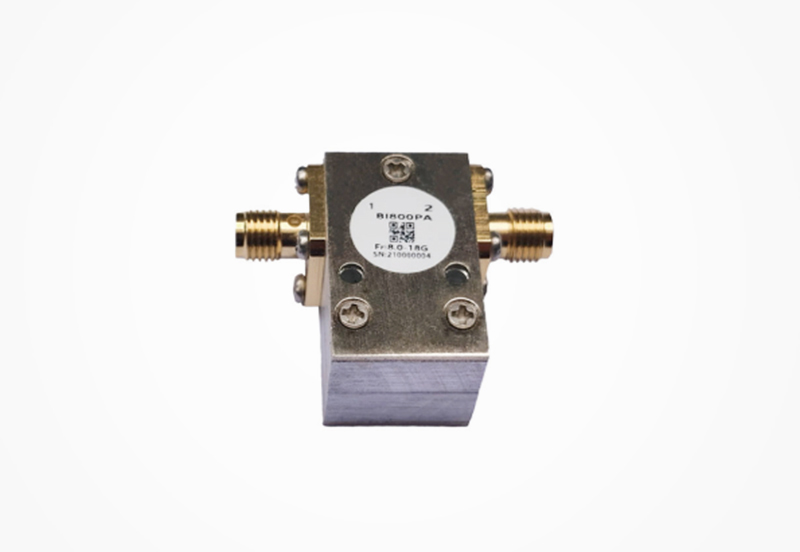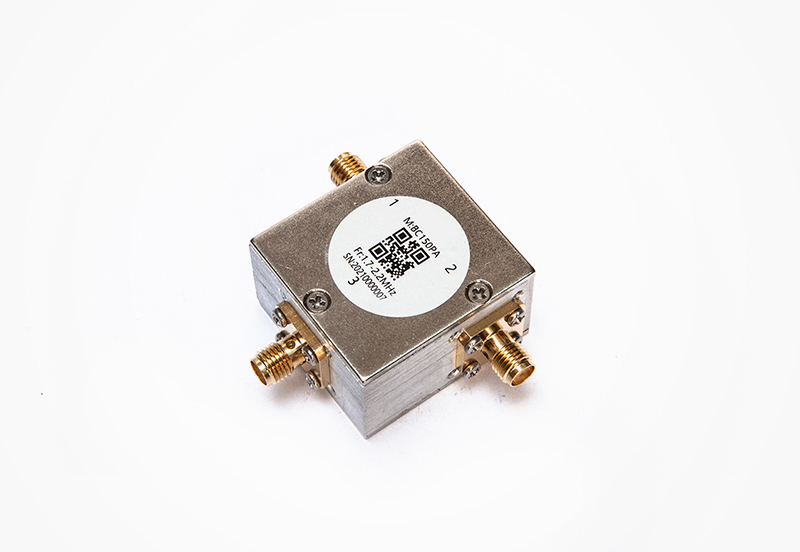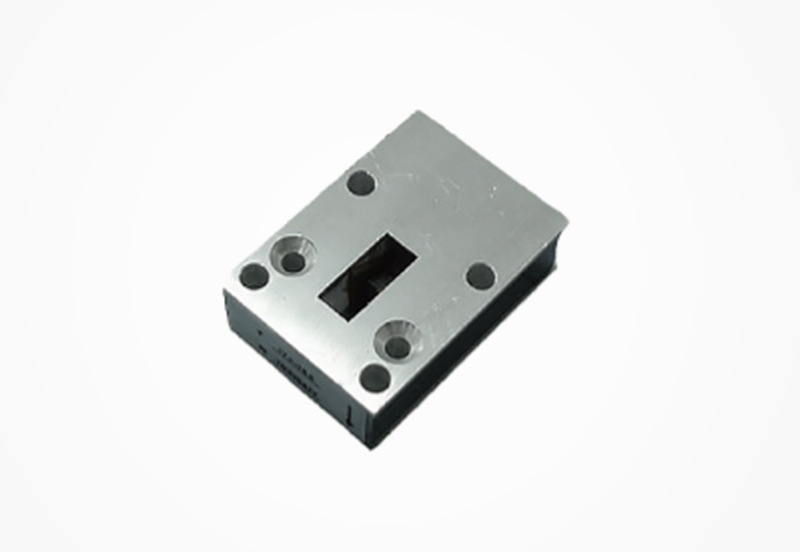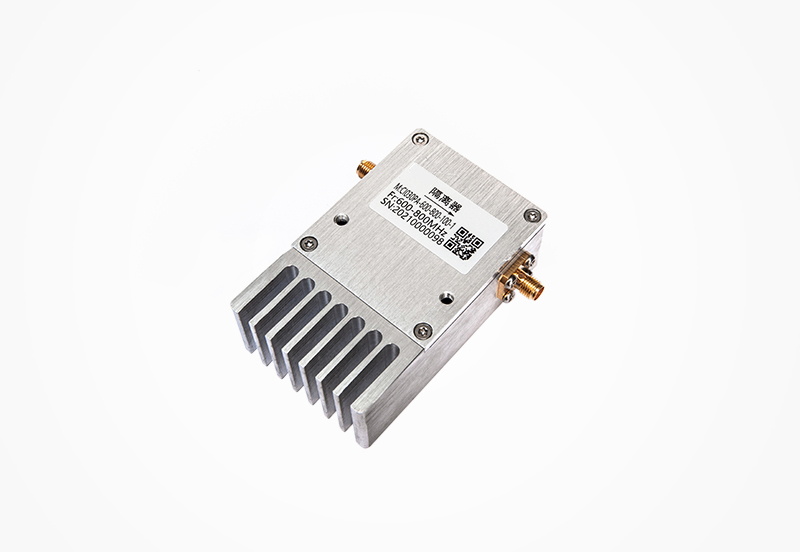


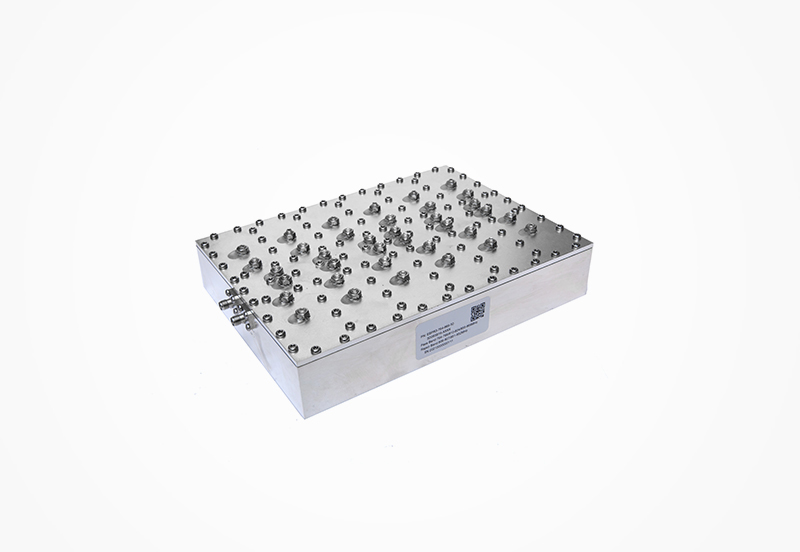
A 2.4GHz notch RF filter is a specialized band-stop electronic component engineered to selectively attenuate the 2.4GHz industrial, scientific, and medical (ISM) frequency band while maintaining minimal signal loss for adjacent frequency spectrums. Unlike conventional broadband filters that block wide frequency ranges, this notch filter features a narrow stopband centered precisely at the 2.4GHz frequency, making it ideal for eliminating targeted interference without disrupting neighboring wireless signals. The 2.4GHz ISM band is one of the most crowded wireless spectrums, utilized by Wi-Fi 802.11b/g/n, Bluetooth, Zigbee, and numerous IoT wireless devices, resulting in severe mutual signal interference, signal fading, and data transmission errors in dense wireless environments. This dedicated notch filter solves this core pain point by providing deep attenuation at the 2.4GHz target frequency, effectively suppressing in-band noise and interfering signals that degrade wireless communication stability.
Manufactured with advanced LTCC (Low Temperature Co-fired Ceramic) and thin-film processing technologies, modern 2.4GHz notch filters deliver consistent and reliable frequency response with excellent temperature stability and mechanical durability. These fabrication processes enable precise control of internal circuit layers and dielectric properties, ensuring the filter maintains accurate stopband positioning and stable attenuation performance across a wide operating temperature range of -40°C to +85°C. The component is designed with a standard 50Ω impedance matching system, perfectly compatible with mainstream RF transceiver circuits in consumer electronics, industrial wireless equipment, and smart devices. Its compact structural design eliminates bulky discrete circuit components, simplifying PCB layout and reducing overall device assembly complexity.
The application scenarios of 2.4GHz notch RF filters cover almost all wireless devices operating in overlapping frequency bands. In dual-band Wi-Fi routers, the filter suppresses 2.4GHz band interference to improve the transmission efficiency and stability of 5GHz high-speed Wi-Fi signals. In Bluetooth audio devices and TWS earbuds, it eliminates 2.4GHz Wi-Fi crosstalk to reduce audio stuttering and improve sound quality clarity. Additionally, it is widely deployed in smart home sensors, industrial wireless modules, and wireless monitoring equipment to filter out 2.4GHz environmental interference, enhance anti-interference capability of wireless links, and guarantee long-term stable operation of wireless communication systems in complex electromagnetic environments.


Contact Phone:
+86-0755-26701085
+86-0755-26701002
Company Address :
2nd Floor, Building A, Juchuang Jingu Creative Park, Xili Street, Nanshan, Shenzhen


 CN