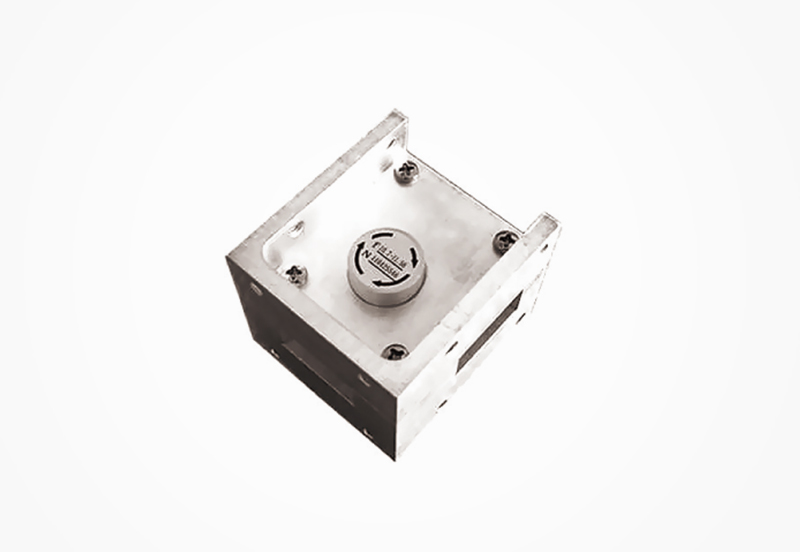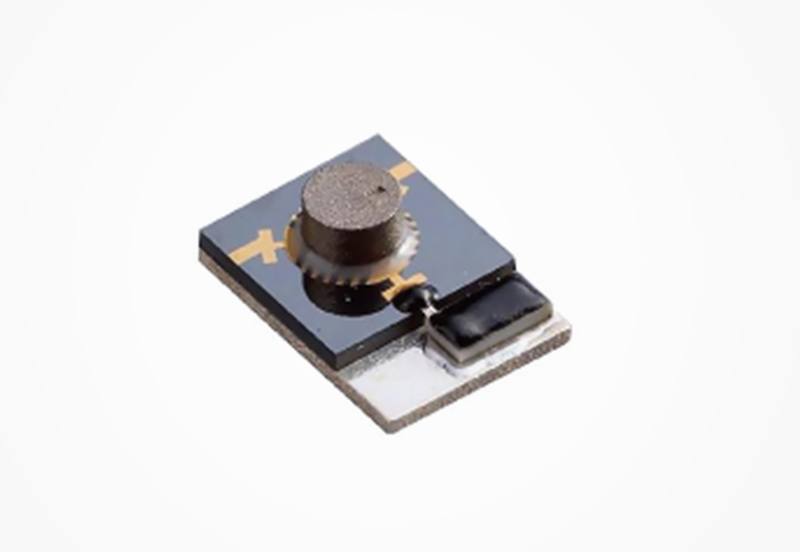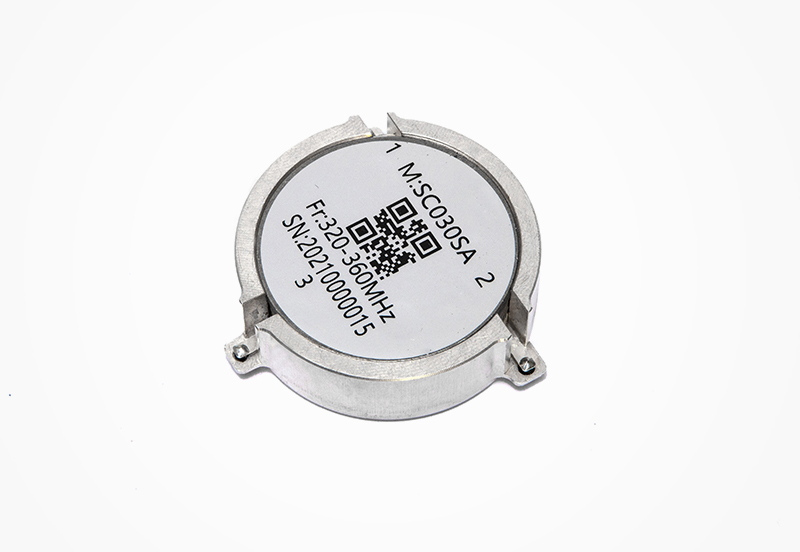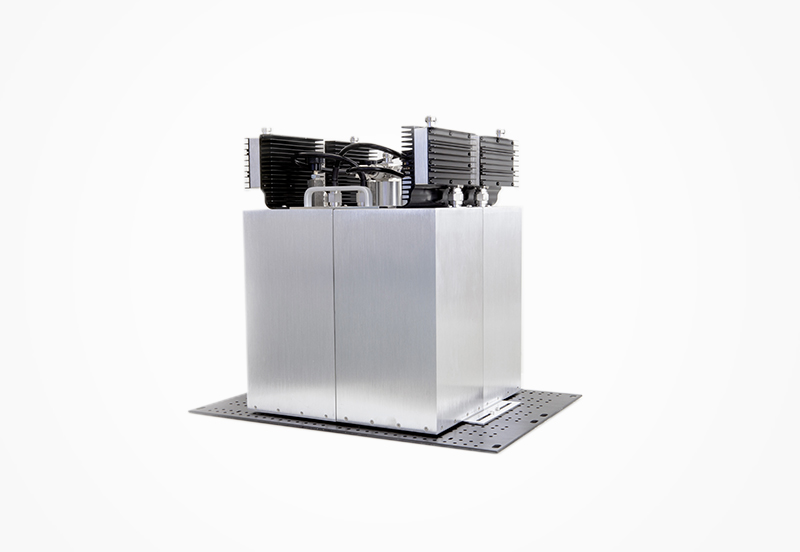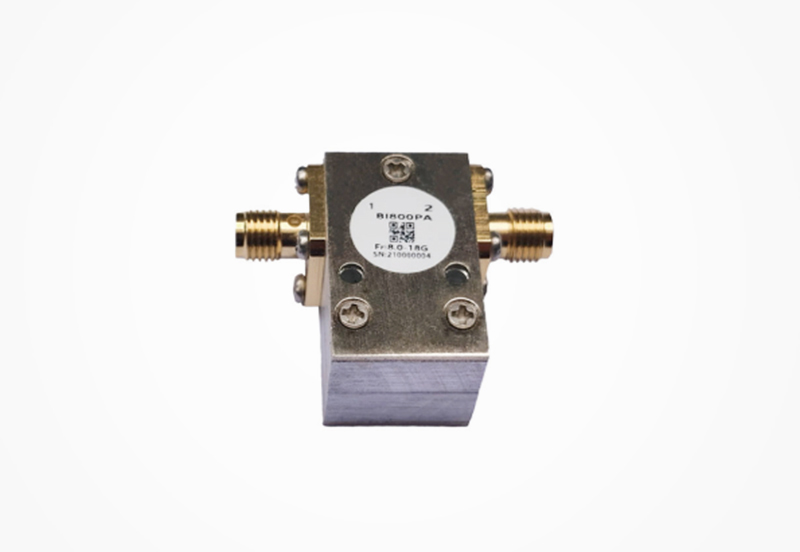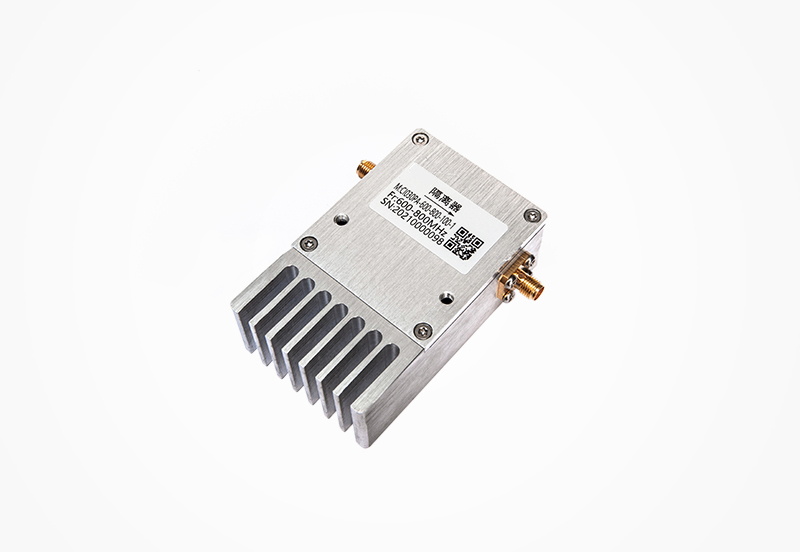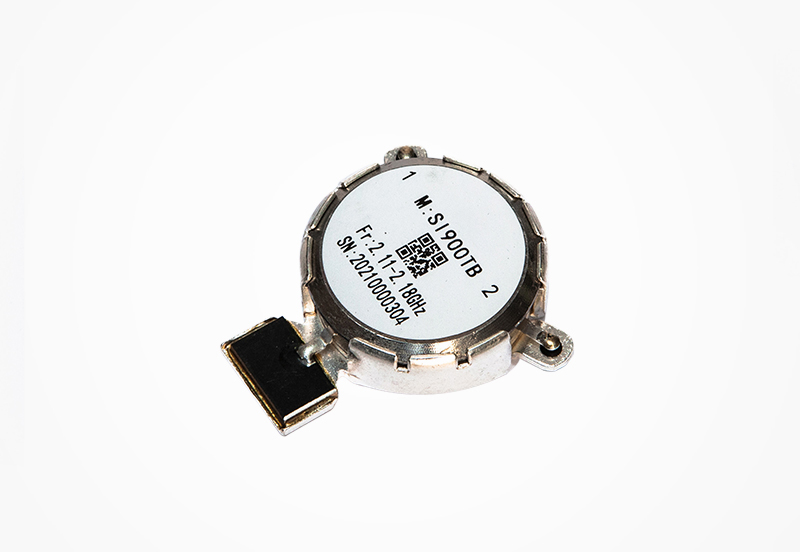


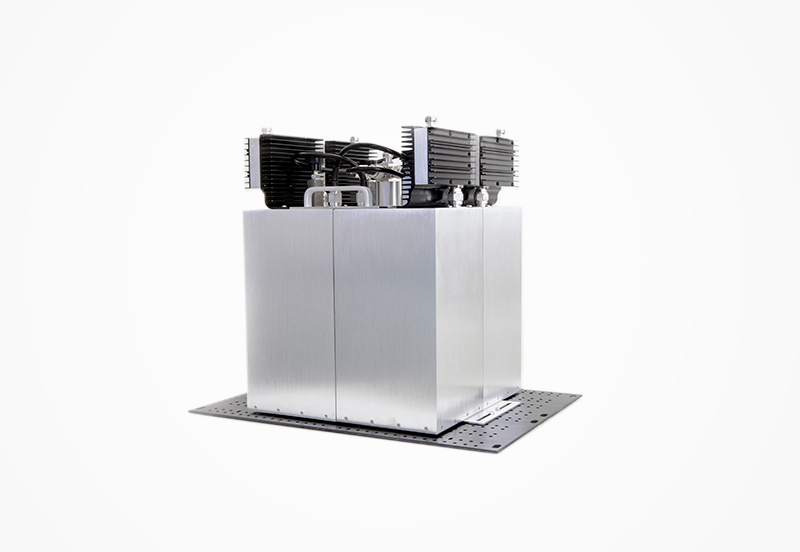
An RF combiner specialized for radar exciters is a high-precision, high-stability passive component designed for radar signal source excitation systems, responsible for combining multiple frequency-locked, phase-stabilized RF signals to form high-purity, high-stability radar excitation carrier signals. Radar exciters are the core signal source of radar systems, providing stable local oscillator excitation signals for radar transmitters, and the signal purity, phase stability, and frequency accuracy of the exciter directly determine the radar’s detection accuracy, resolution, and anti-interference performance. Different from communication-grade combiners, radar exciter-specific RF combiners pursue ultra-low phase noise, ultra-low insertion loss, high phase consistency, and excellent long-term stability, adapting to the strict signal quality requirements of pulsed radar, continuous wave radar, and phased array radar systems. This type of combiner is mainly used to combine multiple frequency multiplication, frequency conversion, and reference oscillation signals in radar exciters to synthesize the final radar radio frequency excitation signal.
The technical design of radar exciter RF combiners focuses on extreme signal quality control and system stability. Firstly, ultra-low phase noise design is adopted in the circuit structure, using high-precision coupled line resonant circuits and low-loss dielectric materials to avoid phase noise deterioration caused by signal convergence, ensuring that the combined signal maintains ultra-low phase noise characteristics required for radar detection. Secondly, strict amplitude and phase balance control is implemented for multi-channel signal input, ensuring that each branch signal has consistent transmission loss and phase delay after combination, avoiding signal distortion and frequency offset caused by channel inconsistency. In addition, the combiner is designed with high power stability and anti-vibration structure, adapting to the harsh working environment of radar equipment such as high temperature, low temperature, and mechanical vibration. High port isolation is also a key indicator, which can effectively suppress signal backflow and cross-interference between multiple signal sources, protecting the precision crystal oscillators and frequency conversion modules inside the radar exciter.
In radar system operation, the high-performance RF combiner ensures the long-term stable output of radar excitation signals. By precisely combining multiple reference frequency signals and frequency modulation signals, the combiner realizes accurate frequency synthesis and stable amplitude output, providing high-quality carrier signals for radar transmission links. The ultra-low loss characteristic minimizes signal power loss in the excitation link, improving the efficiency of radar signal source output and reducing the power consumption of the exciter system. Meanwhile, excellent temperature stability ensures that the signal combination performance does not drift with ambient temperature changes, maintaining consistent radar signal frequency accuracy and phase stability during long-distance detection and continuous operation. With the rapid development of modern high-precision radar, millimeter-wave radar, and intelligent radar systems, radar exciter RF combiners are continuously optimized for higher frequency bands, lower phase noise, and smaller size, becoming an indispensable core component for improving radar detection performance and system reliability.


Contact Phone:
+86-0755-26701085
+86-0755-26701002
Company Address :
2nd Floor, Building A, Juchuang Jingu Creative Park, Xili Street, Nanshan, Shenzhen


 CN