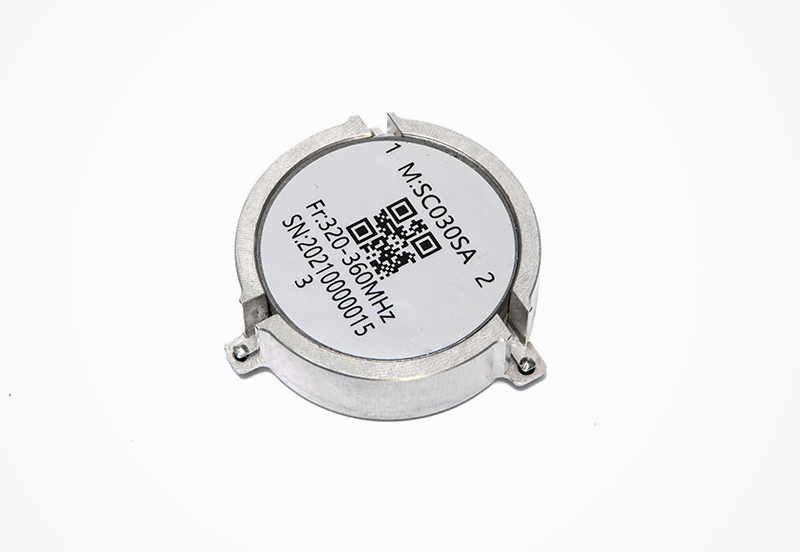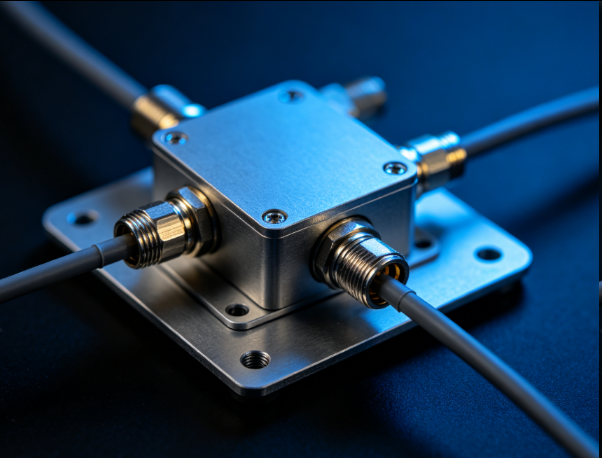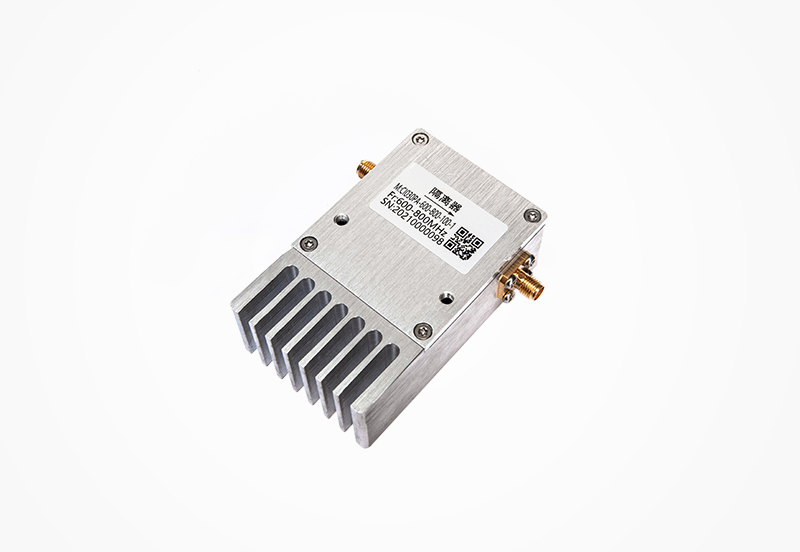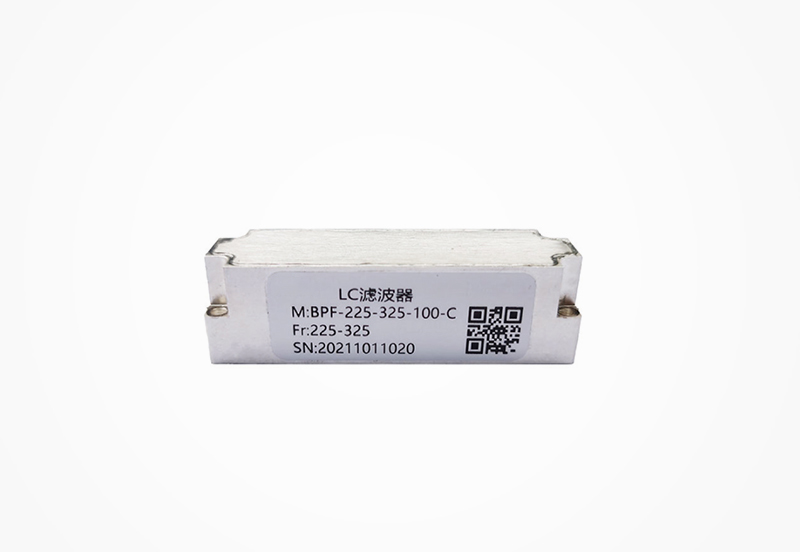

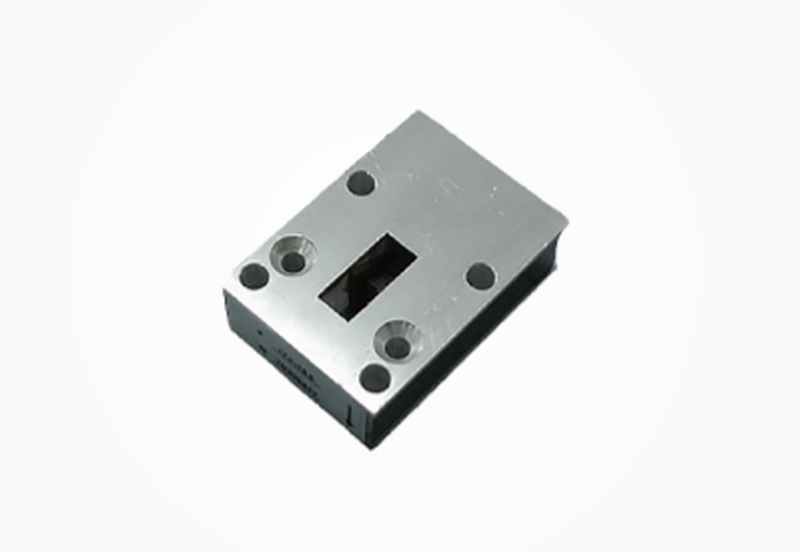
N-type coaxial RF isolators are indispensable passive non-reciprocal components specially optimized for base station feeder systems, serving as core protective and signal conditioning devices in modern cellular communication infrastructure. Designed with standard 50-ohm impedance and industry-standard N-type threaded coaxial connectors, these isolators deliver exceptional mechanical stability and electrical consistency for long-distance feeder line transmission scenarios. The N-type connector adopts a reliable threaded coupling structure that resists loosening caused by vibration, wind pressure, and temperature changes in outdoor base station environments, ensuring long-term stable connection between feeder cables and RF equipment. Different from ordinary SMA connectors, N-type interfaces feature larger contact areas and stronger power-bearing capacity, perfectly matching the high-power signal transmission demands of macro base station feeders.
In base station feeder systems, signal reflection and standing wave interference are common technical pain points that seriously affect communication stability. During the operation of base station transmitters and transceivers, impedance mismatch at feeder joints, antenna aging, or line damage will generate reflected signals. These reverse signals will flow back to the radio frequency transceiver module, causing signal distortion, power attenuation, and even hardware burnout. N-type coaxial RF isolators solve this problem thoroughly by utilizing the non-reciprocal transmission characteristics of ferrite materials. They allow forward RF signals to pass through the feeder line with minimal loss while suppressing reverse reflected signals efficiently, achieving high isolation between the transmitter end and the antenna feeder end.
This type of isolator boasts excellent environmental adaptability, which is critical for outdoor base station deployment. Its shell adopts aluminum conductive oxidation and iron-nickel plating processes, with dustproof and waterproof performance meeting industrial outdoor standards, resisting erosion from rain, snow, humidity, and salt fog. The internal silver-plated brass conductor and high-performance ferrite core ensure stable electrical performance in a wide temperature range, avoiding parameter drift caused by extreme temperature changes. It supports continuous operation in high-power working conditions, adapting to the long-term uninterrupted operation requirements of communication base stations.
In practical engineering applications, N-type coaxial RF isolators are widely installed between base station transceivers and feeder cables. They effectively optimize the standing wave ratio of the feeder system, improve signal transmission efficiency, and reduce base station operating failure rates. By stabilizing the forward signal output and isolating reverse interference, they enhance the overall coverage quality of base station signals, reduce call drop rates and network delay, and provide reliable hardware guarantee for the stable operation of 4G, 5G and future cellular communication networks.


Contact Phone:
+86-0755-26701085
+86-0755-26701002
Company Address :
2nd Floor, Building A, Juchuang Jingu Creative Park, Xili Street, Nanshan, Shenzhen


 CN
CN