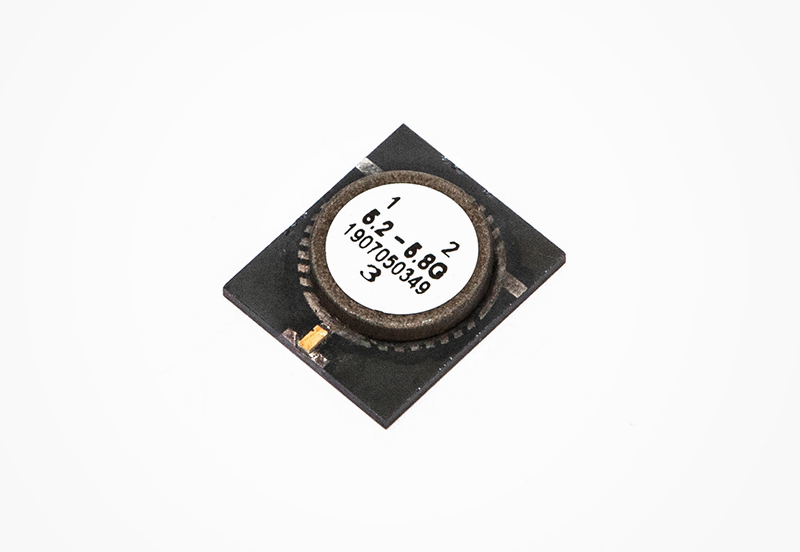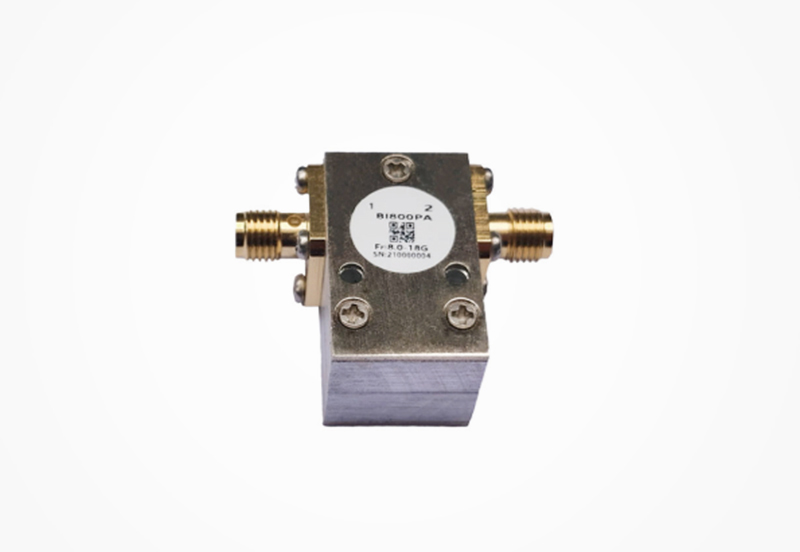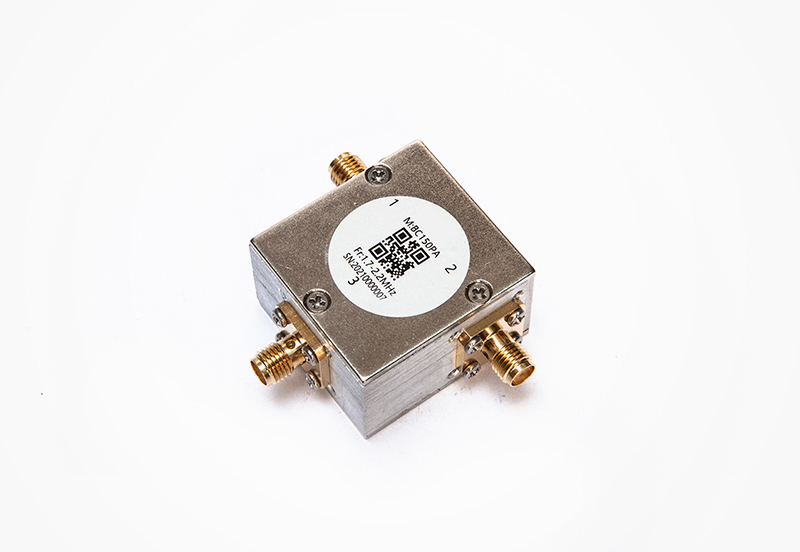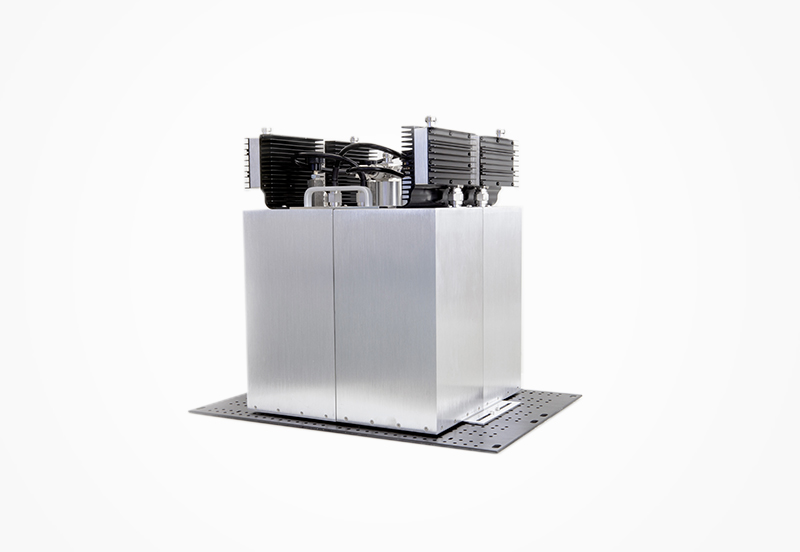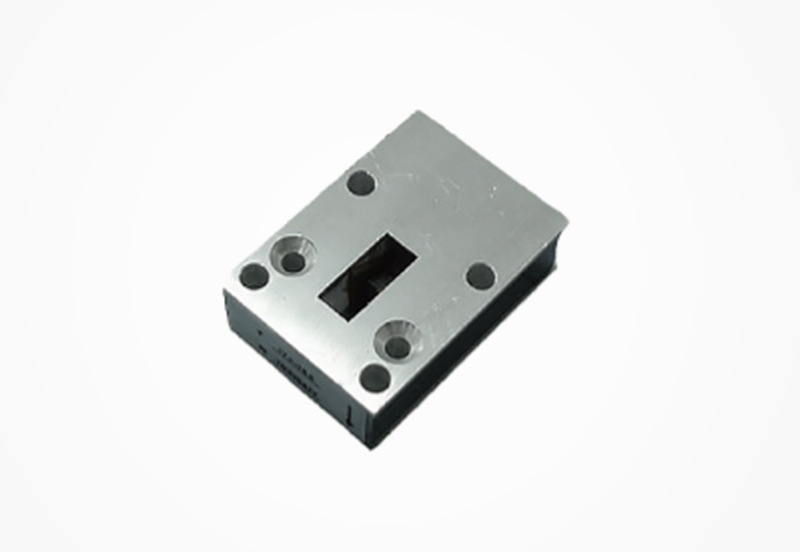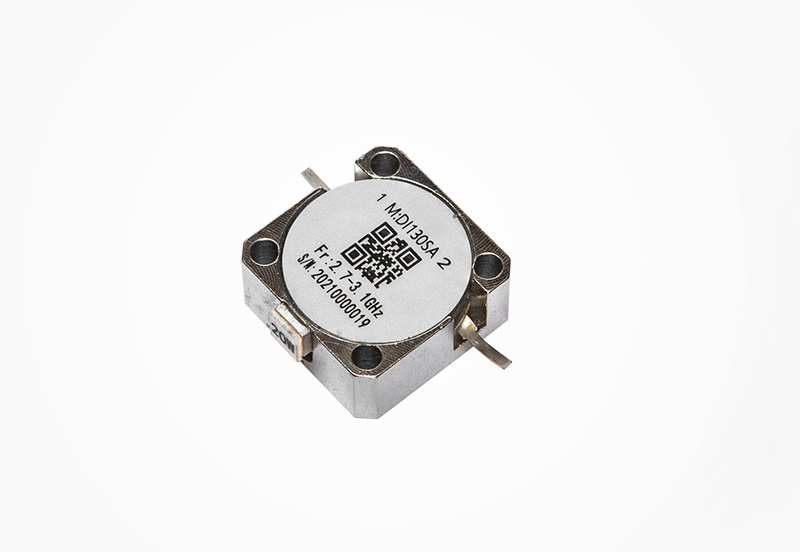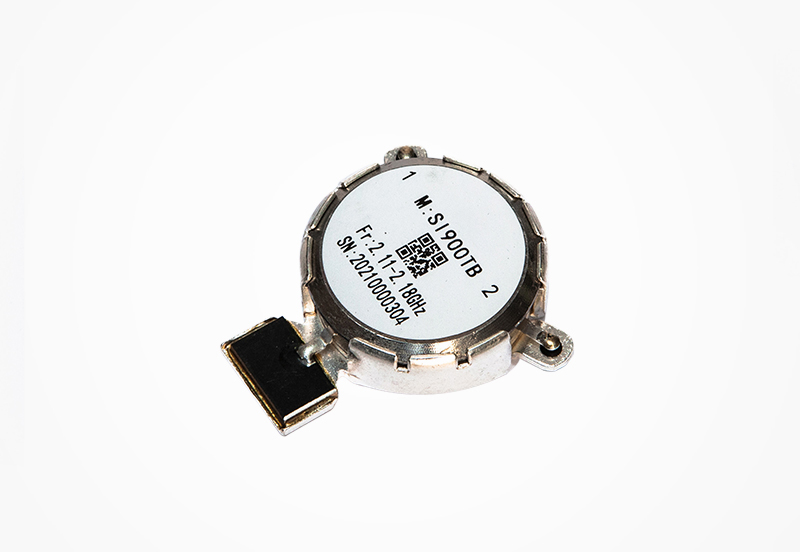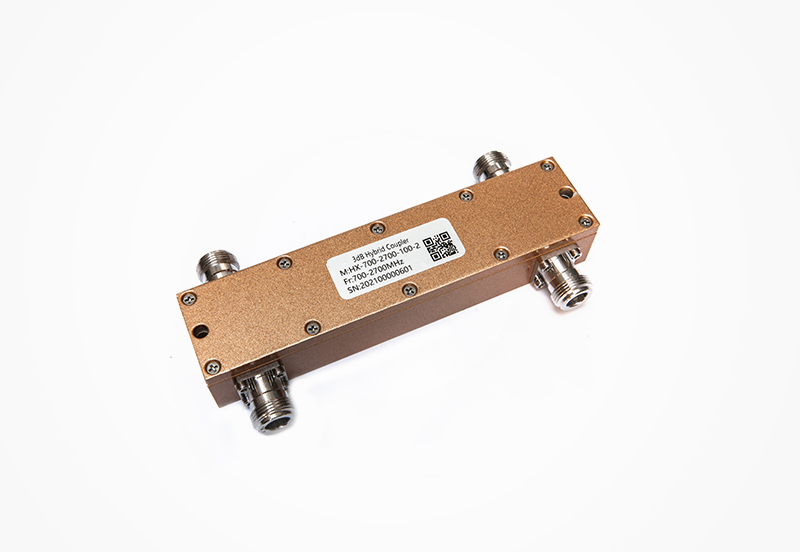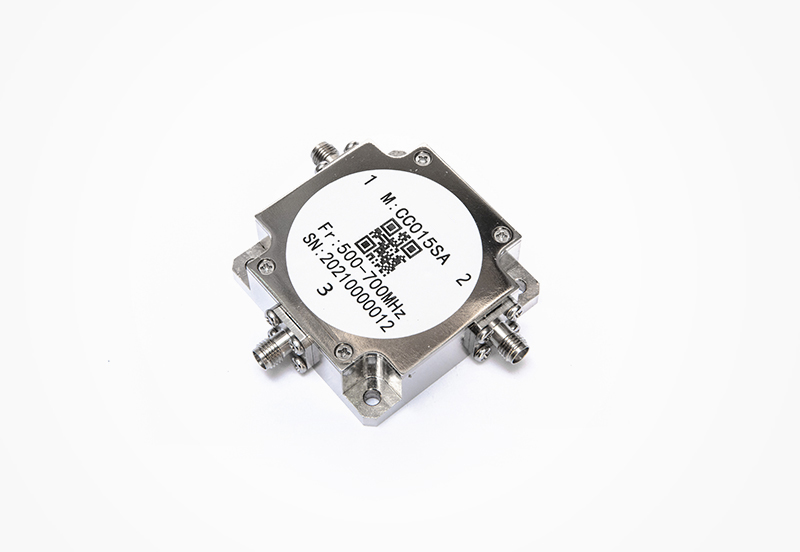


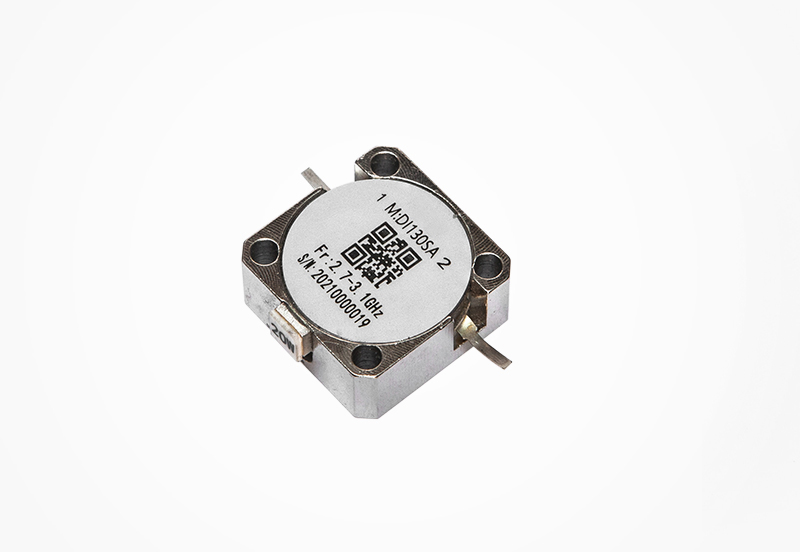
A laboratory-use RF isolator is a high-precision, high-stability passive RF component specially developed for scientific research experiments, RF performance testing, equipment calibration, and laboratory signal analysis scenarios. Unlike industrial ordinary isolators, laboratory-grade RF isolators pursue ultra-high parameter accuracy, excellent performance consistency, and ultra-low signal distortion, aiming to eliminate system interference and ensure the authenticity and accuracy of experimental test data. It is an essential basic component in RF microwave laboratories, communication equipment testing laboratories, and university electronic engineering research laboratories, covering all common frequency bands from VHF/UHF to microwave millimeter wave.
Laboratory RF isolators adopt strict precision manufacturing processes and high-purity raw materials, with core electrical parameters far exceeding industrial standard levels. The typical insertion loss is controlled within 0.5dB with ultra-small fluctuation, reverse isolation reaches 35dB to 40dB, and VSWR is lower than 1.15:1, realizing almost lossless forward signal transmission and thorough reverse signal suppression. Each laboratory-grade isolator undergoes strict factory calibration and temperature cycle testing to ensure performance stability in variable laboratory environments, avoiding parameter drift caused by temperature changes, voltage fluctuations, or long-term continuous operation. In addition, it features ultra-low electromagnetic interference, high signal linearity, and no harmonic distortion, which will not introduce additional interference signals to experimental test systems.
The main application scenarios of laboratory RF isolators include RF signal source calibration, power amplifier performance testing, antenna parameter measurement, microwave circuit characteristic analysis, and wireless communication algorithm verification experiments. In the test process, it can effectively isolate signal reflection between test instruments and tested equipment, prevent test instrument damage caused by mismatched load impedance, and eliminate test errors caused by signal feedback interference. Most laboratory models support multi-band coverage, adjustable power grades, and portable desktop installation structures, with high repeatability of test data. With its high precision, high stability, and high reliability, the laboratory-specific RF isolator provides accurate, consistent technical support for RF microwave scientific research, product testing, and experimental teaching, and is a standard configuration for professional RF laboratory construction.


Contact Phone:
+86-0755-26701085
+86-0755-26701002
Company Address :
2nd Floor, Building A, Juchuang Jingu Creative Park, Xili Street, Nanshan, Shenzhen


 CN