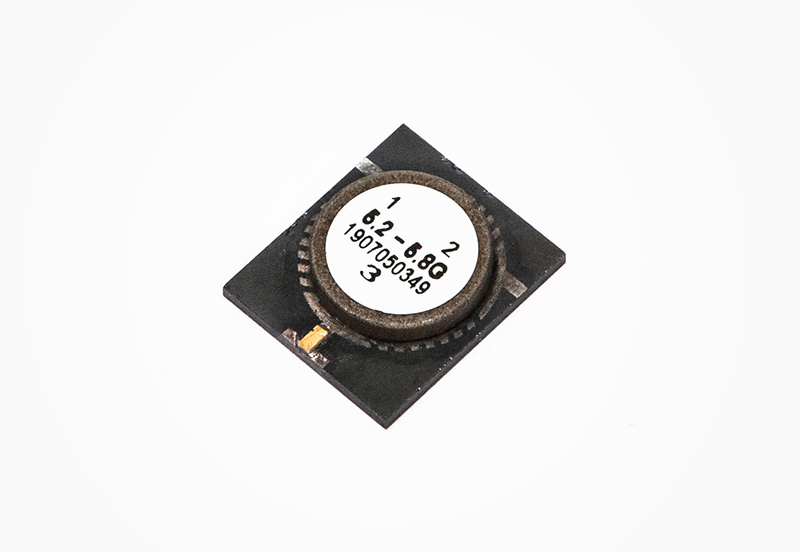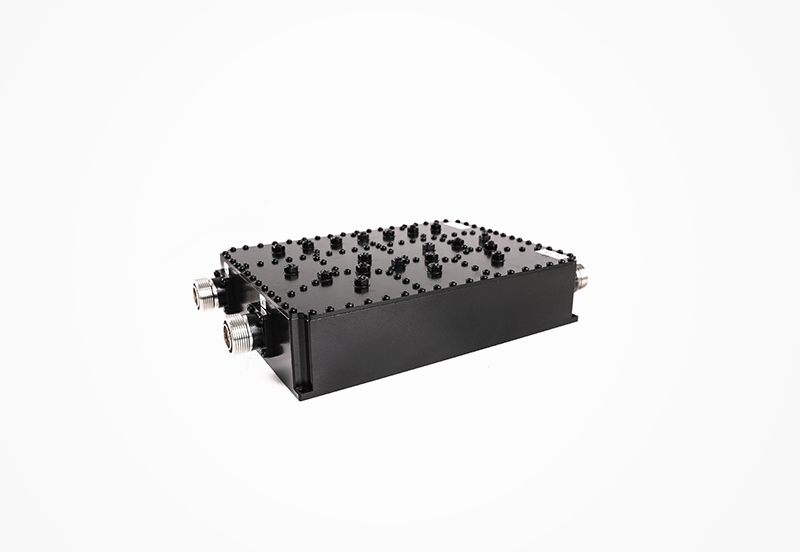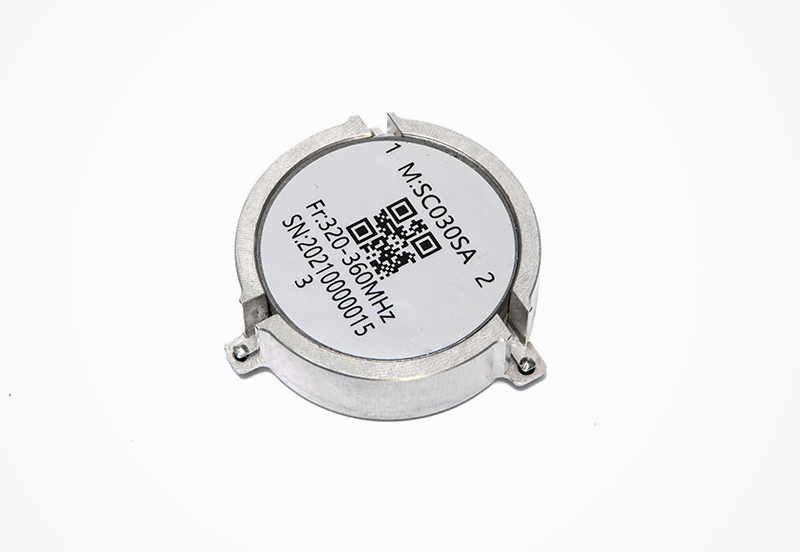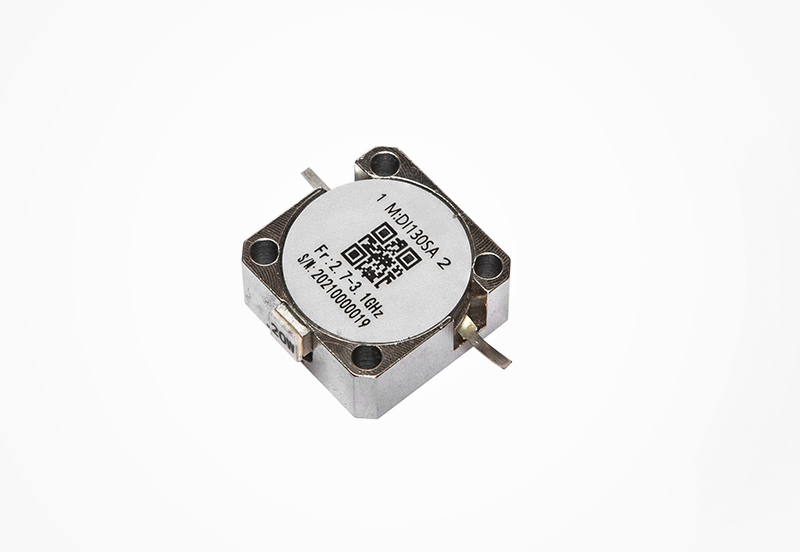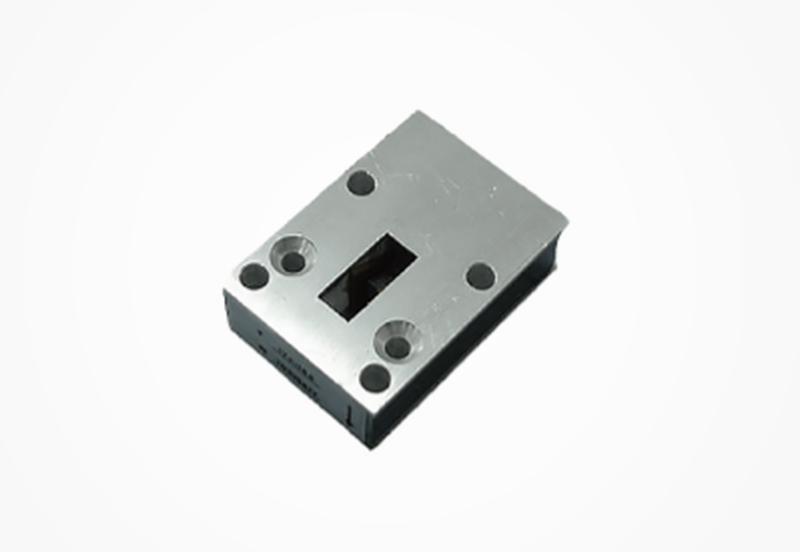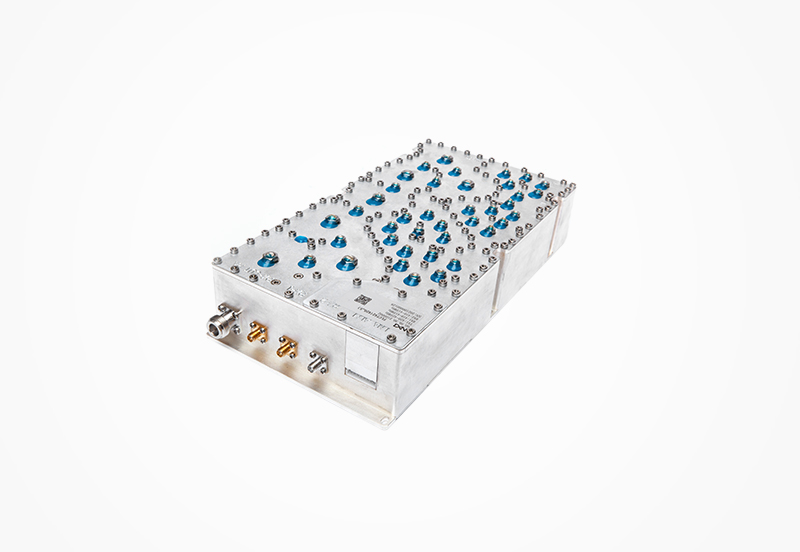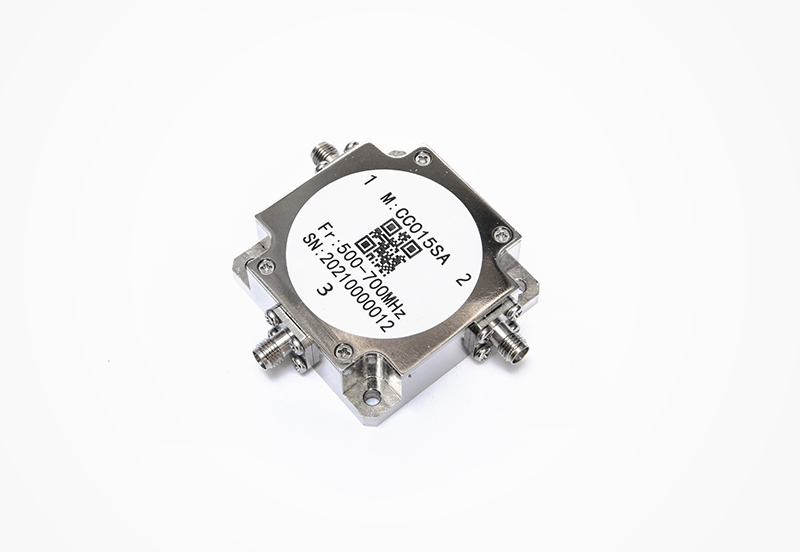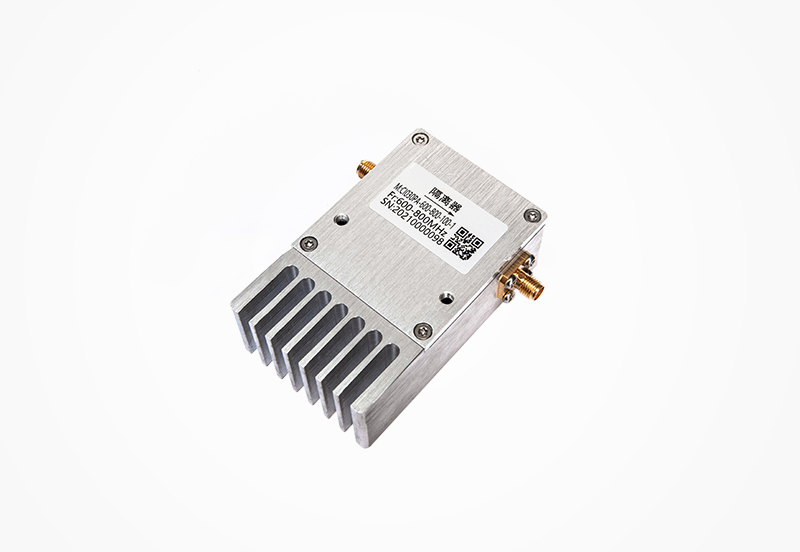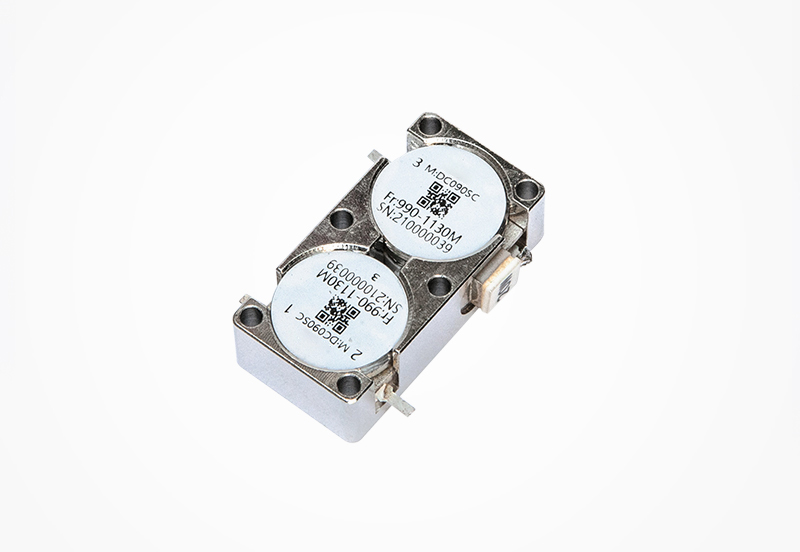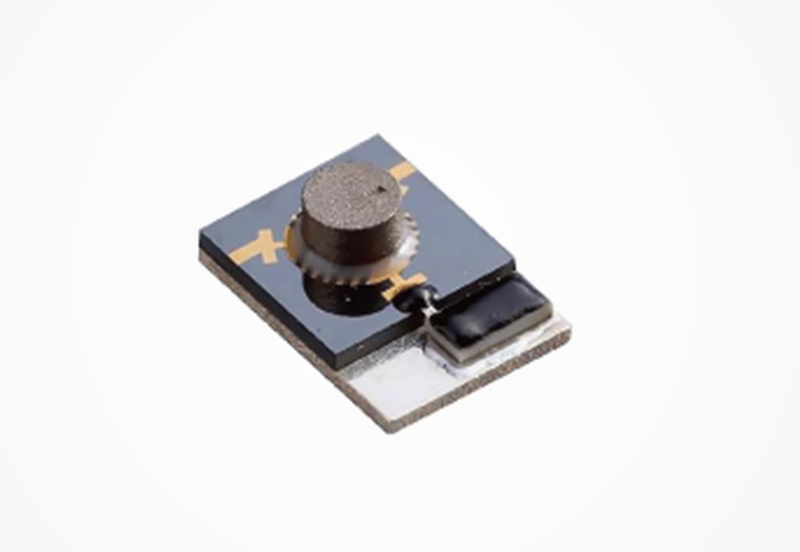

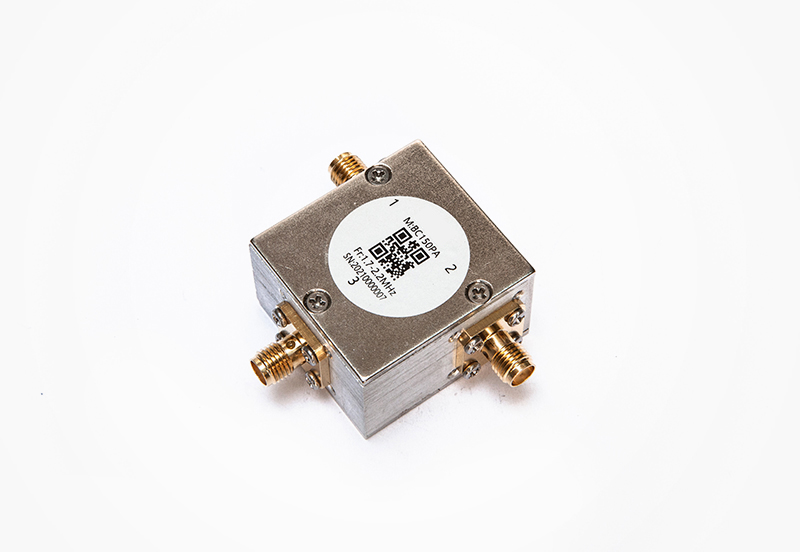
Military-grade circulators are core passive non-reciprocal RF components designed exclusively for harsh defense, aerospace, and field combat environments, featuring exceptional shock and vibration resistance that distinguishes them from commercial civilian circulators. Built on the Faraday rotation effect of magnetized ferrite materials, these circulators enforce unidirectional signal transmission across three or more ports, ensuring microwave and millimeter-wave signals propagate along a fixed path without reverse interference. What sets military-grade models apart is their optimized mechanical and structural design tailored to extreme dynamic environmental stress. Unlike commercial circulators that only adapt to static or low-vibration scenarios, military versions undergo rigorous structural reinforcement, including precision-machined alloy waveguide housings, integrated ferrite magnetic core fixation structures, and anti-loosening solder and fastener designs. These structural upgrades eliminate performance degradation or mechanical failure caused by high-frequency vibration and instantaneous impact, making them reliable for airborne, vehicular, shipborne, and battlefield portable RF systems.
The shock and vibration resistance of military-grade circulators is verified through strict military standard qualification tests, primarily compliant with MIL-STD-883H and MIL-STD-202 environmental assessment specifications. Vibration testing covers a wide frequency range of 10Hz to 2000Hz with a maximum acceleration of 15g, simulating long-term vibration stress from aircraft flight, vehicle marching, and ship navigation. Shock testing adopts a 500g peak acceleration with a 0.5ms pulse width, replicating instantaneous impact from weapon launch, equipment collision, and battlefield explosion. Throughout these tests, qualified military circulators maintain stable electrical performance, with no deviation in insertion loss, isolation, and VSWR, and no solder detachment, core displacement, or structural cracking. Advanced materials such as high-stability yttrium iron garnet (YIG) ferrite and high-toughness aviation aluminum alloy further enhance environmental adaptability, resisting fatigue aging under long-term dynamic loads.
In practical military applications, the anti-shock and anti-vibration performance of circulators directly guarantees the stability and reliability of the entire RF communication and radar system. Field military equipment often operates in complex and variable dynamic environments, where continuous vibration and occasional impact can easily cause component displacement and signal disorder. Military-grade circulators lock signal transmission direction while maintaining structural integrity, effectively isolating reverse signal reflection and crosstalk. They are widely deployed in military tactical communication radios, airborne radar systems, shipborne microwave communication equipment, and missile-borne RF guidance modules. Even under extreme working conditions, they sustain efficient and accurate signal transmission, laying a solid foundation for the normal operation of military electronic equipment and improving the survivability and combat effectiveness of battlefield systems.


Contact Phone:
+86-0755-26701085
+86-0755-26701002
Company Address :
2nd Floor, Building A, Juchuang Jingu Creative Park, Xili Street, Nanshan, Shenzhen


 CN
CN