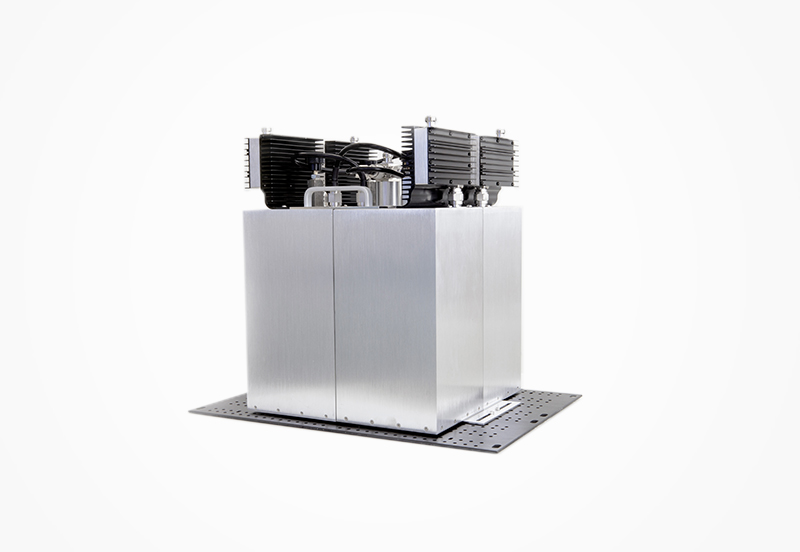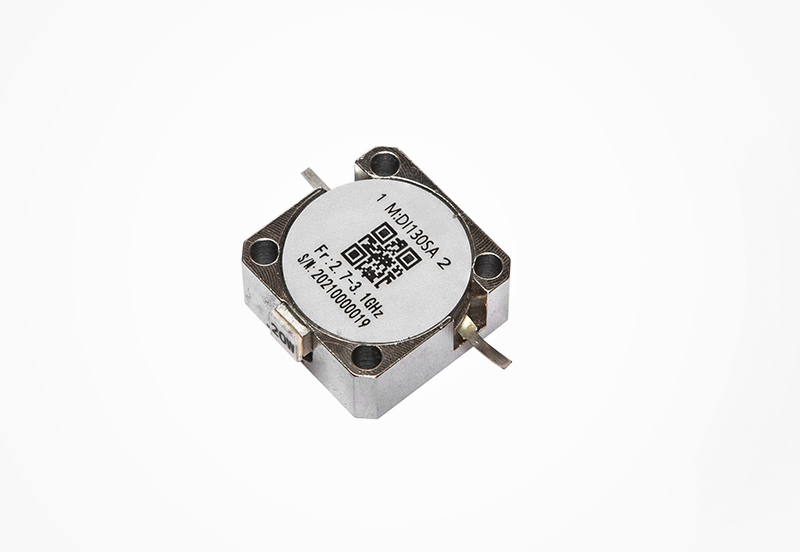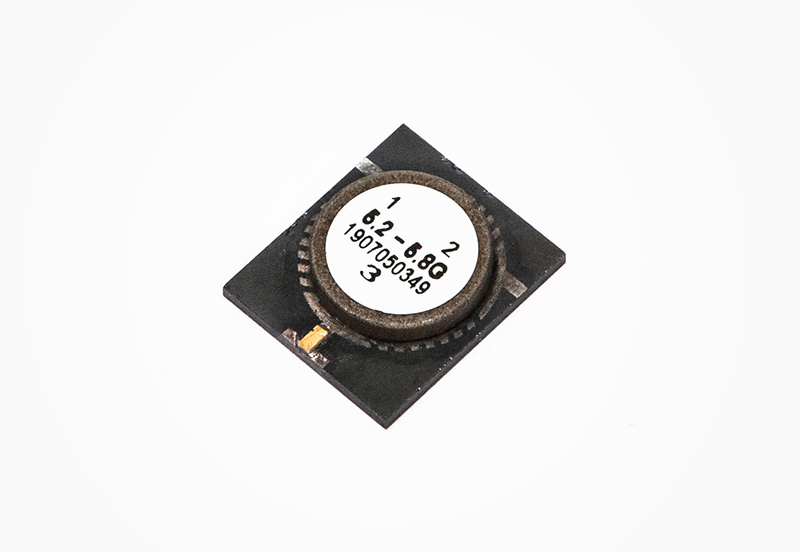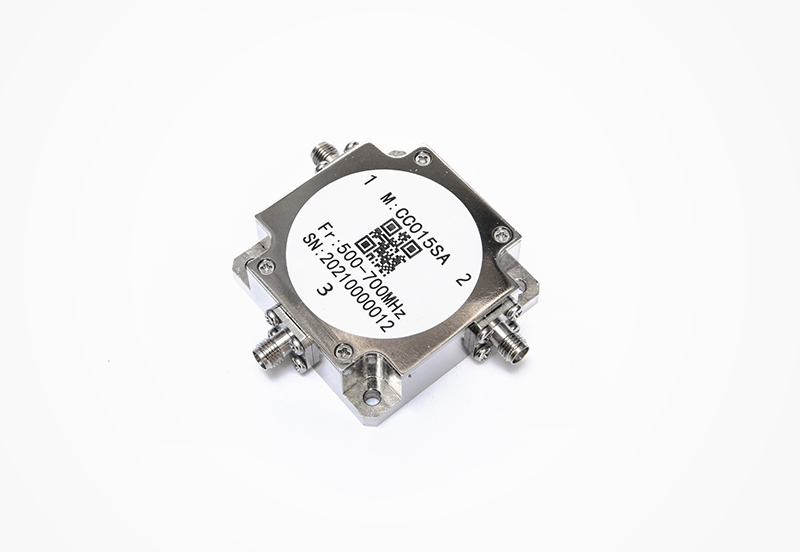

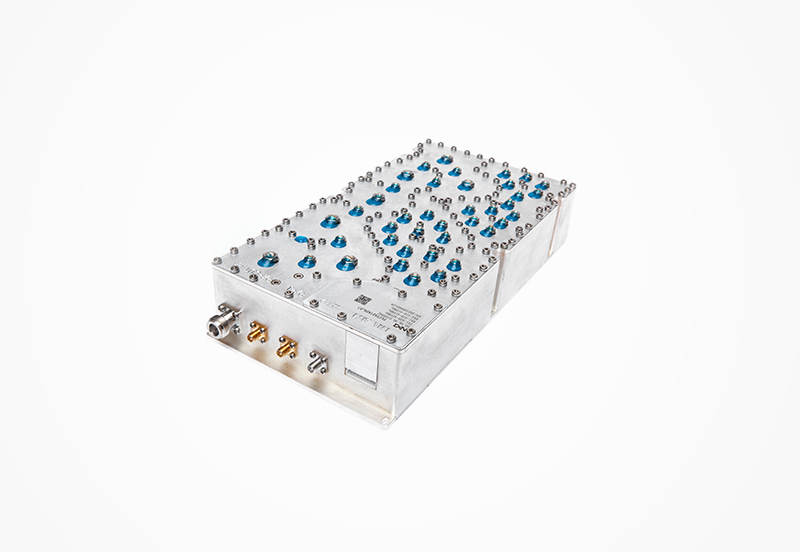
Duplexer Tx/Rx isolation measurement is a core RF performance test project used to quantify the signal suppression capability between the duplexer’s transmit port and receive port, which is a key index to evaluate the anti-crosstalk performance and full-duplex working reliability of the duplexer. Isolation is defined as the ratio of the input signal power of the Tx port to the leakage signal power detected at the Rx port, expressed in decibels (dB). Higher isolation means weaker signal crosstalk between Tx and Rx channels and more stable full-duplex communication. Accurate isolation measurement is essential for duplexer factory testing, incoming material inspection, and system debugging, which can effectively screen unqualified products with excessive leakage and avoid communication system interference and receiver desensitization faults caused by insufficient isolation.
The standard measurement process of Tx/Rx isolation adopts a vector network analyzer (VNA) as the core test instrument, with standardized calibration and test steps to ensure measurement accuracy. Firstly, the VNA is calibrated in the working frequency band of the duplexer to eliminate test line loss, impedance mismatch, and environmental interference errors. Then, the duplexer Tx port is connected to the VNA signal output terminal, the Rx port is connected to the signal receiving terminal, and the antenna port is matched with a standard 50Ω load. The VNA sweeps the entire working frequency band of the duplexer to test the S21 parameter, which is the Tx-to-Rx isolation value. In formal testing, it is necessary to conduct full-temperature range measurement (from low temperature to high temperature) to verify the stability of isolation performance in complex working environments, avoiding isolation degradation caused by material thermal expansion and structural changes.
In addition to standard static isolation testing, high-power dynamic isolation measurement is required for base station and satcom-grade duplexers. Static small-signal testing cannot simulate the actual high-power working state of the duplexer, and some duplexers will have isolation performance degradation under high-power signal excitation due to PIM effects and structural micro-deformation. The dynamic test system uses a high-power signal source to simulate the actual transmit power of the equipment, tests the Rx port leakage signal power in real time, and calculates the dynamic isolation index, which is more in line with engineering application scenarios. The measured isolation data is the key basis for duplexer grading and application scenario matching: consumer terminal duplexers require 40-60dB isolation, while high-precision base station and satellite communication duplexers need isolation above 70dB to meet high-sensitivity communication requirements.


Contact Phone:
+86-0755-26701085
+86-0755-26701002
Company Address :
2nd Floor, Building A, Juchuang Jingu Creative Park, Xili Street, Nanshan, Shenzhen


 CN
CN