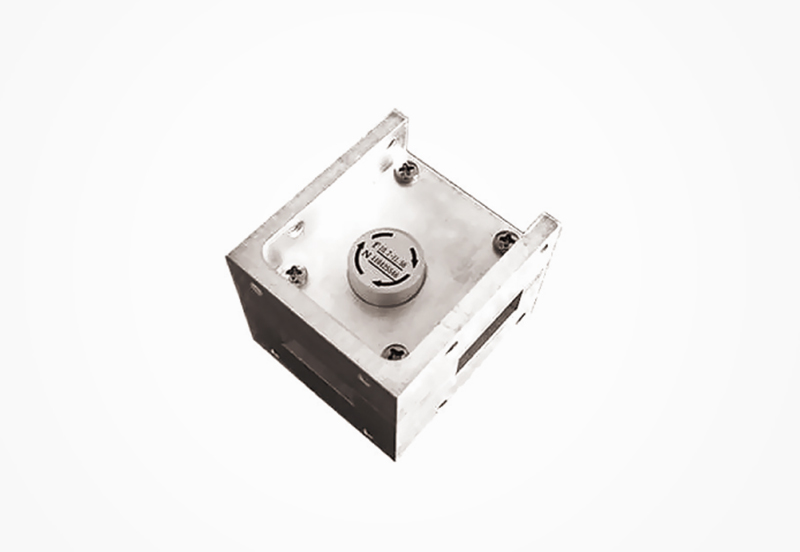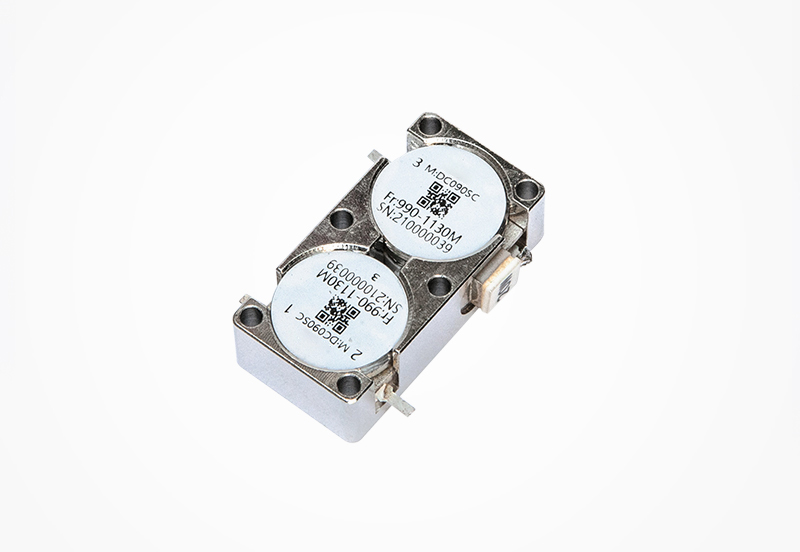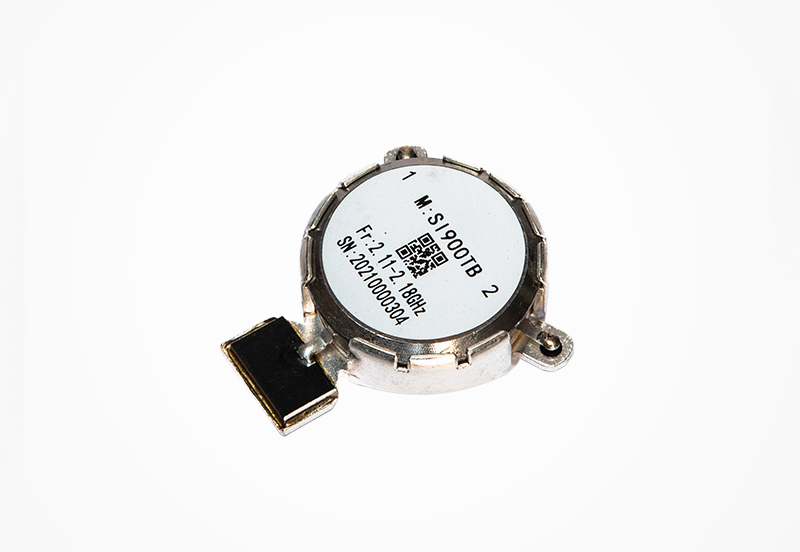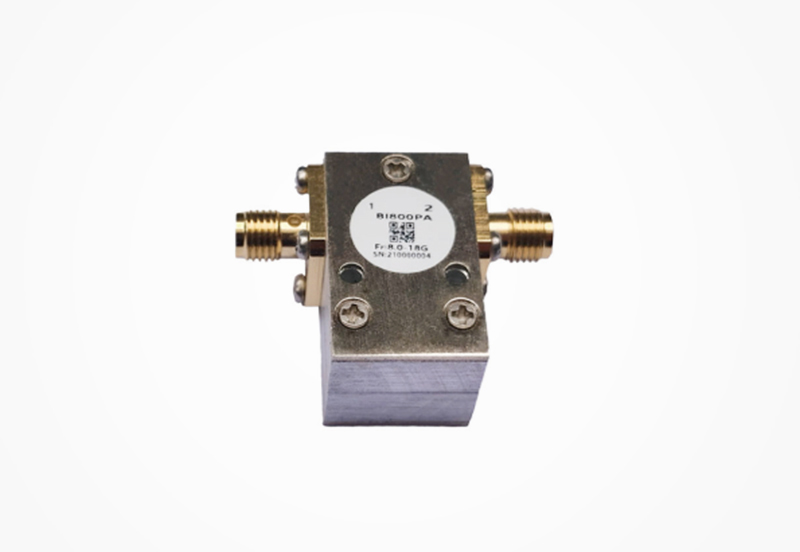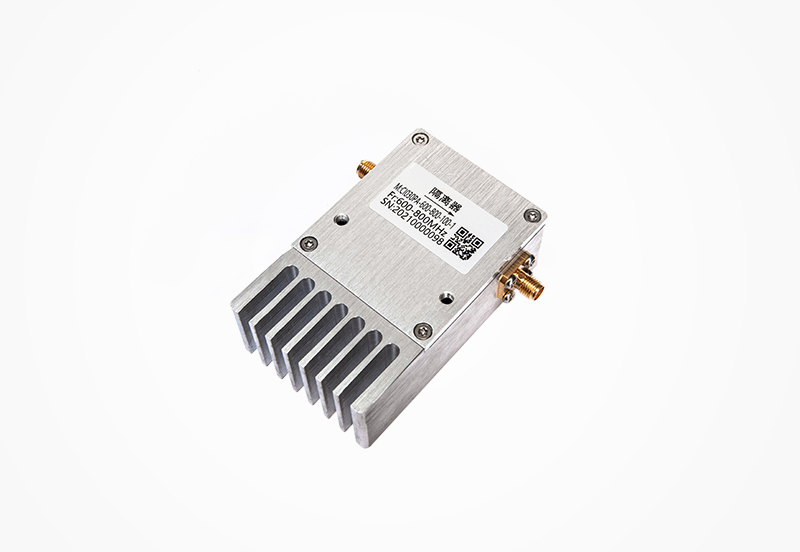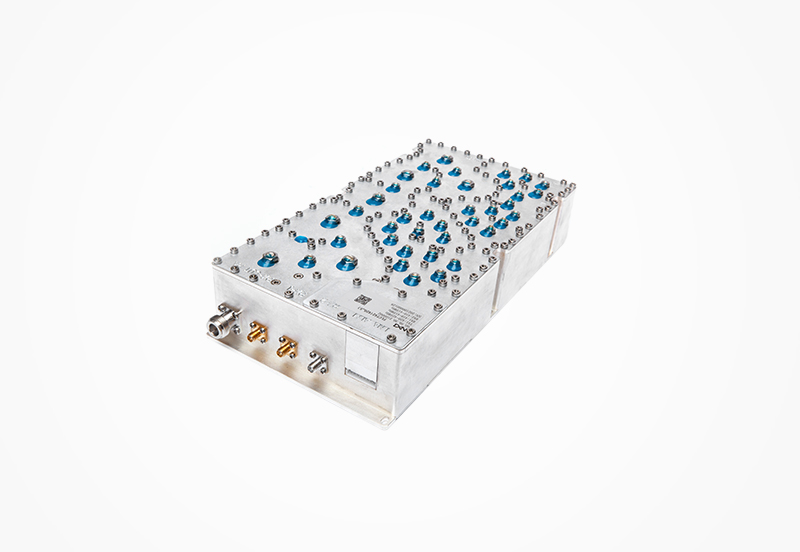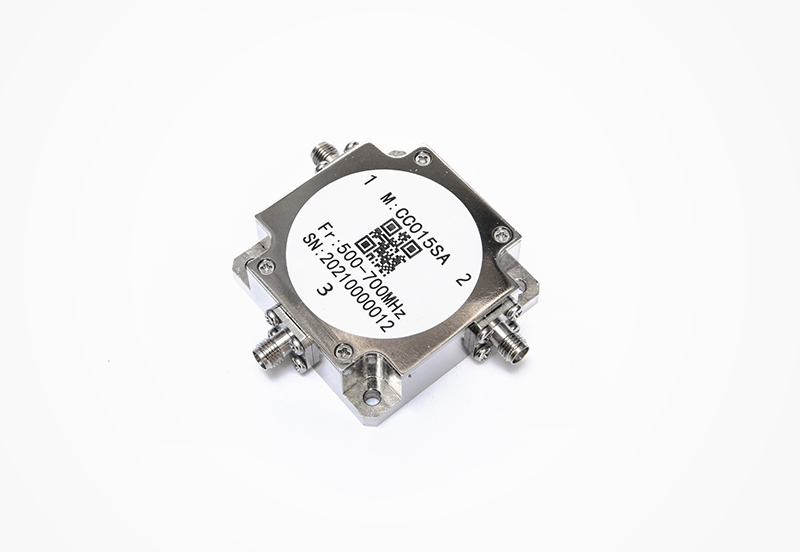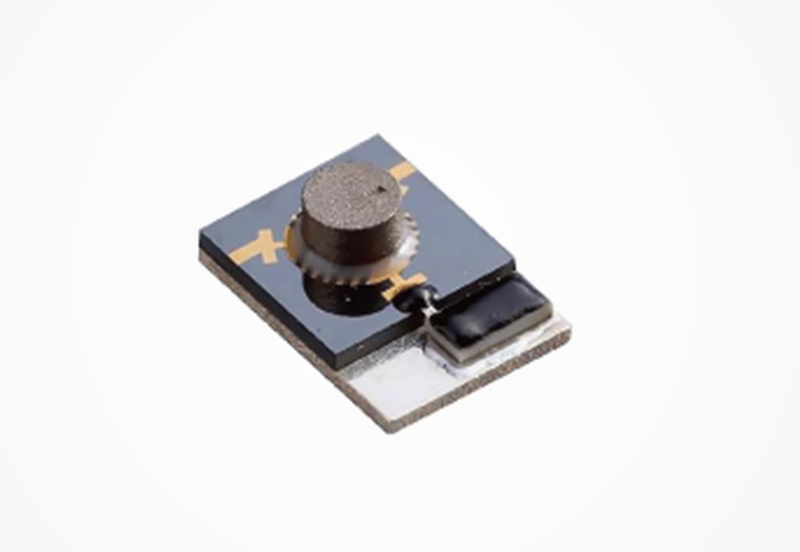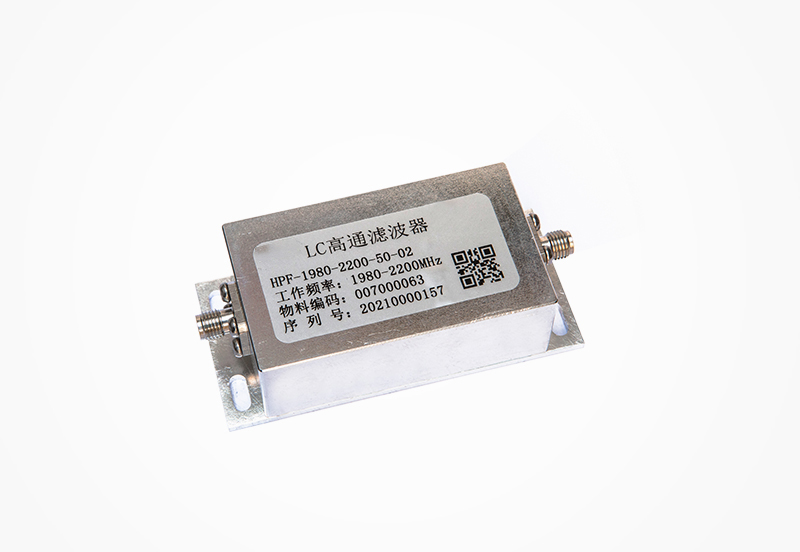

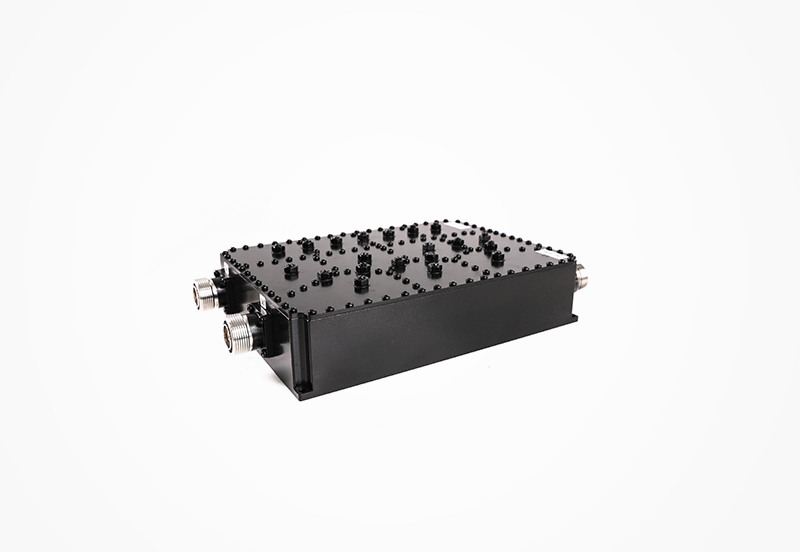
Programmable RF filters are core reconfigurable hardware components for software-defined radio (SDR) systems, enabling dynamic adjustment of filter frequency band, bandwidth, passband gain, and stopband rejection through software programming commands. Different from traditional fixed-parameter RF filters with immutable performance after production, programmable RF filters adopt reconfigurable circuit structures and tunable electromagnetic parameters, realizing flexible switching of filtering characteristics to adapt to the multi-standard, multi-frequency, and multi-scenario working mode of SDR. Software-defined radio abandons the traditional hardware-fixed communication architecture, relying on software programming to define communication protocols and signal processing modes, and programmable RF filters are the key hardware bridge connecting software algorithm control and RF front-end signal filtering, solving the problem of poor versatility of traditional fixed filters in multi-mode communication systems.
The working principle of programmable RF filters is based on tunable passive components and switchable resonant network arrays. The filter integrates digitally tunable capacitors, inductors, PIN switches, and MEMS (Micro-Electro-Mechanical System) resonant units, and the core circuit parameters are controlled by digital logic signals output by the SDR main control chip. By sending programming instructions through software, engineers can dynamically adjust the resonant frequency of each filter stage, the coupling strength between resonant units, and the impedance matching state, thereby realizing real-time switching of passband frequency and flexible adjustment of filtering bandwidth. Advanced programmable filters also support adjustable group delay and adjustable stopband suppression depth, adapting to different signal modulation modes and interference environment requirements. MEMS-based programmable RF filters have become the mainstream technology due to their ultra-small size, low power consumption, and high tuning precision, far exceeding traditional mechanical tuning filters in response speed and stability.
Programmable RF filters greatly expand the application scope and functional flexibility of software-defined radio systems, playing an irreplaceable role in cognitive radio, multi-standard communication interoperability, wireless signal monitoring, and military communication fields. In cognitive radio systems, programmable filters can dynamically sense the spectrum environment, automatically switch filtering frequency bands to avoid occupied spectrum resources, and realize intelligent spectrum sensing and dynamic spectrum access. In multi-standard communication test equipment, a single programmable RF filter can replace dozens of fixed-frequency filters, supporting adaptive filtering for 2G, 3G, 4G, 5G, Wi-Fi, and Bluetooth signals, greatly reducing equipment volume and cost. In military and emergency communication scenarios, the filter can quickly adjust frequency parameters through software programming to avoid enemy interference signals and improve communication anti-jamming capability. With the continuous development of SDR technology toward wideband, high-precision, and intelligentization, programmable RF filters are evolving toward higher tuning speed, wider frequency coverage, lower insertion loss, and intelligent adaptive tuning, further promoting the softwareization and universalization of wireless communication systems.


Contact Phone:
+86-0755-26701085
+86-0755-26701002
Company Address :
2nd Floor, Building A, Juchuang Jingu Creative Park, Xili Street, Nanshan, Shenzhen


 CN
CN