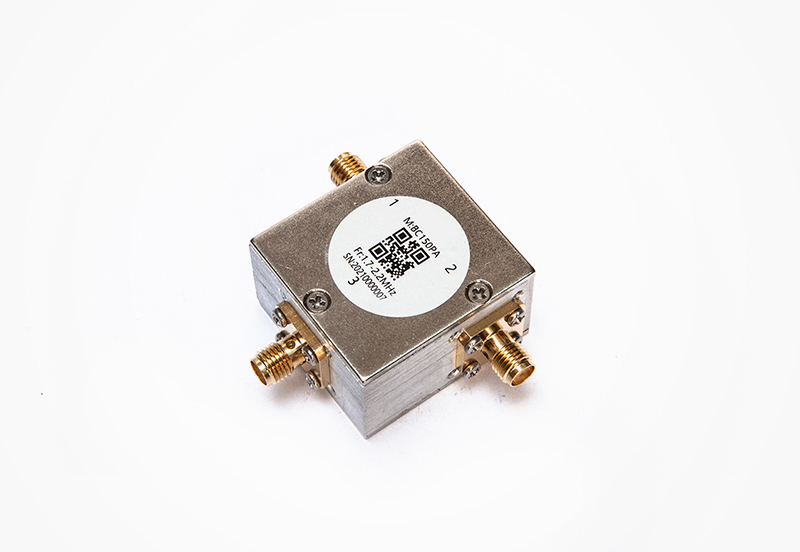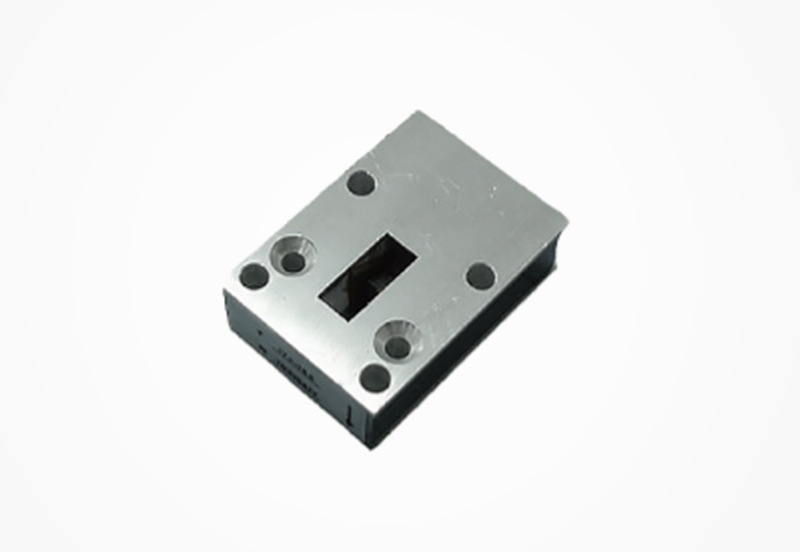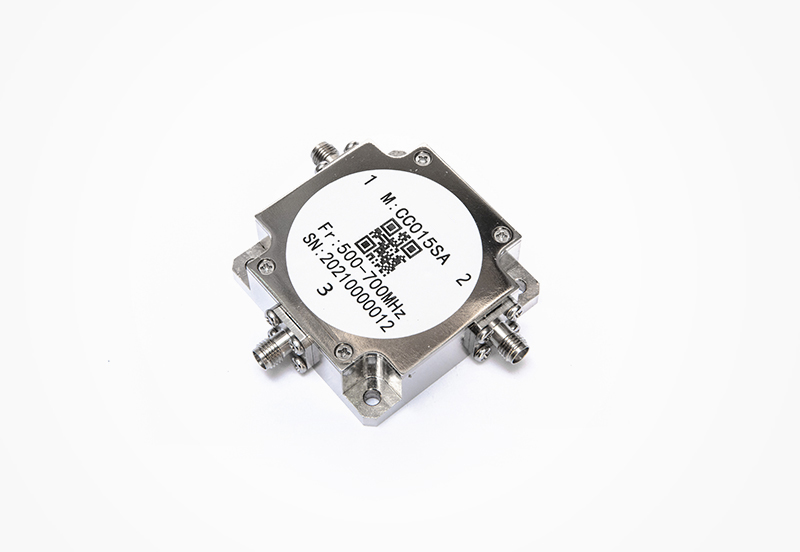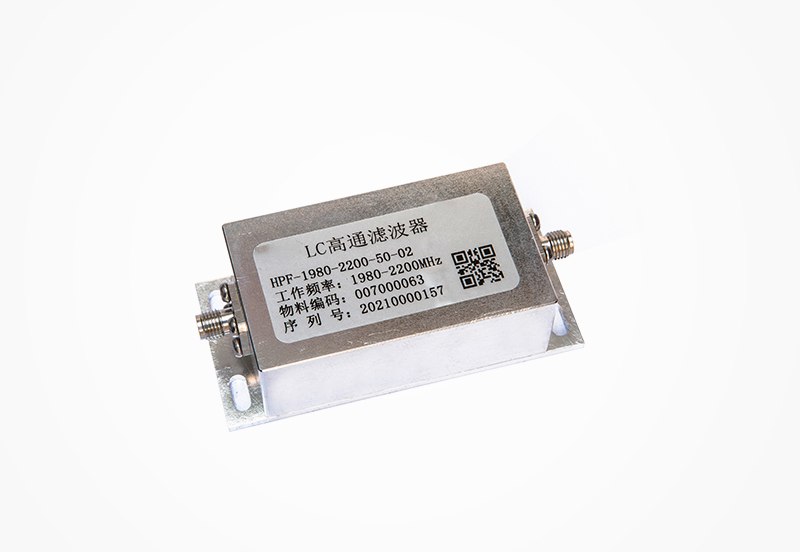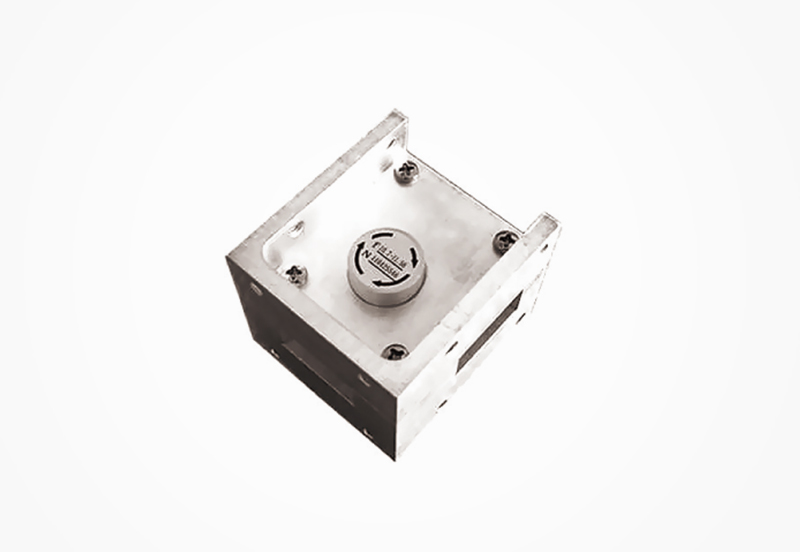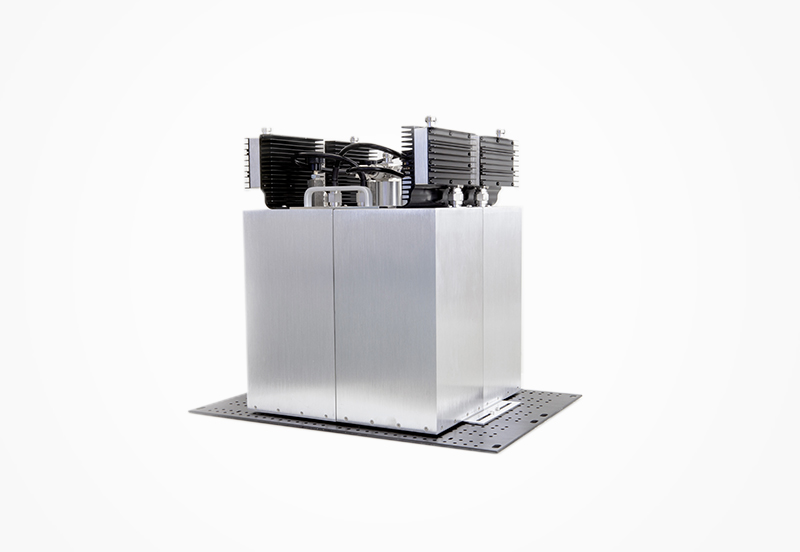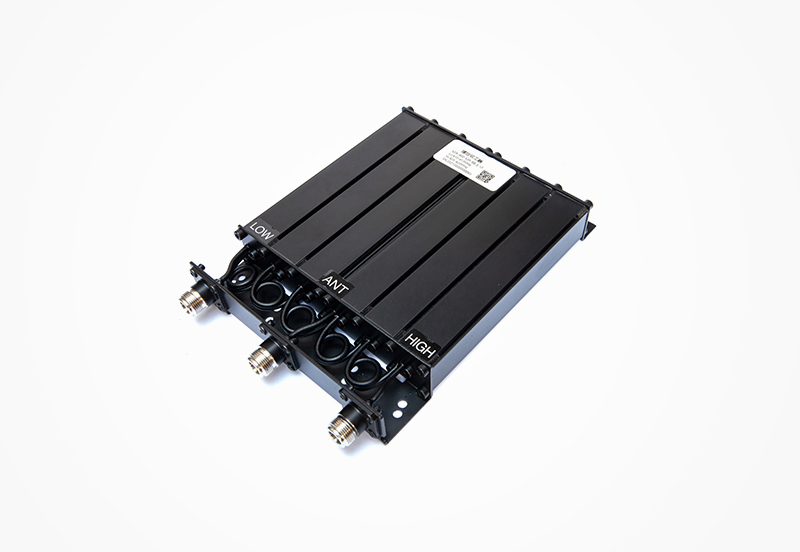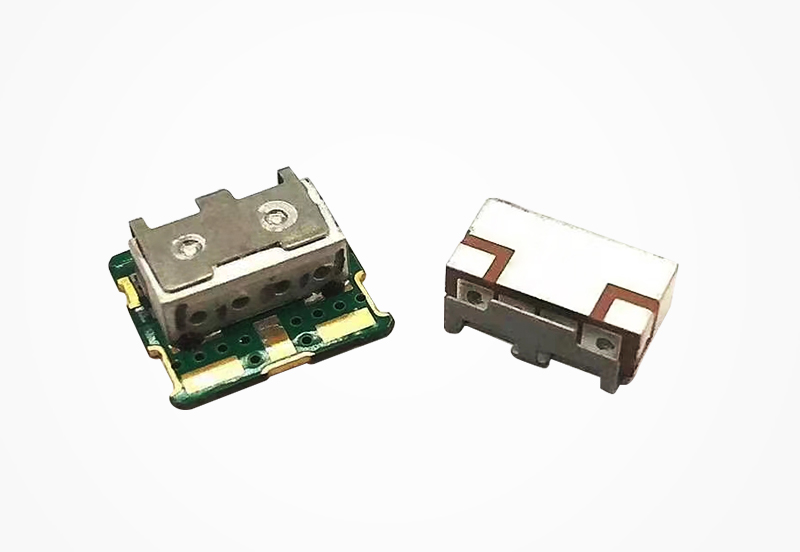


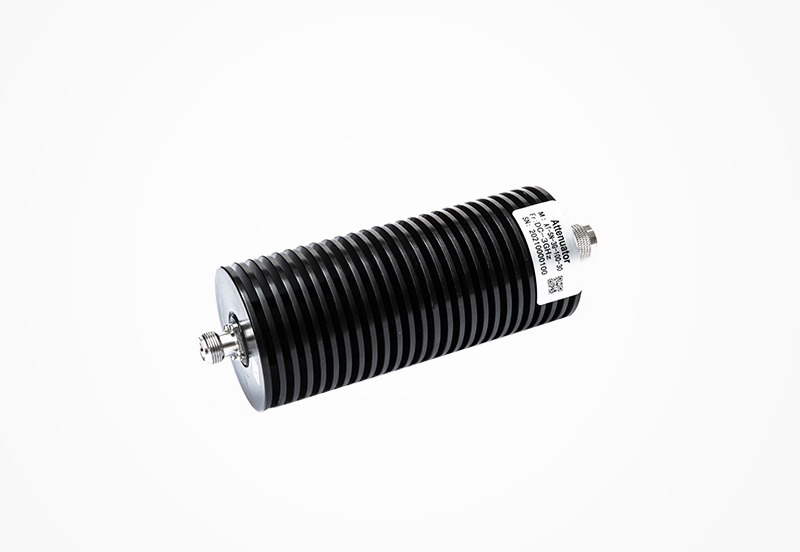
A 50-ohm impedance coaxial attenuator is a standard passive RF component designed based on the universal 50Ω RF system impedance standard, serving as a key device for signal amplitude adjustment, impedance matching, and system protection in microwave and radio frequency systems. Almost all mainstream commercial and industrial RF equipment, including signal generators, spectrum analyzers, power amplifiers, and antenna transmission systems, adopt a 50Ω impedance design. The 50-ohm coaxial attenuator realizes perfect impedance matching with the entire RF system, fundamentally avoiding signal reflection, standing wave surge, and signal distortion caused by impedance mismatch. This standardized impedance characteristic makes it the most widely used attenuator type in modern RF microwave engineering.
The internal structure of the 50-ohm coaxial attenuator adopts a precision coaxial transmission line and resistive attenuation network, which strictly follows the 50Ω impedance design specification from the input end to the output end and the internal circuit. The integrated impedance matching structure ensures that the standing wave ratio (VSWR) of the device is kept at an extremely low level within the full operating frequency band, usually below 1.2, realizing ultra-low reflection signal transmission. Compared with non-standard impedance attenuators, the 50-ohm model has no need for additional impedance matching adapters during system integration, which simplifies the circuit structure, reduces system signal loss, and improves the overall stability of the RF link. Its internal resistive components adopt high-precision thin-film or thick-film attenuation materials, which ensure accurate and stable attenuation values without obvious deviation with frequency and temperature changes.
The core functions and application value of the 50-ohm coaxial attenuator are reflected in system signal optimization and equipment protection. In RF testing systems, it can accurately attenuate excessive signal power to adapt to the input power range of precision test instruments, preventing instrument burnout caused by over-power signals. In power amplifier systems, it is used for signal power calibration and link standing wave optimization, reducing signal reflection and improving the linearity of the amplification system. In antenna feeder systems, it balances signal power distribution and suppresses redundant signal interference. Benefiting from its universal 50Ω impedance standard, wide frequency adaptability, and stable attenuation performance, this attenuator is widely used in communication base stations, radar testing, laboratory precision measurement, and industrial microwave equipment, becoming a basic essential component for standardized RF system construction.


Contact Phone:
+86-0755-26701085
+86-0755-26701002
Company Address :
2nd Floor, Building A, Juchuang Jingu Creative Park, Xili Street, Nanshan, Shenzhen


 CN