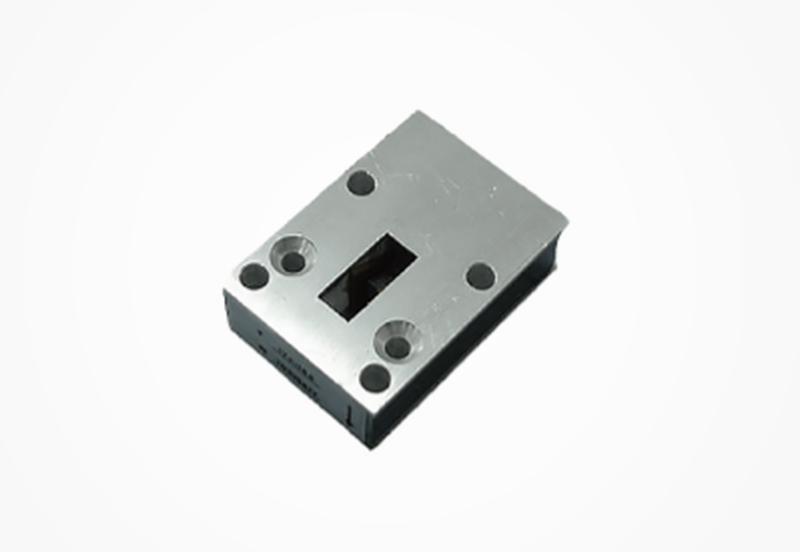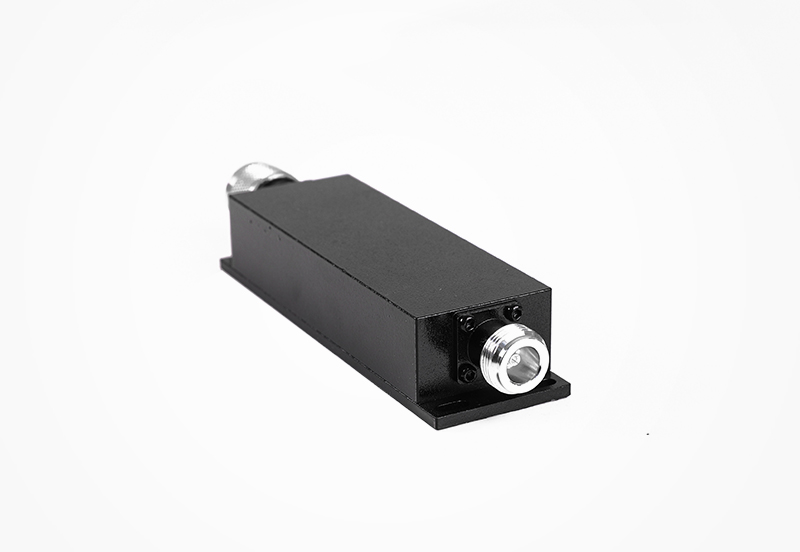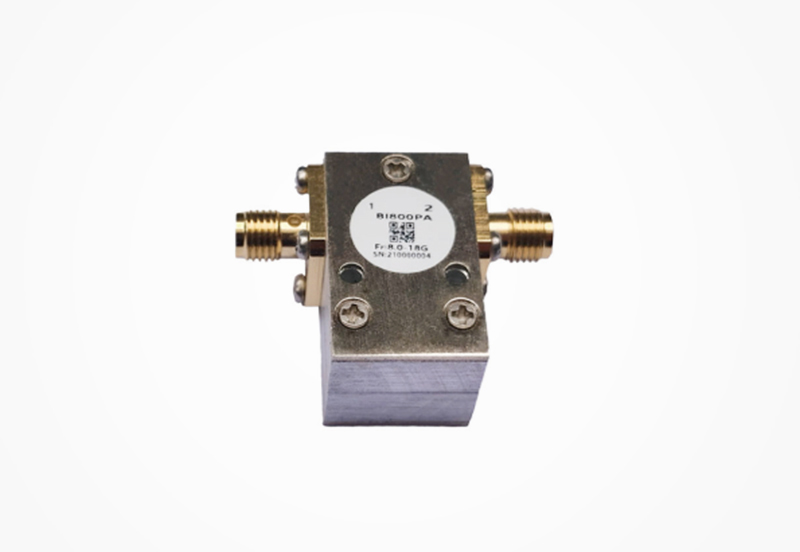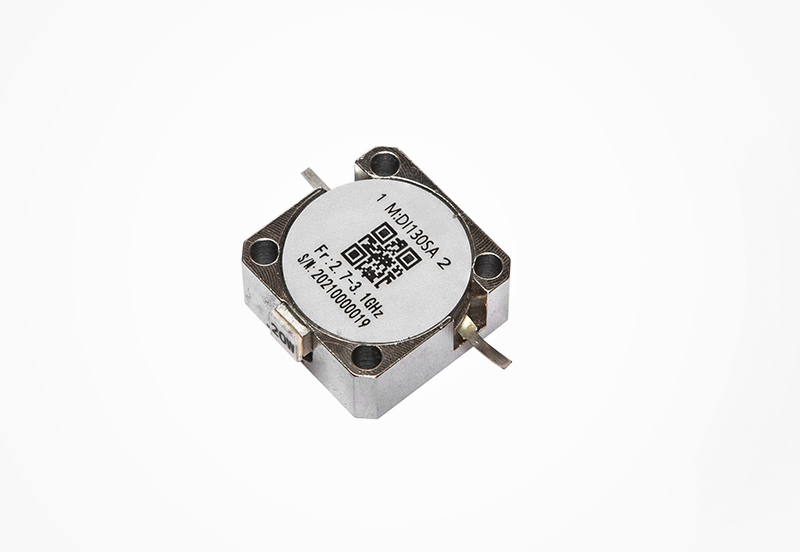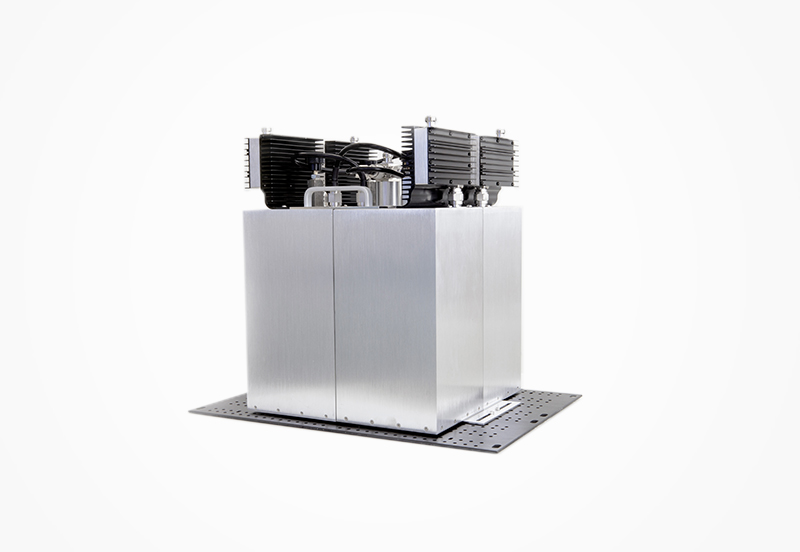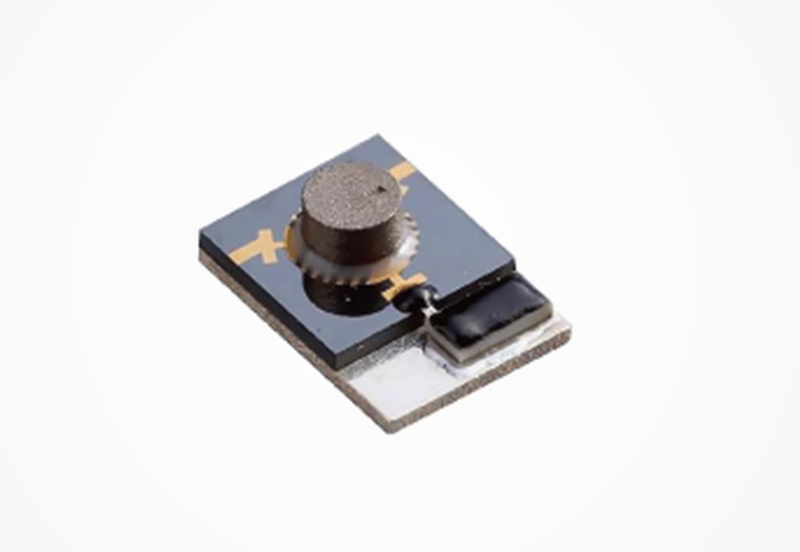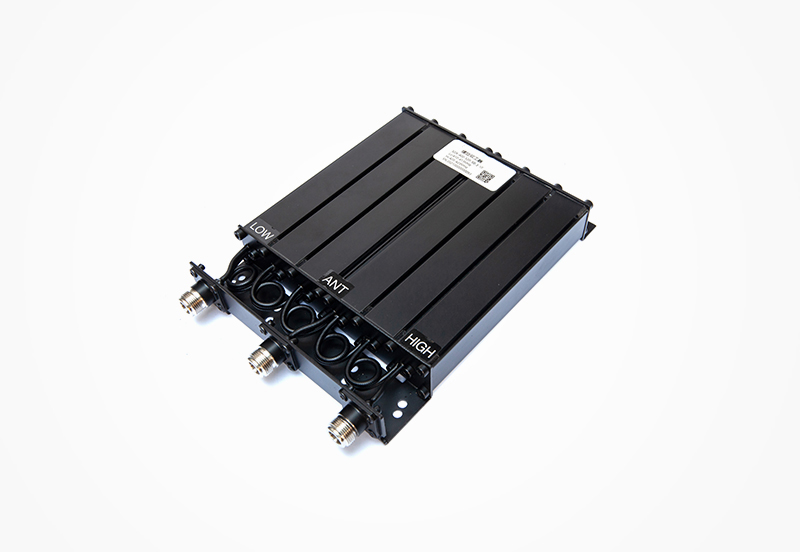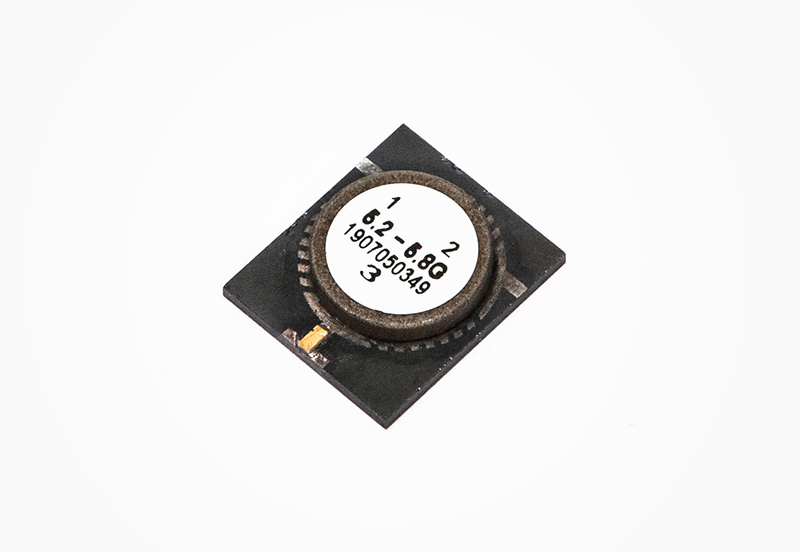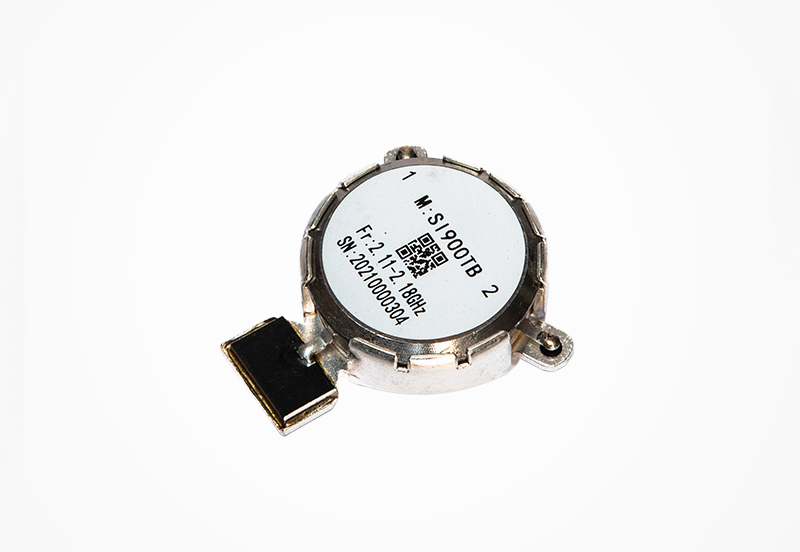

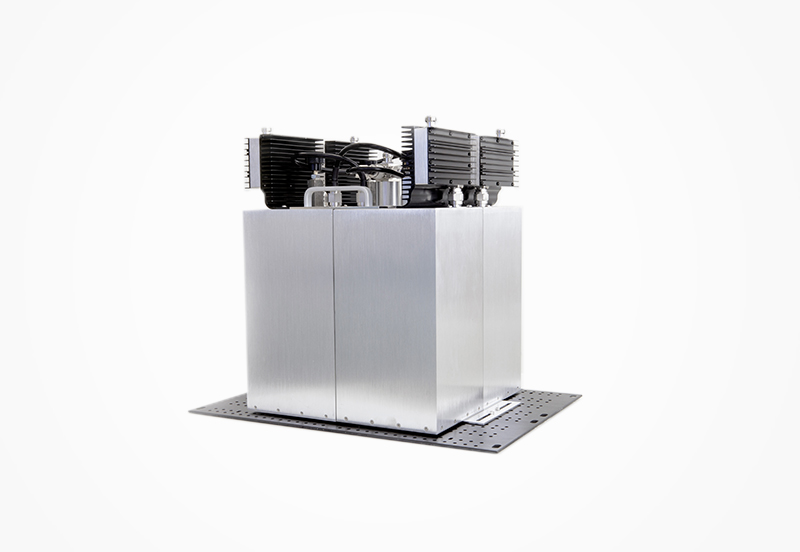
A combiner integrated with DC bias injection functionality is a specialized passive RF component designed to simultaneously transmit high-frequency radio frequency signals and low-frequency direct current power through a single coaxial transmission line, serving as a core bridge for remote control and power supply in wireless communication systems. Also widely known as a bias tee combiner, this device features a three-port structural design, consisting of an RF signal port, a DC bias port, and a combined RF+DC output port. Its core working principle relies on the frequency isolation characteristics of inductors and capacitors: high-value inductors act as low-pass channels to conduct DC power while blocking high-frequency RF leakage, and high-frequency capacitors serve as high-pass channels to transmit RF signals while isolating DC current. This complementary filtering structure completely separates DC power and RF signals in the frequency domain, ensuring zero mutual interference during synchronous transmission, which lays the foundation for long-distance remote control of RF front-end equipment.
The most prominent application value of DC bias injection combiners lies in simplifying the wiring architecture of remote RF systems and realizing non-intrusive remote power supply and control. In traditional distributed antenna systems, remote antenna units, low-noise amplifiers (LNAs), and RF switches require separate coaxial cables for signal transmission and power supply, resulting in complex wiring, high construction costs, and increased signal attenuation risks. By adopting bias injection combiners, engineers can superimpose DC control voltage and working power on the existing RF signal coaxial cable, eliminating the need for independent power wiring. In remote control scenarios, the injected DC signal not only provides operating power for passive and active RF devices but also carries simple control logic, such as switching the working state of remote LNAs, activating antenna beam adjustment modules, and triggering fault detection circuits. This integration of signal transmission, power supply, and remote control greatly improves the integration and reliability of field-deployed RF equipment.
In practical engineering deployment, the performance stability of DC bias injection combiners directly determines the reliability of remote control systems, with key technical indicators including RF insertion loss, DC resistance, frequency bandwidth, and isolation between DC and RF ports. High-quality bias combiners maintain ultra-low insertion loss (typically less than 0.3 dB) across broadband frequency ranges from tens of megahertz to several gigahertz, avoiding attenuation and distortion of communication signals. Meanwhile, the DC loop adopts low-resistance inductive design to reduce power loss during long-distance transmission, ensuring stable power supply for remote devices. In addition, excellent port isolation (over 40 dB) prevents high-power RF signals from breaking through the filter structure and interfering with DC control circuits, which could cause control signal distortion or device burnout. This type of combiner is widely used in base station remote radio units, satellite communication ground equipment, and industrial wireless monitoring systems, becoming an indispensable component for long-distance wireless system remote management.
With the rapid development of 5G and edge communication technologies, the demand for miniaturized, high-power, and wideband DC bias injection combiners continues to grow. Modern optimized models adopt compact laminated inductance-capacitance structures, which reduce device size while improving power tolerance, enabling adaptation to high-power remote RF equipment. Moreover, some enhanced versions integrate surge protection and voltage stabilization modules, which can resist voltage fluctuations and electrostatic interference in outdoor complex environments, further improving the stability of remote control systems. Compared with traditional independent power supply and signal transmission schemes, bias injection combiner solutions reduce system maintenance costs by more than 30% and shorten on-site construction cycles, making them the mainstream choice for modern remote RF system deployment.


Contact Phone:
+86-0755-26701085
+86-0755-26701002
Company Address :
2nd Floor, Building A, Juchuang Jingu Creative Park, Xili Street, Nanshan, Shenzhen


 CN
CN