



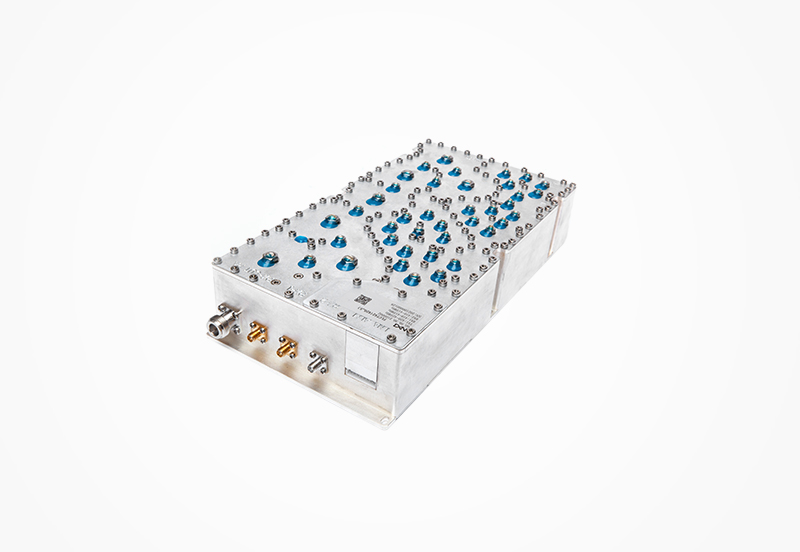
Duplexers integrated with Electrostatic Discharge (ESD) protection diodes on the receiver (Rx) port are specially designed to solve the electrostatic damage problem of sensitive RF receiving circuits in complex application environments. The Rx channel of RF transceivers is extremely sensitive to ext
View more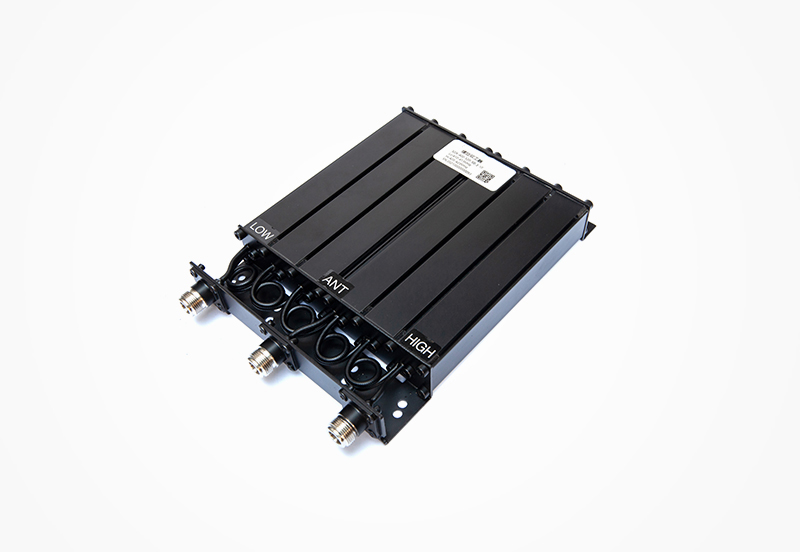
High-selectivity duplexers for satellite earth stations are professional RF devices customized for satellite communication systems, undertaking the core function of separating uplink transmission signals and downlink reception signals of earth stations. Satellite communication features long transmis
View more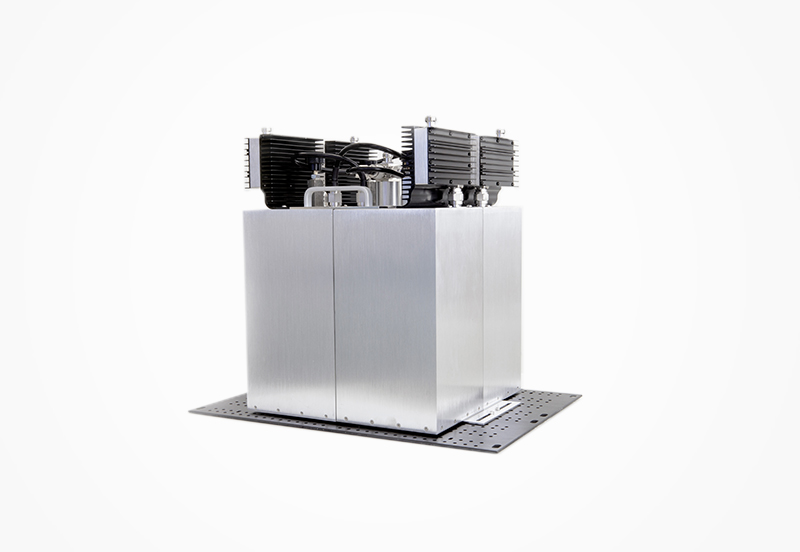
The N-way Wilkinson power combiner is a foundational passive radio frequency (RF) component designed for equal power splitting and combining across multiple input and output ports, widely adopted in modern wireless communication, radar, and antenna array systems. Unlike basic resistive power divider
View moreHarmonic frequency rejection is a core performance metric for modern radio frequency (RF) duplexers, directly determining the spectral purity of wireless communication systems and preventing adjacent-channel and spurious signal interference. In RF transceivers, power amplifiers (PAs) generate fundam
View moreIn radar systems, duplexers serve as core switching and isolation components to realize single-antenna transceiving sharing, solving the problem of mutual interference between radar transmitting signals and echo receiving signals. Traditional radar equipment adopting separate transmitting and receiv
View moreDuplexer Tx/Rx isolation measurement is a core RF performance test project used to quantify the signal suppression capability between the duplexer’s transmit port and receive port, which is a key index to evaluate the anti-crosstalk performance and full-duplex working reliability of the duplexer. Is
View more

Contact Phone:
+86-0755-26701085
+86-0755-26701002
Company Address :
2nd Floor, Building A, Juchuang Jingu Creative Park, Xili Street, Nanshan, Shenzhen


 CN
CN
