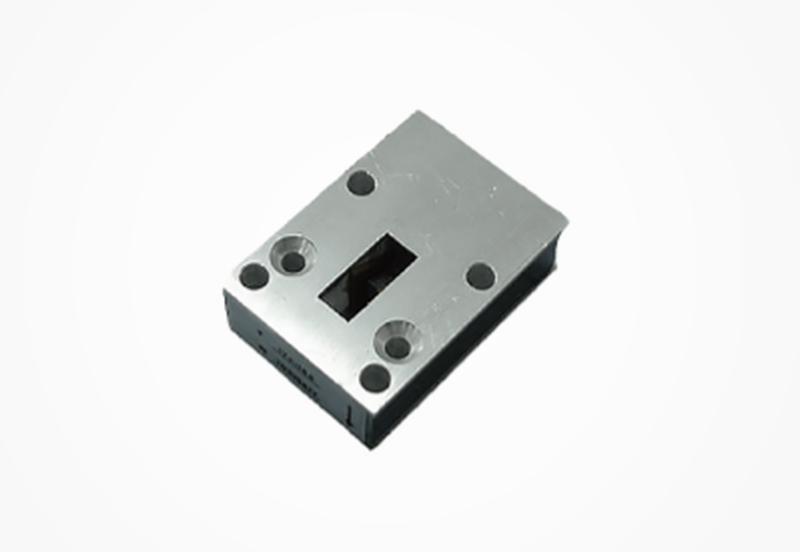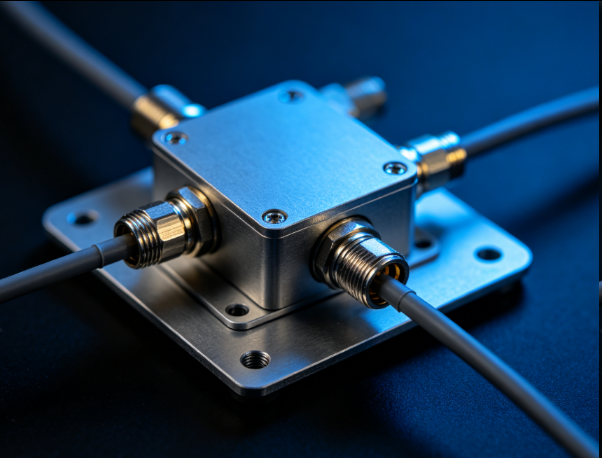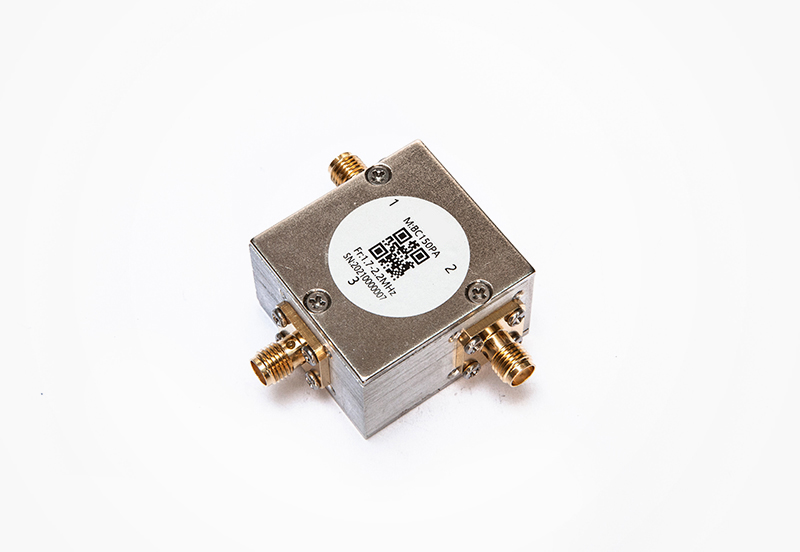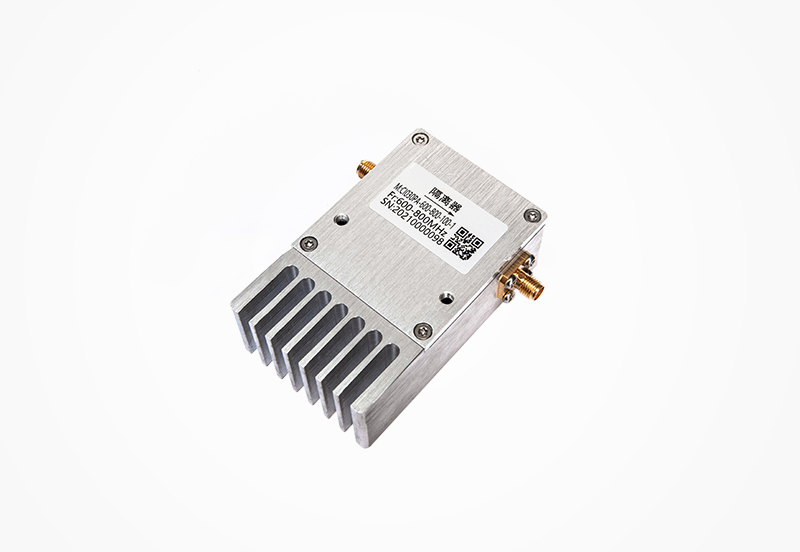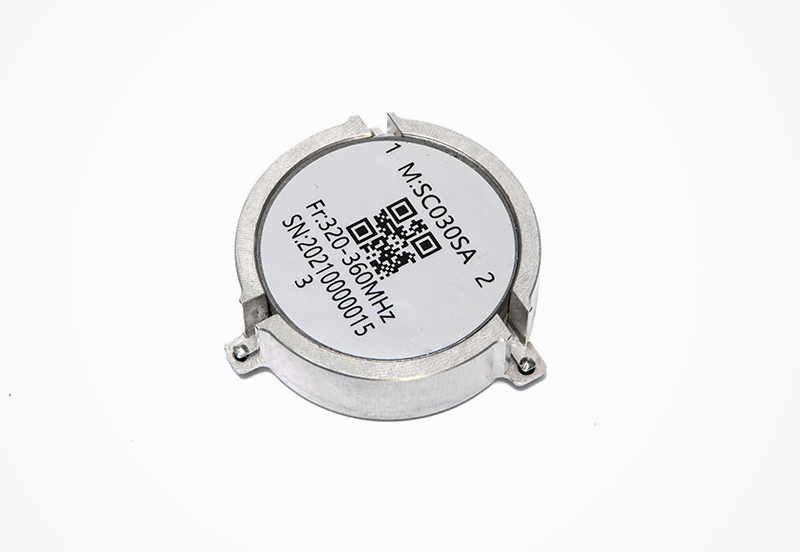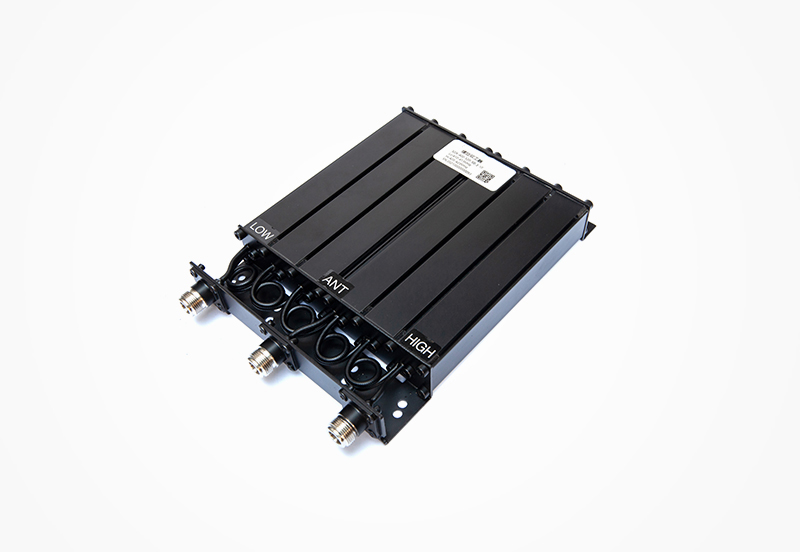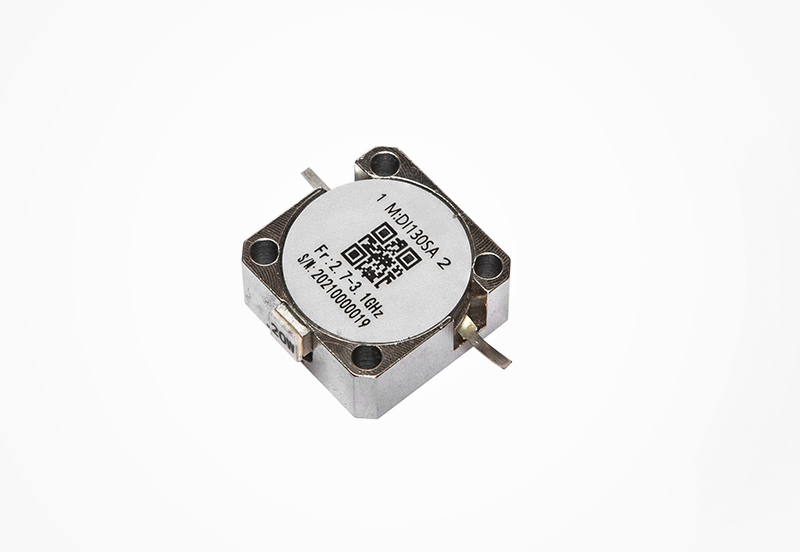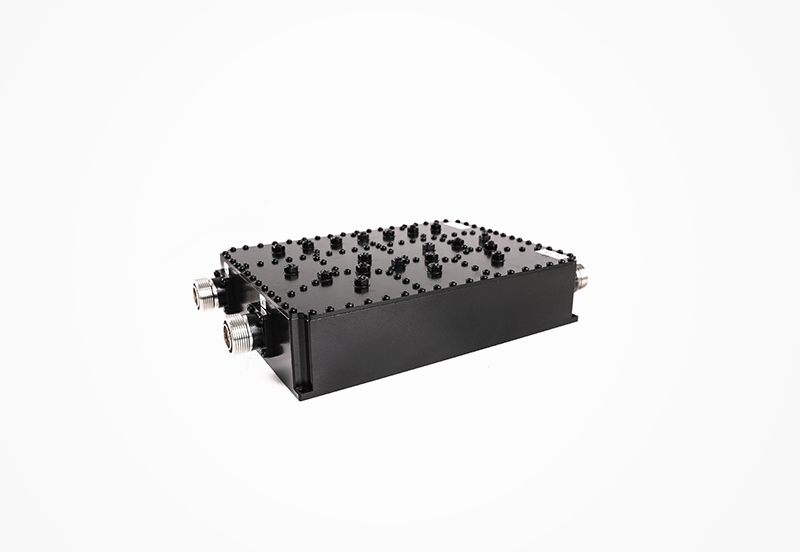

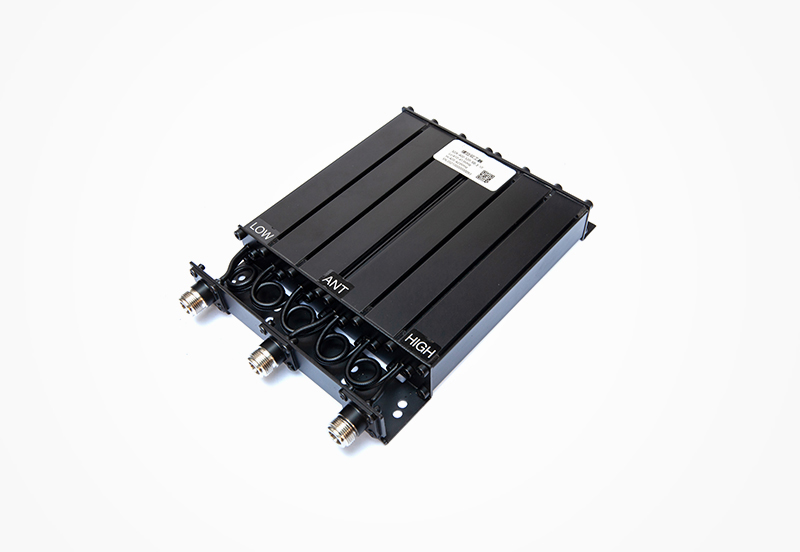
In radar systems, duplexers serve as core switching and isolation components to realize single-antenna transceiving sharing, solving the problem of mutual interference between radar transmitting signals and echo receiving signals. Traditional radar equipment adopting separate transmitting and receiving antennas has large volume, high cost, and inconsistent antenna beam characteristics, which is not conducive to miniaturization and integration of radar systems. The duplexer-based single-antenna sharing scheme enables one antenna to complete high-power signal transmission and weak echo signal reception in a time-division or frequency-division manner, greatly simplifying the radar radio frequency front-end structure, reducing equipment volume and weight, and improving beam pointing accuracy and system integration.
Radar duplexers have extremely high requirements on power tolerance, isolation, and switching speed compared with communication duplexers. Radar transmit signals are usually high-power pulse signals with peak power ranging from hundreds of watts to tens of kilowatts, while the received echo signals are extremely weak low-power signals reflected from targets. The duplexer needs to quickly isolate high-power transmit signals during the transmitting pulse period to prevent them from impacting and burning the sensitive low-noise receiving module. During the receiving gap after pulse transmission, the duplexer quickly switches the channel state to ensure low-loss reception of target echo signals. Time-division duplex (TDD) structures are mostly adopted in pulse radar systems, relying on the high isolation and fast switching characteristics of duplexers to realize strict time-domain separation of transceiving signals.
In continuous wave (CW) radar and frequency-modulated continuous wave (FMCW) radar systems, frequency-division duplexers are applied to realize simultaneous transceiving of single antennas through frequency band isolation. The duplexer accurately separates transmit excitation signals and target echo signals with tiny frequency differences, ensuring no mutual interference between the two channels. With the development of miniaturized radar, millimeter-wave radar, and automotive radar technologies, radar duplexers are evolving toward wideband, high-isolation, high-speed switching, and ultra-small size. Optimized duplexer design effectively improves radar detection accuracy, target resolution, and anti-clutter interference capability, and is an indispensable key component for single-antenna radar system miniaturization and high-performance upgrading.


Contact Phone:
+86-0755-26701085
+86-0755-26701002
Company Address :
2nd Floor, Building A, Juchuang Jingu Creative Park, Xili Street, Nanshan, Shenzhen


 CN
CN