



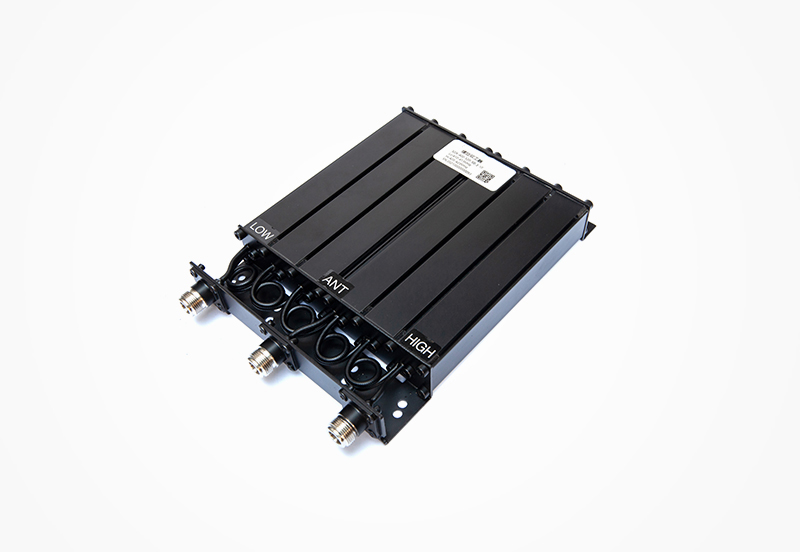
Tx-to-Rx leakage is one of the most critical performance metrics for radio frequency (RF) duplexers, directly determining the communication system’s anti-interference capability and receiving sensitivity. In frequency division duplex (FDD) communication systems, transmit (Tx) and receive (Rx) channe
View moreDuplexer power rating and thermal management are core design indicators that determine the service life, operational stability, and reliability of RF duplexers under long-term working conditions. Power rating refers to the maximum continuous and peak signal power that a duplexer can withstand withou
View more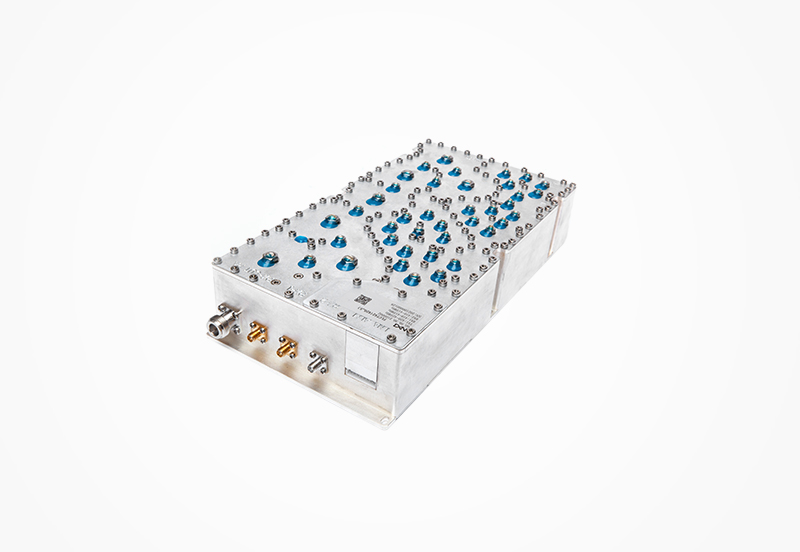
Insertion loss is one of the most critical electrical performance indicators of RF duplexers, referring to the signal power attenuation generated when electromagnetic signals pass through the duplexer’s transmit (Tx) and receive (Rx) paths, usually measured in decibels (dB). Duplexer insertion loss
View more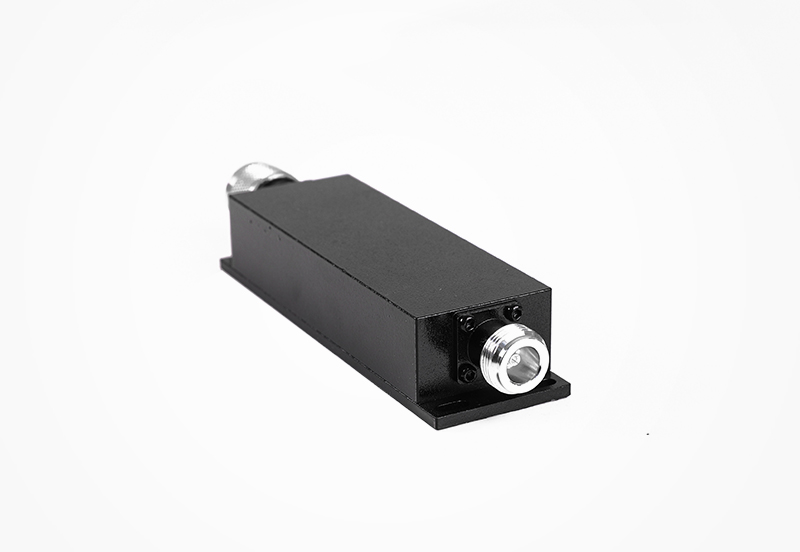
Compact RF filters with high out-of-band rejection are key miniaturized components adapted to the miniaturization, integration, and high anti-interference requirements of modern wireless communication, wearable devices, and portable RF systems. With the rapid development of 5G communication, Interne
View more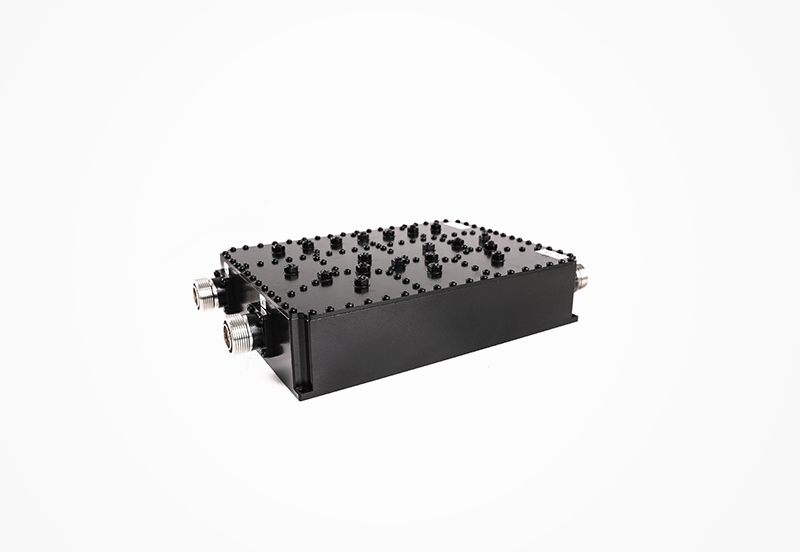
Programmable RF filters are core reconfigurable hardware components for software-defined radio (SDR) systems, enabling dynamic adjustment of filter frequency band, bandwidth, passband gain, and stopband rejection through software programming commands. Different from traditional fixed-parameter RF fi
View more
RF filter bandwidth is a core performance parameter defining the effective operating frequency range of a filter, and it is commonly specified by two industry-standard threshold definitions: 3-dB bandwidth and 1-dB bandwidth, each serving distinct design and application scenarios in wireless communi
View more

Contact Phone:
+86-0755-26701085
+86-0755-26701002
Company Address :
2nd Floor, Building A, Juchuang Jingu Creative Park, Xili Street, Nanshan, Shenzhen


 CN
CN
