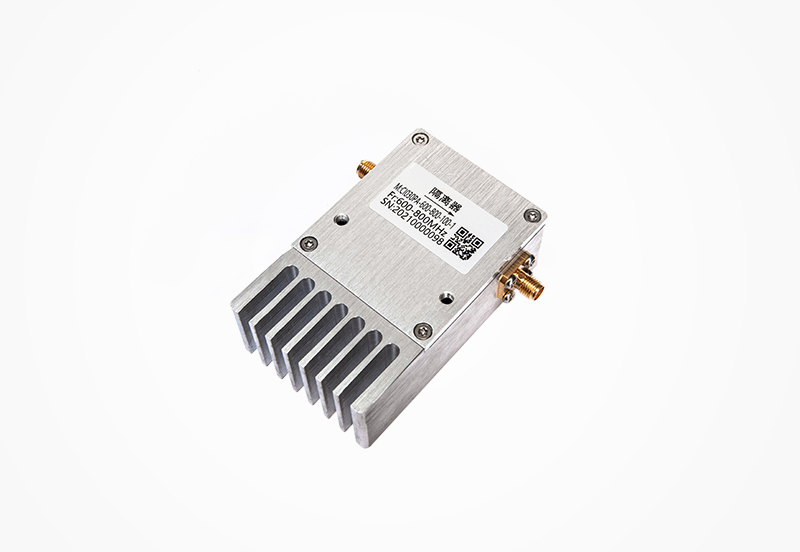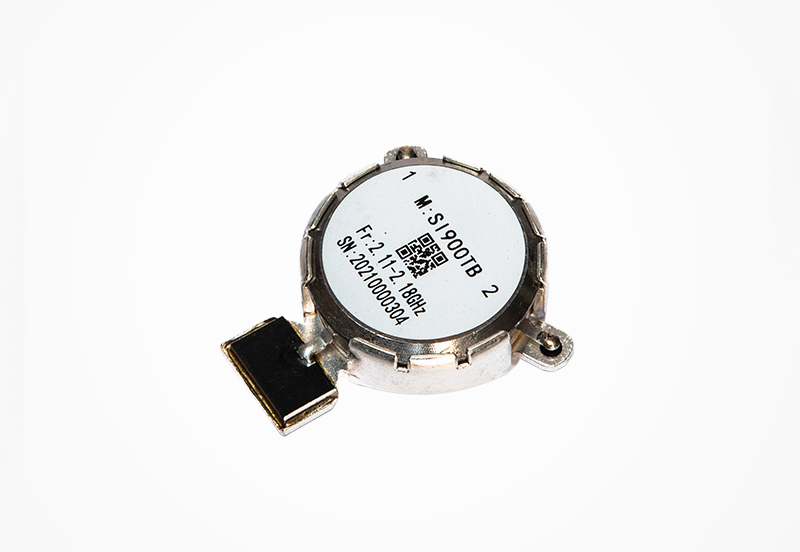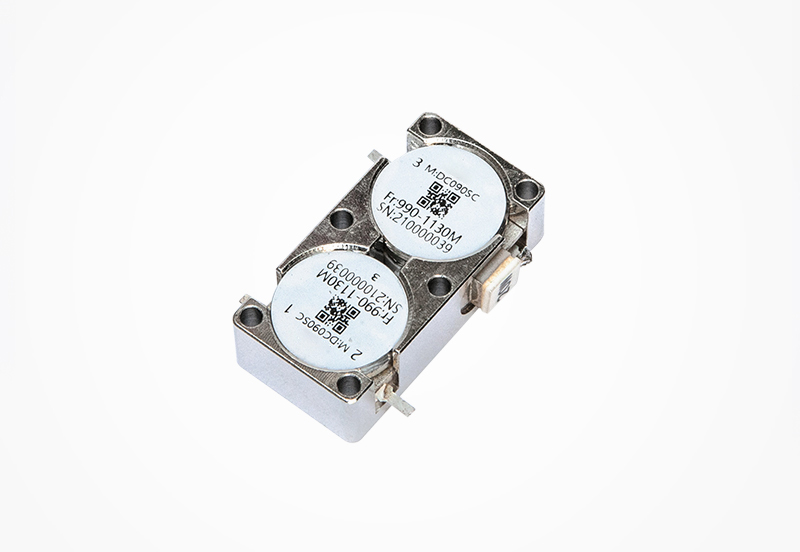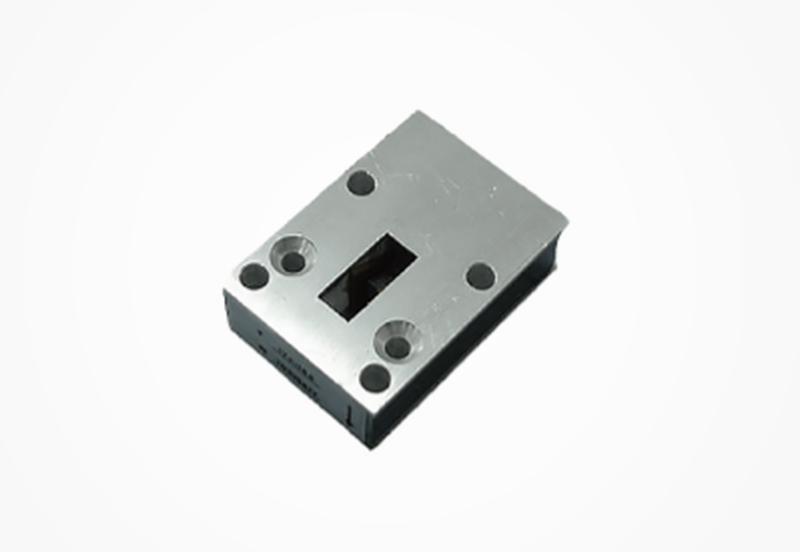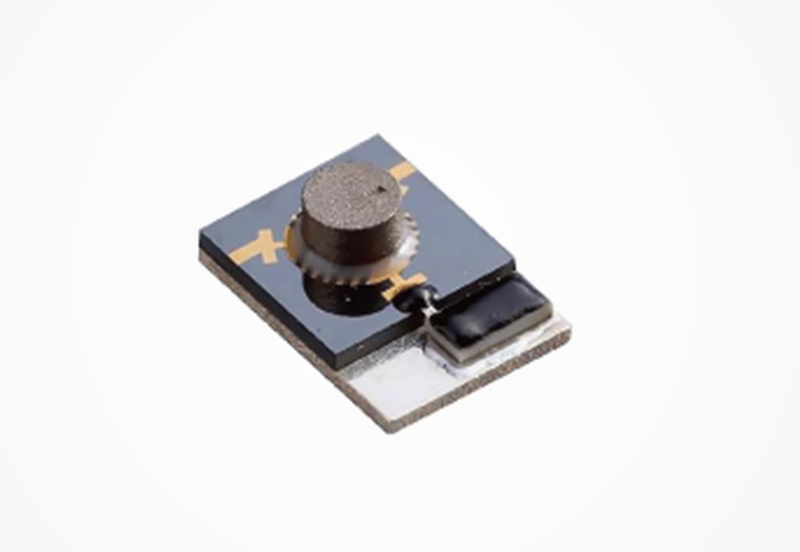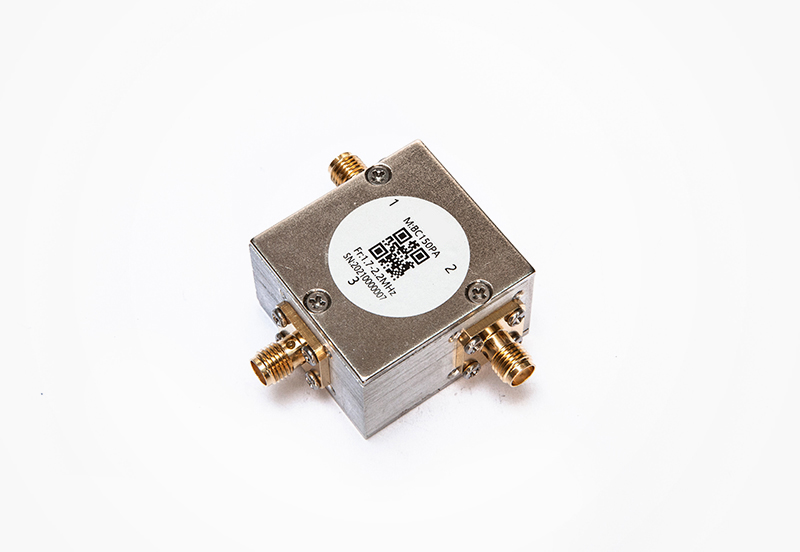




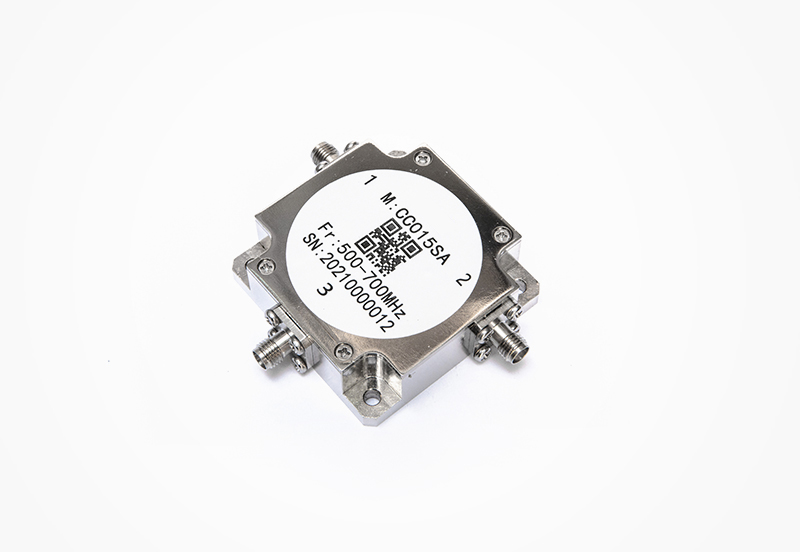
Return loss and Voltage Standing Wave Ratio (VSWR) are two core complementary specifications that define the impedance matching performance of RF circulators, directly determining signal transmission efficiency and system stability in wireless communication systems. Return loss, measured in decibels (dB), quantifies the power of reflected signals at each port of a circulator, representing the degree of impedance matching between the circulator and peripheral RF components such as antennas, transmitters, and receivers. Mathematically, it is calculated as RL = -20log|Γ|, where Γ refers to the reflection coefficient of the port. A higher return loss value indicates weaker signal reflection and superior impedance matching. For commercial RF circulators operating in common frequency bands ranging from UHF to microwave, the standard return loss specification is typically no less than 15 dB across the full operating bandwidth, while high-precision communication-grade circulators require return loss exceeding 20 dB to eliminate adverse reflection interference. Poor return loss leads to continuous signal reflection at ports, causing signal superposition, waveform distortion, and reduced effective transmission power, which severely degrades the sensitivity of receiving systems.
VSWR is a dimensionless parameter that intuitively characterizes standing wave fluctuations generated by incident and reflected signals on RF transmission lines, closely correlated with return loss through the formula VSWR = (1+|Γ|)/(1-|Γ|). It visually reflects the severity of impedance mismatch: an ideal impedance matching state corresponds to a VSWR value of 1, meaning no signal reflection and 100% signal transmission. In practical engineering applications, circulator VSWR specifications are classified by application scenarios. General industrial RF circulators require a VSWR below 1.5:1, which matches a return loss of approximately 14 dB, meeting the basic operating requirements of ordinary wireless devices. For high-frequency, high-sensitivity scenarios such as 5G base stations, satellite communication systems, and radar equipment, strict VSWR standards below 1.2:1 are mandatory to ensure ultra-low signal reflection.
The coordinated control of return loss and VSWR is critical for the overall performance of RF systems, and these two indicators must be verified across the entire operating frequency band rather than at single frequency points. In multi-port circulators, inconsistent impedance matching among different ports will cause cross-port signal interference and unbalanced power distribution, affecting the circulator’s unidirectional transmission characteristics. In addition, return loss and VSWR performance will interact with other core parameters of circulators, including insertion loss and isolation. Severe impedance mismatch will increase actual insertion loss and reduce effective isolation, breaking the unidirectional signal transmission rule of circulators. Therefore, in the selection and testing of RF circulators, standardized return loss and VSWR parameters are the primary indicators to evaluate product qualification, ensuring long-term stable and efficient operation of RF transmission systems.

Contact Phone:
0755-26701085 0755-26701002
Company Address :2nd Floor, Building A, Juchuang Jingu Creative Park, Xili Street, Nanshan District, Shenzhen