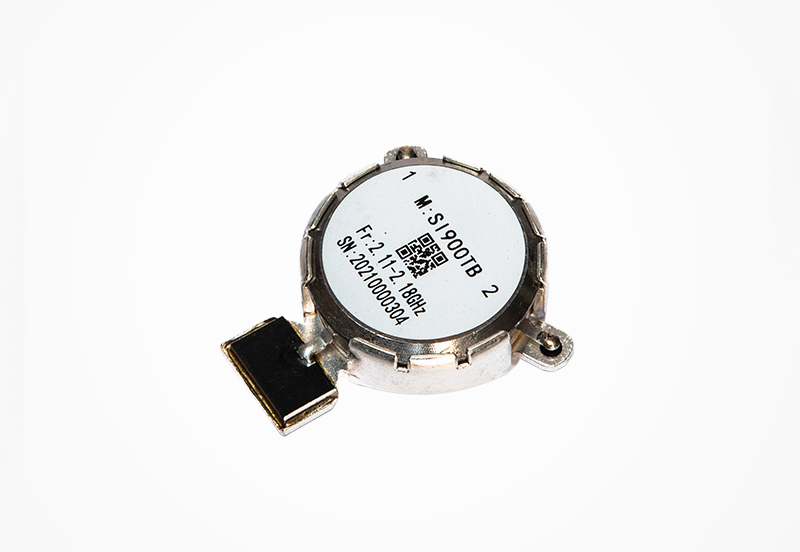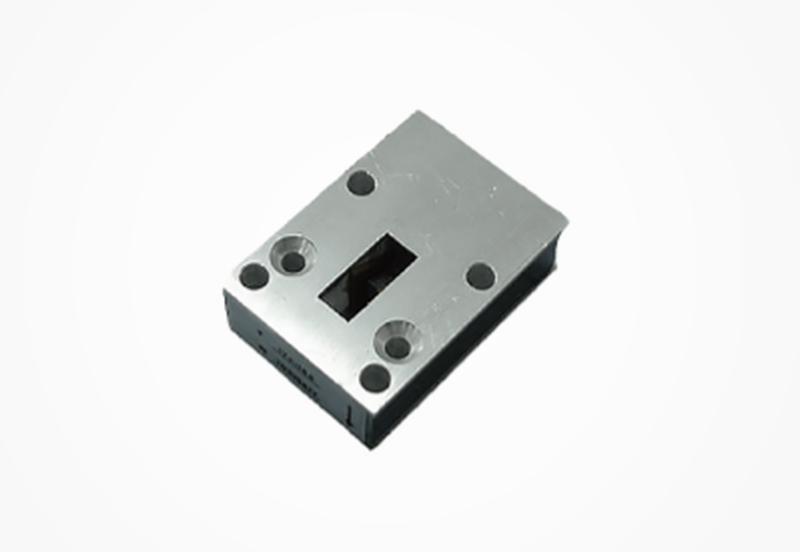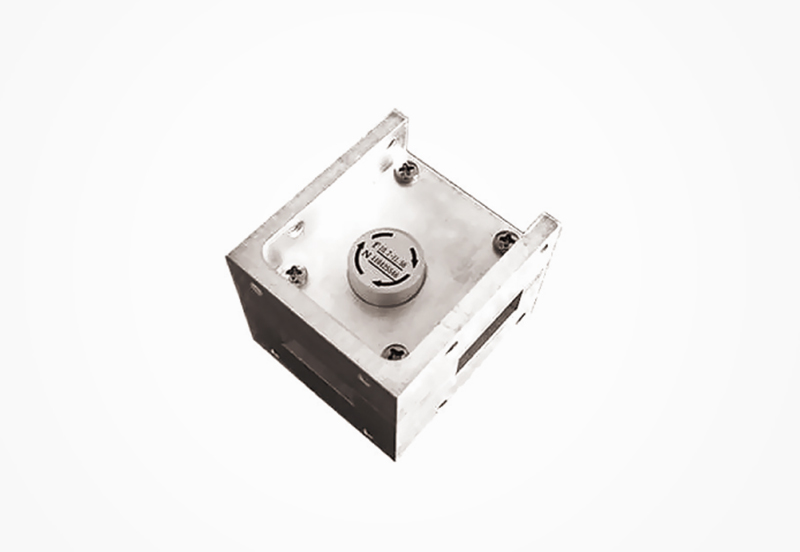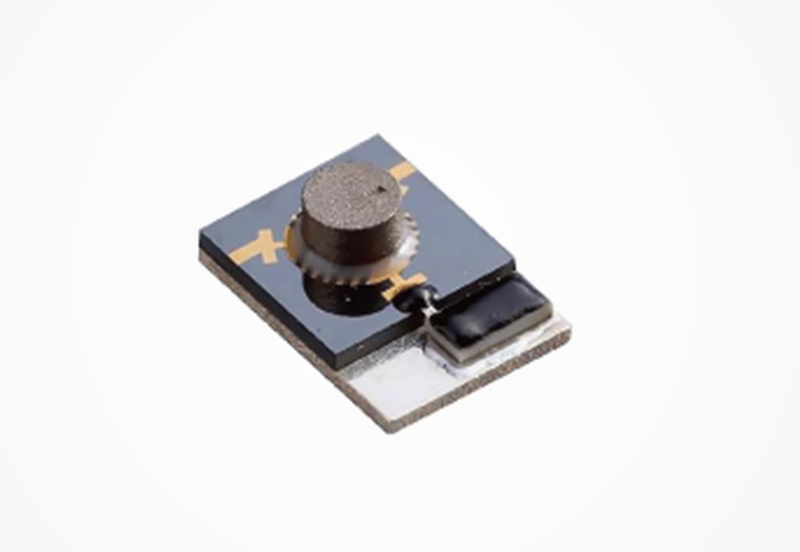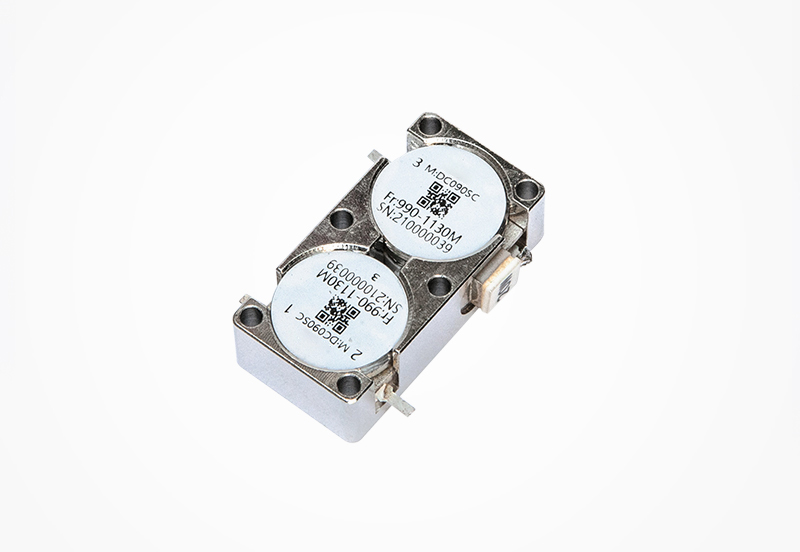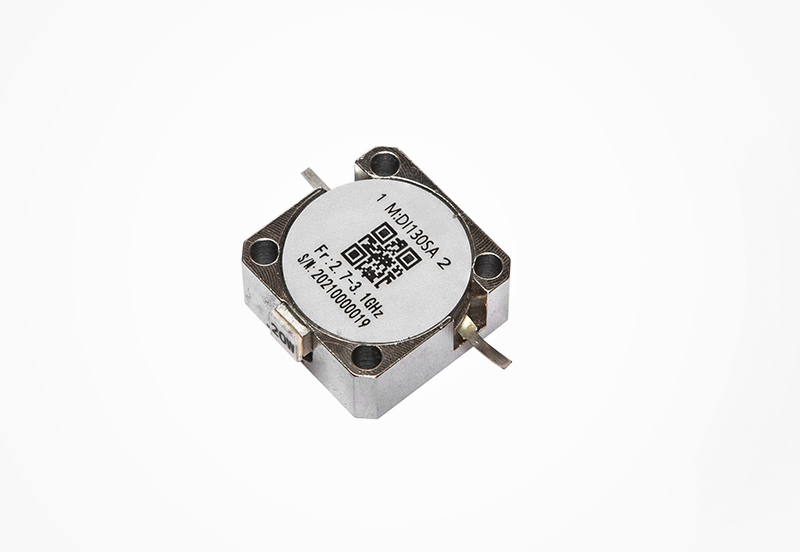




RF isolators have become indispensable passive non-reciprocal ferrite components for modern 4G, 5G and upcoming 6G telecom macro and micro base station radio frequency front-end systems. Built based on garnet ferrite magnetization principles and permanent magnetic bias design, standard telecom-grade RF isolators feature unidirectional signal transmission characteristics, enabling low insertion loss for forward transmitting signals and high attenuation for reverse reflected radio frequency power. Most base station isolators adopt standardized 50-ohm impedance matching, covering mainstream cellular frequency bands including 700MHz, 1800MHz, 2100MHz, 3.5GHz and 5.8GHz, which perfectly matches the impedance parameters of base station power amplifiers, duplexers, feeder lines and sector antennas. Unlike general civilian RF components, telecom base station dedicated isolators are optimized for long-term outdoor continuous duty operation, with operating temperature ranging from -40℃ to +85℃ to adapt extreme alpine, high-temperature desert and coastal humid working environments across global communication sites.
The core application value of base station RF isolators lies in power amplifier protection and wireless signal quality optimization. In typical base station transmit chains, isolators are installed directly between the final-stage RF power amplifier and band-pass filter or outdoor antenna. During daily network operation, antenna feeder aging connector looseness, radome water accumulation, tower lightning surge and multi-path electromagnetic interference will cause severe voltage standing wave ratio (VSWR) fluctuation, generating high-energy reverse reflected signals flowing back to power amplifier chips. Without isolation protection, these reflected waves will trigger amplifier gain drift, intermodulation distortion, adjacent channel leakage ratio deterioration, and even permanent burnout of expensive gallium nitride (GaN) power amplifier modules. Qualified telecom isolators deliver reverse isolation higher than 25dB, fully absorbing reverse reflected power via built-in matched termination loads to stabilize front-end operating status.
Besides hardware protection, this specialized isolator boosts whole-site network stability and reduces post-operation maintenance costs for telecom operators. Modern carrier-grade isolators adopt low intermodulation structural design, with passive intermodulation value lower than -160dBc, avoiding extra clutter interference that affects uplink receiving sensitivity. For densely deployed urban small-cell base stations and high-power rural macro base stations, customized multi-band integrated isolator models are available to simplify cabinet wiring and reduce overall RF system volume. Moreover, mainstream telecom isolators comply with IP67 outdoor waterproof and dustproof standards, supporting pole-mounted cabinet installation without additional waterproof housing. Long-term field verification proves that equipping standard RF isolators can cut base station power amplifier failure rate by over 60%, lower network downtime frequency, and help telecom carriers maintain stable 24/7 wireless coverage for voice, broadband and IoT communication services.


Contact Phone:
0755-26701085 0755-26701002
Company Address :2nd Floor, Building A, Juchuang Jingu Creative Park, Xili Street, Nanshan District, Shenzhen